Table of Contents
- Introduction
- Understanding the Difference: Dry vs. Dehydrated Skin
- The Main Culprits Behind Facial Flakiness
- The Biology of the Skin Barrier
- How to Address Dryness with a Phyto-Aromatic Ritual
- Essential Ingredients for Smoothing Flaky Skin
- Lifestyle Habits for a Hydrated Complexion
- When to Consult a Dermatologist
- Conclusion
- FAQ
Introduction
Finding tight, rough patches or visible flaking when you look in the mirror can be both frustrating and uncomfortable. Whether it is a seasonal struggle or a year-round concern, facial dryness often makes the skin look dull and can interfere with a smooth makeup application. At Yon-Ka Paris, we believe that understanding the "why" behind your skin's behavior is the first step toward restoring its natural radiance and suppleness. This article explores the various external and internal factors that lead to flaking, the biological role of your skin barrier, and how a consistent botanical ritual can support a hydrated, healthy-looking complexion. By bridging French skincare heritage with modern plant science, we can help you identify the best path forward for your unique skin needs.
Understanding the Difference: Dry vs. Dehydrated Skin
Before addressing the causes of flaking, it is essential to distinguish between dry skin and dehydrated skin. While people often use these terms interchangeably, they refer to two different physiological states.
Dry skin is a specific skin type characterized by a lack of natural oils (sebum). Your skin produces these lipids to lubricate the surface and help maintain the moisture barrier. Without enough oil, the skin can feel rough, look flaky, and may be more prone to premature aging.
Dehydrated skin, on the other hand, is a temporary skin condition that occurs when there is a lack of water in the uppermost layers of the skin. Even those with oily or combination skin can experience dehydration. When skin lacks water, it often looks "crepy" or dull, and you may notice fine lines that appear more prominent.
Quick Answer: Dry flaky skin on the face is typically caused by a compromised skin barrier, which allows moisture to escape. This can be triggered by environmental factors like cold air, lifestyle habits like hot showers, or the use of harsh, stripping skincare products.
The Main Culprits Behind Facial Flakiness
If you are wondering why your face has suddenly become prone to flaking, several factors are likely at play. Usually, it is a combination of your environment, your daily habits, and your natural biology.
1. Environmental Stressors and Climate
The air around us has a direct impact on our skin’s hydration levels. During winter, the humidity levels drop significantly. Cold air holds less moisture, and when you step inside, artificial heating further dries out the environment. This constant fluctuation creates a "wicking" effect, where moisture is pulled out of your skin and into the dry air. This process is known as transepidermal water loss (TEWL).
2. Over-Cleansing and Harsh Ingredients
One of the most common mistakes in skincare is using products that are too aggressive. Many traditional soaps and foaming cleansers contain sodium lauryl sulfate (SLS), a surfactant that can strip away the essential lipids your skin needs to stay hydrated. For a gentler first step, Lait Nettoyant offers a creamy cleansing milk that supports dry skin without that stripped feeling.
3. Hot Water and Long Showers
While a steaming hot shower might feel relaxing, it is one of the quickest ways to dehydrate your face. Hot water dissolves the natural oils on the skin's surface much faster than lukewarm water. When these oils are washed away, the skin’s "seal" is broken, allowing water to evaporate almost instantly once you step out of the shower.
4. Natural Aging and Hormonal Shifts
As we age, our skin naturally produces less sebum. This decline often becomes more noticeable in our 40s and 50s. Hormonal changes, particularly during menopause, can lead to a significant decrease in estrogen levels, which are linked to skin thickness and oil production. This transition often results in a shift from a "normal" skin type to a "dry" or "sensitive" skin type.
The Biology of the Skin Barrier
To understand flaking, we must look at the stratum corneum, the outermost layer of the skin. Experts often describe this as a "brick and mortar" structure. The skin cells are the bricks, and the lipids (fats, waxes, and oils) are the mortar that holds them together.
A healthy barrier keeps moisture in and irritants out. When the "mortar" is depleted due to any of the causes mentioned above, the "bricks" (skin cells) begin to curl up at the edges rather than lying flat. This curling and lifting is what we perceive as visible flakes and a rough texture.
Key Takeaway: Flaking is a visible sign that your skin's protective barrier is compromised and is unable to retain its necessary water and oil content.
How to Address Dryness with a Phyto-Aromatic Ritual
At Yon-Ka, our approach to skincare is rooted in the belief that the skin is a living organ that thrives when treated with respect and consistency. Rather than looking for a "quick fix," we recommend a layered ritual that supports the skin's natural functions. If you want to explore our broader face care lineup, start with our face moisturizers and our ingredients.
Step 1: Gentle, Lipid-Respecting Cleansing
If your skin is already flaking, you must stop the cycle of stripping. Avoid foaming cleansers that leave your skin feeling "squeaky clean," as this is usually a sign of over-cleansing. Instead, choose a creamy, milk-based cleanser like Lait Nettoyant. This gentle formula removes impurities and makeup while maintaining the skin’s delicate acid mantle.
Step 2: The Power of the Phyto-Aromatic Mist
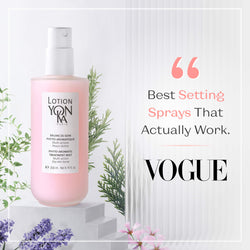
After cleansing, it is vital to rebalance and prepare the skin for treatment. Our signature Lotion Yon-Ka PS is much more than a toner. This alcohol-free mist features our iconic Quintessence—an exclusive complex of lavender, geranium, rosemary, cypress, and thyme essential oils. It provides immediate refreshment and helps subsequent products absorb more effectively.
Step 3: Gentle Exfoliation (Without the Grains)
It is tempting to try and "scrub away" the flakes with a harsh physical exfoliant. However, on dry skin, large grains or beads can cause micro-tears and further damage the barrier. We recommend a grain-free approach with Gommage Yon-Ka. This plant-based "peel" uses carob and lime to gently lift away dead skin cells without irritation, leaving the skin looking smooth and hydrated.
Step 4: Targeted Hydration and Nourishment
Once the surface is smooth, you must replenish both water and oil.
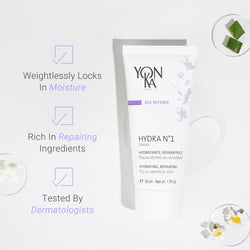
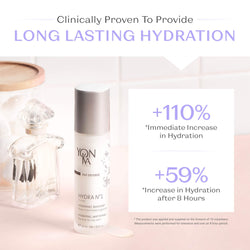
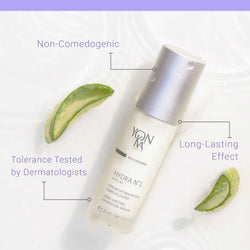
- For Dehydration: Look for products rich in hyaluronic acid, a molecule that can hold up to 1,000 times its weight in water. Our Hydra n°1 Creme is an excellent choice for providing long-lasting, deep hydration.
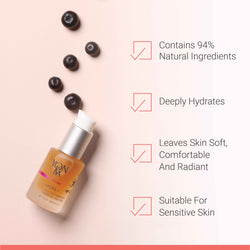
- For Dryness/Lipid Loss: If your skin feels tight and looks parched, a booster can provide the necessary nourishment. Adding a few drops of Booster Nutri + to your daily moisturizer provides a concentrated dose of vitamins and oils to repair the appearance of the barrier.
Note: When introducing new products containing active botanical extracts or essential oils, we always recommend a patch test. Apply a small amount to your inner forearm and wait 24 hours to ensure your skin responds beautifully to the formula.
Essential Ingredients for Smoothing Flaky Skin
When reading skincare labels, look for ingredients that mimic the skin’s natural composition or provide intense moisture.
- Hyaluronic Acid: A humectant that draws moisture from the air into the skin.
- Ceramides: Lipid molecules that help restore the "mortar" of the skin barrier.
- Glycerin: A classic, reliable humectant that prevents dryness.
- Squalane: A plant-derived oil that mimics human sebum, providing non-greasy nourishment.
- Vitamin E (Tocopherol): A powerful antioxidant that helps protect the skin from environmental damage.
- Aloe Vera: Known for its soothing and hydrating properties, perfect for calming irritated dry patches.
If you enjoy learning how Yon-Ka builds formulas around plant science, you may also want to read our formulation philosophy.
Lifestyle Habits for a Hydrated Complexion
Skincare is only one part of the equation. To truly address dry, flaky skin, consider how your daily habits affect your body’s hydration levels.
- Use a Humidifier: Especially in the bedroom during winter months, a humidifier adds moisture back into the air, preventing the "wicking" of water from your face while you sleep.
- Lower the Temp: Switch to lukewarm water for washing your face and body. If your skin looks red after a shower, the water is too hot.
- Stay Hydrated from Within: While drinking water isn't a direct "cure" for dry skin, systemic dehydration can make your skin appear more dull and less resilient.
- Eat Healthy Fats: Incorporating omega-3 fatty acids (found in salmon, walnuts, and flaxseeds) into your diet can help support your skin's natural oil production from the inside out.
| Strategy | Action | Benefit |
|---|---|---|
| Cleansing | Switch to a milk or oil-based cleanser | Preserves natural oils and prevents stripping. |
| Environment | Use a humidifier at 50-60% | Reduces transepidermal water loss (TEWL). |
| Exfoliation | Use grain-free peels | Removes flakes without causing irritation. |
| Bathing | Limit showers to 5-10 minutes | Prevents the dissolution of the lipid barrier. |
When to Consult a Dermatologist
While most cases of dry, flaky skin can be managed with a proper ritual and lifestyle changes, sometimes flaking is a symptom of an underlying medical condition. If you experience persistent redness, intense itching, swelling, or if the skin begins to crack and bleed, it is time to see a professional.
Conditions such as atopic dermatitis (eczema), seborrheic dermatitis, or psoriasis require a medical diagnosis and may need prescription-strength topical treatments. A dermatologist can help you distinguish between simple dryness and a condition that requires medical intervention. If you prefer a professional skincare consultation, you can also find a Yon-Ka spa near you.
Conclusion
Managing dry, flaky skin is about more than just applying a heavy cream; it is about restoring the delicate balance of your skin’s ecosystem. By choosing gentle cleansers, incorporating phyto-aromatic mists, and layering hydration with targeted treatments, you can transform a rough, dull complexion into one that looks healthy and radiant.
- Identify the cause: Determine if your skin is truly dry (lacking oil) or just dehydrated (lacking water).
- Respect the barrier: Stop using harsh soaps and hot water that strip your natural protection.
- Layer your care: Use mists like Lotion Yon-Ka and boosters like Nutri + to provide a comprehensive solution.
"Skincare is a ritual worth savoring. It is an act of self-care that combines the power of nature with the wisdom of professional expertise to reveal your most luminous self."
To find the perfect products for your specific needs, we invite you to take our Skin Diagnosis quiz or use the Product Matcher on our website. You can also find a local spa through our Spa Locator to experience a professional Yon-Ka treatment tailored to your skin’s unique concerns. For a deeper look at the brand’s heritage and care philosophy, explore our story and our treatment rituals. For over 70 years, Yon-Ka Paris has remained dedicated to the belief that every person deserves a skincare ritual that is as effective as it is sensorial.
FAQ
How long does it take for dry, flaky skin to heal?
With a consistent, barrier-respecting ritual, you may see an improvement in the appearance of flakiness within 7 to 14 days. However, full restoration of the skin barrier can take up to a month, as that is the average time for a complete cycle of skin cell renewal. If you want a richer at-home option, browse our face masks.
Can I use retinol if my skin is flaky?
If your skin is currently experiencing active flaking or irritation, it is usually best to pause the use of potent actives like retinol or strong AHAs. Once your skin feels comfortable and hydrated again, you can slowly reintroduce these products, starting once or twice a week to avoid further dryness. For more guidance, you can review our FAQs.
Why is my face dry even though I drink a lot of water?
Drinking water is essential for your overall health, but it does not always translate directly to skin hydration if your topical barrier is compromised. If your skin's "seal" is broken due to harsh weather or stripping products, the water you consume will simply evaporate through the skin, leaving the surface dry.
Is it okay to peel off the flakes on my face?
No, you should never pick or peel off flakes with your fingers or tweezers, as this can pull away healthy skin cells that aren't ready to shed, leading to raw spots and potential scarring. Instead, use a gentle grain-free exfoliator like Gommage Yon-Ka to lift the flakes away safely.