Table of Contents
- Introduction
- Understanding the Difference: Dry vs. Dehydrated Skin
- The Three Pillars of a Great Moisturizer
- Why Cream Textures Triumph Over Lotions
- The Role of Phyto-Aromatic Science
- Selecting Your Specific Dry Skin Ritual
- Step-by-Step: How to Properly Moisturize Dry Skin
- Environmental and Lifestyle Factors
- Common Myths About Moisturizing Dry Skin
- When to See a Professional
- Conclusion
- FAQ
Introduction
The sensation of dry skin is more than a minor inconvenience; it is a persistent feeling of tightness, rough texture, and visible flakiness that can distract from your day. When your skin loses its natural suppleness, it is often a signal that your moisture barrier—the protective outer layer of your complexion—is struggling to retain hydration. Finding the right solution requires moving beyond a "one-size-fits-all" approach to understand how different formulas interact with your biology. At Yon-Ka Paris, we believe that restoring comfort to dry skin is a ritual of replenishment rooted in the power of nature and pharmaceutical rigor. This article explores the specific types of moisturizers best suited for dry skin, the essential ingredients to look for, and how to build a routine that transforms a parched complexion into one that looks radiant and feels deeply nourished.
Quick Answer: The best type of moisturizer for dry skin is a rich, lipid-replenishing cream that combines humectants like hyaluronic acid with emollients such as shea butter and ceramides. These formulas not only draw moisture into the skin but also seal the barrier to prevent water loss and soothe irritation.
Understanding the Difference: Dry vs. Dehydrated Skin
Before selecting a product, it is vital to understand why your skin feels parched. In the skincare world, "dry" and "dehydrated" are often used interchangeably, but they represent two distinct physiological states. Knowing which one you are experiencing will dictate which type of moisturizer is best for your needs.
Dry skin is a skin type characterized by a lack of oil (lipids). Your sebaceous glands do not produce enough natural sebum to keep the skin lubricated. This often results in a dull appearance, visible flakes, and a texture that feels rough to the touch. Because it is a skin type, it is usually a lifelong condition influenced by genetics, though it can become more pronounced as we age.
Dehydrated skin is a temporary skin condition caused by a lack of water. It can affect any skin type, including oily and combination skin. Dehydrated skin often looks "crepey," showing fine lines more prominently, and may feel tight even if there is oil on the surface. Factors like climate, caffeine intake, and air conditioning are common culprits.
Key Takeaway: Dry skin lacks oil, while dehydrated skin lacks water. Most people with chronically dry skin suffer from both, requiring a moisturizer that replenishes both oil and water to restore the skin’s appearance. If you want a deeper dive into this distinction, our guide to dry and dehydrated skin explains how to match texture to concern.
The Three Pillars of a Great Moisturizer
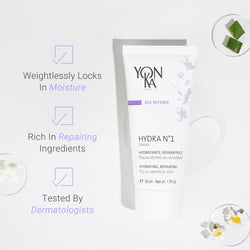
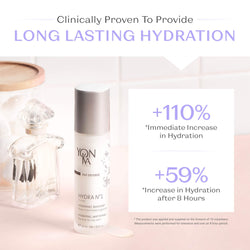
When analyzing which type of moisturizer is best for dry skin, dermatologists and skincare experts look for a balance of three specific categories of ingredients. A high-quality moisturizer, such as our Hydra n°1 Crème, utilizes this trinity to provide comprehensive care.
Humectants: The Water-Seekers
Humectants are ingredients that act like sponges. They attract water molecules from the air and from the deeper layers of the skin (the dermis) to the surface layer (the epidermis). This provides an immediate "plumping" effect and alleviates the feeling of tightness.
Common humectants include:
- Hyaluronic Acid: A molecule naturally found in the skin that can hold up to 1,000 times its weight in water.
- Glycerin: A classic, highly effective humectant that supports the skin’s natural moisturizing factor.
- Urea: A compound that both hydrates and gently softens the appearance of rough, dead skin cells.
For a broader look at what makes hydrating formulas work, explore our article on hyaluronic acid benefits.
Emollients: The Smoothers
If your skin has "potholes" or cracks due to dryness, emollients are the "asphalt" that fills them in. These are lipids and oils that sit in the spaces between skin cells, smoothing the surface and making the skin feel soft and flexible.
Common emollients include:
- Ceramides: Waxy lipid molecules that make up about 50% of the skin’s natural barrier.
- Squalane: A stable version of squalene, a lipid naturally found in human sebum.
- Plant Oils: Such as grape seed oil or hazelnut oil, which provide essential fatty acids.
Occlusives: The Protectors
Occlusives are the final layer of defense. They create a physical barrier on the surface of the skin to prevent transepidermal water loss (TEWL)—the process where moisture evaporates into the environment. This is especially critical in cold or dry climates.
Common occlusives include:
- Shea Butter: A rich, botanical butter that provides intense nourishment.
- Beeswax: A natural wax that seals in moisture without clogging pores.
- Dimethicone: A breathable silicone that creates a silky finish and protects the barrier.
Why Cream Textures Triumph Over Lotions
If you are struggling with dry skin, the texture of your product matters just as much as the ingredient list. Generally, moisturizers are classified as gels, lotions, creams, or ointments.
For those with dry skin, creams and balms are the superior choice. Lotions typically have a high water content and a significant amount of alcohol to help them absorb quickly. While this feels light on the skin, the water and alcohol can evaporate quickly, sometimes leaving dry skin feeling even thirstier than before.
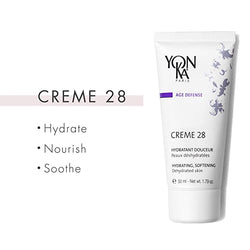
Creams are formulated with a higher ratio of oil to water. This heavier consistency allows the product to linger on the skin longer, providing a sustained release of hydration and a more robust protective seal. In professional spa settings, we often use rich creams like Crème 28 to rescue skin that has been compromised by harsh weather or environmental stressors.
Note: While creams are excellent for the face, very dry areas like the elbows and heels may require an ointment or a thick body butter for maximum protection.
The Role of Phyto-Aromatic Science
At Yon-Ka, our approach to moisturizing dry skin involves more than just basic hydration; we utilize phyto-aromatic therapy to revitalize the skin's appearance. The foundation of our formulas is the Quintessence, an exclusive complex of five essential oils: lavender, geranium, rosemary, cypress, and thyme.
These botanical actives do more than provide a beautiful scent; they support the skin’s natural functions. For example, rosemary helps to firm the appearance of the skin, while lavender offers a soothing effect that is essential for dry skin prone to redness. When these are combined with modern actives like hyaluronic acid, the result is a sophisticated moisturizer that addresses both the physical and sensorial needs of dry skin. To learn more about the philosophy behind our formulas, visit Our Formulas.
Selecting Your Specific Dry Skin Ritual
Choosing the best moisturizer is easier when you match the product to your specific lifestyle and skin concerns. Here is how we recommend structuring your selection:
For Intense Hydration and Repair
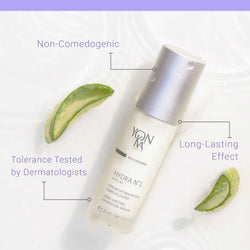
If your skin feels tight and looks dull, you need a high-performance formula that focuses on moisture retention. Hydra n°1 Crème is designed specifically for this. It contains two forms of hyaluronic acid to hydrate different layers of the skin, along with shea butter and hazelnut oil to rebuild the lipid barrier. It is an ideal "daily driver" for those with chronically dry skin.
For Lipid Replenishment and Comfort
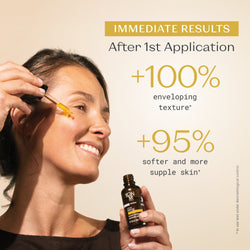
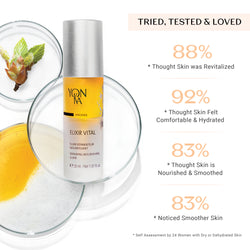
Sometimes, dry skin feels "thin" or fragile. This is often a sign of lipid depletion. In this case, adding a facial oil or a lipid-rich serum can be transformative. Serum Omega is a "sos" treatment for very dry skin, packed with omega 3, 6, and 9 fatty acids. These essential fats help to reinforce the skin’s structure, making it look more resilient and supple.
For Overnight Recovery
The skin's natural repair processes peak while you sleep. A richer night cream, such as Elastine Nuit, can help support this cycle. By providing a concentrated dose of peptides and soy proteins, these formulas help the appearance of fine lines that often plague dry skin types.
For Targeted Areas
The skin around the eyes is significantly thinner than the rest of the face and lacks oil glands, making it the first place to show dryness. A targeted treatment like Phyto-Contour uses rosemary to depuff and hydrate this delicate zone, ensuring your entire face looks refreshed.
Step-by-Step: How to Properly Moisturize Dry Skin
Application technique can significantly impact how well your skin absorbs your chosen moisturizer. Follow these steps to ensure you are getting the most out of your Yon-Ka ritual.
- Cleanse with Care: Use a creamy cleanser like Lait Nettoyant. This gentle milk removes impurities without stripping the natural oils your skin so desperately needs.
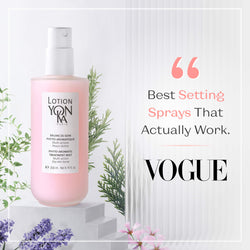
- Mist While Damp: Never apply moisturizer to bone-dry skin. Use a mist like Lotion Yon-Ka PS immediately after cleansing. This prepares the skin and acts as a "carrier" for your cream.
- Apply Targeted Treatments: If you use a serum or booster, apply it now. For extra nourishment, you might add 2–3 pumps of Nutri+ Booster into your palm.
- Press, Don't Rub: Warm your moisturizer between your fingertips. Instead of rubbing vigorously, which can irritate dry skin, gently press and roll the cream into your face and neck.
- Don't Forget the Neck: The skin on your neck and décolleté is also prone to dryness and aging. Extend your moisturizing steps downward.
Note: We always recommend a patch test when introducing new botanical products. Apply a small amount to your inner forearm and wait 24 hours to ensure your skin enjoys the essential oils and active ingredients.
Environmental and Lifestyle Factors
Even the best moisturizer will struggle to keep up if your environment is working against you. To support your skincare ritual, consider these lifestyle adjustments:
- Humidity Matters: During the winter, indoor heating strips moisture from the air. Using a humidifier in your bedroom can prevent your skin from drying out overnight.
- Water Temperature: While a hot shower feels relaxing, it is one of the quickest ways to damage your skin barrier. Use lukewarm water for both your face and body.
- Sun Protection: Sun damage can dry out the skin and damage collagen. Always finish your morning routine with sun protection, even if your moisturizer already contains a light SPF.
- Dietary Hydration: While drinking water won't "cure" dry skin, staying hydrated from within and consuming healthy fats (like avocados and walnuts) supports your overall skin health.
Common Myths About Moisturizing Dry Skin
Myth: "If I have dry skin, I should exfoliate the flakes away every day." Fact: Over-exfoliating dry skin can cause micro-tears and further damage the barrier. Instead, use a gentle, grain-free exfoliator like Gommage Yon-Ka once or twice a week to remove dead cells without irritation.
Myth: "Oils are enough to moisturize dry skin." Fact: Oils provide emollients and occlusives, but they do not contain water. For the best results, you must use a water-based cream or serum (humectant) underneath your oil to ensure the skin is both hydrated and nourished.
If you want a routine built around gentle renewal, our exfoliation guide is a helpful companion to this step.
When to See a Professional
While most dryness can be managed with a consistent at-home ritual and high-quality products, some conditions require expert intervention. If your skin is persistently red, painful, bleeding, or if you suspect you may have eczema or psoriasis, we recommend consulting a dermatologist.
For those looking to take their results to the next level, a professional facial can provide deep hydration that is difficult to achieve at home. Our partner spas worldwide use specialized techniques and professional-grade concentrations of Yon-Ka products to transform the skin. You can use our Spa Locator to find a professional treatment center near you, or start with our skin diagnosis quiz to narrow your routine before you book.
Conclusion
Finding which type of moisturizer is best for dry skin is a journey toward understanding your skin's unique language. By choosing rich, cream-based formulas that balance humectants, emollients, and occlusives, you can move past the discomfort of tightness and flakiness. The key to lasting radiance is consistency—honoring your skin each morning and evening with a ritual that protects its delicate barrier.
At Yon-Ka Paris, we remain dedicated to the belief that skincare is a moment of wellbeing, crafted from 70 years of phyto-aromatic expertise. Our formulas are designed not just to sit on the surface, but to harmonize with your skin’s natural rhythm. If you are still unsure which specific products are right for your dry skin, we invite you to explore our face moisturizers or use our Product Matcher on the website.
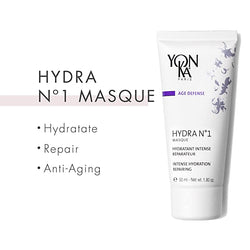
To begin your journey toward a more hydrated complexion, explore our Hydra n°1 collection or our range of nourishing boosters. Your skin has the potential to look its best at every age; it simply needs the right botanical support to thrive.
FAQ
Is a lotion or a cream better for extremely dry skin?
A cream is almost always better for extremely dry skin because it has a higher oil content and a thicker consistency than a lotion. This allows it to stay on the skin longer, providing a more effective barrier against moisture loss and delivering deeper nourishment to the parched epidermis.
Should I apply moisturizer to wet or dry skin?
Moisturizer should be applied to damp skin. Applying your cream immediately after cleansing and misting—while the skin is still slightly moist—helps to trap that water on the surface and significantly improves the absorption of the product’s active ingredients.
What ingredients should I avoid if my skin is very dry?
If you have very dry skin, try to avoid products with high concentrations of denatured alcohol, which can further strip the skin of its natural oils. Additionally, be cautious with harsh physical scrubs and high-strength acids until your moisture barrier is fully repaired and resilient.
Can I use a facial oil instead of a moisturizer?
A facial oil can be a wonderful addition to a dry skin routine, but it usually shouldn't replace a moisturizer entirely. Oils are emollients and occlusives, meaning they soften and seal, but they don't provide the water-binding humectants (like hyaluronic acid) found in creams that are necessary to fully hydrate the skin.