Table of Contents
- Introduction
- Understanding the Difference Between Dry and Dehydrated Skin
- Key Ingredients to Look For
- The Phyto-Aromatic Approach to Dryness
- Building a Ritual: What to Use Daily
- Weekly Intensive Care
- Common Causes of Facial Dryness to Avoid
- Lifestyle Adjustments for Supple Skin
- Professional Spa Treatments
- When to See a Professional
- Conclusion
- FAQ
Introduction
The sensation of dry skin is often more than a cosmetic annoyance; it is a physical experience of tightness, stinging, and a visible loss of that healthy, youthful glow. Whether you are dealing with seasonal flakiness or a lifelong struggle with a parched complexion, finding the right ritual is the key to restoring comfort. At Yon-Ka Paris, we believe that addressing dry skin requires a symphony of botanical science and consistent, layered care. This article will explore exactly what you can use to nourish your skin, the specific ingredients that make a difference, and how to build a routine that transforms your appearance from dull to radiant. By understanding the unique needs of your moisture barrier, you can move toward a more resilient and supple complexion.
Quick Answer: To address dry skin on your face, use a combination of humectants like hyaluronic acid to draw in water and emollients like botanical oils to seal it in. A consistent ritual involving a gentle milk cleanser, a phyto-aromatic mist, and a lipid-rich moisturizer is essential for restoring the skin's barrier.
Understanding the Difference Between Dry and Dehydrated Skin
Before deciding what to use, it is vital to distinguish between two conditions that are often confused: dry skin and dehydrated skin. While they may feel similar, they require different approaches.
Dry skin is a skin type. It occurs when your skin lacks natural oils, or lipids. People with this skin type often have smaller pores and may experience persistent flaking or a rough texture because their sebaceous glands do not produce enough sebum to keep the surface lubricated.
Dehydrated skin, on the other hand, is a temporary condition that can affect any skin type—even oily skin. It occurs when the skin lacks water. This can be caused by environmental factors, lifestyle choices, or using products that are too harsh, leading to a "tight" feeling despite surface oil. If you want a deeper breakdown, our dry vs. dehydrated skin guide explains the difference in more detail.
Most people experiencing significant discomfort are dealing with a combination of both. To effectively treat the face, you must use products that provide both oil (lipid-restoration) and water (hydration).
Key Ingredients to Look For
When browsing for solutions, the ingredient list is your most powerful tool. Look for these high-performance botanical and clinical actives that are designed to support the skin’s appearance. For a closer look at how we formulate, see our ingredients.
Humectants: The Water-Magnets
Humectants are ingredients that attract water from the atmosphere or the deeper layers of the skin into the epidermis (the top layer).
- Hyaluronic Acid: A superstar molecule that can hold up to 1,000 times its weight in water. It helps the skin look plumped and smooth.
- Glycerin: A classic, reliable humectant that supports the skin's moisture balance and helps prevent irritation.
- Aloe Vera: Known for its soothing properties, it provides immediate, lightweight hydration.
Emollients and Occlusives: The Barrier-Builders
Once you have pulled water into the skin, you must prevent it from evaporating—a process known as Transepidermal Water Loss (TEWL).
- Squalane: A plant-derived lipid that mimics the skin's natural sebum, making it incredibly biocompatible and nourishing.
- Jojoba Oil: This botanical oil is technically a liquid wax that helps reinforce the skin's protective film.
- Shea Butter: A rich emollient that smooths the appearance of dry patches and provides a protective cushion.
- Ceramides: These are fatty acids (lipids) that act like the "glue" holding your skin cells together, keeping the barrier strong and intact.
The Phyto-Aromatic Approach to Dryness
At Yon-Ka, our philosophy centers on the power of plants and essential oils. We use the Quintessence, an exclusive complex of five essential oils—lavender, geranium, rosemary, cypress, and thyme—to provide a holistic experience. You can learn more about this approach in our brand story and our formulation philosophy.
For dry skin, this aromatic foundation does more than just smell wonderful. Lavender and geranium help soothe the appearance of redness and irritation, while rosemary and cypress support a revitalized look. When these are combined with modern hydrating actives, the result is a treatment that feels like a professional spa experience in your own home.
Note: Because our formulas contain active essential oils, we always recommend a patch test when introducing a new product. Apply a small amount to your inner forearm and wait 24 hours to ensure your skin is comfortable. A slight, brief tingling can be normal, but if you experience persistent redness, reduce your usage or consult a professional.
Building a Ritual: What to Use Daily
To truly address facial dryness, you cannot rely on a single "miracle" cream. The secret lies in a consistent, layered ritual that respects the skin barrier at every step.
Step 1: Gentle, Barrier-Respecting Cleansing
The biggest mistake many people make is using a foaming or "squeaky clean" cleanser that strips away the very oils the skin is desperate to keep. Instead, use a milk-based cleanser like Lait Nettoyant.
This creamy milk gently lifts away impurities and makeup while maintaining the skin's delicate pH balance. It leaves the skin feeling soft and refreshed rather than tight. For the best results, massage it into dry skin and rinse with lukewarm—never hot—water.
Step 2: Prepare with a Phyto-Aromatic Mist
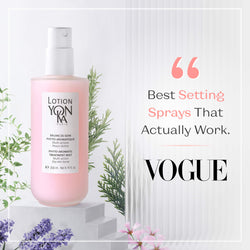
After cleansing, skip the harsh, alcohol-based toners. Instead, use a hydrating mist like Lotion Yon-Ka PS.
This alcohol-free mist is specifically formulated for dry and sensitive skin. It features the Quintessence and vegetable glycerin to immediately drench the skin in moisture. Misting the face prepares it to better absorb the serums and creams that follow.
Step 3: Targeted Treatment with Serums
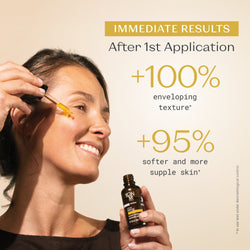
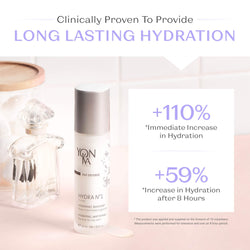
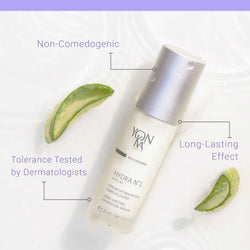
A serum is where you can deliver concentrated actives. For extreme dryness or dehydration, we recommend the Hydra n°1 Serum.
This long-lasting, intense hydration booster is formulated with two different molecular weights of hyaluronic acid and silicon to help the skin look visible fuller and more hydrated. If your skin feels particularly "thirsty" or depleted, adding a few drops of Nutri + Booster to your moisturizer can provide a vitalizing dose of antioxidant oils.
Step 4: Moisturize and Protect
The final step in your daily routine is a moisturizer that seals everything in.
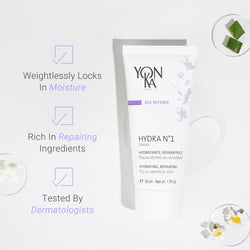
- Hydra n°1 Crème: Ideal for very dry skin, this cream provides a comforting "cocoon" effect. It uses shea butter, hazelnut oil, and grape seed oil to repair the look of the skin's barrier.
- Serum Omega: If your skin is significantly lipid-deficient (showing fine lines and a dull texture), this oil-in-serum provides essential fatty acids from sea buckthorn and pomegranate to restore the appearance of elasticity.
Key Takeaway: Dry skin treatment is about layering. Start with a milk cleanser, follow with a hydrating mist, apply a hyaluronic acid serum, and finish with a lipid-rich cream to lock in moisture and prevent evaporation.
Weekly Intensive Care
Sometimes, daily moisturizing isn't enough to combat environmental stressors like winter weather or air conditioning. Incorporating a weekly intensive treatment can significantly boost your skin's resilience. If you want more product ideas, our best moisturizers for dry, dehydrated skin can help you compare options.
The Power of Hydrating Masks
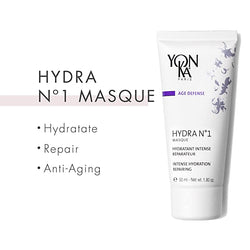
A high-quality mask can deliver a "re-hydration" surge that lasts for days. Hydra n°1 Masque is a cult favorite for a reason. This gel-cream mask can be applied once or twice a week.
For those with severely dry skin, you can even apply a thin layer of this mask before bed and leave it on overnight. You will wake up to skin that looks smoother, calmer, and more luminous.
Gentle Exfoliation
It may seem counterintuitive to exfoliate dry skin, but removing the buildup of dead skin cells is essential. If you don't exfoliate, your moisturizers will just sit on top of dead scales rather than reaching the living tissue.
However, avoid harsh physical scrubs. Instead, use a gentle, grain-free exfoliator like Gommage Yon-Ka. This plant-based "peel" uses carob and lime essential oil to clarify the complexion without any irritation or abrasive rubbing.
Common Causes of Facial Dryness to Avoid
Understanding what to use is only half the battle; you must also know what to avoid. Many external factors can sabotage your efforts to maintain a healthy glow.
| Factor | Impact on Dry Skin | Solution |
|---|---|---|
| Hot Water | Strips natural oils and damages the lipid barrier. | Use lukewarm water for all facial washing. |
| Harsh Surfactants | Ingredients like SLS can cause micro-tears and irritation. | Switch to soap-free, creamy cleansers. |
| Dry Indoor Air | Low humidity pulls moisture out of the skin. | Use a humidifier in your bedroom at night. |
| UV Exposure | Damages skin structure and accelerates aging/dryness. | Always apply broad-spectrum SPF every morning. |
Lifestyle Adjustments for Supple Skin
Skincare is a holistic endeavor. While what you apply topically is paramount, your lifestyle choices support your skin's ability to retain moisture from the inside out.
- Hydrate Internally: While drinking water won't "cure" a dry skin type, chronic dehydration will certainly make your skin look more sallow and less plump. Aim for consistent water intake throughout the day.
- Healthy Fats: Incorporate foods rich in Omega-3 fatty acids, such as walnuts, flaxseeds, and fatty fish. These help support your body's natural lipid production.
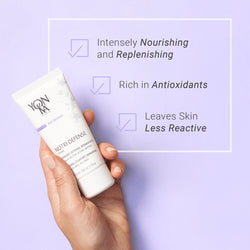
- Protect from Wind: In cold climates, the wind can be just as damaging as the sun. Use a scarf to cover the lower half of your face when outdoors and apply a protective barrier cream like Vital Defense to shield against environmental pollutants.
Professional Spa Treatments
If your skin remains stubbornly dry despite your home efforts, it may be time for professional intervention. Estheticians have access to advanced tools and higher-concentration formulas that can reset your skin's moisture levels. For a better sense of the in-spa experience, explore our rituals or Hydralessence Treatment.
A Yon-Ka professional treatment, such as the Hydralessence facial, is designed to provide deep-tissue hydration. These treatments often include specialized massage techniques and professional-only masks that infuse the skin with long-lasting moisture. You can find a certified partner near you by using our Spa Locator.
When to See a Professional
While most facial dryness can be managed with a proper ritual, some conditions require the expertise of a medical professional. If your skin is:
- Persistently red, inflamed, or painful.
- Cracking to the point of bleeding.
- Showing signs of a chronic condition like eczema or psoriasis.
- Developing sudden, unexplained patches that do not respond to moisturizing.
In these cases, we strongly advise consulting a dermatologist or primary care physician. They can help rule out underlying medical issues or prescribe topical medications that work in tandem with your cosmetic routine.
Conclusion
Addressing dry skin on your face is a journey of consistency and choosing the right botanical allies. By moving away from harsh, stripping products and embracing a ritual that prioritizes barrier repair and deep hydration, you can restore the comfort and radiance your skin deserves. Remember that your skin is a living organ that responds to the environment, your lifestyle, and the care you provide. Whether you are using the soothing Lait Nettoyant to start your day or ending it with the intensive Hydra n°1 Masque, every step is an investment in your long-term skin health.
"Skincare is not just a routine; it is a moment of reconnection with yourself. By using the best of what nature and science provide, you aren't just moisturizing your face—you are nourishing your well-being."
If you are unsure which specific products are right for your unique needs, we invite you to take our Skin Diagnosis quiz or use our Product Matcher. Both tools are designed to help you build a personalized program based on our 70 years of phyto-aromatic expertise. At Yon-Ka Paris, we remain dedicated to the belief that every person deserves a skincare ritual that is as effective as it is sensorial, rooted in the timeless power of plants.
FAQ
What are the best ingredients for very dry skin on the face?
Look for a combination of humectants like hyaluronic acid and glycerin to attract water, and rich emollients like shea butter, squalane, and ceramides to seal that moisture in. Botanical oils, such as those found in our Serum Omega, are also excellent for restoring the lipid barrier in naturally dry skin types.
How often should I moisturize if my face is always dry?
You should moisturize at least twice daily, immediately after cleansing and misting while the skin is still slightly damp. During particularly dry seasons or if you are in a climate with low humidity, you may find it helpful to re-apply a lightweight moisturizer or a hydrating mist like Lotion Yon-Ka PS throughout the day.
Is it okay to exfoliate if my skin is flaky and dry?
Yes, but you must be extremely gentle. Avoid abrasive scrubs that can cause micro-tears in an already weakened barrier. Instead, use a grain-free, botanical exfoliator like Gommage Yon-Ka once or twice a week to remove dead skin cells, allowing your hydrating serums and creams to penetrate more effectively.
Can I use a face mist to help with dryness?
Absolutely. A phyto-aromatic mist like Lotion Yon-Ka PS is an essential step for dry skin. It provides an immediate layer of hydration and helps the skin better absorb subsequent products. For best results, mist your face before applying your serum and moisturizer to "lock in" the dampness.