Table of Contents
- Introduction
- Understanding the Physiology of Dry Skin
- The Chemistry of Texture: Gel vs. Cream
- Why Cream is Generally Better for Dry Skin
- The Role of Dehydration and When Gels Might Fit
- The Phyto-Aromatic Difference in Moisturizing
- Building a Ritual for Dry Skin
- Comparing Gel and Cream Moisturizers
- Seasonal Adjustments for Dry Skin
- Common Myths About Moisturizing Dry Skin
- Selecting the Right Yon-Ka Formula
- Conclusion
- FAQ
Introduction
Finding the perfect moisturizer often feels like a quest for the skincare "Goldilocks" moment—you want a formula that isn't too heavy, isn't too light, but provides exactly the right amount of lasting comfort. For those with dry skin, this search is particularly vital, as the wrong texture can leave your complexion feeling tight, flaky, or dull just hours after application. At Yon-Ka Paris, we believe that true skin health comes from understanding the unique needs of your barrier and selecting botanical formulas that respect its natural rhythm. In this guide, we will explore the fundamental differences between gel and cream textures and determine which is most effective for a dry skin type. By the end, you will understand how to build a ritual that restores radiance and suppleness to your skin.
Understanding the Physiology of Dry Skin
To decide whether a gel or cream is better for your needs, it is helpful to first understand what is happening beneath the surface. Dry skin is officially categorized as a skin type that lacks oil, or sebum. This is distinct from dehydrated skin, which is a temporary condition where the skin lacks water. While they may feel similar, true dry skin requires a specific approach to restore its lipid levels.
The outermost layer of your skin, the stratum corneum, acts as a protective shield. In a healthy state, it is held together by a "mortar" of lipids—natural fats like ceramides, cholesterol, and fatty acids. For those with dry skin, the body does not produce enough of these lipids. This creates microscopic gaps in the skin's barrier, allowing moisture to escape through a process called transepidermal water loss (TEWL) and leaving the skin vulnerable to environmental irritants.
When the barrier is compromised, skin may look rough, show fine lines more prominently, or feel persistently tight. Addressing this requires more than just a quick splash of hydration; it requires a formula that can both deliver water to the cells and provide the physical "seal" necessary to keep that water from evaporating.
The Chemistry of Texture: Gel vs. Cream
The primary difference between these two popular moisturizers lies in their formulation base and the ratio of water to oil. Each texture serves a different purpose in the realm of skin health.
Gel Moisturizers: The Water-Based Heroes
Gel moisturizers are typically water-based and oil-free. They are formulated with high concentrations of humectants—ingredients that act like magnets to draw moisture into the skin. Common humectants include hyaluronic acid, glycerin, and aloe vera.
Because they lack heavy oils, gels have a lightweight, watery consistency that absorbs almost instantly. They are celebrated for their cooling sensation and weightless finish, making them a favorite for those with oily or acne-prone skin. However, because they lack occlusive ingredients (which form a protective seal), the hydration they provide can sometimes evaporate quickly if the skin's natural barrier is already weak.
Cream Moisturizers: The Lipid-Rich Emulsions
Cream moisturizers are emulsions of water and oil. They are significantly richer and more viscous than gels because they contain a higher percentage of emollients and occlusives. Emollients, such as plant oils, butters, and squalane, work to fill the gaps between skin cells, smoothing the surface and restoring softness.
Occlusives, on the other hand, provide a protective layer on the surface that physically prevents water loss. This combination of "filling" and "sealing" is what gives creams their dense, nourishing feel. For a dry skin type, this mimicry of the skin's natural lipids is essential for long-term comfort and repair.
Why Cream is Generally Better for Dry Skin
If you are dealing with a true dry skin type, a cream moisturizer is almost always the superior choice. Because dry skin lacks the natural oils necessary to maintain its own barrier, it needs the supplemental lipids found in a rich cream to stay balanced.
A cream does more than just hydrate; it provides a sense of "cushion" to the skin. While a gel might provide an immediate rush of water, it often fails to address the underlying lack of oil. Without that oil-based seal, a person with dry skin may find that their face feels dry again only thirty minutes after applying a gel.
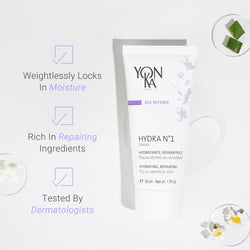
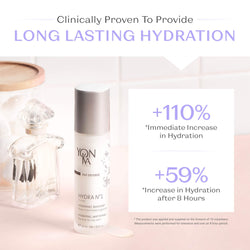
Creams like Hydra n°1 Crème are specifically designed to provide this dual-action support. By utilizing ingredients like shea butter and grape seed oil alongside hyaluronic acid, these formulas address both the water and the lipid needs of the skin. This leads to a more resilient barrier and a visible reduction in the appearance of fine lines caused by dryness.
Quick Answer: For dry skin, a cream moisturizer is the better choice. Creams contain higher concentrations of emollients and occlusives that replenish the skin's natural oils and seal in moisture, whereas gels are often too lightweight to prevent water loss in dry skin types.
The Role of Dehydration and When Gels Might Fit
It is important to note that even dry skin can experience "generation dehydration." This occurs when the skin is thirsty for water, often due to air conditioning, travel, or weather changes. In these instances, the lightweight, humectant-heavy nature of a gel can be a helpful addition to a routine, though rarely a replacement for a cream.
Some individuals with dry skin find success with a "layering" approach during particularly hot or humid months. You might choose a lighter, hybrid texture, such as a fluid or a gel-cream, for daytime use and save the heavy cream for your evening ritual.
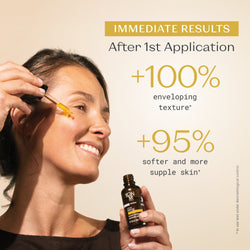
However, if your skin is flaking, red, or chronically tight, a gel will likely leave you wanting more. In the professional world of Yon-Ka, we often recommend "boosting" your cream rather than switching to a gel. Adding a few drops of a nourishing oil concentrate like Nutri + Booster into your cream can customize the level of richness to match your skin's daily needs.
The Phyto-Aromatic Difference in Moisturizing
At the heart of every Yon-Ka moisturizer is a commitment to phyto-aromatic excellence. We don't just look at texture; we look at the synergy of botanicals and essential oils to revitalize the skin's appearance.
Our foundational signature is the Quintessence—a unique complex of five essential oils: lavender, geranium, rosemary, cypress, and thyme. This 100% natural and active complex does more than just provide a sensorial experience. It helps to stabilize the formula and supports the skin's natural ability to recover. To learn more about the philosophy behind these formulas, visit our ingredients page.
When you apply a cream like Phyto 52 or Hydra n°1 Crème, you are not just putting a barrier on your skin; you are engaging in a ritual that balances the mind and body through aromachology. This holistic approach ensures that the skin doesn't just look moisturized—it looks vibrant and revitalized. You can also explore our phyto-aromatic approach for a deeper look at how Yon-Ka formulates its skincare.
Building a Ritual for Dry Skin
To get the most out of your chosen moisturizer, it must be part of a consistent, layered ritual. Applying a rich cream over dirty or unprepared skin will not yield the best results.
Step 1: Gentle Cleansing
For dry skin, avoiding harsh surfactants is critical. Use a creamy cleanser like Lait Nettoyant, which removes impurities while respecting the acid mantle. This ensures you aren't starting your routine by stripping away the very oils you are trying to replace.
Step 2: Prepare with a Phyto-Aromatic Mist
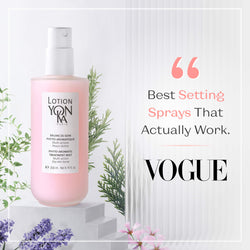
After cleansing, the skin should never be left to dry completely. Misting with Lotion Yon-Ka PS provides an immediate infusion of hydration and helps the skin better absorb the moisturizer that follows. If you want to compare mist options for your routine, our Lotion Yon-Ka PS vs. Lotion Yon-Ka PNG guide is a helpful next step.
Step 3: Target with a Serum or Booster
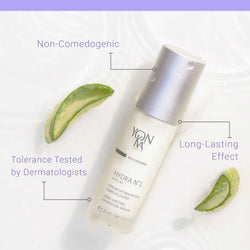
If your dryness is severe, apply a serum like Hydra N°1 Serum before your cream. This provides a deep layer of water-binding ingredients, allowing your moisturizer to focus on sealing and protecting.
Step 4: Moisturize and Protect
Apply your cream moisturizer to the face and neck using gentle, sweeping motions. For the daytime, ensure you follow this with sun protection. In the evening, this is the time to use your richest formulas, such as Élastine Nuit, to support the skin's natural nighttime repair process.
Note: When introducing a new botanical product into your ritual, we recommend a simple patch test. Apply a small amount to your inner forearm and wait 24 hours to ensure your skin is comfortable with the active essential oils.
Comparing Gel and Cream Moisturizers
| Feature | Gel Moisturizer | Cream Moisturizer |
|---|---|---|
| Base | Water-based / Oil-free | Water & Oil Emulsion |
| Texture | Lightweight, watery, clear | Rich, thick, opaque |
| Primary Goal | Instant hydration (water) | Nourishment & Sealing (oil) |
| Best Skin Type | Oily, Combination, Acne-Prone | Dry, Mature, Sensitive |
| Absorption | Very fast, no residue | Absorbs steadily, leaves a protective film |
| Common Ingredients | Hyaluronic Acid, Glycerin, Aloe | Shea Butter, Plant Oils, Ceramides |
Seasonal Adjustments for Dry Skin
The "gel or cream" debate often shifts with the seasons. Even if you have a dry skin type, the environment plays a massive role in how your moisturizer performs.
- In Winter: The combination of cold outdoor air and dry indoor heating is an assault on the skin barrier. This is the time for your most decadent creams and balms. You may even find that layering a facial oil over your cream at night provides the extra occlusive protection needed to prevent "winter itch" and flakiness.
- In Summer: Humidity can make heavy creams feel "suffocating" for some. While you should still stick to a cream-based formula, you might opt for a lighter version, such as a hydrating fluid or a "light" cream like Vital Defense. These provide the necessary lipids without the heavy weight of a winter balm.
Regardless of the season, the goal remains the same: balance. If your skin feels greasy, your cream may be too heavy or you may be using too much. If it feels tight, you likely need a richer texture or a more robust layering strategy.
Common Myths About Moisturizing Dry Skin
There are several misconceptions that can lead people with dry skin toward the wrong products. Let's clarify a few:
Myth: "A gel is better because it 'sinks in' deeper." Fact: Fast absorption doesn't always mean deep hydration. Gels often evaporate quickly, whereas the oils in a cream help carry active ingredients into the skin and keep them there by preventing evaporation.
Myth: "Drinking more water will fix dry skin." Fact: While hydration is essential for overall health, "dry" skin is a lack of oil, not just water. You cannot drink enough water to replace the missing lipids in your skin's barrier; those must be applied topically.
Myth: "I only need to moisturize when my skin feels tight." Fact: Skincare is a preventative ritual. By the time your skin feels tight, the barrier is already compromised. Consistent morning and evening application is key to maintaining a resilient complexion.
Selecting the Right Yon-Ka Formula
Every individual has a unique "skin personality." To find your perfect match, we invite you to use our Skin Diagnosis quiz or the Product Matcher tool on our website. These tools are designed to translate your concerns into a professional-level recommendation.
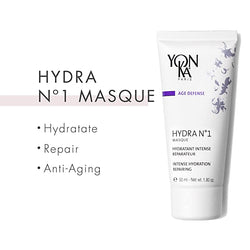
For those seeking the pinnacle of dry skin care, the Hydra n°1 collection is a wonderful place to start. It was born from our professional spa heritage, where treatments are designed to deliver visible, lasting results. If you prefer a more tailored experience, our Spa Locator can help you find a certified professional who can analyze your skin in person and recommend the exact cream or booster needed for your lifestyle. You can also explore our spa treatments for a more personalized approach.
Conclusion
When deciding if a gel or cream moisturizer is better for dry skin, the science overwhelmingly points toward the cream. Dry skin requires the lipids, emollients, and occlusive protection that only an oil-in-water emulsion can provide. While gels have their place for oily complexions or as a cooling layer for dehydration, they lack the "staying power" required to keep a dry barrier healthy and comfortable.
At Yon-Ka Paris, our heritage is built on the belief that skincare is a ritual worth savoring. Learn more about our story and the philosophy that shapes every formula. By choosing a phyto-aromatic cream that nourishes both your skin and your senses, you are doing more than just moisturizing—you are protecting your skin's future.
Key Takeaway: Dry skin thrives on lipids. Choose a rich cream moisturizer to replenish essential oils and seal in hydration, ensuring a soft, radiant, and resilient complexion.
FAQ
Can I use a gel moisturizer if I have dry skin?
You can use a gel, but it is rarely enough on its own for a dry skin type. If you love the feeling of a gel, consider using it as a "hydrating serum" layer underneath a richer cream moisturizer to ensure your skin receives both water and the lipids it needs to prevent moisture loss.
How do I know if my skin is dry or just dehydrated?
Dry skin is a skin type characterized by a lack of oil, often feeling rough, flaky, and having nearly invisible pores. Dehydrated skin is a temporary condition characterized by a lack of water, often appearing dull and feeling tight, even if there is oil or shine present on the surface.
Is it better to apply cream moisturizer to wet or dry skin?
It is best to apply moisturizer to damp skin. After cleansing and misting with a toner like Lotion Yon-Ka, apply your cream while the skin is still moist to help "trap" that extra hydration into the skin for a plumper appearance.
Why does my dry skin still feel tight after using a cream?
If your skin still feels tight, you may need a richer formula or an added booster. Your barrier might also be compromised from harsh cleansers or over-exfoliation; try switching to a gentle cleansing milk and adding a lipid-replenishing oil like Nutri + Booster to your evening routine.