Table of Contents
- Introduction
- The Science of Steam and the Skin Barrier
- The Benefits of Steaming for Dry Skin
- The Risks: When Steam Can Be Too Much
- Choosing the Right Steaming Method
- Integrating Steam into Your Phyto-Aromatic Ritual
- Essential Ingredients for Post-Steam Care
- Myth vs. Fact: Facial Steaming
- Professional Tips for the Home Esthetician
- When to Avoid Steaming
- Creating a Sustainable Ritual
- Conclusion
- FAQ
Introduction
There is something undeniably restorative about the gentle envelopment of warm mist against the face—a sensation often associated with the quiet luxury of a professional facial. For those navigating the tightness and flaking of a parched complexion, the question of whether a face steamer is good for dry skin is both practical and aspirational. At Yon-Ka Paris, we believe that every step in your skincare ritual should serve a dual purpose: visible efficacy and a moment of aromatic serenity. While steam is a staple in the treatment room, its application at home requires a nuanced understanding of skin physiology. This article explores the benefits, potential risks, and professional techniques for using steam to support dry skin. Ultimately, we will determine how to integrate this tool safely into a phyto-aromatic routine to achieve a supple, radiant glow.
The Science of Steam and the Skin Barrier
To understand if steaming is appropriate for dry skin, we must first look at how heat and moisture interact with the skin's outermost layer, the stratum corneum. Dry skin often suffers from a compromised lipid barrier, meaning it lacks the natural oils necessary to trap moisture.
Many people believe that steam "opens" pores like tiny windows. In reality, pores are fixed structures; they do not have muscles to open or close. However, steam is highly effective at softening the "plug" of sebum, dead skin cells, and environmental pollutants that can become trapped within them. For dry skin, which can often feel rough or "thickened" due to slow cell turnover, this softening effect is a significant benefit.
The warmth of the steam also triggers vasodilation, which is the widening of blood vessels. This process increases local blood flow, bringing a surge of oxygen and nutrients to the skin's surface. This can temporarily give a dull, dry complexion a more vibrant, "flushed" appearance. However, the most critical aspect for dry skin types is the increase in skin permeability. By hydrating the surface cells, steam makes the skin more receptive to the humectants and lipids found in your subsequent skincare steps.
The Benefits of Steaming for Dry Skin
When used correctly, a facial steamer can be a powerful ally for those with a dry complexion. It acts as a bridge between cleansing and deep nourishment, preparing the canvas for maximum absorption.
Enhanced Product Penetration
Dry skin can sometimes act like a parched sponge that has become hard and non-absorbent. If you apply a high-quality cream to very dry, "crusty" skin, much of the product may sit on the surface. Steam provides a burst of hydration that softens the top layer of the skin, allowing serums and moisturizers to glide deeper into the epidermis. This is particularly beneficial when using formulas rich in hyaluronic acid—a molecule that can hold up to 1,000 times its weight in water—as the steam provides the very water the hyaluronic acid needs to bind to the skin.
Improved Circulation and Radiance
Dry skin often looks dull because of poor surface circulation. The gentle heat of a steamer encourages a healthy glow by stimulating the micro-vasculature of the face. This boost in circulation helps to nourish cells from the inside out. When your blood flow is optimized, your skin appears more "plump" and energized, countering the tired look often associated with dehydration.
Softening and Gentle Exfoliation
Because dry skin often struggles with a buildup of dead cells, it can feel flaky or uneven. Steam helps to loosen the cellular "glue" that holds these dead cells to the surface. This makes the exfoliation step of your ritual much more effective and far less abrasive. For instance, using a grain-free exfoliator like Gommage Yon-Ka after a brief steam session allows the botanical enzymes to work more efficiently, revealing a smoother texture without the need for harsh scrubbing.
Key Takeaway: Facial steaming is beneficial for dry skin primarily because it increases skin permeability, allowing hydrating serums and rich moisturizers to work more effectively.
The Risks: When Steam Can Be Too Much
While the benefits are enticing, steam is not without its drawbacks, particularly for those whose skin barrier is already fragile. If overused or applied incorrectly, steam can actually transition from a "hydrator" to a "dehydrator."
Transepidermal Water Loss (TEWL)
The greatest risk for dry skin is a phenomenon known as transepidermal water loss. When you expose your skin to hot steam and then allow that water to evaporate into the air without immediately sealing it in, the evaporating water can "pull" the skin's internal moisture out with it. This leaves the skin feeling tighter and more depleted than before you started.
Barrier Disruption and Oil Depletion
Dry skin is characterized by a lack of lipids (oils). Excessive heat can strip away what little natural oil the skin has left. If the water in your steamer is too hot or if you steam for too long, you risk "melting" the essential fats that keep your skin barrier intact. This can lead to increased sensitivity, redness, and a "parched" feeling that persists long after the session.
Sensitivity and Redness
For individuals with sensitive skin or conditions like rosacea, steam can be a trigger. The same vasodilation that creates a healthy glow in some can cause persistent flushing or broken capillaries in others. If you experience chronic redness, it is often best to limit steam or avoid it entirely in favor of warm, damp compresses.
Choosing the Right Steaming Method
There are several ways to bring the steam experience into your home ritual. The method you choose should prioritize safety and temperature control.
- The Professional Facial Steamer: These devices are designed to emit a consistent, controlled mist. Look for "nano-ionic" technology, which breaks water into even smaller droplets for better penetration. These are generally safer than a bowl of boiling water because they maintain a steady, non-scorching temperature.
- The Bowl and Towel Method: A classic DIY approach. You fill a heat-safe bowl with hot (not boiling) water, lean over it, and drape a towel over your head. The challenge here is the lack of temperature control. It is vital to wait a few minutes after the water has boiled before starting to avoid steam burns.
- The Warm Compress: Perhaps the most "Yon-Ka" approach for sensitive or very dry skin. Instead of a constant flow of steam, you soak a soft cloth in warm water infused with phyto-aromatic concentrates and gently press it to the skin. This provides the benefits of warmth and moisture with a much lower risk of dehydration.
Integrating Steam into Your Phyto-Aromatic Ritual
To reap the rewards of steaming without the risks, you must view it as one piece of a larger, carefully sequenced routine. At Yon-Ka, we advocate for a ritual-based approach that respects the skin’s delicate balance.
Step 1: The Gentle Cleanse
Never steam a face that still has makeup or sunscreen on it. The heat will only help those impurities settle deeper into your pores. Begin with a gentle, barrier-respecting cleanser like Lait Nettoyant. This cleansing milk uses the power of borneol and brown algae to purify while maintaining the skin's lipid levels. Massage it in with circular motions and rinse with lukewarm water.
Step 2: The Preparatory Mist
Before beginning your steam, mist your face with Lotion Yon-Ka PS. This isn't just a "toner"; it is a phyto-aromatic healing water infused with our signature Quintessence. The lavender, geranium, rosemary, cypress, and thyme oils provide a soothing, aromatic experience that prepares the skin for the warmth to come.
Step 3: The Steam Session
Position your face approximately 6 to 10 inches away from the steam source. Keep your eyes closed and breathe deeply to enjoy the aromachological benefits. For dry skin, limit this session to 5 to 8 minutes, and do not perform it more than once a week. If the skin begins to feel uncomfortably hot or looks excessively red, stop immediately.
Step 4: The Targeted Treatment
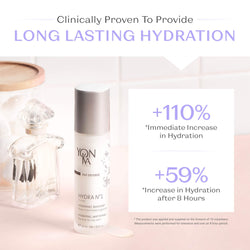
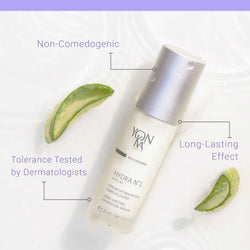
Immediately after steaming, while the skin is still damp and permeable, apply a hydrating serum. This is the "golden window" for absorption. Hydra N°1 Serum is an ideal choice, as it contains two forms of hyaluronic acid to provide both immediate and long-term hydration. By applying it now, you "trap" the moisture from the steam into the skin.
Step 5: The Protective Seal
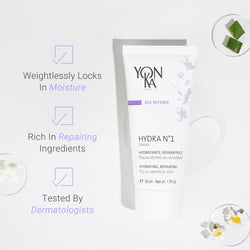
Finally, you must seal that hydration in with a lipid-rich moisturizer. For intense dryness, Hydra N°1 Crème or Serum Omega will provide the necessary fats to repair the barrier and prevent water from evaporating.
Note on Essential Oil Safety: Most Yon-Ka products contain our signature Quintessence. When introducing any new phyto-aromatic product into a routine involving heat, we recommend a patch test on the inner forearm for 24 hours. A slight, transient tingling can be a normal sign of the essential oils’ activity, but persistent redness or heat means you should reduce the frequency of use.
Essential Ingredients for Post-Steam Care
What you put on your skin after steaming is just as important as the steam itself. For dry skin, look for these specific categories of ingredients:
- Humectants: These are "moisture magnets." Ingredients like hyaluronic acid, glycerin, and aloe vera pull water into the skin. They are essential post-steam to replace any moisture lost to the air.
- Emollients: These smooth the skin's surface and fill in the gaps between skin cells. Shea butter, grape seed oil, and squalane are excellent examples found in our formulations that help dry skin feel soft and supple.
- Occlusives: These provide the final "seal." They form a protective film on the skin's surface to prevent transepidermal water loss. In a phyto-aromatic context, high-quality botanical oils like those found in Serum Omega act as natural occlusives.
- The Quintessence: Our blend of lavender, geranium, rosemary, cypress, and thyme provides more than just a scent. These oils are 100% active and work to balance, soothe, and revitalize the appearance of the skin, making the most of the increased circulation provided by the steam.
Myth vs. Fact: Facial Steaming
There is a lot of misinformation surrounding this practice. Let's clarify a few common misconceptions.
Myth: Steam opens and closes pores. Fact: Pores are not like doors. Steam softens the debris inside them, making them appear smaller once they are cleaned out, but they do not physically open or close.
Myth: You should steam every day for maximum hydration. Fact: Daily steaming will almost certainly lead to a damaged skin barrier and increased dryness. Once a week is the professional recommendation for dry skin.
Myth: The hotter the steam, the better the results. Fact: Excessive heat causes inflammation and can burn the delicate facial skin. Steam should feel like a warm summer breeze, not a boiling pot.
Professional Tips for the Home Esthetician
To elevate your home steaming practice to a professional level, consider these "insider" tips used by therapists in our 7,000 partner spas worldwide.
- Distilled Water Only: If you are using a mechanical steamer, always use distilled water. Tap water contains minerals that can buildup in the machine and, more importantly, can be drying or irritating to sensitive skin.
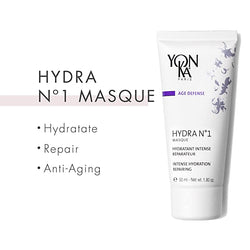
- The Double-Masking Technique: After steaming and applying your serum, apply a thick layer of Hydra N°1 Masque. The warmth from the steam will help the mask's active ingredients, like vitamin A and vitamin E, penetrate more deeply. You can even leave this mask on overnight for an intensive repair treatment.
- Post-Steam Rinse: Always rinse your face with lukewarm water after steaming if you feel that any loosened debris has surfaced. This ensures you aren't just rubbing "softened" dirt back into your pores during the treatment step.
- Stay Hydrated Internally: Steam encourages perspiration. Ensure you drink a glass of water before and after your session to support your skin's hydration from the inside out.
When to Avoid Steaming
While we advocate for the sensorial joy of a steam ritual, there are times when it is best to skip it. If you are experiencing an active flare-up of eczema or psoriasis on the face, heat can exacerbate the inflammation. Similarly, if you have a sunburn or have recently undergone a professional chemical peel or laser treatment, your skin barrier is too compromised for steam.
If you have persistent skin concerns that do not respond to at-home care, or if you notice sudden changes in your skin’s reaction to heat, we always recommend consulting a dermatologist or a physician. Skincare is a supportive tool, but medical conditions require professional diagnosis. If you want a professional next step, find a nearby treatment experience through our Spa Locator.
Creating a Sustainable Ritual
Skincare is not about "hacks" or overnight miracles; it is about the consistency of your ritual. Steaming can be a wonderful weekly addition to your self-care program, perhaps on a Sunday evening when you have the time to truly savor the process. It is a moment to disconnect from the digital world and reconnect with yourself through the power of plants and water.
At Yon-Ka, our nearly 70 years of expertise have taught us that the best results come from a balanced approach—one that combines the rigor of science with the soul of aromatherapy. Learn more about our ingredients and our formulation philosophy, where plant-based science and safety guide every product we create. Whether you are using a high-tech steamer or a simple warm cloth, the goal is to nourish your skin and your spirit.
Conclusion
A face steamer is indeed good for dry skin, provided it is used as a preparatory step rather than a standalone treatment. By softening the skin and increasing permeability, steam allows your botanical products to perform at their highest potential. However, the true "magic" happens in the steps that follow—the application of humectants to pull in moisture and lipids to seal it in. If you are unsure which products will best complement your steam ritual, we invite you to learn more about hyaluronic acid and explore our dry skin ritual guide.
At Yon-Ka Paris, we remain committed to the belief that skincare is a ritual worth savoring. Rooted in our French heritage and the power of our signature Quintessence, we strive to provide you with the tools to create a professional-grade experience in the comfort of your own home. Explore our face moisturizers collection or the face masks collection today to find the nourishing elixirs that will transform your weekly steam into a transformative skin event.
FAQ
How often should I steam my face if I have dry skin?
For those with dry or dehydrated skin, we recommend steaming no more than once per week. Over-steaming can strip the skin of its essential natural oils and lead to increased dryness or irritation through transepidermal water loss.
Should I apply my serum before or after steaming?
You should apply your serum immediately after steaming. The steam hydrates the surface of the skin and increases its permeability, creating a "golden window" where your skin is most receptive to the active ingredients in your serums and moisturizers.
Can steaming help with the appearance of wrinkles on dry skin?
Yes, indirectly. Dry skin often shows "dehydration lines" which can look like fine wrinkles. By using steam to improve the absorption of hydrating ingredients like hyaluronic acid, you can help the skin look more plump and smooth, reducing the visibility of these lines.
Is tap water okay to use in my facial steamer?
It is highly recommended to use distilled or filtered water in a facial steamer. Tap water contains minerals that can clog the device over time and may also contain chlorine or other elements that can be drying or irritating to a sensitive, dry complexion.