Table of Contents
- Introduction
- Understanding the Needs of Oily Skin
- Key Ingredients for Oily Skin DIY Scrubs
- How to Make Homemade Face Scrub for Oily Skin: 3 Recipes
- The Risks of DIY Physical Exfoliation
- Elevating Your Ritual: The Professional Alternative
- Building a Consistent Ritual for Oily Skin
- Advanced Tips for Managing Oily Skin
- The Science of Phyto-Aromatic Care
- When to See a Professional
- Conclusion
- FAQ
Introduction
Waking up to a complexion that feels slick or looks perpetually shiny can be a daily frustration for those with oily skin. While sebum is a natural and necessary oil produced by our glands to protect and hydrate the skin, an overproduction can lead to clogged pores, a dull appearance, and a rough texture. Many people look to their kitchen cabinets for a quick, natural solution to buff away this excess oil and debris. At Yon-Ka Paris, we understand the desire for a fresh, matte finish achieved through the power of nature. This guide will explore how to make homemade face scrub for oily skin using common botanical ingredients, while also explaining the science of exfoliation. We will cover safe DIY recipes, essential application techniques, and how to transition toward professional phyto-aromatic care for long-term balance.
Quick Answer: A homemade face scrub for oily skin typically combines a gentle physical exfoliant, like fine sugar or oatmeal, with an oil-absorbing or antibacterial base, such as honey or plain yogurt. These mixtures help to manually remove dead skin cells and excess sebum to improve the appearance of skin clarity.
Understanding the Needs of Oily Skin
Before reaching for the mixing bowl, it is important to understand why oily skin behaves the way it does. Oily skin, or seborrhea, occurs when the sebaceous glands produce more oil than necessary. This can be due to genetics, hormonal shifts, or even environmental factors like humidity. When this excess oil mixes with dead skin cells that haven't been properly shed, it creates a "plug" in the pore.
Exfoliation is the process of removing those dead cells from the surface. For oily skin types, this step is vital because it helps prevent the buildup that leads to blemishes and an uneven skin tone. However, there is a common misconception that "scrubbing harder" leads to cleaner skin. In reality, aggressive scrubbing can cause micro-tears in the skin barrier or trigger a "rebound effect," where the skin produces even more oil to compensate for being stripped.
The goal of a homemade scrub is to provide a gentle, mechanical lift of surface debris without disrupting the delicate acid mantle—the skin’s protective film. By choosing the right ingredients, you can support a clearer-looking complexion while maintaining the skin's essential moisture.
Key Ingredients for Oily Skin DIY Scrubs
When crafting a scrub at home, you want ingredients that offer two main benefits: mechanical exfoliation and sebum regulation. Here are some of the most effective natural components for oily-prone skin:
- Colloidal Oatmeal: Not just for dry skin, oatmeal contains natural cleansers called saponins. It absorbs excess oil while providing a soothing effect that prevents the skin from becoming irritated during the scrubbing process.
- Honey: A natural humectant that draws moisture into the skin without adding oil. It also possesses inherent antibacterial properties, which are beneficial for skin prone to occasional breakouts.
- Fine Sugar: Sugar is a source of glycolic acid (an alpha-hydroxy acid or AHA) and acts as a mild physical exfoliant. It is important to use fine-grain sugar to avoid scratching the skin.
- Plain Yogurt: Contains lactic acid, a gentle AHA that helps dissolve the "glue" holding dead skin cells together, providing a dual-action (physical and chemical) exfoliation.
- Green Tea: Packed with antioxidants, cooled green tea can be used as a liquid base to help soothe the appearance of redness and provide a refreshing sensation.
How to Make Homemade Face Scrub for Oily Skin: 3 Recipes
These recipes are designed to be used immediately. Because they do not contain preservatives, they should not be stored for more than 24 hours.
1. The Soothing Oat and Honey Scrub
This is an excellent starting point for anyone new to physical exfoliation. It focuses on absorption and calming the skin.
- Step 1: Pulse two tablespoons of rolled oats in a blender until they reach a fine, flour-like consistency.
- Step 2: Mix the oat flour with one tablespoon of raw honey and one teaspoon of warm water.
- Step 3: Stir until a thick paste forms. If it is too dry, add a few more drops of water.
- Step 4: Gently massage onto damp skin in circular motions for 60 seconds, then rinse with lukewarm water.
2. The Brightening Coffee and Yogurt Scrub
The caffeine in coffee can help the skin look more "awake" and revitalized, while the yogurt provides a very mild chemical peel effect.
- Step 1: Combine one tablespoon of finely ground coffee (unused grounds are best) with two tablespoons of plain, unsweetened yogurt.
- Step 2: Apply to the face, focusing on the T-zone (forehead, nose, and chin).
- Step 3: Let it sit for two minutes to allow the lactic acid to work, then gently massage and rinse.
3. The Purifying Sugar and Lemon Scrub
Lemon juice is a natural astringent, but it must be used with extreme caution due to its high acidity and photosensitizing properties.
- Step 1: Mix two tablespoons of fine white sugar with one tablespoon of jojoba oil. Jojoba oil is unique because its structure is very similar to human sebum, helping to "trick" the skin into producing less oil.
- Step 2: Add only 2–3 drops of fresh lemon juice. Do not overdo the lemon, as it can disrupt your skin's pH.
- Step 3: Massage very lightly and rinse thoroughly. Always apply sunscreen after using any recipe containing citrus.
Note: Before applying any homemade mixture to your face, perform a patch test. Apply a small amount to your inner forearm and wait 24 hours to ensure no redness, itching, or irritation occurs.
The Risks of DIY Physical Exfoliation
While making your own skincare can be a fun and rewarding experience, it is not without its pitfalls. Professional formulations, like those we develop at Yon-Ka, undergo rigorous testing to ensure safety, pH balance, and efficacy. Homemade scrubs lack these safeguards.
One of the primary risks is the use of irregular or sharp particles. Ingredients like crushed walnut shells, large sea salt crystals, or coarse sugar can have jagged edges under a microscope. These edges can create micro-tears in the skin, which may lead to inflammation or even bacterial entry.
Furthermore, the pH of kitchen ingredients varies wildly. For example, baking soda is highly alkaline, while lemons are highly acidic. The human skin barrier thrives at a slightly acidic pH of around 5.5. Deviating too far from this can leave the skin vulnerable to dehydration and breakouts. This is why we often recommend a professional "grainless" approach to exfoliation for those with sensitive or oily skin.
Myth: "Oily skin needs to be scrubbed every day to stay clear." Fact: Over-exfoliating can damage the skin barrier, leading to increased sensitivity and a paradoxical increase in oil production. Most oily skin types should exfoliate no more than 2–3 times per week.
Elevating Your Ritual: The Professional Alternative
If you find that homemade scrubs are too messy or leave your skin feeling slightly sensitized, it may be time to look toward professional phyto-aromatic solutions. At Yon-Ka, our heritage is rooted in the "Atelier" or the treatment room, where we developed techniques to refine the skin without aggression.
For oily and combination skin, we highly recommend Gommage Yon-Ka. This is a unique, grain-free exfoliator that acts as a 4-in-1 treatment. It clarifies, hydrates, balances, and exfoliates all at once. Instead of using rough particles to "sand" the skin, it uses botanical enzymes and carob extracts to gently lift away debris. You apply it as a thin layer, let it set slightly, and then "roll" it off with your fingertips.
This method is significantly gentler on the pores and skin barrier than a sugar or coffee scrub. It also features our signature Quintessence—an essential oil complex of lavender, geranium, rosemary, cypress, and thyme—which provides a purifying and aromatic experience that a DIY scrub simply cannot replicate.
Building a Consistent Ritual for Oily Skin
Exfoliation is only one piece of the puzzle. To truly manage oily skin and reduce the appearance of shine, you need a cohesive ritual. Our approach focuses on layering botanical actives to support the skin's natural functions.
The Foundation: Cleansing and Toning
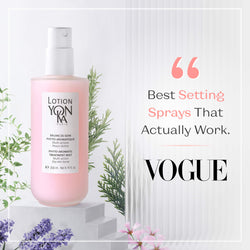
Start with a gentle cleanser like Lait Nettoyant. Even if you have oily skin, a harsh, foaming detergent can strip away too much moisture. Following your cleanse, the most critical step for oily skin is our "healing water," Lotion Yon-Ka PNG. This alcohol-free mist contains a high concentration of the Quintessence. For those with oily skin, it helps to purify the look of the skin and balance the appearance of surface oils.
The Treatment: Targeted Care
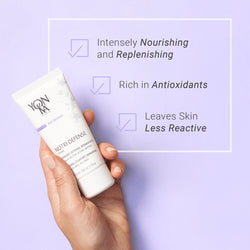
After toning, apply a treatment targeted to your specific oily skin concerns. If you are dealing with visible pores or an uneven texture, a product like Nude Perfect Fluide can be revolutionary. It acts as a complexion perfector, using a "blur" effect to minimize the look of pores and provide a long-lasting matte finish. If you are focused on anti-aging, Vital Defense provides antioxidant protection against environmental pollutants that can oxidize sebum and lead to clogged pores.
The Hydration: Don't Skip Moisturizer
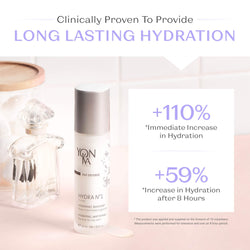
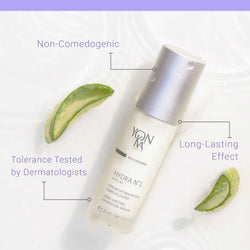
A common mistake for those with oily skin is skipping moisturizer. If the skin becomes dehydrated, it will produce more oil to compensate. Instead, use a lightweight, non-comedogenic formula. Hydra n°1 Fluide is a perfect choice, providing deep hydration with hyaluronic acid in a matte-finish texture.
Key Takeaway: Balancing oily skin is about "managing" rather than "stripping." Use gentle, oil-absorbing ingredients in your DIY scrubs, but consider transitioning to grain-free professional exfoliants like Gommage Yon-Ka to protect your skin barrier over time.
Advanced Tips for Managing Oily Skin
Beyond your weekly scrub and daily ritual, there are several lifestyle and application tips that can help keep your complexion looking balanced:
- Temperature Matters: Always rinse your face and your homemade scrubs with lukewarm water. Water that is too hot can stimulate the sebaceous glands, while cold water may not effectively dissolve the oils in your scrub or cleanser.
- Blot, Don't Rub: When drying your face after exfoliation, gently pat the skin with a clean, soft towel. Rubbing can cause unnecessary friction and irritation.
- Clean Your Tools: If you use a brush or a cloth to apply your DIY scrub, ensure it is washed thoroughly after every use. Bacteria love to grow in damp, organic environments.
- Sun Protection is Essential: Many DIY scrub ingredients, particularly lemon juice or certain essential oils, can make your skin more sensitive to the sun. Always follow your morning ritual with a broad-spectrum SPF to protect your newly exfoliated skin.
- Listen to Your Skin: If your skin feels tight, looks red, or begins to flake, you are likely exfoliating too often. Reduce the frequency of your scrub to once a week or every ten days until the skin barrier recovers.
The Science of Phyto-Aromatic Care
Yon-Ka Paris has spent over 70 years perfecting the fusion of aromatherapy and phytotherapy. While a homemade scrub uses the physical properties of a plant (like the texture of an oat), our formulas utilize the chemical and aromatic power of plants at a molecular level.
Our production facility near Paris adheres to strict ISO 22716 standards, ensuring that every product—from our masks to our serums—is consistent, safe, and effective. When we use an ingredient like rosemary or cypress, it isn't just for the scent; it is because these botanicals have been proven to support the appearance of toned, clarified skin.
For those who enjoy the "self-care" aspect of making a homemade scrub, we encourage you to view your entire skincare routine as a ritual. Taking the time to mist your skin with Lotion Yon-Ka or carefully massaging in a cream like Phyto 52 (which is excellent for firming and revitalizing oily skin at night) provides a sensorial experience that supports both your skin and your well-being.
When to See a Professional
While oily skin is a common cosmetic concern, there are times when DIY methods and over-the-counter products may not be enough. If you are experiencing persistent cystic acne, painful inflammation, or sudden and dramatic changes in your skin's oil production, it is important to consult a physician or a dermatologist.
For those who want to take their skin to the next level of clarity, a professional facial at a Yon-Ka partner spa can offer deep purification that is impossible to achieve at home. Our Le Grand Classique treatment, for example, is a deeply pore-cleansing and relaxing facial that leaves the skin feeling exceptionally clean and radiant. You can use our website's Product Matcher to find a certified professional near you.
Conclusion
Learning how to make homemade face scrub for oily skin is a wonderful way to connect with natural ingredients and take an active role in your skincare journey. By choosing gentle components like oatmeal, honey, and yogurt, you can help manage excess shine and keep your pores looking clear. However, remember that the skin on your face is delicate. Consistency and gentleness are far more effective than aggressive scrubbing.
At Yon-Ka Paris, we believe that skincare is a ritual worth savoring, built on the power of plants and seven decades of French phyto-aromatic expertise. Whether you are mixing a scrub in your kitchen or applying our iconic Quintessence-infused products, the goal remains the same: a healthy, balanced, and glowing complexion.
If you are unsure which professional products are right for your oily skin, we invite you to learn about our ingredients or explore our brand story on our website.
Bottom line: DIY scrubs offer a temporary fix for surface oil, but a holistic ritual incorporating professional, grain-free exfoliation provides the long-term balance oily skin requires.
FAQ
How often should I use a homemade scrub for oily skin?
For most oily skin types, 2 to 3 times per week is the maximum recommended frequency. Over-exfoliating can strip the skin’s natural oils, leading to irritation and a potential increase in sebum production as the skin tries to protect itself. For a gentler exfoliating option, see our face masks collection.
Can I use salt in my homemade face scrub?
While salt is an effective exfoliant for the body, it is generally too coarse for the delicate skin on the face. Large salt crystals can cause micro-tears; if you choose to use salt, ensure it is extremely fine-grained and use very light pressure.
Is it safe to use lemon juice in a DIY scrub?
Lemon juice is a potent astringent, but its high acidity can disrupt the skin's natural pH balance. If you use it, only include a few drops, never apply it to broken skin, and always wear sunscreen afterward, as citrus can increase sun sensitivity. For more on the role of botanicals in our formulas, read about our ingredients philosophy.
Why does my skin feel oilier after I exfoliate?
This is often a "rebound effect." If a scrub is too aggressive or used too frequently, it strips away the skin's protective barrier. In response, your sebaceous glands may overcompensate by producing even more oil to moisturize the damaged surface. For a more balanced routine, start with our skincare collections overview.