Table of Contents
- Introduction
- Understanding Why Dry Patches Appear
- The Foundation of Gentle Cleansing
- Preparing the Canvas with Phyto-Aromatic Mists
- Targeted Hydration: Water vs. Oil
- Exfoliation Without Irritation
- The Power of the Overnight Mask
- Lifestyle Habits for Lasting Smoothness
- Professional Care for Deep Replenishment
- Conclusion
- FAQ
Introduction
Waking up to find rough, flaky patches on your face can feel like a setback in your journey toward a radiant complexion. These persistent areas of dryness often feel tight, look dull, and can make makeup application a challenge, but they are simply your skin’s way of communicating a need for deeper replenishment. At Yon-Ka Paris, we believe that addressing dry patches is not about aggressive "scrubbing" but rather a sophisticated, multi-layered approach to hydration and barrier support. This article will explore the environmental and physiological causes of localized dryness and provide a botanical-led roadmap to restoring your skin's natural suppleness. By evolving your daily ritual and incorporating targeted phyto-aromatic treatments, you can transform the appearance of rough texture into a smooth, luminous glow. For a deeper look at the brand philosophy behind this approach, explore Our Ingredients.
Understanding Why Dry Patches Appear
Before you can effectively address dry patches, it is essential to understand what is happening beneath the surface. Dry patches often occur when the skin's natural moisture barrier—the outermost layer responsible for locking in hydration—is compromised. When this barrier is weakened, water evaporates more quickly, and the skin loses its ability to protect itself from environmental stressors.
This localized dryness can stem from several factors. Environmental changes, such as a drop in humidity during winter or the constant use of indoor heating and air conditioning, are common culprits. As we age, our skin’s natural oil production and cellular turnover rate also begin to slow down. This can lead to a buildup of dead skin cells that cling to the surface, manifesting as visible flakes or a "sandpaper" texture. If you want a more detailed breakdown of dry versus dehydrated skin, read our guide on how to treat dry skin on face for lasting hydration.
While everyday dryness is common, it is important to distinguish it from medical conditions. If your dry patches are accompanied by intense itching, persistent redness, or pain, we recommend consulting a physician or a dermatologist to rule out conditions like eczema or psoriasis.
The Foundation of Gentle Cleansing
The most common mistake people make when trying to fix dry patches is using a harsh cleanser that further strips the skin of its essential lipids. If your skin feels "squeaky clean" or tight after washing, your cleanser may be too aggressive for your current needs.
To help the appearance of dry patches, transition to a lipid-respecting cleanser like Lait Nettoyant. This gentle cleansing milk effectively removes makeup and impurities while maintaining the skin's natural pH and moisture balance. Formulated with skin-softening ingredients, it ensures that your first step in your ritual adds comfort rather than taking it away.
Key Takeaway: Always use lukewarm water rather than hot water when cleansing. Hot water can dissolve the natural oils your skin desperately needs to stay hydrated and smooth.
Preparing the Canvas with Phyto-Aromatic Mists
In the Yon-Ka ritual, toning is never about "astringency" or stripping the skin. Instead, it is a crucial step for hydration and preparation. After cleansing, the skin should be saturated with a phyto-aromatic mist to help the absorption of subsequent serums and moisturizers.
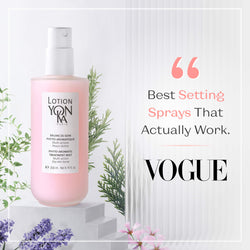
Lotion Yon-Ka PS is specifically designed for dry or sensitive skin. This alcohol-free mist is infused with our signature Quintessence—an exclusive complex of lavender, geranium, rosemary, cypress, and thyme essential oils. Beyond its refreshing aroma, this mist helps to rebalance and prepare the skin, ensuring that the moisture you apply next is effectively "locked in."
Targeted Hydration: Water vs. Oil
One of the most important aspects of fixing dry patches is recognizing the difference between skin that lacks water (dehydrated) and skin that lacks oil (dry).
- Dehydrated skin often feels tight and may show fine lines. It needs humectants like hyaluronic acid to pull moisture into the cells.
- Dry skin lacks the essential lipids needed to seal that moisture in. It requires nourishing oils and fatty acids to repair the barrier.
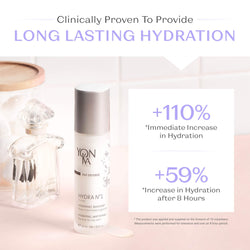
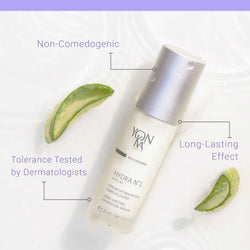
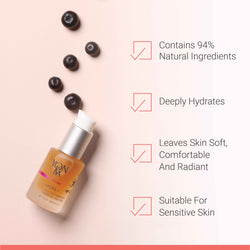
For those struggling with persistent rough areas, we recommend layering both. Start with a hydrating serum like Hydra N°1 Serum, which utilizes high and low molecular weight hyaluronic acid to provide intense, long-lasting hydration. Follow this with a lipid-restoring treatment from the face moisturizers collection to help smooth the skin's surface and support the barrier.
Exfoliation Without Irritation
When you see dry, flaky skin, the instinct is often to reach for a gritty face scrub. However, mechanical scrubs can cause micro-tears in an already fragile barrier, leading to more inflammation and dryness.
The key to fixing dry patches is professional-grade, non-abrasive exfoliation. Gommage Yon-Ka is a botanical, grain-free "peel" that uses carob and lime extracts to gently lift away dead skin cells without any friction.
Step 1: Apply a thick layer of the gel to your face and neck. Step 2: Allow it to sit for one to two minutes. Step 3: When it begins to feel slightly tacky, use your fingertips to gently "roll" the product off. Step 4: Follow immediately with your mist and moisturizer.
This gentle method effectively clears the buildup that causes a rough texture, allowing your hydrating products to penetrate more deeply.
The Power of the Overnight Mask
The night is when your skin does its most intensive repair work. To give dry patches an extra boost, replace your night cream once or twice a week with a deep-conditioning mask.
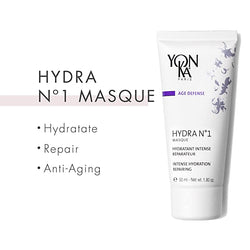
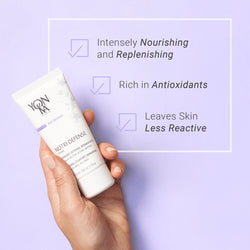
Hydra n°1 Masque is an intensive repair treatment designed to provide immediate comfort to damaged or very dry skin. It contains soothing aloe vera and nourishing jojoba oil, which help to calm the appearance of redness and replenish the skin's moisture reservoirs while you sleep. By morning, the skin appears more plumped, supple, and noticeably smoother.
Note: We recommend a patch test when introducing a new product to your routine. Apply a small amount to your inner forearm and wait 24 hours to ensure your skin welcomes the botanical actives.
Lifestyle Habits for Lasting Smoothness
While a consistent skincare ritual is the primary solution, your daily habits play a supporting role in how your skin retains moisture.
- Use a Humidifier: During the winter months, a humidifier adds much-needed moisture back into the air, preventing your skin from drying out while you sleep.
- Stay Hydrated from Within: While drinking water doesn't replace topical moisturizers, staying hydrated supports your body’s overall ability to maintain skin health.
- Sun Protection: Sun damage can exacerbate dryness and lead to a leathery skin texture. Always finish your morning ritual with a broad-spectrum SPF to protect your delicate barrier.
- Watch the Temperature: Avoid long, steaming showers. Short, lukewarm baths are much kinder to dry skin.
For more practical help choosing formulas that suit dry or dehydrated skin, see Best Face Moisturizers for Dry, Dehydrated Skin and 9 Skin Benefits of Hyaluronic Acid.
Professional Care for Deep Replenishment
Sometimes, persistent dry patches require the expertise of a professional. A Yon-Ka aesthetician can perform deep hydration treatments that utilize specialized techniques and professional-only formulas to resurface and rehydrate the skin more effectively than home care alone. If you are curious about in-spa support, explore our Hydralessence Treatment and use the Spa Locator to find a local partner.
If you are unsure which products are best for your specific skin concerns, we invite you to take our Skin Diagnosis quiz or use the Product Matcher on our website. These tools are designed to help you build a personalized ritual that addresses your unique needs.
Conclusion
Fixing dry patches of skin on your face is a journey that requires patience, gentle botanical interventions, and a commitment to protecting your skin's natural barrier. By shifting from aggressive exfoliation to a ritual focused on deep hydration and lipid restoration, you can reclaim a smooth, glowing complexion.
At Yon-Ka Paris, we remain dedicated to the belief that skincare is a ritual worth savoring. Rooted in our 70-year heritage of phyto-aromatic expertise, our formulas bridge the gap between pharmaceutical rigor and the sensorial power of nature. To learn more about how that philosophy shapes every formula, visit Our Story.
- Transition to a milk-based, non-stripping cleanser.
- Layer humectants (hyaluronic acid) with emollients (plant oils).
- Use non-abrasive, grain-free exfoliants once or twice a week.
- Protect your skin from environmental moisture thieves like hot water and dry air.
"True beauty flourishes when the skin is in perfect harmony with nature, balanced by the healing power of plants and a consistent, mindful ritual."
FAQ
How long does it take for dry patches on the face to go away?
With a consistent ritual of gentle cleansing and deep hydration, you may notice an improvement in the appearance of smoothness within a few days. However, fully restoring the skin barrier typically takes about 28 to 30 days, which is the natural cycle of skin cell renewal. If you want to build a routine around this timeline, browse the face moisturizers collection or the dry and dehydrated skin blog guide.
Can I use retinol if I have dry patches on my face?
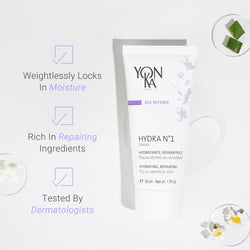
It is generally best to pause the use of strong actives like retinol until your dry patches have been addressed and your barrier is restored. Once your skin feels supple and comfortable, you can slowly reintroduce actives, ensuring you always follow them with a rich moisturizer like Hydra n°1 Crème.
Why is my face still dry even though I moisturize daily?
If you are moisturizing but still seeing dry patches, you may need to exfoliate gently to remove dead skin cell buildup that prevents your moisturizer from absorbing. Alternatively, your moisturizer may lack the specific lipids (oils) needed to seal in hydration, in which case adding a nourishing treatment from the face serums collection can help.
Is it better to apply moisturizer to wet or dry skin?
For the best results, apply your serums and moisturizers to slightly damp skin. Using a mist like Lotion Yon-Ka PS immediately after cleansing creates a damp surface that helps your treatment products "lock in" moisture more effectively, leading to a more hydrated appearance.