Table of Contents
- Introduction
- Understanding the Needs of Dry Skin
- The Science of Moisturizing Ingredients
- Phyto-Aromatic Synergy: The Yon-Ka Difference
- Choosing the Right Texture for Your Lifestyle
- The Role of the Skin Barrier
- How to Build Your Dry Skin Ritual
- Common Myths About Dry Skin
- Seasonal Adjustments for Dry Skin
- Lifestyle Habits to Support Your Moisturizer
- Finding Your Perfect Match
- Conclusion
- FAQ
Introduction
If you have ever felt that uncomfortable, paper-thin tightness after cleansing or noticed fine, parched lines appearing by midday, you know that dry skin is more than a minor inconvenience. It is a constant search for comfort. Choosing the right moisturizer for dry skin is not just about finding the thickest cream on the shelf; it is about understanding how to restore the skin’s delicate barrier and lock in lasting hydration. At Yon-Ka Paris, we believe that addressing dryness requires a blend of professional-grade botanical science and a consistent, sensorial ritual that respects the skin's natural rhythm.
In this guide, we will explore the essential ingredients your skin craves, the differences between various textures, and how to select a formula that provides both immediate relief and long-term resilience. By the end of this article, you will have a clear roadmap for navigating the world of humectants and emollients to find your perfect moisturizing match.
Understanding the Needs of Dry Skin
To choose the right moisturizer, one must first understand what dry skin actually is. In the world of skincare, "dry" refers to a skin type that lacks oil (lipids). This is distinct from "dehydrated" skin, which is a temporary condition where the skin lacks water. While they may feel similar, true dry skin requires a specific approach to replenish the oils your skin isn't producing naturally.
Dry skin often presents as a rough or flaky texture. You might notice that your complexion looks dull or that your pores are almost invisible because the skin lacks the suppleness provided by natural sebum. Without enough oil to seal the surface, moisture evaporates quickly, a process known as transepidermal water loss (TEWL). This leaves the skin’s protective "armor"—the skin barrier—vulnerable to environmental stressors, leading to sensitivity and redness.
Quick Answer: To choose the best moisturizer for dry skin, look for a "three-tier" formula containing humectants to draw in water, emollients to smooth the surface, and occlusives to lock everything in. For lipid-dry skin, prioritize rich creams over lightweight gels to provide the oils your skin cannot produce on its own.
The Science of Moisturizing Ingredients
The most effective moisturizers for dry skin are rarely composed of a single "miracle" ingredient. Instead, they are carefully balanced symphonies of three specific types of components. When you read a label, look for these categories to ensure the product can handle the demands of your skin.
Humectants: The Water Magnets
Humectants are ingredients that attract water. They act like tiny sponges, drawing moisture from the air or from the deeper layers of your skin (the dermis) up to the surface layer (the epidermis).
- Hyaluronic Acid: A powerhouse molecule that can hold up to 1,000 times its weight in water. It helps the skin appear plump and bouncy.
- Glycerin: A classic, reliable humectant that supports the skin's moisture balance and helps improve the appearance of the barrier.
- Lactic Acid: At low concentrations, this Alpha Hydroxy Acid (AHA) acts as a humectant, helping the skin retain moisture while very gently smoothing the surface.
Emollients: The Smoothers
If your skin feels rough or looks flaky, you need emollients. These ingredients fill in the microscopic "potholes" between skin cells, smoothing the surface and making the skin feel soft to the touch.
- Ceramides: These are lipids (fats) that are naturally found in high concentrations in the skin. They are essential for a healthy barrier.
- Plant Oils: Ingredients like jojoba, hazelnut, and olive oil mimic the skin’s natural sebum, providing much-needed nourishment.
- Shea Butter: A rich, botanical butter that offers deep comfort and a velvety finish to the skin.
Occlusives: The Shield
For dry skin, this is perhaps the most critical step. Occlusives create a physical barrier on the skin's surface to prevent water from evaporating. Without an occlusive, the hydration provided by your humectants will simply vanish into the air.
- Beeswax: A natural occlusive that protects the skin while allowing it to "breathe."
- Plant Butters: High concentrations of cocoa or shea butter can provide occlusive benefits.
- Dimethicone: A type of silicone that provides a silky feel and a protective, breathable seal over the skin.
Phyto-Aromatic Synergy: The Yon-Ka Difference
While standard ingredients are important, we take a more holistic approach. Our formulations are built on the foundation of the Quintessence, an exclusive complex of five essential oils: lavender, geranium, rosemary, cypress, and thyme. This 100% natural and active complex does more than provide a spa-like aroma; it supports the skin’s natural functions.
For dry skin, the aromatherapeutic benefits are coupled with phytotherapy (plant extracts) to revitalize the appearance of the complexion. When choosing a moisturizer, the presence of these botanical actives can help address the underlying causes of dryness, such as poor circulation or environmental damage, rather than just masking the symptoms.
Note: Because we use high-quality essential oils, we always recommend a patch test on your inner forearm for 24 hours when introducing a new product. Introduce one new formula at a time to ensure your skin responds beautifully to the botanicals.
Choosing the Right Texture for Your Lifestyle
The texture of your moisturizer often dictates how often you will actually use it. For dry skin, the general rule is: the richer, the better. However, your daily environment and the time of day play a role in this choice.
Rich Creams and Balms
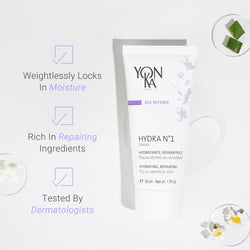
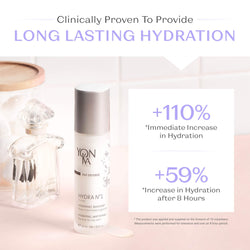
These are the gold standard for dry skin. Creams have a higher oil-to-water ratio than lotions, making them more effective at providing a protective barrier. A product like Hydra n°1 Crème is designed specifically for those whose skin feels "thirsty" and tight. It uses long-lasting hydration technology to ensure the skin feels comfortable throughout the day.
Nighttime Repair
At night, your skin enters a repair phase. This is the ideal time to use even heavier, more lipid-rich formulas. For skin that is starting to show the first signs of fine lines due to dryness, Élastine Nuit provides a comforting environment for the skin to regenerate. If you are dealing with more mature, very dry skin, a premium option like Excellence Code Crème addresses both the lack of lipids and global signs of aging.
Oils and Boosters
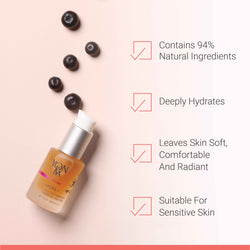
Sometimes, a cream alone isn't enough during the harsh winter months or after a long flight. This is where "boosters" or face oils come in. You can customize your moisturizer by adding a few drops of a nourishing concentrate. Nutri + Booster is a favorite for this purpose, as it is packed with vitamins and antioxidants that transform a standard cream into an intensive treatment.
| Feature | Gel/Lotion | Cream | Balm/Oil |
|---|---|---|---|
| Water Content | High | Medium | Low |
| Oil Content | Low | High | Very High |
| Best For | Dehydrated/Oily skin | Dry/Normal skin | Severely dry/Mature skin |
| Finish | Matte/Dewy | Velvety | Radiant/Rich |
The Role of the Skin Barrier
To choose a moisturizer effectively, you must understand the "skin barrier." Think of your skin as a brick wall. The skin cells are the bricks, and the lipids (oils) are the mortar. In dry skin, the mortar is often missing or thin. This allows irritants to get in and moisture to get out.
If you find that your skin stings when you apply even gentle products, your barrier may be compromised. In these instances, you should look for "barrier-respecting" ingredients like ceramides and soothing botanicals. Avoid harsh exfoliants or high concentrations of acids until your barrier feels strong again. Consistent use of a rich moisturizer helps "re-mortar" the wall, leading to skin that looks smoother and feels less reactive.
How to Build Your Dry Skin Ritual
A moisturizer cannot do all the heavy lifting on its own. At Yon-Ka, we believe in a layered approach that prepares the skin to receive the maximum benefit from your cream.
Step 1: Gentle Cleansing
The biggest mistake for dry skin is using a foaming cleanser that strips away what little oil remains. Instead, use a cleansing milk like Lait Nettoyant. This gentle, non-stripping formula removes makeup and impurities while leaving a veil of moisture on the skin.
Step 2: The Phyto-Aromatic Mist
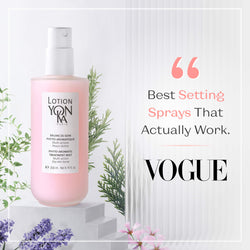
After cleansing, never leave your skin bare to air-dry. This leads to immediate dehydration. Spray Lotion Yon-Ka PS (the version specifically for dry skin) over your face. This alcohol-free mist is not just a "toner"; it is a phyto-aromatic treatment that helps subsequent products absorb deeper into the skin.
Step 3: Targeted Serum
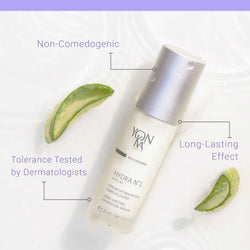
Apply a serum while the skin is still damp from your mist. For intense dryness, Hydra n°1 Sérum provides a concentrated dose of hyaluronic acid to "quench" the skin before you apply your cream to seal it in.
Step 4: Moisturize
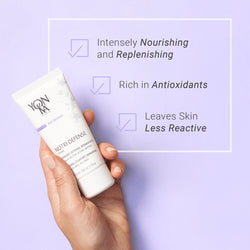
Apply your chosen cream—such as Hydra n°1 Crème or Vital Defense—using upward, sweeping motions. This step provides the lipids and occlusives needed to protect the skin throughout the day.
Step 5: Protect
Even in winter, UV rays damage the skin barrier. Always finish your morning ritual with sun protection to prevent the drying effects of sun damage.
Key Takeaway: Skincare is about layering. A moisturizer works best when applied to skin that has been gently cleansed and "primed" with a hydrating mist, allowing ingredients to penetrate effectively rather than just sitting on the surface.
Common Myths About Dry Skin
There is a lot of misinformation regarding how to treat dryness. Clearing these up can save you time and prevent further irritation.
Myth: Drinking more water will cure dry skin.
Fact: While staying hydrated is essential for your overall health, drinking water does not directly translate to skin lipids. You can be fully hydrated internally and still have "dry" skin due to a lack of surface oil. Topical moisturizers are required to address the external barrier.
Myth: Essential oils are bad for dry skin.
Fact: Low-quality or synthetic fragrances can be irritating, but high-quality, pure essential oils like those in our Quintessence are highly beneficial. They can help revitalize the appearance of the skin and provide a sense of well-being.
Myth: You should scrub away dry flakes.
Fact: Physical scrubbing with harsh grains can create micro-tears in a dry, fragile barrier. Instead, use a grain-free exfoliator like Gommage Yon-Ka, which gently lifts dead skin cells using botanical enzymes, leaving the surface smooth without irritation.
Seasonal Adjustments for Dry Skin
Your skin is a living organ that reacts to its environment. Therefore, the moisturizer you choose in July may not be sufficient in January.
In the Winter: The combination of cold outdoor air and dry indoor heating is a recipe for extreme dryness. This is the time to switch to your richest formulas. If you usually use a lotion, upgrade to a cream. You may also want to incorporate a lipid-restoring oil like Serum Omega into your evening routine to provide an extra layer of defense against the elements.
In the Summer: Humidity can make dry skin feel slightly more comfortable, but air conditioning can be just as drying as heaters. You might choose a slightly lighter cream, such as Vital Defense, which also helps protect against environmental pollution—a major factor in skin dullness and aging.
Lifestyle Habits to Support Your Moisturizer
No product can fully compensate for habits that actively dry out the skin. To get the most out of your chosen moisturizer, consider these lifestyle adjustments:
- Turn Down the Temperature: Scalding hot showers strip the skin of its natural oils. Opt for lukewarm water instead.
- Pat, Don't Rub: When drying your face or body, gently pat the skin with a soft towel. Leave it slightly damp before applying your moisturizer to trap that extra water.
- Use a Humidifier: If you live in a dry climate or use central heating, a humidifier in your bedroom can significantly reduce the amount of moisture lost from your skin overnight.
- Limit "Dirty" Cleansing: Focus your cleansing efforts on areas that need it, and avoid over-washing the drier parts of your face unless you have used heavy makeup or sunscreen.
Finding Your Perfect Match
Choosing a moisturizer is a personal journey. What works for a friend might not work for you, depending on your age, climate, and specific skin concerns. If you find yourself overwhelmed by choices, we offer a Skin Diagnosis quiz and a Product Matcher tool on our website. These resources help narrow down the selections based on your unique needs.
Additionally, our heritage is rooted in the professional spa environment. If you want to take your skin's hydration to the next level, you can find a local Yon-Ka treatment at a spa through our Spa Locator. A professional esthetician can analyze your skin in person and recommend a bespoke ritual that addresses your dryness at a deeper level.
Conclusion
Finding the right moisturizer for dry skin is about moving beyond surface-level fixes and embracing a routine that truly nourishes. By looking for a balance of humectants, emollients, and occlusives, and by layering these ingredients within a phyto-aromatic ritual, you can transform the look and feel of your complexion.
At Yon-Ka Paris, we remain dedicated to the belief that skincare should be a ritual worth savoring—a moment of wellness that combines 70 years of French expertise with the pure power of nature. Whether you are seeking a rich daily cream or a revitalizing night treatment, the key to success is consistency and a respect for your skin's unique needs.
"True beauty is not just a result; it is a ritual of care that honors the harmony between science and nature."
Explore our collections for dry and dehydrated skin today to find the botanically-driven formulas that will help your skin feel soft, supple, and radiant once again.
FAQ
What is the difference between dry and dehydrated skin?
Dry skin is a skin type that lacks oil (lipids), while dehydrated skin is a temporary condition that lacks water. Dry skin requires oil-rich creams and emollients, whereas dehydrated skin needs water-binding humectants like hyaluronic acid. Many people with dry skin also suffer from dehydration, making a balanced formula like Hydra n°1 Crème ideal.
Can I use a face oil instead of a moisturizer for dry skin?
A face oil is an excellent source of emollients and occlusives, but it typically lacks the humectants (like glycerin or hyaluronic acid) found in creams. For best results, apply your oil over a moisturizer or mix a few drops of a booster like Nutri + into your cream to ensure you are getting both water and oil-based hydration.
Why does my skin still feel dry after I apply moisturizer?
If your skin feels dry shortly after application, your moisturizer may lack enough occlusives to prevent water evaporation, or you may be skipping the "prepping" step of a toning mist. Applying a product like Lotion Yon-Ka before your cream helps the skin absorb moisture more effectively, preventing it from just sitting on the surface.
Should I exfoliate if my skin is dry and flaky?
Yes, but you must be gentle. Dead skin cells can form a barrier that prevents your moisturizer from absorbing. Avoid harsh scrubs and instead use a botanical, grain-free exfoliator like Gommage Yon-Ka once or twice a week to clear the surface and allow your hydrating products to work more efficiently.