Table of Contents
- Introduction
- Does Body Lotion Stop Dry Skin or Hides Dry Skin?
- The Science of the Skin Barrier
- How Body Lotions Work: The Three Pillars
- Why Lotion Might Only Be "Hiding" the Problem
- Choosing the Right Formulation: Lotion vs. Cream
- The Phyto-Aromatic Approach to Deep Hydration
- Building a Ritual to Truly Stop Dryness
- Ingredients That Make a Difference
- Common Lifestyle Factors That Cause Dryness
- The Professional Advantage
- Conclusion
- FAQ
Introduction
The sensation of dry skin is more than just a cosmetic concern; it is a physical experience of tightness, itchiness, and a loss of that healthy, supple glow we all desire. When you reach for a bottle of moisturizer, you are likely looking for immediate relief, but a common question remains: does body lotion stop dry skin or hides dry skin? At Yon-Ka Paris, we believe that understanding the "why" behind your skincare is just as important as the "how." While a lotion can provide an instant smoothing effect, its true power lies in its ability to support the skin's natural barrier. This article will explore the dual role of body moisturizers, the science of hydration, and how to transition from simply masking dryness to achieving lasting skin health through a dedicated phyto-aromatic ritual.
Does Body Lotion Stop Dry Skin or Hides Dry Skin?
To answer whether a lotion stops or hides dry skin, we must first recognize that a well-formulated product actually does both. The immediate smoothing of rough patches and the disappearance of visible flakes are the "hiding" aspect—a cosmetic improvement that makes the skin look and feel better instantly. However, the secondary and more vital function of a lotion is to "stop" the cycle of dehydration by reinforcing the skin’s moisture barrier.
Quick Answer: Body lotion hides dry skin by using emollients to fill in cracks between skin cells for a smooth appearance, but it stops dry skin by using humectants to draw in water and occlusives to prevent evaporation, allowing the skin barrier to repair itself.
When the skin is dry, it lacks the necessary water and lipids to remain flexible and intact. By applying a moisturizer, you are providing a temporary shield that prevents "Transepidermal Water Loss" (TEWL). This protection gives your skin the breathing room it needs to heal from within. Without this intervention, dry skin often becomes a self-perpetuating cycle where the damaged barrier allows more moisture to escape, leading to deeper cracks and increased sensitivity.
The Science of the Skin Barrier
Our skin is composed of several layers, but the most important one regarding dryness is the stratum corneum. Think of this outermost layer as a brick wall. The "bricks" are dead skin cells called corneocytes, and the "mortar" consists of lipids like ceramides, cholesterol, and fatty acids. When this wall is sturdy, it keeps hydration locked in and irritants out.
When this barrier is compromised by cold weather, harsh soaps, or aging, the "mortar" begins to crumble. This leads to microscopic gaps where moisture escapes and environmental triggers enter. For the skin to feel soft, the stratum corneum needs to maintain a water content of at least 10% to 30%. If it falls below this threshold, the enzymes responsible for naturally shedding dead skin cells cannot function correctly. This is why dry skin often looks flaky and dull—it is literally a buildup of cells that cannot let go.
How Body Lotions Work: The Three Pillars
To understand how a product moves beyond just "hiding" dryness, we look at the three types of ingredients found in high-quality moisturizers. A sophisticated formula, like those developed by Yon-Ka, balances these three categories to provide a holistic solution.
1. Humectants
Humectants are like tiny magnets for moisture. They draw water up from the deeper layers of the skin (the dermis) and, in humid environments, from the air itself. Common humectants include hyaluronic acid, glycerin, and lactic acid. These ingredients are essential for "stopping" dry skin because they replenish the actual water content of the cells.
2. Emollients
Emollients are the ingredients responsible for the "hiding" or smoothing effect. They are lipids and oils that fill in the gaps between the skin cells. When you feel that immediate silkiness after applying a cream, that is the work of emollients like shea butter or plant oils. They improve the skin's texture and appearance instantly, making it look vibrant rather than parched.
3. Occlusives
Occlusives provide the finishing touch by creating a physical barrier on the surface of the skin. They "stop" dry skin by locking in the water that the humectants have gathered and the emollients have smoothed. Ingredients like beeswax or specialized plant waxes function as a protective seal, ensuring that your hydration doesn't simply evaporate into the air.
Why Lotion Might Only Be "Hiding" the Problem
If you find that your skin feels dry again just an hour after applying lotion, the product may only be providing a superficial, cosmetic fix. This often happens for two reasons: poor ingredient quality or a lack of preparation.
The Role of Exfoliation Applying a rich cream over a thick layer of dead skin cells is like trying to water a plant through a layer of plastic wrap. The moisture cannot penetrate the buildup to reach the living layers where it is needed most. This is why exfoliation is a non-negotiable step in any ritual designed to truly stop dry skin.
Using a gentle, grain-free exfoliator like Gommage Yon-Ka helps remove those dead "bricks" that are stuck to the surface. By clearing the path, your subsequent body lotions and creams can actually do their job of hydrating the deeper layers of the epidermis rather than just sitting on top.
Key Takeaway: If a moisturizer provides only temporary relief, it is often because dead skin cell buildup is preventing absorption. Regular, gentle exfoliation ensures your products treat the skin rather than just masking the surface.
Choosing the Right Formulation: Lotion vs. Cream
The texture of your moisturizer plays a significant role in its efficacy. Generally, lotions have a higher water content and a lighter feel. They are excellent for daily maintenance and for use in humid climates. However, if you are dealing with persistent dryness or "alligator skin," a cream is often the better choice.
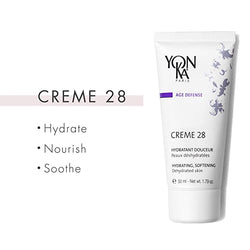
Creams are thicker and contain a higher concentration of oils and fats. Because they are more occlusive, they provide a stronger shield against the environment. For particularly rough areas like elbows, knees, and heels, a rich cream or a targeted oil-in-serum can provide the intensive nourishment needed to actually repair the barrier. If you want a more moisturizing option, explore our body lotions and creams.
The Phyto-Aromatic Approach to Deep Hydration
At Yon-Ka, we believe that skincare should address both the physical needs of the skin and the sensory experience of the individual. Our approach is rooted in phyto-aromatic skincare, utilizing the life force of plants to achieve professional-grade results.
Central to our formulas is the Quintessence—a proprietary blend of five essential oils: lavender, geranium, rosemary, cypress, and thyme. This complex does more than provide a beautiful scent; it works to revitalize and balance the skin. When combined with hydrating actives like hyaluronic acid and nourishing plant butters, it creates a synergistic effect that goes beyond the surface to support long-term skin health. To learn more about the brand’s approach, visit our ingredients page.
Building a Ritual to Truly Stop Dryness
To move past the cycle of "hiding" dry skin, we recommend a consistent, layered ritual. This approach ensures the skin is prepared, treated, and protected.
Step 1: Gentle, Barrier-Respecting Cleansing
The journey to hydrated skin begins in the shower. Many conventional soaps use harsh sulfates that strip away the skin's natural oils. Instead, use a gentle, soap-free cleanser. Avoid scalding hot water, which can melt away the skin's protective lipids. Aim for lukewarm temperatures and keep your showers to under ten minutes.
Step 2: Prepare with a Phyto-Aromatic Mist
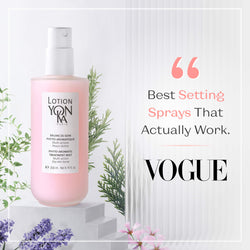
After patting your skin dry (leave it slightly damp!), apply a mist like Lotion Yon-Ka PS. This iconic toner is not just for the face; it can be used to prime the skin on your body as well. The mist helps to hydrate the surface and improves the absorption of the treatments that follow. If you want to read more about toner in a skincare ritual, see this spotlight on Lotion Yon-Ka.
Step 3: Targeted Treatment
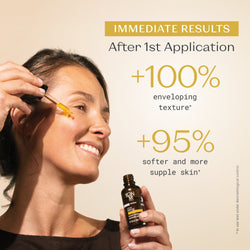
If your skin is exceptionally parched, you may need a "booster." Adding a few drops of a nourishing oil like Serum Omega to your body cream can provide a surge of essential fatty acids. This is particularly helpful during the winter months when the air is devoid of moisture. For more hydration-focused options, explore our face moisturizers.
Step 4: Moisturize and Lock it In
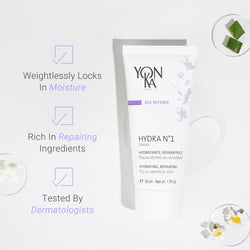
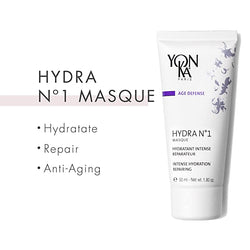
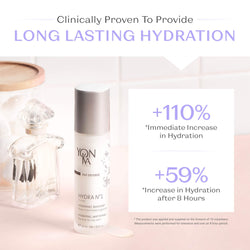
Apply your chosen body cream or lotion while the skin is still damp. For deep hydration, the Hydra N°1 collection offers intensive formulas that utilize high and low molecular weight hyaluronic acid to hydrate different levels of the skin. Massage the product in thoroughly, focusing on areas prone to extreme dryness.
Note: When introducing a new phyto-aromatic product, we always recommend a patch test. Apply a small amount to your inner forearm and wait 24 hours to ensure the essential oils and botanical actives are compatible with your unique skin chemistry.
Ingredients That Make a Difference
When reading a label to determine if a product will actually "stop" dry skin, look for these key ingredients:
- Hyaluronic Acid: A superstar humectant that can hold up to 1,000 times its weight in water.
- Ceramides: These are the "mortar" in your skin's brick wall. They are essential for repairing a damaged barrier.
- Shea Butter: A rich emollient that provides vitamins and fatty acids to smooth and nourish.
- Glycerin: A classic, effective humectant that is often overlooked but highly efficient at drawing moisture into the skin.
- Squalane: A plant-derived lipid that mimics the skin's natural sebum, providing excellent emolliency without a greasy feel.
Common Lifestyle Factors That Cause Dryness
Sometimes, even the best skincare ritual can be undermined by environmental and lifestyle factors. If you feel like you are fighting a losing battle against dryness, consider these elements:
- Low Humidity: Central heating in the winter and air conditioning in the summer strip moisture from the air. Using a humidifier in your bedroom can significantly improve your skin's hydration levels overnight.
- Nutrition and Hydration: While topical products are essential, your skin is also nourished from within. Ensure you are consuming enough healthy fats (like Omega-3s) and staying hydrated with water throughout the day.
- Aging: As we age, our skin's production of natural oils (sebum) decreases significantly. This is especially noticeable after age 40. You may find that the light lotion you used in your 20s is no longer sufficient and you need to transition to a richer cream.
- Chlorine and Saltwater: Frequent swimming can strip the skin of its natural defenses. Always rinse with fresh water and apply a moisturizer immediately after leaving the pool or ocean.
The Professional Advantage
While home care is the foundation of healthy skin, professional treatments can provide a "reset" for chronically dry skin. Our heritage is rooted in the professional spa environment, where over 7,000 skincare professionals worldwide trust our methods.
A professional body treatment often involves deep exfoliation and the application of highly concentrated professional-only formulas that penetrate more deeply than daily home products. If you find your skin is persistently dull or flaky despite your best efforts, visiting a local spa for a Yon-Ka treatment can provide the intensive care needed to restore your glow. You can find a nearby partner using our Spa Locator on our website, or explore Yon-Ka treatments for a closer look at the experience.
Conclusion
So, does body lotion stop dry skin or hides dry skin? The truth is that it performs a vital dual role. By "hiding" the dryness through emollient smoothing, it provides immediate comfort and aesthetic improvement. By "stopping" the dryness through humectant hydration and occlusive protection, it allows the skin's natural barrier to repair and strengthen itself over time.
True results are not born from a single application but from a consistent, thoughtful ritual. At Yon-Ka Paris, we remain dedicated to the belief that skincare is a ritual worth savoring—an act of self-care built on 70 years of phyto-aromatic expertise and pharmaceutical rigor. By choosing products that respect your skin's biology and harness the power of nature, you can move beyond simply masking dryness and embrace a complexion that is truly healthy and radiant.
- Exfoliate regularly to ensure product absorption.
- Apply moisturizer to damp skin to lock in maximum hydration.
- Look for a balance of humectants, emollients, and occlusives.
- Consider lifestyle changes like using a humidifier to support your topical routine.
"The secret to lasting hydration is not just about adding moisture, but about teaching the skin how to retain it."
If you are unsure which formulation is best for your specific needs, we invite you to take our Skin Diagnosis quiz or use the Product Matcher on our website. These tools are designed to help you navigate our collections and find the perfect match for your skin's unique story.
FAQ
Can I use body lotion on my face if it's very dry?
We generally recommend against using body lotion on your face. The skin on your face is thinner and more delicate, with more sebaceous glands than the skin on your body. Body lotions are often heavier and may contain fragrances or occlusives that could clog pores or cause irritation on facial skin; instead, choose a dedicated facial moisturizer like Hydra n°1 Crème.
How often should I apply body lotion to see results?
For the appearance of healthy, hydrated skin, consistency is key. You should apply body lotion at least once a day, ideally immediately after your bath or shower when your skin is still damp. If you have extremely dry skin, applying a second layer before bed or using a targeted "booster" can help accelerate the feeling of relief and suppleness. If you want to see more body-focused options, browse body care.
Why does my skin still look dry even after I put on lotion?
This often happens if there is a buildup of dead skin cells on the surface, which prevents the lotion from penetrating effectively. It can also occur if your lotion lacks occlusive ingredients to prevent evaporation. Try adding a gentle exfoliation step with Gommage Yon-Ka twice a week and ensure you are applying your moisturizer to damp skin to trap existing water.
Is it better to use a lotion or an oil for dry skin?
Both have their place in a healthy ritual. Lotions and creams provide essential water-based hydration (humectants) that oils lack, while oils provide intensive nourishment and a strong occlusive seal. For the best results, layer them: apply a hydrating lotion first, then "seal" it with a few drops of a botanical oil like Serum Omega for a truly restorative treatment.