Table of Contents
- Introduction
- The Unique Anatomy of the Periorbital Area
- Identifying Your Lines: Dynamic vs. Static Wrinkles
- Primary Causes of Under-Eye Wrinkles
- The Role of Genetics and Dennie-Morgan Lines
- Building a Botanical Ritual for the Eye Contour
- Key Botanical Ingredients for Youthful Eyes
- Lifestyle Habits for Long-Term Prevention
- Professional Treatments and the Spa Experience
- Safety and Patch Testing with Essential Oils
- Conclusion
- FAQ
Introduction
Waking up to notice new, fine lines etched beneath the eyes can feel like a sudden shift in how we perceive our reflection. This delicate area is often the very first place to tell the story of our lives—capturing every smile, squint, and late-night conversation. Because the skin around the eyes is significantly thinner and more fragile than the rest of the face, it requires a specialized level of attention and care to maintain its smooth, vibrant appearance. At Yon-Ka Paris, we believe that understanding the unique biology of your skin is the first step toward a more effective and sensorial skincare ritual. This article will explore the biological and environmental factors behind under-eye lines, the different types of creases you might see, and how to address them with a sophisticated, phyto-aromatic approach. By combining botanical expertise with consistent habits, you can support a resilient and refreshed eye contour.
The Unique Anatomy of the Periorbital Area
To understand the question of what are the wrinkles under my eyes, we must first look at the unique anatomy of the periorbital area. The skin surrounding the eyes is unlike any other part of the human body. While the skin on your forehead or cheeks may be several millimeters thick, the skin on your eyelids and directly beneath your eyes can be as thin as 0.2mm to 0.5mm.
This extreme thinness means there is very little "cushioning" in the form of subcutaneous fat. Furthermore, this area has fewer sebaceous glands (oil glands) than the rest of the face. Oil glands are essential for maintaining the skin’s natural lipid barrier, which locks in moisture and protects against external aggressors. Without this natural lubrication, the eye area is naturally more prone to dryness and dehydration, both of which can make fine lines appear much more prominent.
Below the surface, the orbicularis oculi muscle is responsible for every blink, wink, and squint. Because this muscle is so closely connected to the thin overlying skin, every repetitive movement eventually leaves an imprint. Over time, the structural proteins—collagen and elastin—that provide the skin with its "snap" and firmness begin to diminish, causing these temporary imprints to become permanent features of the complexion.
For a closer look at what makes this area so distinct, explore our eye and lip contour collection.
Identifying Your Lines: Dynamic vs. Static Wrinkles
Not all lines under the eyes are created equal. When you examine your reflection, you may notice that some lines only appear when you are laughing or squinting, while others remain visible even when your face is completely at rest. Distinguishing between these two categories is essential for choosing the right treatment approach.
Dynamic Wrinkles
Dynamic wrinkles are those caused by the repetitive contraction of facial muscles. These include the "smile lines" at the outer corners of the eyes, often called crow's feet, as well as the small crinkles that form directly under the lower lash line when you squint. In our younger years, the skin is highly elastic, and these lines disappear as soon as the facial muscles relax.
Static Wrinkles
As we mature, the skin loses its ability to "bounce back." Static wrinkles are the lines that remain on the face even when it is still. These are caused by a combination of long-term muscle movement and the breakdown of the skin's structural integrity. Static wrinkles are often exacerbated by external factors like sun damage and pollution, which degrade collagen fibers more rapidly than the natural aging process alone.
Quick Answer: Under-eye wrinkles are primarily caused by the loss of collagen and elastin in the thinnest skin on the body. They are classified as dynamic (visible during movement) or static (visible at rest), and are influenced by genetics, UV exposure, and hydration levels.
Primary Causes of Under-Eye Wrinkles
If you are wondering why these lines seem to be appearing now, the answer is usually a combination of internal and external stressors. Identifying which factors are most prevalent in your life can help you adjust your skincare ritual accordingly.
The Natural Aging Process
Beginning in our mid-20s, the body’s production of collagen—the protein responsible for skin firmness—decreases by about 1% each year. Simultaneously, elastin production slows down, and the skin's natural renewal process (cell turnover) becomes less efficient. This results in skin that is thinner, more prone to sagging, and less capable of repairing itself from daily wear and tear.
UV Damage and Photoaging
Sun exposure is perhaps the most significant external cause of premature aging. UV rays penetrate deep into the dermis, where they break down the collagen fibers that support the skin structure. This process, known as photoaging, can lead to a "crepey" texture under the eyes long before chronological aging would typically dictate.
Repetitive Facial Expressions
Our faces are incredibly expressive, but the very movements that convey joy or concern also contribute to the development of lines. Squinting, whether due to bright sunlight or the need for a new vision prescription, puts mechanical stress on the delicate under-eye skin.
Dehydration and Lifestyle
Because the eye area lacks oil glands, it relies heavily on systemic and topical hydration. When the body is dehydrated, the skin loses its volume and "plumpness," making fine lines look like deep creases. Other lifestyle factors, such as smoking or a diet high in processed sugars, can lead to oxidative stress and glycation, both of which damage the skin's supportive proteins.
The Role of Genetics and Dennie-Morgan Lines
Sometimes, the lines under the eyes are not a result of aging at all, but rather a genetic predisposition. Some individuals develop what are known as Dennie-Morgan lines (or folds). These are small creases that form along the lower eyelid, often creating the appearance of a double fold beneath the eye.
Unlike traditional wrinkles, Dennie-Morgan lines typically appear in early childhood. They are strongly associated with atopy—a genetic tendency to develop allergic conditions like eczema (atopic dermatitis), asthma, and hay fever (allergic rhinitis). If you have a history of seasonal allergies or sensitive skin, these lines may be part of your unique facial structure. While they are not harmful, they can sometimes be accompanied by "allergic shiners" or dark circles caused by nasal congestion.
Building a Botanical Ritual for the Eye Contour
Addressing the appearance of under-eye wrinkles requires a specialized approach that respects the fragility of the periorbital skin. A "quick fix" or a "hack" will never replace the long-term benefits of a consistent, layered botanical ritual.
Step 1: Gentle Cleansing
The first rule of eye care is to never tug or pull at the skin. When removing makeup, use a gentle cleansing milk like Lait Nettoyant. Apply it with your ring finger—the weakest finger—to ensure the lightest possible touch. This protects the delicate fibers from mechanical damage during your nightly routine.
Step 2: Phyto-Aromatic Preparation
After cleansing, a mist of Lotion Yon-Ka PS prepares the skin to receive active ingredients. This signature mist, infused with our Quintessence of five essential oils, helps to balance the skin and provides a refreshing base that enhances the absorption of your subsequent treatments.
Step 3: Targeted Eye Treatment
This is the most critical step for addressing lines. For those concerned with puffiness and the early signs of aging, Phyto-Contour is a world-class professional favorite. This refined cream utilizes the power of rosemary to visibly firm the eye area and diminish the appearance of dark circles and puffiness. Its "reawakening" effect is perfect for tired eyes in the morning.
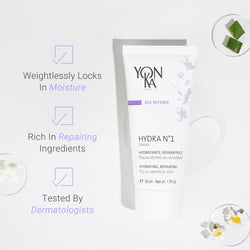
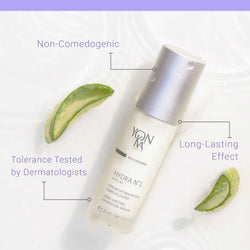
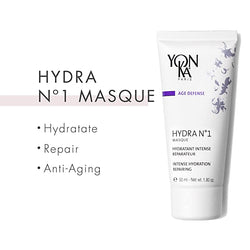
If your primary concern is deep hydration and the smoothing of fine "dehydration lines," Hydra N°1 Creme can be carefully applied to the orbital bone to provide long-lasting moisture.
Step 4: Protection
During the day, protecting the eye area from further UV damage is non-negotiable. Always apply a broad-spectrum SPF and consider wearing UV-rated sunglasses to prevent the squinting that leads to dynamic wrinkles.
Key Botanical Ingredients for Youthful Eyes
In the world of phyto-aromatic skincare, we look to nature to provide the building blocks for skin health. When selecting products for the eye area, look for these science-backed botanical actives:
- Rosemary: Known for its firming and draining properties, it helps reduce the look of puffiness and "wakes up" the skin.
- Beech Bud Peptides: These "plant pearls" help smooth the appearance of the skin’s surface and support a more refined texture.
- Hyaluronic Acid: A powerful humectant that can hold up to 1,000 times its weight in water, it instantly plumps the appearance of the skin and fills in the look of fine lines.
- Vitamin C: Found in our Serum Vitamine C 20%, this antioxidant helps brighten the appearance of the eye area and protects against the oxidative stress that leads to collagen breakdown.
- Cornflower and Chamomile: These soothing extracts are often used in eye care to calm the appearance of irritation and reduce redness.
Key Takeaway: The eye area requires high-performance, low-irritation ingredients. By utilizing botanical peptides and hydrating humectants like hyaluronic acid, you can support the skin's structure without causing the sensitivity often associated with harsh synthetic actives.
To learn more about the philosophy behind these ingredients, visit Our Ingredients.
Lifestyle Habits for Long-Term Prevention
While a high-quality skincare ritual is the foundation of eye health, your daily habits play a significant role in how your skin ages over time. Small, consistent changes can make a visible difference in the clarity and smoothness of your eye contour.
Prioritize Restful Sleep The body undergoes its most intensive repair processes during deep sleep. A lack of sleep increases cortisol levels, which can break down collagen. To prevent "compression wrinkles," try to sleep on your back. If you are a side sleeper, a silk or satin pillowcase can reduce the friction and tugging on the delicate eye skin.
Hydrate From Within Topical moisturizers work best when the body is already well-hydrated. Drinking plenty of water helps maintain the "plumpness" of the skin cells, making wrinkles less noticeable. Limit your intake of caffeine and alcohol, both of which act as diuretics and can lead to a sallow, dehydrated appearance.
Manage Stress and Eye Strain In our digital age, many of us spend hours squinting at screens. This "tech-induced" squinting can accelerate the formation of dynamic wrinkles. Take regular breaks using the 20-20-20 rule: every 20 minutes, look at something 20 feet away for 20 seconds. This relaxes the eye muscles and may reduce the urge to squint.
The Power of Nutrition A diet rich in antioxidants, Omega-3 fatty acids, and vitamins C and E provides the skin with the nutrients it needs to defend itself against environmental damage. Incorporate leafy greens, berries, fatty fish, and nuts into your meals to support your skin’s natural resilience.
For a personalized routine that matches your skin type and concerns, you can also take our Skin Diagnosis quiz.
Professional Treatments and the Spa Experience
While at-home care is essential for daily maintenance, professional spa treatments offer a deeper level of rejuvenation. Professional estheticians use advanced techniques and concentrated formulas that are not available for home use.
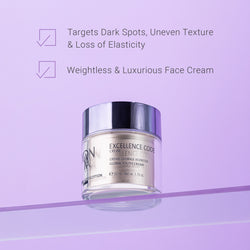
At a Yon-Ka partner spa, you might experience specialized eye contour treatments that combine manual drainage techniques with targeted masks. For example, a professional application of Excellence Code Masque or a specific periorbital massage can provide immediate visible lifting and brightening effects.
Professional treatments also allow an expert to analyze your skin under magnification, helping you determine if your lines are caused by dehydration, aging, or lifestyle factors. To find a professional who can tailor a program to your specific needs, we recommend using our Spa Locator to find an authorized center near you.
If you want to learn more about this treatment approach, read our Product Spotlight: Phyto Contour and Product Spotlight: Excellence Code Masque.
Safety and Patch Testing with Essential Oils
Because most our formulas are powered by active plant extracts and essential oils, it is important to introduce new products mindfully. While these ingredients offer incredible benefits for the appearance of the skin, the eye area is particularly sensitive.
We recommend performing a patch test when introducing a new eye treatment. Apply a small amount of the product to your inner forearm and wait 24 hours to ensure no redness occurs. When applying products near the eyes, stay on the orbital bone—the hard ridge around your eye socket. The product will naturally migrate slightly toward the eye without the risk of getting it directly into the tear duct.
A slight, brief tingling sensation can be normal when using active essential oils like rosemary, as it indicates increased microcirculation. However, if you experience persistent redness, itching, or swelling, reduce the frequency of use or discontinue the product and consult your dermatologist.
If you are deciding between our toning mists, this guide to Lotion Yon-Ka PS vs. Lotion Yon-Ka PNG can help clarify which formula best suits your skin.
Conclusion
Understanding what are the wrinkles under my eyes is the first step toward a more empowered skincare journey. Whether your lines are the result of a life full of laughter, the natural passage of time, or genetic factors like Dennie-Morgan lines, there are botanical solutions designed to support your skin’s unique needs. By embracing a consistent ritual that includes gentle cleansing, deep hydration, and targeted phyto-aromatic treatments, you can maintain a bright and youthful gaze.
At Yon-Ka Paris, we remain dedicated to the art of phyto-aromatic care, blending 70 years of French pharmaceutical rigor with the sensorial power of nature. We believe that caring for your skin is an act of wellness—a ritual to be savored every morning and evening.
- Identify if your lines are dynamic, static, or genetic.
- Prioritize hydration with ingredients like hyaluronic acid.
- Use specialized eye creams like Phyto-Contour to firm and revitalize.
- Protect your eyes daily with SPF and sunglasses.
To discover the ideal products for your specific concerns, we invite you to use the Product Matcher or take our Skin Diagnosis quiz on our website. Your journey to a more refreshed and radiant eye contour begins with a single, mindful step.
"Skincare is not just a routine; it is a moment of connection with oneself, powered by the most potent elements the Earth has to offer."
FAQ
Can I use my regular face moisturizer under my eyes?
While you can, it is often not ideal. The skin around the eyes is much thinner and more sensitive than the rest of the face, and many facial moisturizers contain fragrances or active ingredients in concentrations that may irritate the eyes. Specialized eye creams are ophthalmologically tested and formulated with a specific molecular weight to better penetrate this delicate area.
At what age should I start using an eye cream?
Prevention is always more effective than correction, so we recommend introducing a hydrating eye treatment as early as your 20s. This helps to maintain the skin's moisture barrier and may delay the transition of dynamic lines into static wrinkles. If you are already seeing established lines, moving to a more corrective formula from our Age Exception range can help improve the appearance of skin firmness.
Why do my under-eye wrinkles look worse in the morning?
Under-eye lines can appear more prominent in the morning due to dehydration or fluid retention (puffiness). Sleeping on your face can also cause temporary "sleep lines" from the pillow. Using a product like Phyto-Contour in the morning can help drain excess fluid and "reawaken" the area, while ensuring you stay hydrated throughout the night can minimize the look of dehydration lines.
Will eye cream actually "get rid" of my wrinkles?
Skincare products are designed to improve the appearance of the skin. While a botanical eye cream cannot permanently erase deep wrinkles or replace medical procedures, it can significantly smooth the look of fine lines, plump the skin through hydration, and prevent future damage. Consistency is key; a dedicated ritual will yield much better visual results than occasional use.