Table of Contents
- Introduction
- Understanding Petroleum Jelly: What Is It?
- The Benefits of Using Petroleum Jelly on the Face
- Potential Drawbacks for Facial Skin
- How Petroleum Jelly Compares to Modern Moisturizers
- When to Choose Botanical Alternatives
- Is Slugging Worth the Hype?
- Building a Phyto-Aromatic Ritual for Dry Skin
- Common Myths About Petroleum Jelly and Skin
- When to See a Professional
- The Importance of High-Quality Ingredients
- Conclusion
- FAQ
Introduction
When the air turns crisp or the indoor heating kicks in, that familiar feeling of tight, flaky, or uncomfortable skin often follows. In the search for immediate relief, many reach for a jar of petroleum jelly, a household staple for over 150 years. It is a thick, reliable barrier that promises to seal everything in, but is it the best choice for the delicate skin on your face?
At Yon-Ka Paris, we believe that effective skincare should do more than just sit on the surface; it should nourish, revitalize, and respect the skin’s natural physiology. This article explores whether petroleum jelly is truly good for dry skin on your face, the science behind how it works, and why a phyto-aromatic approach might offer a more sophisticated solution for long-term radiance. We will analyze the benefits and drawbacks of this common ointment and help you build a ritual that provides deep, lasting hydration.
Quick Answer: Petroleum jelly is a powerful occlusive that prevents moisture loss, making it helpful for extreme dryness or wound healing. However, it does not add hydration or nutrients to the skin, and its heavy texture may be unsuitable for those prone to breakouts or who prefer a breathable, non-greasy finish.
Understanding Petroleum Jelly: What Is It?
Petroleum jelly, also known by the technical name petrolatum, is a semi-solid mixture of hydrocarbons derived from petroleum. It was first discovered by oil workers who noticed a waxy substance forming on oil rigs, which they used to soothe their cuts and burns. Today, the version you find in stores is highly refined and purified to meet cosmetic standards.
In skincare chemistry, petroleum jelly is classified as an occlusive. An occlusive is a substance that forms a physical, water-resistant barrier on the surface of the skin. Think of it like a piece of plastic wrap for your face; it doesn't necessarily "moisturize" in the sense of adding water, but it is incredibly effective at preventing transepidermal water loss (TEWL). TEWL is the natural process where water evaporates from the skin’s surface into the environment. By blocking this evaporation, petroleum jelly allows the skin to retain its own internal moisture.
While it is chemically inert and generally safe for sensitive skin, its origin as a mineral byproduct is why many people, especially those who prefer botanical or "green" beauty, look for alternatives. At Yon-Ka, our heritage is rooted in phytotherapy and aromatherapy, where we prioritize land and sea plants over mineral-derived synthetics to achieve skin harmony. To learn more about the philosophy behind our approach, explore our ingredients and our formulas.
The Benefits of Using Petroleum Jelly on the Face
For certain skin moments, petroleum jelly can be a helpful tool. Because it is hypoallergenic and contains no fragrances or botanical actives, it rarely causes an allergic reaction, making it a "safe" choice for compromised skin barriers.
- Extreme Weather Protection: If you are skiing in sub-zero temperatures or walking through biting winds, a thin layer of petroleum jelly can act as a shield against the elements, preventing windburn and extreme dehydration.
- Healing Minor Injuries: Dermatologists often recommend it for post-procedure care or minor scrapes. By keeping the wound moist, it prevents scabbing, which may help the appearance of scars as the skin repairs itself.
- Targeted Relief for Dry Patches: It can be used as a spot treatment for particularly stubborn areas, such as the corners of the nose during a cold or on exceptionally dry, chapped lips.
- The "Slugging" Trend: This involves applying a thick layer of petroleum jelly over your nighttime moisturizer to "lock in" the active ingredients. While it can result in a temporary "glass skin" look, it requires a very specific skin type to avoid issues.
If your goal is simply to support the skin barrier without a heavy, mineral finish, a hydrating toner can be a lighter first step. Lotion Yon-Ka PS is formulated for dry, dehydrated skin and helps prepare the complexion for the next steps in your ritual.
Potential Drawbacks for Facial Skin
Despite its protective qualities, petroleum jelly is not a "one size fits all" miracle. Its heavy, greasy texture is often the biggest deterrent for daily facial use.
The Risk of Breakouts
While pure petroleum jelly is technically non-comedogenic (meaning it does not clog pores on its own), it is incredibly effective at trapping whatever is underneath it. If you have oily or acne-prone skin, petroleum jelly can trap sebum, bacteria, and dead skin cells against the skin, which may lead to new breakouts or worsen existing congestion.
Lack of Nutrient Density
The primary "flaw" of petroleum jelly from a holistic skincare perspective is that it is biologically "dead." It provides a barrier, but it offers zero vitamins, antioxidants, or fatty acids to the skin. It does not help to repair the lipid barrier from within; it simply covers it up.
In contrast, Yon-Ka formulations use plant-based oils and extracts that provide both a barrier and essential nutrition. If your skin is thirsty for lipids, Serum Omega is a nourishing oil-in-serum designed to help restore comfort and support the skin barrier.
The "Grease Factor" and Breathability
Many users find the sensation of petroleum jelly on the face uncomfortable. It doesn't "sink in" like a cream; it remains on the surface, which can make it difficult to wear under makeup or during the day. Furthermore, it can prevent the skin from "breathing" naturally, which can sometimes lead to a feeling of heat or irritation in warmer climates.
Key Takeaway: Petroleum jelly is an excellent "shield" for protecting the skin from external damage, but it lacks the active nutrients required to truly nourish and revitalize a dry complexion.
How Petroleum Jelly Compares to Modern Moisturizers
To understand if petroleum jelly is right for you, it helps to know how different moisturizing ingredients function. Effective skincare for dry skin usually combines three types of ingredients:
- Humectants: These act like magnets to pull moisture into the skin. Examples include hyaluronic acid and glycerin.
- Emollients: These fill in the tiny gaps between skin cells, smoothing the surface and making the skin feel soft. Examples include plant oils and squalane.
- Occlusives: These seal everything in. Petroleum jelly is the "gold standard" occlusive, but plant waxes and certain oils also provide this benefit.
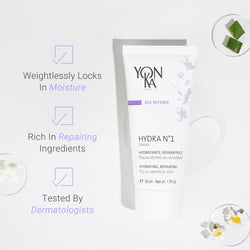
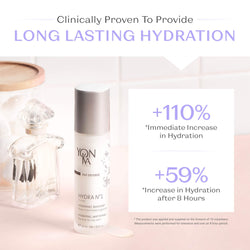
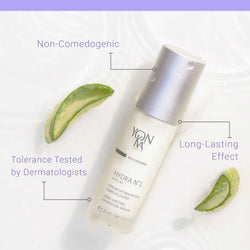
For a more balanced approach, our serums combine hydration and skin comfort in lighter textures. For example, Hydra N°1 Serum uses hyaluronic acid to help hydrate dry, dehydrated skin, while Hydra N°1 Crème adds botanical emollients for a richer finish.
When to Choose Botanical Alternatives
At Yon-Ka, we believe in the power of phyto-aromatics. This means we use the life force of plants—their essential oils and extracts—to support the skin's health. Our signature Quintessence blend provides more than just a scent; it offers purifying, soothing, and revitalizing benefits that petroleum jelly simply cannot match.
If you have dry skin, you are likely looking for two things: comfort and a healthy glow. Petroleum jelly provides the comfort of a barrier, but it rarely produces a long-term glow. By using products like Hydra N°1 Serum, you are providing the skin with the building blocks it needs to strengthen its own natural barrier.
To better understand how hyaluronic acid supports dry skin, read 9 Skin Benefits of Hyaluronic Acid.
Is Slugging Worth the Hype?
The viral trend of "slugging" has brought petroleum jelly back into the spotlight. Slugging involves applying a pea-sized amount of the jelly over your entire face as the final step of your nighttime routine.
While it can be helpful for those with extremely dry, non-acne-prone skin, it is often overkill for most. A better approach for many is "targeted slugging"—applying it only to the most vulnerable areas, like the under-eye or lips.
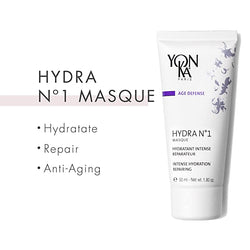
If you love the idea of an overnight intensive treatment but prefer a more refined experience, a hydrating mask like Hydra N°1 Masque can offer similar "plumping" results without the heavy mineral oil residue. It is designed to be left on overnight to provide deep repair while allowing the skin to breathe and absorb botanical actives.
Building a Phyto-Aromatic Ritual for Dry Skin
Instead of relying on a single heavy ointment, we recommend a layered ritual that addresses dryness at every level. This approach respects the skin’s barrier while providing the sensorial pleasure that makes skincare a daily joy.
Step 1: Gentle Cleansing
Dry skin often has a fragile barrier. Avoid harsh foaming cleansers that strip the skin. Lait Nettoyant is a gentle cleansing milk that removes impurities while respecting the skin’s pH and lipid balance. It leaves the skin feeling soft rather than tight.
Step 2: The Vital Mist
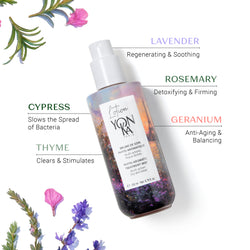
Preparation is key for absorption. Lotion Yon-Ka PS is our iconic, alcohol-free mist formulated for dry skin. Infused with the Quintessence essential oils, it drenches the skin in hydration and prepares it to receive the treatments that follow.
Step 3: Targeted Treatment
For skin that feels perpetually thirsty, a humectant-rich serum is essential. Hydra N°1 Serum uses hyaluronic acid to provide a long-lasting hydration effect. If your skin is more flaky and oil-deficient, a nourishing oil like Serum Omega provides the lipids necessary to smooth and repair.
Step 4: The Protective Veil
Finish with a moisturizer that matches your environment and skin type. Hydra N°1 Crème is ideal for very dry skin, providing a rich, comforting texture. If you are looking for a boost of nutrients, adding a few drops of Nutri+ Booster to your cream can customize your routine for extra nourishment.
Note: When introducing new products into your ritual, especially those with high concentrations of essential oils, we always recommend a patch test. Apply a small amount to your inner forearm and wait 24 hours to ensure your skin responds beautifully.
Common Myths About Petroleum Jelly and Skin
There is a lot of conflicting information about petroleum jelly. Let's clear up some of the most common misconceptions.
Myth: Petroleum jelly is a great moisturizer for everyone.
Fact: It is an occlusive, not a humectant. It locks moisture in but doesn't add moisture. If your skin is already dehydrated, applying it alone won't solve the problem.
Myth: Petroleum jelly causes acne because it’s thick.
Fact: It is non-comedogenic, but it acts like a "trap." It doesn't cause the acne itself, but it can trap existing oil and bacteria, which leads to breakouts.
Myth: "Slugging" is the only way to fix a broken skin barrier.
Fact: You can repair a skin barrier more effectively using ceramides, fatty acids, and plant-based lipids found in professional skincare, which support the skin's biological functions.
If you want help choosing a routine built around your skin’s actual needs, take our Skin Diagnosis quiz and see which products fit best.
When to See a Professional
While dry skin is often a temporary result of weather or lifestyle, persistent dryness can sometimes indicate an underlying condition. If you experience severe redness, intense itching, cracking that leads to bleeding, or patches that do not respond to over-the-counter moisturizers, it is time to consult a dermatologist or physician. They can help rule out conditions like eczema, psoriasis, or rosacea that may require specialized medical treatment.
For those looking to elevate their skincare beyond the basics, visiting a Yon-Ka partner spa can provide a next-level experience. Our skincare professionals use concentrated formulas and specialized techniques to deeply hydrate and revitalize the skin. You can use our Spa Locator to find a professional who can analyze your skin and recommend a tailored treatment.
If you are interested in the spa-side version of a deeply hydrating ritual, read about Hydra Yon-Ka treatment care.
The Importance of High-Quality Ingredients
When choosing what to put on your face, the quality of the ingredients matters. At Yon-Ka, our production is 100% French, meeting strict ISO standards. We exclude parabens, phthalates, SLS, and known endocrine disruptors from our formulas. Our goal is to provide products that are as safe as they are effective.
To see how we approach ingredient selection and formulation, explore our ingredients, our formulas, and our story. If you want a broader view of what Yon-Ka offers for dry skin, browse our collections.
While petroleum jelly is a simple, low-cost option, it lacks the sophistication of a balanced botanical formula. The skin is a living organ that benefits from the complex vitamins and minerals found in nature. By choosing plant-based skincare, you are choosing a more sustainable and nutrient-dense path to beauty.
Conclusion
So, is petroleum jelly good for dry skin on the face? The answer is a nuanced yes, but with limitations. It is an effective "emergency" barrier for extreme conditions and wound healing, but it falls short as a comprehensive daily moisturizer. It protects, but it does not nourish.
For those seeking a more refined, holistic approach to skincare, the world of phyto-aromatics offers a beautiful alternative. By moving beyond simple mineral byproducts and embracing the power of land and sea plants, you can achieve a complexion that doesn't just look protected—it looks vibrant, healthy, and full of life.
At Yon-Ka Paris, our mission for over 70 years has been to provide a ritualized approach to skincare, blending science and nature for a sensorial experience that truly works. We invite you to explore our collections and discover the difference that professional-grade, plant-based care can make.
If you are unsure which products are right for your specific needs, we invite you to take our Skin Diagnosis quiz or use the Product Matcher on our website. Whether you are dealing with seasonal dryness or long-term dehydration, there is a Yon-Ka ritual waiting to restore your skin’s natural radiance.
FAQ
Can I use petroleum jelly on my face every day?
For most people, using petroleum jelly every day is not necessary and may feel too greasy for daily wear. It is best used as a temporary treatment for extreme dryness or to protect the skin from harsh winter weather rather than as a primary daily moisturizer. If daily dryness is your main concern, a more balanced option from our face moisturizers may be a better fit.
Does petroleum jelly help with wrinkles?
Petroleum jelly does not contain anti-aging ingredients like peptides or retinol, so it cannot "fix" wrinkles. However, because it keeps the skin highly hydrated, it can temporarily make fine lines appear less noticeable by plumping the skin's surface. For a routine focused on hydration and visible comfort, Hydra N°1 Crème is a useful place to start.
Is petroleum jelly safe for sensitive skin?
Yes, pure petroleum jelly is generally very safe for sensitive skin because it is chemically inert and fragrance-free. However, because it is so heavy, some people with sensitive or reactive skin may find it causes "heat" or minor irritation if it prevents the skin from breathing. If you want a gentler daily option, explore products for dry skin or visit a Yon-Ka spa near you for guidance.
Should I apply petroleum jelly to dry or damp skin?
Petroleum jelly should always be applied to damp skin or over another moisturizer. Since its job is to lock in moisture, it needs moisture to be present on the skin's surface first; applying it to bone-dry skin will not be nearly as effective. For a layered routine that starts with cleansing and toning, see Lait Nettoyant and Lotion Yon-Ka PS.
Piel seca y deshidratada