Table of Contents
- Introduction
- Understanding the Causes of Facial Dryness and Flaking
- Distinguishing Between Dry and Dehydrated Skin
- The Yon-Ka Ritual for Redness and Flaking
- Critical Ingredients for Soothing the Skin
- Myth vs. Fact: Managing Facial Flaking
- Lifestyle Adjustments for Barrier Support
- Essential Oil Safety and Introduction
- Professional Treatments for Next-Level Results
- Conclusion
- FAQ
- Learn More
Introduction
Waking up to a complexion that feels tight, looks irritated, and sheds tiny flakes can be more than just a cosmetic nuisance; it is a signal that your skin’s protective barrier is crying out for help. That uncomfortable, stinging sensation when you apply your favorite moisturizer or the frustration of makeup clinging to rough patches are experiences many of us share during seasonal shifts or periods of stress. At Yon-Ka Paris, we believe that addressing these concerns requires a gentle, ritual-based approach rather than aggressive "fixes" that can further compromise your skin. This article explores the common triggers of facial redness and flaking, the science of barrier repair, and a curated botanical routine to restore your glow. By understanding how to treat dry red flaky skin on face through phyto-aromatic care, you can transition from reactive troubleshooting to a proactive, soothing ritual.
Understanding the Causes of Facial Dryness and Flaking
To effectively address skin that is both red and peeling, we must first identify the "why" behind the irritation. Your skin is protected by a delicate layer known as the acid mantle or the moisture barrier. This barrier is composed of lipids (fats) and natural moisturizing factors that keep hydration in and environmental aggressors out. When this barrier is breached, moisture evaporates quickly—a process known as transepidermal water loss (TEWL)—leading to the rough, "cracked" appearance of the skin cells.
Environmental Stressors and Climate
The most common external culprit is the environment. Low humidity levels, particularly during the winter months, strip the skin of its natural moisture. Central heating and air conditioning units act as dehumidifiers, pulling water directly from your pores. Similarly, excessive sun exposure can cause a microscopic "burn" that leads to inflammation and subsequent peeling.
Over-Cleansing and Harsh Ingredients
Ironically, many attempts to fix dry skin can make it worse. Using hot water or foaming cleansers containing harsh sulfates (like SLS) can strip away the very lipids your skin needs to stay supple. If you are using high concentrations of active ingredients—such as certain retinoids or strong acids—without a supporting moisture base, you may experience "retinization" or chemical irritation characterized by redness and flaking.
The Role of Aging and Genetics
As we age, our sebaceous glands produce less sebum (oil). This natural decline often begins in our 40s, making the skin more susceptible to dryness. Genetic factors also play a role; some individuals naturally produce fewer ceramides, the "glue" that holds skin cells together, leading to a chronically weak barrier.
Quick Answer: Treating dry, red, flaky skin requires repairing the skin’s moisture barrier through gentle, non-foaming cleansing, grain-free exfoliation to remove dead cells, and the application of lipid-rich moisturizers containing hyaluronic acid and plant-based omegas. Avoiding hot water and harsh chemical irritants is essential to allow the skin to heal.
Distinguishing Between Dry and Dehydrated Skin
It is a common misconception that "dry" and "dehydrated" are the same thing. However, understanding the difference is critical when deciding how to treat dry red flaky skin on face.
- Dry Skin (Skin Type): This is a genetic skin type that lacks oil. It often feels rough all over, has small pores, and is prone to premature fine lines. It requires oil-based nourishment and "lipid-restoring" ingredients.
- Dehydrated Skin (Skin Condition): This is a temporary state where the skin lacks water. It can affect any skin type, including oily skin. Dehydrated skin often looks dull, feels tight, and may show "crepy" fine lines that disappear when a hydrating mist is applied.
When skin is both red and flaky, it is often suffering from both—a lack of oil to protect the surface and a lack of water within the layers.
The Yon-Ka Ritual for Redness and Flaking
Our philosophy is rooted in the belief that skin should never be forced into submission. Instead, we use the power of phyto-aromatic ingredients to support the skin’s natural healing processes. To address flaking and redness, a consistent, layered ritual is more effective than any single "miracle" cream.
Step 1: Gentle, Barrier-Respecting Cleansing
When your skin is inflamed, the last thing it needs is a stripping cleanser. We recommend a milk-based cleanser like Lait Nettoyant. Unlike foaming gels, this cleansing milk maintains the skin’s pH balance and preserves its natural lipid film.
How to apply: Use your fingertips to massage the milk onto dry or slightly damp skin in circular motions. Rinse with lukewarm water—never hot—and pat dry with a soft cloth.
Step 2: The Phyto-Aromatic Mist
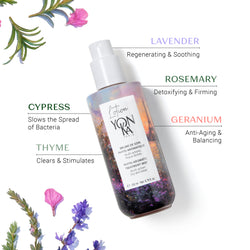
The second step in our ritual is the application of Lotion Yon-Ka PS. This is not a traditional astringent toner; it is a healing mist infused with our signature Quintessence—a blend of lavender, geranium, rosemary, cypress, and thyme essential oils. For dry skin (PS version), it is alcohol-free and enriched with glycerin to immediately soothe redness and prepare the skin to absorb the treatments that follow.
Step 3: Gentle Grain-Free Exfoliation
It is tempting to "scrub" away flakes with a physical exfoliant. However, on red, sensitive skin, abrasive beads can cause micro-tears and increase inflammation. This is where Gommage Yon-Ka becomes an essential tool. It is a grain-free, botanical "peel" that uses carob and lime essential oils to gently lift away dead skin cells without friction.
The Method: Apply a thin layer to the face and neck. Let it sit for one to two minutes until it begins to feel slightly tacky. Using your fingertips, gently "roll" the product off. The flakes will lift away, leaving a smooth surface ready for hydration.
Step 4: Targeted Lipid Repair
Once the dead skin is removed, you must replenish the lost lipids. Serum Omega is an oil-in-serum designed specifically for compromised barriers. Rich in Omega 3, 6, and 9 fatty acids from botanical oils, it acts as a "bandage" for the skin, reducing the appearance of redness and preventing further flaking.
Step 5: Deep Hydration and Protection
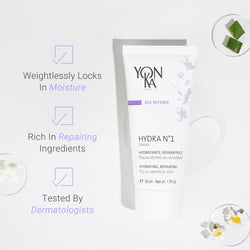
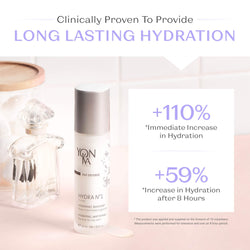
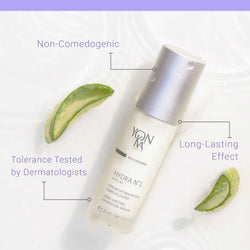
The final step is to lock everything in with a high-performance moisturizer. Hydra n°1 Creme is our premier solution for very dry or dehydrated skin. It utilizes hyaluronic acid and aloe vera to provide long-lasting comfort.
Key Takeaway: Effective treatment for flaking involves a "soft" approach: replace stripping cleansers with milk formulas, use grain-free exfoliants to avoid irritation, and layer water-binding serums under lipid-rich creams.
Critical Ingredients for Soothing the Skin
When reading labels to determine how to treat dry red flaky skin on face, look for ingredients that mimic the skin’s natural composition or provide immediate anti-inflammatory benefits.
- Hyaluronic Acid: A powerful humectant that draws moisture from the air into the skin. In our Hydra n°1 range, we use multiple molecular weights to ensure hydration reaches various layers of the epidermis.
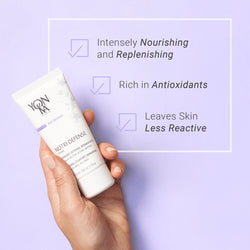
- Ceramides and Phytosterols: These are the fatty building blocks of the skin barrier. Plant-based oils like shea butter and jojoba, found in Nutri + Booster, are excellent sources of these lipids.
- Aloe Vera and Polysaccharides: These ingredients provide a "cooling" effect and help to flatten the look of rough flakes.
- The Yon-Ka Quintessence: Our foundational complex of five essential oils provides more than just a beautiful scent. Lavender soothes, geranium heals, rosemary revitalizes, cypress decongests, and thyme provides antiseptic support. This synergy helps the skin recover its natural balance.
Myth vs. Fact: Managing Facial Flaking
Myth: If my skin is flaky, I need to use a facial scrub every day.
Fact: Over-exfoliating red, flaky skin actually damages the moisture barrier further, leading to more flaking and increased sensitivity. Limit exfoliation to 1–2 times per week using a grain-free product.
Myth: Drinking water is the only way to fix dehydrated skin.
Fact: While internal hydration is vital, topical products are necessary to "trap" that moisture. Without a proper moisturizer, the water you drink can simply evaporate through a compromised barrier.
Myth: All essential oils irritate sensitive, red skin.
Fact: While undiluted or low-quality oils can be irritating, professional-grade, phyto-aromatic formulations use precise concentrations that provide therapeutic, calming benefits to the skin.
Lifestyle Adjustments for Barrier Support
Skincare products work best when supported by a healthy environment and lifestyle. If you are struggling with persistent dryness, consider these practical adjustments:
- Adjust Your Water Temperature: Hot water dissolves the natural oils on your face. Always use lukewarm or cool water for cleansing.
- Use a Humidifier: Especially during the winter or in arid climates, running a humidifier in your bedroom at night can significantly reduce morning tightness and flaking.
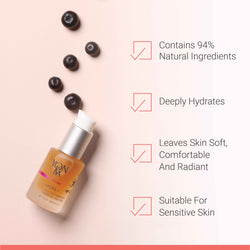
- Sun Protection is Non-Negotiable: UV rays damage the skin's ability to retain moisture. Even on cloudy days, apply a protective layer like Vital Defense Mist, which provides antioxidant protection against environmental stressors.
- Dietary Fats: Incorporating healthy fats like avocados, walnuts, and flaxseeds into your diet supports skin health from the inside out by providing the raw materials for lipid production.
Essential Oil Safety and Introduction
Because our formulas are highly active and contain pure essential oils, we always recommend a sensible approach to new routines. If your skin is currently very red or "broken," it is wise to perform a patch test on your inner forearm for 24 hours before full-face application.
Introduce one new product at a time so you can monitor your skin’s response. A slight, fleeting tingling sensation can be normal as the botanicals begin to work, but if you experience persistent redness, itching, or swelling, reduce the frequency of use or consult a professional. For those with medical conditions like suspected rosacea or eczema, we always recommend consulting a dermatologist.
Professional Treatments for Next-Level Results
Sometimes, at-home care needs a professional boost. At Yon-Ka, our heritage is rooted in the treatment room. If your skin feels "stuck" in a cycle of dryness, visiting a partner spa for a professional treatment can provide deep, long-lasting relief. A professional esthetician can use high-concentration botanical masques and specialized massage techniques to infuse the skin with hydration. You can find a local expert through our Spa Locator.
Conclusion
Learning how to treat dry red flaky skin on face is a journey of patience and botanical wisdom. By moving away from harsh "hacks" and embracing a ritual that cleanses gently, exfoliates without grains, and hydrates deeply with ingredients like hyaluronic acid and our signature Quintessence, you can restore your skin’s natural resilience. Remember that your skin is a living organ that responds to consistency and care.
If you are unsure which products are right for your specific level of dryness, we invite you to take our Skin Diagnosis quiz or use our Product Matcher tool. These resources are designed to help you build a personalized program that respects your skin’s unique needs. At Yon-Ka Paris, we remain dedicated to the belief that every skincare moment should be a ritual worth savoring—a fusion of French expertise and the timeless power of nature.
Bottom line: To calm red, flaky skin, stop the scrub and start the moisture. A routine of Lait Nettoyant, Lotion Yon-Ka, and Hydra n°1 Creme provides the essential lipids and water-binding ingredients needed to repair the barrier and restore a smooth, comfortable complexion.
FAQ
Why is my skin still flaky even though I moisturize every day?
You may be moisturizing over a layer of dead skin cells that prevents the product from absorbing properly. Using a gentle, grain-free exfoliator like Gommage Yon-Ka twice a week can remove this barrier, allowing your moisturizer to reach the living cells. Additionally, ensure your moisturizer contains both humectants to draw in water and emollients to seal it in.
Can I use Vitamin C or Retinol if my skin is red and flaky?
It is generally best to "pause" the use of strong active ingredients like Vitamin C or Retinol until your skin barrier is fully repaired. Once the redness and flaking have subsided, you can slowly reintroduce them, perhaps by mixing them with a soothing booster like Nutri + to buffer the intensity. Always prioritize barrier health over aggressive anti-aging treatments during a flare-up.
How long does it take for the skin barrier to heal?
With a consistent, gentle routine, you may see an improvement in the appearance of redness and flaking within 3 to 7 days. However, a full barrier "reset" typically takes about 28 days, which is the natural cycle of skin cell turnover. Consistency is key during this window to prevent a relapse into dryness.
Is facial flaking a sign of a more serious skin condition?
While most flaking is caused by environmental dryness or improper skincare, persistent redness and "waxy" or thick scales can sometimes indicate conditions like seborrheic dermatitis, rosacea, or eczema. If your skin is painful, burning, or does not respond to gentle home care after two weeks, we recommend consulting a physician or dermatologist for a professional diagnosis.
Learn More
If you want to understand Yon-Ka’s approach more deeply, explore our ingredients philosophy and the Product Spotlight on Lait Nettoyant. For a closer look at gentle exfoliation, read Product Spotlight: Gommage Yon-Ka, and for a protective daily mist, see Product Spotlight: Vital Defense. To compare toner options for your skin type, visit Lotion Yon-Ka PS vs. Lotion Yon-Ka PNG, and for a treatment-room perspective, read Treatment Spotlight: Vital Defense.
Piel seca y deshidratada