Table of Contents
- Introduction
- Identifying the Signs of Dry Blotchy Skin
- The Science of the Skin Barrier
- Environmental Triggers
- Lifestyle Habits That Exacerbate Dryness
- Biological Factors and Aging
- Understanding Underlying Skin Conditions
- The Phyto-Aromatic Approach to Recovery
- A Targeted Ritual for Dry Blotchy Skin
- Practical Lifestyle Adjustments
- Professional Care and Spa Expertise
- Conclusion
- FAQ
Introduction
The frustration of waking up to a complexion that feels tight, looks uneven, and reacts to every shift in temperature is a common experience, yet it remains one of the most challenging skin concerns to navigate. When your face develops dry, flaky patches alongside persistent areas of redness, your skin is sending a clear signal that its delicate equilibrium has been disrupted. At Yon-Ka Paris, we view these moments not as permanent flaws, but as an invitation to slow down and restore the skin’s natural harmony through purposeful, botanical care. In this article, we will examine the environmental, biological, and lifestyle factors that contribute to an uneven texture and tone. Understanding the root causes of dry blotchy skin is the first step toward building a resilient, radiant complexion that feels as good as it looks, especially when you’re choosing support from our Dry & Dehydrated Skin collection.
Identifying the Signs of Dry Blotchy Skin
Before we can address the underlying causes, it is important to recognize the specific ways dry blotchiness manifests. It is rarely a single symptom; rather, it is a combination of tactile and visual changes that indicate the skin barrier is struggling.
Dryness typically presents as a lack of oil (sebum), which leaves the skin looking dull and feeling "too small" for the face. When this is coupled with blotchiness, you may notice:
- Localized Flaking: Small, fine scales that often appear around the nose, eyebrows, or hairline.
- Tactile Roughness: Areas that feel "leathery" or sand-paper-like compared to the smoother skin on the neck or forehead.
- Reactive Redness: Patches of pink, red, or violet (depending on your skin tone) that become more pronounced after cleansing or exposure to wind.
- Invisible Tightness: A physical sensation of pulling, especially after the skin has been dried with a towel.
On deeper skin tones, these "blotchy" areas may not always appear red. Instead, they can manifest as ashy, grey, or dark brown patches where the skin has become thickened or irritated. Regardless of the color, the common denominator is an interruption in the skin's smooth, hydrated surface.
The Science of the Skin Barrier
To understand what causes dry blotchy skin on the face, we must look at the skin's primary defense system: the moisture barrier. In the world of professional skincare, we often use the "bricks and mortar" analogy. Your skin cells are the bricks, and the lipids—natural oils like ceramides, cholesterol, and fatty acids—are the mortar that holds them together.
When this "mortar" is healthy, it performs two critical functions. First, it keeps irritants and pollutants out. Second, it prevents transepidermal water loss (TEWL), which is the process where moisture evaporates from the deeper layers of the skin into the atmosphere.
When the barrier is compromised, the "mortar" develops gaps. Moisture escapes, causing the cells to shrink and flake, while external triggers easily penetrate the skin, causing the inflammatory response we see as blotchiness. Restoring the appearance of the skin requires us to replenish these essential lipids and soothe the underlying irritation.
Quick Answer: Dry blotchy skin is usually caused by an impaired skin barrier, which allows moisture to escape and irritants to enter. Common triggers include harsh weather, over-cleansing, aging, and underlying sensitivities that disrupt the skin’s natural oil production.
Environmental Triggers
Our skin is in a constant state of negotiation with the world around it. Because the face is almost always exposed, it bears the brunt of environmental shifts.
Weather and Humidity
The most frequent cause of sudden blotchiness is a change in climate. In winter, the air is naturally devoid of moisture. When we move from the biting cold outdoors to the dry, artificial heat of a home or office, the skin experiences a "moisture shock." Central heating acts like a giant sponge, pulling water directly out of your pores. This leads to that classic mid-winter texture: red cheeks and flaky patches.
UV Exposure and Oxidative Stress
While we often think of sun damage in terms of burns or dark spots, chronic UV exposure is a major contributor to chronic dryness. Sunlight breaks down the proteins that keep skin supple. Over time, this leads to a condition where the skin can no longer hold onto its own hydration, resulting in a permanently parched, blotchy appearance. Similarly, urban pollution—smoke, smog, and dust—can settle on the skin and trigger oxidative stress, which further weakens the protective barrier.
Lifestyle Habits That Exacerbate Dryness
Sometimes, our daily rituals are the very things causing our skin to react. Even with the best intentions, certain habits can strip the skin of its vitality.
The Hot Water Habit
There is nothing more relaxing than a steaming hot shower, but hot water is a known enemy of a healthy skin barrier. High temperatures melt away the natural sebum that protects your face. When you step out of a hot shower, the rapid evaporation of water from the surface of your skin can leave it more dehydrated than it was before you got in. This often causes immediate, temporary blotchiness.
Over-Cleansing and Harsh Ingredients
In an effort to "fix" blotchy skin, many people reach for aggressive scrubs or high-pH soaps. However, physical exfoliants with jagged grains can cause micro-tears in an already fragile barrier. Likewise, cleansers containing sodium lauryl sulfate (SLS)—a common foaming agent—can be too "efficient," removing not just dirt, but the very lipids your skin needs to stay calm.
Diet and Internal Hydration
While topical products are essential, the skin is also "fed" from the inside. A diet low in essential fatty acids (like those found in walnuts, flaxseeds, and fatty fish) can result in a thinner, more reactive lipid barrier. Furthermore, excessive caffeine or alcohol consumption can act as a diuretic, leaving the skin cells parched and less able to defend themselves against environmental stressors.
Biological Factors and Aging
As we move through different stages of life, our skin’s internal chemistry undergoes significant shifts. These biological changes are often the "silent" causes of dry, uneven skin.
The Natural Aging Process
As we age, our sebaceous (oil) glands become less active. By the time we reach our 40s and 50s, the skin naturally produces significantly less oil than it did in our youth. This reduction in sebum makes the skin less capable of "sealing" in moisture. Additionally, the rate of cellular turnover—the process by which the skin sheds dead cells and replaces them with new ones—slows down. This can lead to a buildup of dry, dull cells on the surface, creating a scaly, blotchy appearance.
Hormonal Fluctuations
Hormones are powerful messengers that dictate skin health. A drop in estrogen, which occurs during perimenopause and menopause, is directly linked to a decrease in skin lipids and collagen. This often manifests as skin that suddenly feels thin, reactive, and perpetually dry. Other conditions, such as thyroid imbalances, can also affect the skin’s ability to regulate its moisture levels and temperature, leading to persistent redness and flaking.
Understanding Underlying Skin Conditions
In some cases, dry blotchy skin on the face is more than just a reaction to the weather; it may be a symptom of a specific skin condition. While skincare can help manage the appearance of these concerns, it is important to distinguish them from simple dryness.
- Eczema (Atopic Dermatitis): Characterized by an intensely itchy, red, and scaly rash. It occurs when the skin barrier is genetically predisposed to being "leaky."
- Rosacea: Often mistaken for simple dryness, rosacea involves persistent redness and visible blood vessels. It is often triggered by heat, spicy foods, or stress and can include small, dry bumps.
- Seborrheic Dermatitis: This condition often causes "greasy" looking yellow or white flakes on red patches, particularly around the sides of the nose and the eyebrows.
- Contact Dermatitis: This is an allergic or irritant reaction to a specific substance, such as a new laundry detergent, a fragrance, or a harsh preservative.
Note: If your skin is painful, oozing, or does not improve with gentle care, we recommend consulting a physician or a dermatologist. Skincare products are designed to support the appearance of the skin but are not a substitute for medical treatment.
The Phyto-Aromatic Approach to Recovery
Our approach to skin health is rooted in the belief that nature provides the most effective tools for restoration. We utilize aromatics and phytotherapy (the use of plant extracts) to address the skin’s needs holistically.
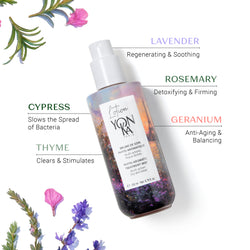
The foundation of many of our formulas is the Quintessence. This exclusive complex of five essential oils—lavender, geranium, rosemary, cypress, and thyme—works in synergy to stabilize the skin. Lavender and geranium are particularly prized for their ability to soothe the appearance of redness and calm the complexion, while rosemary supports the skin's natural revitalization. If you want to learn more about the brand’s ingredient philosophy, visit Our Ingredients. By using plant-based actives, we provide the skin with ingredients it "recognizes," encouraging a return to balance without the use of harsh synthetics.
A Targeted Ritual for Dry Blotchy Skin
When your skin is in a reactive state, the "less is more" philosophy is often the most effective. A consistent, layered ritual focused on barrier repair can significantly improve the look and feel of your complexion.
Step 1: Gentle Cleansing
The goal of cleansing dry skin is to remove impurities without disturbing the acid mantle. Avoid foaming gels and instead reach for a creamy milk cleanser. Lait Nettoyant is a professional favorite for this purpose. It utilizes gentle emulsifiers to lift away makeup and pollution while leaving a soft, protective film on the skin.
Step 2: Prepare with a Phyto-Aromatic Mist
After cleansing, skip the harsh, alcohol-based toners. Instead, use a mist that provides immediate hydration and prepares the skin for treatments. Lotion Yon-Ka PS is designed specifically for dry skin and features our signature Quintessence. This step ensures that the skin is damp when you apply your next products, which significantly enhances absorption.
Step 3: Intense Hydration
To address the "blotchy" appearance, you need to provide both water (hydration) and oil (nourishment).
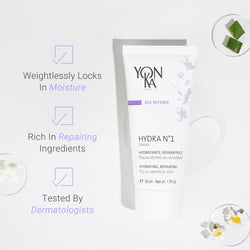
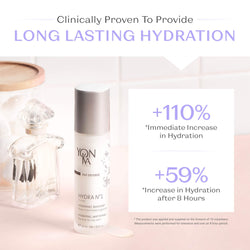
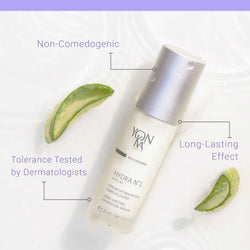
- Hydra N°1 Creme: This is our go-to recommendation for dry, reactive skin. It contains two types of hyaluronic acid—a powerful humectant that can hold up to 1,000 times its weight in water—to plump the appearance of the skin and smooth out dry flakes.
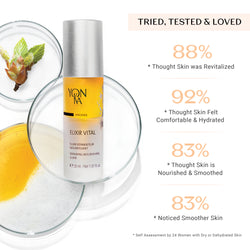
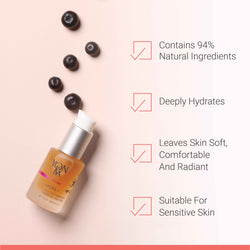
- Serum Omega: If your skin feels particularly "parched" or thin, adding a lipid-rich serum can help "patch" the gaps in your moisture barrier. This oil-in-serum provides the essential fatty acids your skin may be lacking.
- For readers who want a broader hydration routine, our Best Moisturizers for Dry, Dehydrated Skin guide offers a helpful next step.
Step 4: Gentle Exfoliation
It may seem counterintuitive to exfoliate dry patches, but removing the buildup of dead cells is necessary for your moisturizer to work effectively. However, you must avoid abrasive scrubs. Gommage Yon-Ka is a grain-free, botanical peel that is gentle enough even for the most sensitive skin. It uses carob and lime to lift away dead cells without any mechanical friction.
Step 5: Daily Protection
Never skip sun protection. UV rays are a constant stressor that will only worsen the appearance of redness. Use a broad-spectrum sunscreen every morning as the final step in your ritual.
| Step | Product Category | Recommended Product | Key Benefit |
|---|---|---|---|
| Cleanse | Milk Cleanser | Lait Nettoyant | Respects the skin's natural oils. |
| Tone | Phyto-Mist | Lotion Yon-Ka PS | Rehydrates and calms the look of redness. |
| Treat | Hydrating Serum | Hydra N°1 Serum | Deeply saturates the skin with moisture. |
| Moisturize | Repairing Cream | Hydra N°1 Crème | Softens texture and repairs the look of the barrier. |
| Exfoliate | Grain-free Peel | Gommage Yon-Ka | Smooths flakes without irritation. |
Practical Lifestyle Adjustments
Skincare works best when supported by a lifestyle that prioritizes skin health. To help reduce the frequency of dry, blotchy flare-ups, consider the following adjustments:
- Introduce a Humidifier: Especially during the winter months, running a humidifier in your bedroom at night adds moisture back into the air, preventing your skin from drying out while you sleep.
- Lower the Temperature: Wash your face with lukewarm water rather than hot. Your skin should never feel "steamed" after cleansing.
- The 60-Second Rule: Apply your mist and moisturizer within 60 seconds of patting your face dry. This locks in the water still present on the surface of your skin.
- Patch Test New Products: When introducing a new active ingredient, perform a patch test on your inner forearm for 24 hours. Introduce only one new product at a time to monitor how your skin reacts.
- Stay Hydrated from Within: Aim for consistent water intake throughout the day and include healthy fats in your diet to support your skin's internal "mortar."
Key Takeaway: Resolving dry blotchy skin requires a dual approach: avoiding external strippers (like hot water and harsh cleansers) while proactively replenishing the skin's moisture barrier with humectants and plant-based lipids.
Professional Care and Spa Expertise
While a home ritual is the foundation of skin health, professional treatments can offer a deeper level of recovery. Our brand was born in the treatment room, and our professional estheticians are experts at analyzing the specific triggers behind your skin concerns.
A professional facial, such as our "Le Grand Classique" or a dedicated hydrating treatment, uses high-concentration botanicals and specialized massage techniques to oxygenate the tissues and deeply infuse the skin with moisture. If you find that your dry patches are persistent despite your best efforts at home, visiting a local spa for a professional diagnosis can be a transformative step. You can find a certified partner near you through our Spa Locator.
For those who are unsure which products are right for their specific skin type, our online Skin Diagnosis quiz or Product Matcher can provide a personalized starting point. If you are curious about the spa background behind these services, explore our treatment philosophy and the Dry & Dehydrated Skin collection.
Conclusion
Dry blotchy skin on the face is often a sign that your skin is overwhelmed by its environment or its own biological changes. By moving away from aggressive "fixes" and toward a ritual of respect and nourishment, you can restore the smooth, even-toned complexion you desire. At Yon-Ka Paris, we remain dedicated to the art of phyto-aromatic skincare—fusing 70 years of French pharmaceutical rigor with the healing power of plants. Remember that skin health is a journey of consistency; with the right botanical support and a little patience, your skin can return to its most vibrant, resilient state.
FAQ
Why is my skin still dry even though I use a heavy moisturizer?
A heavy moisturizer may not be effective if your skin is severely dehydrated (lacking water) or if there is a buildup of dead skin cells blocking absorption. Try using a grain-free exfoliator like Gommage Yon-Ka once or twice a week, and always apply a hydrating mist like Lotion Yon-Ka PS before your cream to provide the "water" element your skin needs.
Can stress cause my face to look blotchy?
Yes, stress triggers the release of cortisol, which can increase inflammation in the body and weaken the skin's barrier. This often manifests as increased sensitivity, redness, and a "dull" or uneven appearance. Incorporating calming rituals and soothing botanical ingredients like lavender and geranium can help manage the visual symptoms of stress on the skin, and a mask from our Face Masks collection can be a helpful weekly support.
Is it okay to use Vitamin C on dry, blotchy skin?
Vitamin C can be very beneficial for brightening the appearance of blotchy skin, but the form and concentration matter. For reactive or dry skin, look for a stabilized, gentle formula like Serum C20, which is designed to provide antioxidant protection and brightening benefits without the irritation often associated with traditional L-ascorbic acid.
How long does it take for a dry skin barrier to repair?
The skin's natural renewal cycle takes approximately 28 to 30 days, though this can slow down as we age. With a consistent, barrier-respecting ritual, you may notice an improvement in comfort and hydration within a week, but significant changes in texture and the reduction of blotchy patches typically take four to six weeks of dedicated care. If you want to continue exploring options, our Best Sellers collection is a simple place to compare what other Yon-Ka customers choose most often.
Piel seca y deshidratada