Table of Contents
- Introduction
- Why Dead Skin Accumulates on the Face
- The Risks of Aggressive Scraping
- The Professional Alternative: The "Gommage" Technique
- Chemical vs. Physical Exfoliation: Which is Best?
- A Targeted Ritual for Removing Dry Skin
- Identifying Your Skin Type Before Exfoliating
- Common Mistakes to Avoid
- The Importance of Sun Protection
- Professional Spa Treatments for Deep Exfoliation
- Integrating Phyto-Aromatic Science
- Maintaining Your Results
- Conclusion
- FAQ
Introduction
Finding flaky patches when you apply foundation or noticing a dull, sandpaper-like texture in the mirror can be deeply frustrating. The urge to "scrape" away that buildup is a natural reaction to seeing skin that looks tired and uneven. However, the skin on your face is delicate, and aggressive physical removal can lead to micro-tears, redness, and a compromised moisture barrier. At Yon-Ka Paris, we believe that removing dead skin should be a sensorial, gentle ritual that respects your skin’s biology. This article will explain the safest methods for removing dry skin, the science of cellular turnover, and how to transition from harsh "scraping" to effective, phyto-aromatic exfoliation. By choosing the right professional-grade methods, you can achieve a radiant, smooth complexion without the risk of irritation.
Why Dead Skin Accumulates on the Face
Your skin is a living organ that is constantly regenerating. In a healthy cycle, new skin cells are born in the deeper layers of the epidermis and travel to the surface, where the old, dead cells naturally shed. This process, known as desquamation, typically takes about 28 to 40 days. However, as we age, this natural "shedding" slows down.
When dead skin cells don’t fall off as they should, they begin to pile up. This accumulation creates a barrier that prevents your serums and moisturizers from penetrating deeply. Instead of your skincare working for you, it sits on top of a "wall" of dry debris. Factors like cold winter air, indoor heating, dehydration, and even environmental pollution can cause these cells to stick together, resulting in that flaky texture many people try to scrape off.
The Risks of Aggressive Scraping
The term "scrape" often brings to mind physical tools or harsh abrasive scrubs. While it might feel satisfying to "scrub away" the dryness, your skin’s outermost layer—the stratum corneum—is actually a sophisticated defense system. When you use aggressive physical force, you risk several complications:
- Micro-tears: Small, invisible rips in the skin surface that allow bacteria to enter.
- Post-Inflammatory Hyperpigmentation: Physical trauma can trigger melanin production, leading to dark spots.
- Barrier Disruption: Stripping away too much skin leaves the "living" layers exposed to irritants and UV damage.
- Increased Sensitivity: Over-exfoliated skin often feels tight, stings when products are applied, and appears chronically red.
Instead of force, the goal should be to dissolve the "glue" that holds those dead cells in place, allowing them to lift away effortlessly.
The Professional Alternative: The "Gommage" Technique
In the world of French professional skincare, we often use a method called "gommage." The word gommage literally means "to erase." Unlike traditional scrubs that use jagged seeds or pits, a gommage is a grain-free botanical peel.
Gommage Yon-Ka is our iconic example of this professional approach. It is a 4-in-1 gel that you apply in a thin layer. As it begins to set, you use your fingertips to gently "roll" the product off the skin. This action mimics the "scraping" motion you might feel you need, but because it uses soft botanical friction and citrus extracts, it lifts away dead cells without any scratching or abrasion. It is particularly effective for those with sensitive skin who cannot tolerate traditional acids or physical beads.
Chemical vs. Physical Exfoliation: Which is Best?
When people search for how to scrape dry skin off their face, they are usually looking for a way to exfoliate. Exfoliation generally falls into two categories: chemical and mechanical (physical).
Chemical Exfoliation: Dissolving the Bonds
Chemical exfoliants use mild acids or enzymes to break the bonds between dead skin cells. This is often much safer than "scraping" because it provides an even application across the entire face.
- Alpha Hydroxy Acids (AHAs): Ingredients like lactic acid and glycolic acid are water-soluble. They work on the surface to brighten and smooth the appearance of dry skin. Lactic acid is especially popular because it is a humectant, meaning it helps the skin hold onto moisture while it exfoliates.
- Beta Hydroxy Acids (BHAs): Salicylic acid is the most common BHA. It is oil-soluble, allowing it to get inside the pores to clear out debris. This is ideal for those who have dry flakes on the surface but also struggle with congestion or oily patches.
- Fruit Enzymes: Enzymes from pineapple (bromelain) or papaya (papain) literally "digest" the proteins of dead skin. These are incredibly gentle and are often found in products designed for sensitive or reactive skin.
Physical Exfoliation: Manual Removal
Mechanical exfoliation involves using a tool or a textured substance to physically rub away the skin.
- Washcloths: Using a soft, damp cloth in small circular motions is a very mild form of physical exfoliation.
- Professional Dermaplaning: This is a professional treatment where an esthetician uses a specialized surgical blade to "scrape" away dead skin and peach fuzz. This should never be attempted at home with a standard razor, as the angle and pressure require professional training to prevent scarring.
- Micro-beads and Scrubs: We recommend avoiding any scrubs that contain walnut shells or apricot kernels. Instead, look for perfectly spherical jojoba beads or bamboo silica, which roll across the skin rather than scratching it.
A Targeted Ritual for Removing Dry Skin
To safely remove dry buildup, you must follow a structured ritual. Jumping straight into exfoliation without preparing the skin can lead to irritation.
Step 1: Respectful Cleansing
Start with a gentle, barrier-respecting cleanser like Lait Nettoyant. This cleansing milk removes makeup and impurities while maintaining the skin's lipid balance. If your skin is very dry, avoid foaming cleansers with harsh sulfates that can make flakes look even worse.
Step 2: The Phyto-Aromatic Prep
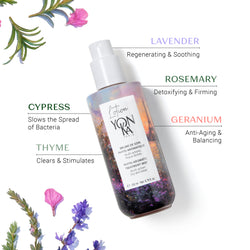
Before applying any treatment to remove dry skin, use a mist like Lotion Yon-Ka PS. Our signature mist, available in PS (for dry skin) or PNG (for oily skin), is infused with the Quintessence. This blend of lavender, geranium, rosemary, cypress, and thyme essential oils prepares the skin to receive active ingredients and ensures that your exfoliator can work more effectively.
Step 3: Gentle Exfoliation
Apply your chosen exfoliator. If you are using Gommage Yon-Ka, apply it to the face and neck, let it sit for a minute, and then use the "erasing" motion with your fingertips. If you prefer a more intensive overnight treatment, a product like Glyconight 10% Masque uses glycolic acid to do the work while you sleep, revealing smoother-looking skin by morning.
Step 4: Intensive Hydration
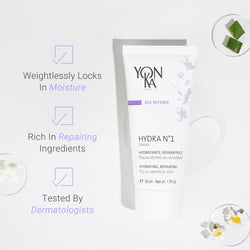
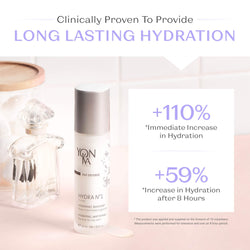
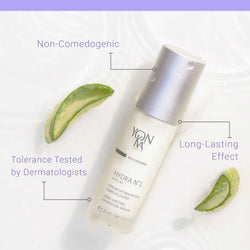
Freshly revealed skin is thirsty. Follow your exfoliation with a deep hydrator like Hydra n°1 Crème. This ensures that the new cells are immediately protected and saturated with moisture, preventing the "re-bound" dryness that often happens after exfoliation.
Key Takeaway: Effective skin removal is about "erasing" and "dissolving" rather than "scraping" and "scrubbing." A grain-free gommage or a mild AHA treatment respects the skin barrier while delivering a professional-level polish.
Identifying Your Skin Type Before Exfoliating
Before you decide how to address those dry patches, you must identify your skin type. Using the wrong method for your skin can lead to more dryness or even breakouts.
For a wider look at polishing options, explore our Face Exfoliators collection.
| Skin Type | Common Signs | Recommended Exfoliation Method |
|---|---|---|
| Dry | Tightness, visible flakes, dullness | Lactic acid or grain-free gommage |
| Oily | Shiny appearance, large pores, congestion | Salicylic acid (BHA) or gentle clay-based scrubs |
| Sensitive | Redness, stinging, reactive to weather | Fruit enzymes or very mild gommage |
| Combination | Oily T-zone, dry cheeks | Targeted exfoliation (BHA on T-zone, Gommage on cheeks) |
Common Mistakes to Avoid
When the goal is to remove dry skin quickly, it is easy to make mistakes that set your skin health back weeks.
Avoid Over-Exfoliating More is not better. Even if your skin feels very rough, limit exfoliation to 1–3 times per week depending on your skin’s tolerance. Over-exfoliating can cause "shiny" but thin-looking skin, which is a sign of a damaged barrier.
Don't Skip the Patch Test Whenever you introduce a new botanical or chemical product, perform a patch test on your inner forearm. Wait 24 hours to ensure you don't have a reaction to the active essential oils or acids.
Stop Using "Kitchen" Scrubs Large salt or sugar crystals are often too jagged for the face. While they may work for the heels of your feet or your elbows, the skin on your face is significantly thinner. Using these can cause permanent redness or broken capillaries.
Never Exfoliate Sunburned or Broken Skin If your skin is peeling because of a sunburn or if you have active acne lesions, skip the exfoliation. Your skin is already in a state of trauma and needs healing, not removal. Use a soothing mask like Sensitive Masque instead.
The Importance of Sun Protection
Freshly exfoliated skin is highly sensitive to the sun. When you remove the top layer of dead skin, the newer cells underneath are more vulnerable to UV damage. This is why we always recommend applying a broad-spectrum sunscreen as the final step in your morning routine. Failure to protect your skin after "scraping" or exfoliating can lead to faster aging and the very dullness you were trying to fix.
You can also keep your routine organized with our Sun Care collection.
Professional Spa Treatments for Deep Exfoliation
If you find that home products aren't enough to manage your dry skin, a professional treatment is the next step. Skincare professionals have access to higher concentrations of actives and specialized tools that provide deeper results safely.
At a Yon-Ka partner spa, you might experience a professional peeling treatment or a deep-cleansing ritual that uses the full power of phyto-aromatic therapy. These treatments are tailored to your specific skin needs and provide a "reset" for your complexion. You can use our Spa Locator to find a certified professional in your area who can analyze your skin and provide a customized plan.
Integrating Phyto-Aromatic Science
Our approach at Yon-Ka is rooted in the fusion of aromatherapy and phytotherapy. We don't just focus on the physical removal of skin; we focus on the health of the cells underneath. The Quintessence—our core complex of five essential oils—is designed to revitalize and balance the skin.
To learn more about the philosophy behind our formulas, visit Our Ingredients.
- Lavender: Soothes and calms the appearance of redness.
- Geranium: Supports skin's natural balance.
- Rosemary: Purifies and tones the look of the skin.
- Cypress: Helps to soothe and improve the look of skin texture.
- Thyme: Provides powerful purifying benefits.
By incorporating these botanicals into your exfoliation routine, you aren't just "scraping" away the old; you are nourishing the new.
Maintaining Your Results
Removing dry skin is only half the battle; maintaining a smooth texture requires consistency. A daily ritual of cleansing, misting, and moisturizing ensures that the skin stays hydrated so that dead cells can shed naturally without building up.
If you are unsure which products are best for your specific level of dryness, we recommend taking our Skin Diagnosis quiz or using the Product Matcher on our website. These tools help translate your concerns into a personalized program of French-made, phyto-aromatic skincare.
Bottom line: The best way to "scrape" dry skin off your face is to use a gentle, professional-grade gommage or AHA that lifts debris while preserving the skin's vital moisture barrier.
Conclusion
Healthy, glowing skin isn't achieved through force, but through a dedicated ritual that respects your skin's natural cycles. While the urge to scrape dry skin off your face is understandable, switching to a botanical peel or a gentle chemical exfoliant will provide much better long-term results. By using methods like the grain-free gommage and supporting your skin with the power of the Quintessence, you can reveal a complexion that is soft, radiant, and resilient.
At Yon-Ka Paris, our mission is to provide you with the professional expertise and phyto-aromatic formulas needed to turn your skincare into a moment of true wellness. Explore our Face Moisturizers or discover more about Our Story to find the perfect partners for your skin-smoothing journey.
FAQ
Is it okay to use a washcloth to scrape dry skin off my face?
Using a soft washcloth is a safe, very mild form of mechanical exfoliation if done gently with warm water. However, you should avoid vigorous "scraping" or scrubbing, as this can cause redness and irritation. For a more thorough removal of dead skin, a botanical peel or a grain-free gommage is often more effective and precise.
How often should I remove the dry skin from my face?
Most skin types benefit from exfoliation 1 to 3 times per week. If you have very dry or sensitive skin, once a week is usually sufficient to prevent buildup without causing irritation. Oily skin types may tolerate more frequent exfoliation, but it is important to always monitor your skin for signs of redness or sensitivity.
Can I use a regular body scrub on my face to save time?
No, we strongly advise against using body scrubs on the face. The skin on your body is thicker and more resilient than the delicate skin on your face, and body scrubs often contain larger, harsher particles like coarse salt or sugar. Using these on your face can lead to micro-tears, broken capillaries, and significant barrier damage.
Why does my skin look flaky again right after I exfoliate?
This often happens if you don't follow your exfoliation with enough hydration. When you remove the top layer of skin, the "new" skin is more prone to moisture loss. If you don't immediately apply a high-quality moisturizer or a hydrating serum like Serum Omega, the skin can dry out quickly, leading to more flaking. It can also be a sign that you are over-exfoliating and damaging your skin's natural moisture barrier.
Piel seca y deshidratada