Table of Contents
- Introduction
- Why Your Face Feels Tight and Dry
- Dehydrated vs. Dry: Identifying Your Skin’s Needs
- The Foundation of Comfort: Gentle Cleansing
- The Power of the Phyto-Aromatic Mist
- Targeted Treatments for Lasting Hydration
- Choosing the Right Moisturizer
- Weekly Rituals: Masks and Exfoliation
- The Nighttime Recovery Window
- Lifestyle Adjustments to Support Your Skin
- When to Consult a Professional
- Conclusion
- FAQ
Introduction
That uncomfortable, restrictive sensation of skin that feels a size too small is a common frustration, especially when the seasons shift or environmental stressors mount. When you look in the mirror and see dullness or fine lines that weren't there yesterday, you are experiencing the physical manifestation of a compromised moisture barrier. At Yon-Ka Paris, we believe that addressing "tightness" requires more than just a heavy cream; it demands a holistic ritual that respects the skin’s delicate ecosystem. This article will explore why your skin feels parched, how to distinguish between a lack of oil and a lack of water, and the specific phyto-aromatic steps you can take to restore a supple, radiant complexion. By understanding the synergy between botanical science and consistent care, you can transform the appearance of your skin from stressed to sensational while learning more about our ingredients.
Why Your Face Feels Tight and Dry
The sensation of "tightness" is often the first warning sign your skin sends when its protective outer layer, known as the lipid barrier, is struggling. This barrier is responsible for keeping essential moisture in and environmental irritants out. When it is weakened, moisture evaporates through a process called transepidermal water loss (TEWL), leaving the skin feeling brittle and less elastic.
Several factors contribute to this condition. Environmental exposure to cold, biting winds or dry indoor heating can quickly sap the moisture from your surface cells. Aging also plays a significant role; as we mature, our sebaceous glands produce less oil, and the natural production of hydrating molecules like hyaluronic acid begins to slow down.
Furthermore, lifestyle habits such as washing with hot water or using harsh, detergent-based cleansers can strip away the very oils your skin needs to stay flexible. If your skin feels particularly tight immediately after cleansing, your current routine may be too aggressive for your skin type.
Dehydrated vs. Dry: Identifying Your Skin’s Needs
Before learning how to get rid of tight dry skin on face, it is essential to identify whether your skin is dry or dehydrated. While the terms are often used interchangeably, they represent two different physiological states that require different solutions.
Dry Skin: A Lack of Oil
Dry skin is a skin type. It means your skin naturally produces less sebum (oil) than normal. This lack of lipids results in a rough texture, potential flaking, and a persistent feeling of tightness. To support dry skin, you need to "feed" it with nourishing plant oils and essential fatty acids to reinforce the skin’s "mortar."
Dehydrated Skin: A Lack of Water
Dehydrated skin is a skin condition that can affect anyone, including those with oily or combination skin. It occurs when there is an insufficient amount of water in the uppermost layers of the epidermis. Dehydrated skin often looks dull, feels tight, and may show "crepy" fine lines that disappear once moisture is restored. This condition requires "drinking" products—humectants that pull water into the skin.
Key Takeaway: If your skin feels tight but still looks shiny or prone to breakouts, you are likely dehydrated. If your skin looks matte, flaky, and feels tight all over, you are likely dry.
The Foundation of Comfort: Gentle Cleansing
The most common mistake when dealing with tight skin is over-cleansing. Using a foaming wash that leaves your face "squeaky clean" is often a sign that you have disrupted your acid mantle—the protective film of acidity on the skin's surface.
To restore comfort, transition to a soap-free, pH-balanced cleanser. Our Lait Nettoyant is a cult-favorite cleansing milk that treats the skin with incredible gentleness. This botanical milk removes makeup and impurities while maintaining the skin's natural balance. Because it is enriched with purifying borneol and nourishing plant extracts, it leaves the skin feeling soft and supple rather than stripped.
When cleansing, always use lukewarm water. Hot water causes the capillaries to dilate and accelerates moisture evaporation, which immediately increases that "tight" feeling. Gently pat your face dry with a soft towel; never rub, as friction can further irritate an already compromised barrier.
The Power of the Phyto-Aromatic Mist
In the Yon-Ka ritual, the toning step is never about "stripping" the skin with alcohol. Instead, it is a crucial moment of hydration and preparation. After cleansing, misting the face with a phyto-aromatic toner helps to rebalance the skin and enhances the absorption of subsequent serums and creams.
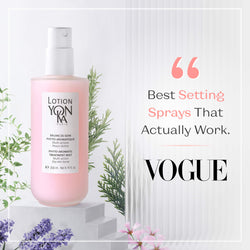
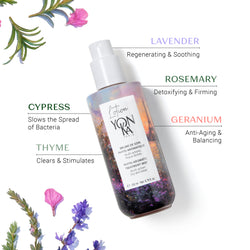
Lotion Yon-Ka PS is specifically designed for dry and sensitive skin types. This alcohol-free mist is infused with our signature Quintessence—a proprietary blend of five essential oils: lavender, geranium, rosemary, cypress, and thyme.
- Lavender provides a soothing effect on the appearance of redness.
- Geranium supports a balanced complexion.
- Rosemary helps to revitalize the look of the skin.
- Cypress and Thyme offer purifying and toning benefits.
By applying your moisturizer while the skin is still damp from this mist, you "lock in" the aromatic water, providing an immediate surge of relief to tight-feeling skin.
Targeted Treatments for Lasting Hydration
Once the skin is cleansed and misted, it is time to apply targeted treatments that address the root of the dryness. To effectively address tightness, you should look for formulas that provide both immediate relief and long-term barrier support. If you want to explore more options for this step, our face moisturizers are a good place to start.
The Role of Hyaluronic Acid
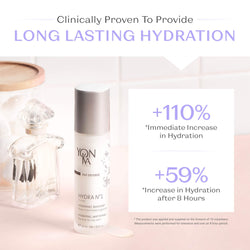
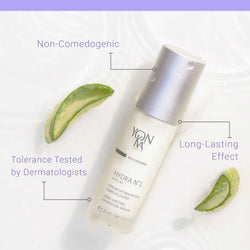
Hyaluronic acid is a powerful humectant found naturally in our bodies. It acts like a sponge, capable of holding many times its weight in water. In skincare, it is used to pull moisture into the skin, plumping the appearance of fine lines and softening the texture. For those struggling with dehydration, a serum like Hydra n°1 Serum provides a concentrated dose of long-lasting hydration.
Essential Fatty Acids and Lipids
For skin that is truly dry (lacking oil), water alone isn't enough. You must replenish the lipids that hold the skin cells together. The best way to understand this ingredient family is through our formulas, where you can see how Yon-Ka builds comfort into each step. Rich, nurturing textures help restore the look of elasticity and comfort.
Eye Care for Delicate Areas
The skin around the eyes is the thinnest on the face and often the first to feel tight and uncomfortable. Phyto-Contour is a refined eye cream that utilizes the power of rosemary to visibly firm and de-puff while providing essential moisture to this vulnerable area. Using a dedicated eye treatment helps prevent the "pulling" sensation that often occurs in the orbital region.
Choosing the Right Moisturizer
A moisturizer acts as a protective shield for your skin. It seals in your serums and provides a barrier against the elements. When skin is tight, you need a formula that offers more than just surface-level softening.
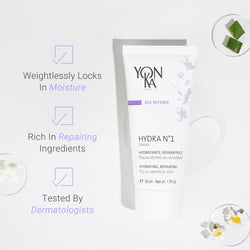
For intense, multi-level hydration, Hydra n°1 Crème is an exceptional choice. This cream is enriched with hyaluronic acid, shea butter, and hazelnut oil to repair the appearance of the skin and provide a matte yet deeply hydrated finish. It is specifically formulated to comfort dry or very dry skin types that are prone to sensitivity.
If environmental pollution or city living is contributing to your skin's dullness and tightness, explore the broader products for dry and dehydrated skin. This helps you build a routine that addresses both comfort and resilience.
Note on Essential Oil Safety: Most Yon-Ka products contain our signature Quintessence essential oil complex. While these oils provide therapeutic benefits, we always recommend a patch test on the inner forearm for 24 hours when introducing a new active product. Introduce one new formula at a time to allow your skin to adjust. A slight, brief tingling sensation can be normal, but persistent redness means you should reduce the frequency of use.
Weekly Rituals: Masks and Exfoliation
When skin is dry and tight, your first instinct might be to scrub away the flakes. However, traditional physical scrubs with jagged grains can create micro-tears in a weakened barrier, leading to more inflammation.
Instead, opt for a professional-style exfoliation like Gommage Yon-Ka. This "gel-to-peel" exfoliator is grain-free and uses carob and lime essential oil to gently lift away dead skin cells without any abrasive friction. It is so gentle it can even be used on the eyelids. Removing dead skin allows your hydrating products to penetrate more effectively.
Follow your exfoliation with a deep-recovery mask. If you are building a more complete at-home ritual, our mask collection is the next place to look. This is particularly effective during the winter months or after air travel when skin feels exceptionally tight and depleted.
The Nighttime Recovery Window
While you sleep, your skin enters a repair mode, making the evening the most critical time to address dryness. During the night, the skin's permeability increases, allowing active ingredients to be absorbed more deeply.
For a transformative overnight treatment, Glyconight 10% Masque uses glycolic acid to gently renew the skin's surface while you rest. While "acid" might sound intimidating for dry skin, this formula is balanced to ensure that the "peeling" effect is matched by skin-soothing botanicals.
If your skin feels severely depleted, adding a few drops of a nourishing booster to your night cream can provide an extra layer of nourishment. For more inspiration on this kind of custom layering, see our dry-skin hydration guide.
Lifestyle Adjustments to Support Your Skin
Even the most sophisticated skincare ritual can be undermined by environmental factors. To truly get rid of tight dry skin on face, consider these practical adjustments:
- Use a Humidifier: Especially during the winter, indoor heating strips moisture from the air. A humidifier in the bedroom helps maintain a "dewy" environment for your skin overnight.
- Hydrate from Within: While drinking water doesn't directly "fill up" your skin cells, chronic dehydration can affect your overall skin health. Aim for consistent water intake and include healthy fats like avocado, walnuts, and flaxseeds in your diet to support your lipid barrier.
- Cool Down Your Showers: We often repeat this because it is vital. Steam may feel good, but it is a thief of hydration. Wash your face at the sink with cool or lukewarm water rather than in a hot shower.
- Protect from the Sun: Sun damage weakens the skin barrier over time. Even on cloudy days, use a broad-spectrum protection product to prevent UV rays from further drying out your complexion.
When to Consult a Professional
Most cases of tight, dry skin can be managed with a consistent, high-quality botanical ritual. However, if your skin is persistently red, painful, "weeping," or if the dryness is interfering with your daily life, it is important to consult a dermatologist. Conditions like eczema, seborrheic dermatitis, or psoriasis require medical diagnosis and specialized care.
For those looking to take their hydration to the next level, a professional spa treatment can provide deeper results than home care alone. Yon-Ka Paris is trusted by thousands of skincare professionals worldwide. A professional treatment like Hydralessence or a dedicated hydration facial uses specialized techniques and high-concentration professional products to "reset" your skin’s moisture levels. You can use our Spa Locator to find a certified partner near you.
Conclusion
Managing tight, dry skin is about moving away from aggressive "fixes" and toward a consistent, nurturing ritual. By prioritizing barrier repair and using professional-grade botanical ingredients, you can restore the comfort and luminosity your skin deserves. At Yon-Ka Paris, our 70-year heritage is rooted in the belief that skincare is a moment of wellbeing, combining the pharmaceutical rigor of our laboratories with the sensorial power of nature.
Key Takeaway: The secret to ending skin tightness is a three-pronged approach: gentle, non-stripping cleansing, layering humectants like hyaluronic acid with nourishing lipids, and protecting the skin from environmental moisture thieves.
To discover the perfect routine for your specific needs, we invite you to take our Skin Diagnosis quiz or use the Product Matcher on our website. Embracing a tailored phyto-aromatic ritual is the first step toward skin that feels as beautiful as it looks.
FAQ
Why does my skin feel tight even after I apply moisturizer?
If your skin still feels tight after moisturizing, your barrier may be so compromised that moisture is evaporating right through the cream. You likely need to add a hydrating serum with hyaluronic acid underneath your cream, or a lipid-rich oil to "seal" the barrier. Additionally, ensure you are exfoliating gently to remove dead skin cells that may be preventing your moisturizer from absorbing.
Is hot water really that bad for dry skin?
Yes, hot water is one of the primary culprits behind skin tightness. High temperatures strip the natural oils and "natural moisturizing factors" from the surface of your skin, leading to immediate dehydration. Switching to lukewarm water for all facial cleansing is one of the simplest and most effective ways to improve your skin's comfort.
Can I use retinol if my skin feels tight and dry?
Retinol is a powerful anti-aging ingredient, but it can be drying as it increases cell turnover. If your skin is currently feeling tight, it is best to pause retinol use until your barrier is restored. When you reintroduce it, use a "sandwich" method—applying a thin layer of moisturizer before and after the retinol—and pair it with deeply hydrating products to counteract potential dryness. For ingredient education, our article on hyaluronic acid is a helpful next read.
How often should I exfoliate if my skin is dry and flaky?
While it is tempting to exfoliate every day to remove flakes, this will likely worsen the tightness. For dry or sensitive skin, we recommend exfoliating only once or twice a week using a grain-free formula like Gommage Yon-Ka. This frequency is enough to brighten the appearance of the skin without causing irritation or further damaging the moisture barrier.
Piel seca y deshidratada