Table of Contents
- Introduction
- Understanding the Difference Between Dry and Dehydrated Skin
- Common Causes of Facial Irritation and Dryness
- The Phyto-Aromatic Approach to Soothing Irritation
- Your Step-by-Step Ritual for Recovery
- Essential Ingredients for Dry, Irritated Skin
- Tips for Managing Severe Dryness and Sensitivity
- When to Consult a Professional
- Nourishing the Skin from Within
- Conclusion
- FAQ
Introduction
Waking up to a complexion that feels tight, itchy, or visibly flaky can cast a shadow over your morning. That uncomfortable sensation of "too-small" skin often comes with redness and a rough texture that resists even the best makeup application. At Yon-Ka Paris, we believe that your skin is a living organ that deserves a gentle, restorative touch rather than aggressive treatments. Whether your discomfort is caused by the biting winter air, indoor heating, or a compromised moisture barrier, there is a path back to a soft, velvety glow. In this article, we will explore the underlying causes of facial dryness, the essential botanical ingredients that support repair, and a step-by-step phyto-aromatic ritual designed to soothe and replenish. By shifting your approach from "fixing" to "nurturing," you can effectively restore balance and comfort to your skin.
For skin that feels both dry and reactive, it helps to start by browsing the dry & dehydrated skin collection.
Quick Answer: To get rid of dry, irritated skin on the face, you must repair the skin's protective lipid barrier and replenish deep hydration. This is best achieved by switching to a gentle milk cleanser, using a humectant-rich mist, and sealing in moisture with creams containing plant oils, hyaluronic acid, and ceramides.
Understanding the Difference Between Dry and Dehydrated Skin
Before you can effectively address the irritation on your face, it is vital to understand what your skin is actually asking for. While "dry" and "dehydrated" are often used interchangeably, they describe two different physiological states that require different solutions.
Dry skin is a skin type characterized by a lack of oil (lipids). Your skin’s sebaceous glands are not producing enough sebum to keep the surface lubricated and the barrier intact. This often results in a rough, flaky texture and a persistent feeling of tightness.
Dehydrated skin, on the other hand, is a temporary condition where the skin lacks water. Even oily skin types can become dehydrated. Dehydration often manifests as fine lines, a dull appearance, and skin that feels tight but might still look shiny or experience breakouts.
When your skin is both dry and irritated, you are likely dealing with a compromised skin barrier. Think of your skin barrier as a "brick and mortar" structure where your skin cells are the bricks and lipids (fats) are the mortar. When the mortar is missing, moisture escapes—a process known as transepidermal water loss (TEWL)—and irritants can easily enter, leading to redness and sensitivity.
If irritation and redness are part of the picture, the sensitive skin & redness collection is a helpful place to look next.
Common Causes of Facial Irritation and Dryness
To get rid of the discomfort for good, we must identify the triggers that are stripping your skin of its natural defenses. Our faces are more exposed to the environment than any other part of our body, making them particularly vulnerable.
Environmental Triggers
Extreme weather is one of the most common culprits. Cold, windy winter air has very low humidity, which literally "pulls" moisture out of your skin. Conversely, the high heat and sun exposure of summer can cause inflammation and evaporation of surface moisture. Indoor environments are not always a refuge; air conditioning and central heating systems create a desert-like atmosphere that can leave your face feeling parched by mid-afternoon.
Over-Exfoliation and Harsh Products
In an attempt to "scrub away" flakes, many people reach for physical scrubs or high-percentage acid peels. This often backfires. If your skin is already irritated, aggressive exfoliation further damages the delicate barrier. Similarly, many conventional foaming cleansers contain harsh surfactants like sodium lauryl sulfate (SLS), which strip away the essential oils your skin needs to stay resilient.
For a gentler approach, you can explore the cleansers & makeup removers collection, then follow with the toners & mists collection.
The Aging Process
As we mature, our skin naturally produces less sebum and fewer moisture-binding substances like hyaluronic acid. This biological shift means that the skincare routine that worked in your 20s may no longer be sufficient in your 40s or 50s. The skin becomes thinner and less efficient at holding onto the hydration it receives.
Lifestyle and Daily Habits
Long, steaming hot showers might feel relaxing, but they are devastating for dry skin. Hot water dissolves the natural fats on the skin's surface. Additionally, lifestyle factors such as a diet low in essential fatty acids or inadequate water intake can manifest as a lackluster, easily irritated complexion.
The Phyto-Aromatic Approach to Soothing Irritation
At the heart of the Yon-Ka philosophy is the belief that plants hold the key to skin health. We use a fusion of aromatherapy (the use of essential oils) and phytotherapy (the use of plant extracts) to address the appearance of dryness.
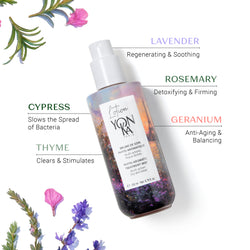
Our signature Quintessence—a proprietary blend of lavender, geranium, rosemary, cypress, and thyme—is the foundation of our restorative formulas. These oils are not just for scent; they are active ingredients that help to revitalize and balance the skin's appearance. When skin is irritated, the calming properties of lavender and the purifying nature of thyme work in harmony to support a more comfortable feel.
To learn more about this signature blend, visit our ingredients page.
Key Takeaway: Treating dry skin is not just about adding oil; it is about repairing the "mortar" of the skin barrier to prevent moisture from escaping while simultaneously infusing the skin with water-binding botanical actives.
Your Step-by-Step Ritual for Recovery
When your face is in a state of distress, simplicity is your best friend. A consistent, layered routine is far more effective than a single "miracle" product.
Step 1: Barrier-Respecting Cleansing
The first step in getting rid of irritation is to stop the damage during the cleansing process. Switch from foaming or gel cleansers to a creamy, lipid-rich milk like Lait Nettoyant. This formula cleanses away impurities and makeup without disrupting the skin's natural pH or stripping away precious oils.
How to apply: Use your fingertips to massage the milk into your skin using gentle, circular motions. Instead of rinsing with hot water, use lukewarm water or a soft, damp cloth to remove the product. This prevents the "flash drying" effect that often happens after washing.
Step 2: The Healing Mist
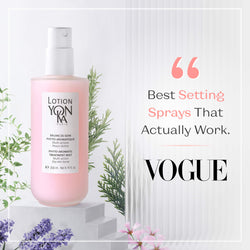
Immediately after cleansing, your skin is most receptive to hydration. Avoid alcohol-based toners, which are often too astringent for irritated skin. Instead, drench your face in a phyto-aromatic mist like Lotion Yon-Ka PS.
This isn't just water; it is a powerhouse of essential oils that prepares the skin to absorb the products that follow. It helps to instantly cool the sensation of irritation and provides a base of moisture that "plumps" the appearance of the skin cells.
Step 3: Targeted Lipid and Water Replacement
This is the treatment phase where you address both dry and dehydrated states. For skin that feels raw and lipid-depleted, an oil-in-serum like Serum Omega is essential. It delivers essential fatty acids (Omegas 3, 6, and 9) that act as the "mortar" for your skin barrier.
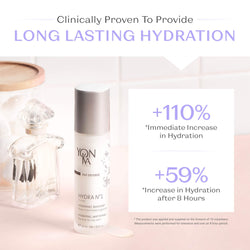
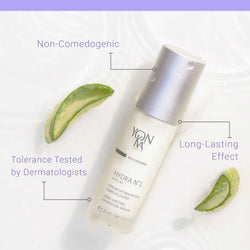
If your skin feels tight and looks dull, adding a humectant is necessary. Humectants are molecules that act like magnets for water. Hydra N°1 Serum uses hyaluronic acid to draw moisture into the deeper layers of the skin's surface, providing long-lasting comfort.
Step 4: Sealing and Protecting
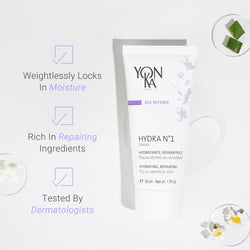
The final step is to lock everything in with a high-quality moisturizer. Hydra N°1 Creme is specifically formulated for dry and sensitive skin. It provides a protective film that mimics the skin's natural barrier, preventing the environmental triggers we discussed earlier from causing further damage.
In the morning, never skip sun protection. Irritated skin is more prone to UV damage, which can worsen redness and lead to premature aging. Use a gentle, broad-spectrum sunscreen as the final layer of your morning routine.
Essential Ingredients for Dry, Irritated Skin
When reading labels, look for these specific botanical and scientific actives that are proven to support a healthy-looking complexion:
- Hyaluronic Acid: This sugar molecule can hold up to 1,000 times its weight in water. It is a powerful humectant that helps smooth the look of fine lines caused by dehydration.
- Vegetal Glycerin: A classic but highly effective ingredient that helps the skin retain its moisture.
- Shea Butter and Hazelnut Oil: Rich in lipids, these plant-based emollients soften the skin and provide a protective cushion against the elements.
- Vitamin E: A potent antioxidant that helps protect the skin from environmental stressors while supporting repair.
- Aloe Vera: Known for its immediate cooling and soothing properties, it is excellent for reducing the appearance of redness.
Tips for Managing Severe Dryness and Sensitivity
Sometimes, a standard daily routine isn't enough to tackle extreme irritation. Here are professional strategies to accelerate your skin's recovery:
The Overnight Moisture Mask
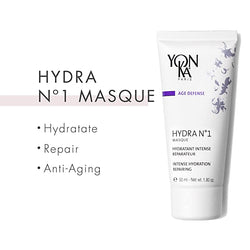
When your skin feels particularly "parched," use a dedicated hydrating mask as an overnight treatment. Hydra N°1 Masque can be applied in a thin layer before bed. Instead of washing it off, let it sink in while you sleep. You will wake up to skin that looks noticeably more supple and refreshed.
If you prefer to compare mask options, the face mask collection is a good next stop.
Boost Your Moisturizer
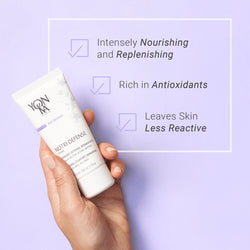
If you find that your skin feels dry again just a few hours after moisturizing, you may need to "boost" your cream. Adding a few drops of Booster Nutri + to your daily moisturizer can provide an extra dose of nourishment and antioxidants, helping your skin stay comfortable throughout the day.
For more targeted support, explore the boosters collection.
Mind the Water Temperature
It bears repeating: water temperature is critical. If the water is hot enough to turn your skin pink, it is too hot. Aim for a "tepid" or "lukewarm" temperature. This simple change can significantly reduce the amount of daily irritation your skin experiences.
Use a Humidifier
Since we spend a large portion of our time indoors, controlling the environment is key. A humidifier in your bedroom adds moisture back into the air, preventing your skin from drying out overnight while you sleep.
Note: When introducing new botanical products, we always recommend a simple patch test. Apply a small amount of the product to your inner forearm and wait 24 hours to ensure your skin is comfortable with the formula. Introduce one new product at a time to easily identify what works best for your unique complexion.
When to Consult a Professional
While most cases of dry, irritated skin can be managed with a dedicated phyto-aromatic ritual and lifestyle changes, some conditions require medical expertise.
If your skin is persistently red, cracking, bleeding, or showing signs of a possible infection (such as yellow crusting or extreme swelling), please consult a physician or a dermatologist. Conditions like eczema, rosacea, and psoriasis are medical concerns that may require prescription treatments alongside your cosmetic skincare.
For those looking to take their skin health to the next level, a professional facial can work wonders. A Yon-Ka trained esthetician can perform deep hydration treatments that are difficult to replicate at home. You can find a local partner by using our Spa Locator or learn more about our Spa Treatments.
Nourishing the Skin from Within
Your skin is a reflection of your internal health. To support the work you are doing topically, ensure you are nourishing your body correctly:
- Healthy Fats: Incorporate foods rich in Omega-3 fatty acids, such as walnuts, flaxseeds, and fatty fish. These help support your skin's lipid production from the inside out.
- Hydration: Drink plenty of water throughout the day. While it won't "fix" dry skin on its own, it ensures your cells have the hydration they need to function optimally.
- Gentle Fabrics: If your face is irritated, be mindful of what touches it. Use silk or high-thread-count cotton pillowcases, and wash them with fragrance-free, hypoallergenic detergents.
If you want a personalized routine, you can also use our Skin Diagnosis quiz or try the Product Matcher.
Bottom line: Getting rid of dry, irritated skin requires a dual approach of replenishing missing oils and attracting essential water, all while avoiding the harsh triggers that caused the damage in the first place.
Conclusion
Restoring comfort to dry, irritated skin is a journey of patience and consistency. By choosing barrier-respecting cleansers, mineral-rich mists, and nutrient-dense moisturizers, you are giving your face the tools it needs to repair and thrive. Skincare is more than just a chore; it is a daily ritual that allows you to reconnect with yourself and savor the healing power of nature. At Yon-Ka Paris, we remain committed to our 70-year heritage of phyto-aromatic excellence, ensuring every drop of our French-made formulas supports both your skin's health and your overall wellbeing. If you are unsure where to start your recovery journey, we invite you to take our Skin Diagnosis quiz or use the Product Matcher to find your perfect botanical match.
"True beauty begins with a sense of comfort in one's own skin. By embracing a ritual of gentle care and botanical wisdom, we allow our natural radiance to shine through."
FAQ
Can I use a scrub if my skin is flaky and dry?
We generally advise against using grainy physical scrubs on irritated skin, as the friction can cause micro-tears and worsen redness. Instead, opt for a gentle, grain-free exfoliator like Gommage Yon-Ka, which uses plant enzymes to lift away dead skin cells without irritation, leaving the surface smooth and hydrated.
If you want to explore more options, browse the exfoliators collection.
How long does it take for dry skin on the face to heal?
While you may feel immediate relief after applying a high-quality moisturizer like Hydra N°1 Creme, the skin's natural renewal cycle takes about 28 to 30 days. With a consistent daily ritual, you will likely see a significant improvement in the appearance of texture and redness within two to four weeks.
Is it okay to use essential oils on irritated skin?
Yes, provided they are expertly formulated and diluted. The essential oils in our Quintessence are used for their ability to balance and soothe the skin's appearance; however, we always recommend a patch test on the inner forearm for those with high sensitivity before full facial application.
To learn more about the philosophy behind these formulas, explore our brand story.
Why does my skin still feel dry after I put on moisturizer?
This usually happens if your skin is severely dehydrated or if your moisturizer is only sitting on the surface. Ensure you are using a humectant-rich mist like Lotion Yon-Ka PS first to "wet" the skin, and consider layering a lipid-rich serum like Serum Omega under your cream to prevent the moisture from evaporating.
Piel seca y deshidratada