Table of Contents
- Introduction
- Understanding Why Dry Patches Form
- The Role of Gentle Cleansing
- The Power of the Phyto-Aromatic Mist
- Strategic Hydration and Lipid Replenishment
- Exfoliation Without Irritation
- Advanced Repair with Boosters and Elixirs
- The Benefits of Overnight Care
- Essential Oil Safety and Sensorial Wellbeing
- Environmental and Lifestyle Adjustments
- The Yon-Ka Paris Phyto-Aromatic Tradition
- Conclusion
- FAQ
Introduction
Waking up to find rough, flaky, or tight patches on your skin can feel like a setback, especially when you have been diligent about your self-care. These localized areas of dryness often appear around the nose, cheeks, or forehead, creating an uneven texture that makes makeup application difficult and causes the skin to feel persistently uncomfortable. At Yon-Ka Paris, we understand that addressing these patches requires more than just a heavy cream; it demands a specialized ritual that restores the skin’s natural barrier while replenishing lost lipids and moisture.
In this article, we will explore the common causes of dry facial patches, the essential ingredients that soothe rough texture, and the specific steps you can take to reclaim a soft, supple complexion. By understanding the synergy between botanical science and consistent care, you can transform the appearance of your skin and maintain long-term hydration.
Understanding Why Dry Patches Form
Before we can address the solution, we must recognize the "why" behind the dryness. Dry patches are essentially areas where the skin’s protective moisture barrier has become compromised, allowing water to escape—a process known as transepidermal water loss (TEWL). When this barrier is weakened, the skin cannot retain the hydration it needs to stay smooth and flexible.
Several factors contribute to these localized rough spots:
- Environmental Transitions: Cold air and low humidity during winter, combined with indoor heating, strip moisture from the air and your skin.
- Biological Aging: As we age, especially past 40, the skin’s production of natural oils (sebum) decreases significantly, making it harder to maintain a uniform moisture level.
- Harsh Cleansing Habits: Using soaps with high pH levels or hot water can dissolve the essential lipids that hold your skin cells together.
- Mechanical Irritation: Excessive scrubbing or using physical exfoliants with jagged grains can create micro-tears, leading to inflammation and scaly patches.
If you find that your dry patches are accompanied by persistent redness, intense itching, or if they begin to weep or bleed, it is important to consult a physician or a dermatologist. These may be signs of a medical condition such as eczema or psoriasis that requires clinical intervention.
The Role of Gentle Cleansing
The first step in fixing dry patches is often doing less, not more. Many people attempt to scrub away flakes, but this often exacerbates the problem by damaging the underlying healthy skin. Instead, you must switch to a barrier-respecting cleanser.
We recommend a milk-based formula like Lait Nettoyant. This gentle cleansing milk removes impurities and makeup while maintaining the skin’s delicate acid mantle. When washing, always use lukewarm water—never hot—and use your fingertips in light, circular motions. Patting the skin dry with a soft cotton towel is much more effective than rubbing, as it prevents further mechanical stress on dry areas.
The Power of the Phyto-Aromatic Mist
In the French skincare tradition, the step between cleansing and moisturizing is critical. After cleansing, the skin’s pH can be slightly disrupted. A botanical mist does more than just refresh; it prepares the skin to better absorb the active ingredients in your serums and creams.
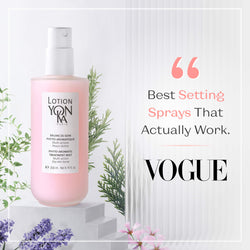
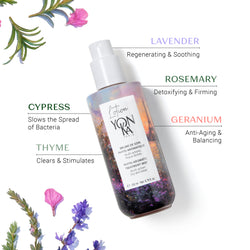
Our signature Lotion Yon-Ka PS is a foundational element of this process. It features our iconic Quintessence—a blend of lavender, geranium, rosemary, cypress, and thyme essential oils. This mist provides immediate hydration and helps to "re-wet" the skin, ensuring that your subsequent products glide on smoothly and penetrate deeply rather than sitting on top of a dry, crusty surface.
Strategic Hydration and Lipid Replenishment
To fix a dry patch, you must address two distinct needs: hydration (adding water) and lipid replenishment (adding oil). A patch is often both dehydrated and dry, meaning it lacks both water and the fats required to seal that water in.
For a broader overview of formulas built for this concern, explore our dry & dehydrated skin collection.
Humectants for Moisture
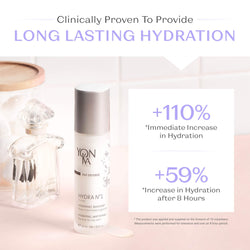
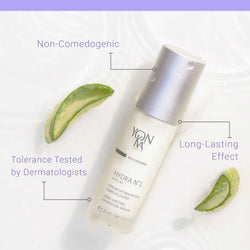
Humectants are ingredients that act like magnets, pulling water into the skin. Hyaluronic acid is the most well-known humectant, capable of holding up to 1,000 times its weight in water. For those struggling with deep-set dryness, a targeted serum like Hydra N°1 Serum can provide a concentrated dose of long-lasting hydration to the lower layers of the epidermis.
Emollients and Occlusives for Barrier Repair
Once you have introduced water, you must seal it. This is where emollients and occlusives come into play. Squalane, an oily compound that mimics the skin's natural sebum, and Ceramides, which are fatty molecules that act as the "mortar" between skin cell "bricks," are essential.
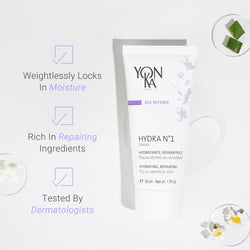
For localized patches, applying a richer cream like Hydra N°1 Crème provides the necessary lipids to smooth the appearance of rough texture. This cream is specifically designed to comfort very dry skin, using ingredients like shea butter and grape seed oil to reinforce the barrier.
Routine Summary for Dry Patches:
- Cleanse: Use Lait Nettoyant to soothe and purify without stripping.
- Mist: Generously apply Lotion Yon-Ka PS to hydrate and prep.
- Treat: Layer Hydra N°1 Serum for deep hydration.
- Moisturize: Apply Hydra N°1 Crème to lock in moisture and repair the barrier.
Exfoliation Without Irritation
It is a common misconception that you should avoid exfoliation when you have dry patches. In reality, gently removing the dead, flaky cells can help your moisturizers work more effectively. However, the type of exfoliation is what matters most.
You should avoid physical scrubs with seeds or beads, which can be too aggressive for compromised skin. Instead, look for grain-free exfoliators. Our Gommage Yon-Ka is a botanical peel that uses carob and citrus lime to gently lift away dead skin cells without any abrasive friction. It is so gentle that it can even be used on the eyelids. By using a grain-free "gel" exfoliator once or twice a week, you can smooth out the dry patches without triggering inflammation.
Advanced Repair with Boosters and Elixirs
Sometimes, a standard moisturizer isn't enough to tackle stubborn, scaly spots. This is when a "booster" or a face oil can make a significant difference.
If your skin feels particularly tight or depleted, adding a few drops of Serum Omega or Nutri+ Booster to your cream can provide an infusion of essential fatty acids. These oils help to "fill in" the gaps in your skin barrier, providing a visible smoothing effect. Serum Omega is particularly effective for lipid-depleted skin, as it uses cold-pressed plant oils to restore the look of suppleness and elasticity.
The Benefits of Overnight Care
The skin undergoes its most intensive repair processes while you sleep. This is the ideal time to apply a "cocooning" treatment that can work undisturbed for several hours.
An overnight mask, such as Glyconight 10% Masque, acts as an intensive moisture surge. Unlike a traditional rinse-off mask, you can apply a thin layer of this cream-gel after your toning mist and leave it on overnight. For those dealing with dullness alongside their dry patches, this option offers a gentle glycolic acid peel that works overnight to refine texture and boost radiance, though it should be introduced gradually to ensure the skin remains comfortable.
Essential Oil Safety and Sensorial Wellbeing
Most of our formulations are built upon the Quintessence, our proprietary complex of five essential oils. These botanicals are 100% natural and active, providing both skin-strengthening benefits and a profound aromatic experience that supports emotional wellbeing.
To learn more about the formulation approach behind these ingredients, visit Our Ingredients.
Note: When introducing a new product with essential oils or active acids, we recommend performing a patch test on your inner forearm for 24 hours. While a slight tingling sensation can be a normal sign of the botanical activity, any persistent redness or discomfort means you should reduce the frequency of use. If you have extremely sensitive skin, introduce only one new product at a time to your ritual.
Environmental and Lifestyle Adjustments
Skincare products are the foundation of healthy skin, but your environment plays a supporting role. To prevent dry patches from returning, consider these practical adjustments:
- Use a Humidifier: Especially in the bedroom, a humidifier adds moisture back into the air, preventing the "vacuum" effect that pulls water out of your skin overnight.
- Watch Water Temperature: Hot water is the enemy of dry skin. Wash your face and body with lukewarm water to keep your natural oils intact.
- Sun Protection: UV damage can weaken the skin's barrier over time. Even on cloudy days, applying a moisturizer with broad-spectrum protection is essential for preventing future dryness.
- Internal Hydration: While drinking water doesn't directly "moisturize" the skin in the way a cream does, staying hydrated supports the health of all body tissues, including the epidermis.
If you are unsure which formula category matches your skin best, take our Skin Quiz for a personalized routine.
The Yon-Ka Paris Phyto-Aromatic Tradition
Since 1954, we have remained dedicated to the science of phyto-aromatics. Our family-founded house was born in a professional laboratory near Paris, where we pioneered the use of essential oils and plant extracts in therapeutic skincare. Today, over 7,000 skincare professionals worldwide trust our products in their treatment rooms.
To see how our heritage shapes every formula, explore our brand story and our spa treatments. Every product we create is 100% French-made and adheres to a strict formulation charter. We exclude parabens, phthalates, SLS, and known endocrine disruptors, ensuring that your ritual is as clean as it is effective. We believe that caring for dry skin is not just a cosmetic necessity but a moment of connection with the power of nature.
If you want professional guidance in person, you can also find a Yon-Ka spa near you.
Conclusion
Fixing dry skin patches on the face is a journey that requires patience and the right botanical tools. By moving away from aggressive scrubbing and embracing a ritual of gentle cleansing, phyto-aromatic toning, and deep lipid replenishment, you can restore the appearance of your skin's natural health and vibrancy. Remember that consistency is key—your skin barrier needs time to repair and strengthen itself.
If you are building a full routine, start by browsing our face moisturizers collection for the right finishing step.
- Switch to a milk cleanser to preserve natural oils.
- Use a grain-free exfoliator to smooth texture without irritation.
- Layer humectants and emollients to lock in long-lasting moisture.
- Protect your skin from environmental stressors like heaters and UV rays.
If you are unsure which products are best suited for your unique skin type, we invite you to take our Skin Diagnosis quiz or use our Product Matcher tool on our website. Whether you are addressing a temporary seasonal shift or chronic dryness, Yon-Ka Paris offers a professional-grade solution rooted in 70 years of expertise. Your skin is a living organ that deserves to be nurtured with the finest plant-based ingredients the world has to offer.
"Skincare is more than a routine; it is a ritual of restoration that honors the skin's natural intelligence."
FAQ
How long does it take for dry patches on the face to go away?
With a consistent ritual of gentle cleansing and intensive hydration, you may see an improvement in the appearance of dry patches within 7 to 10 days. However, because the skin's natural renewal cycle takes about 28 days, it may take a full month of consistent care to see the skin texture fully smoothed and the barrier restored.
Can I use retinol if I have dry skin patches?
Retinol can sometimes exacerbate dry patches because it increases the rate of cell turnover, which can lead to temporary flaking. If you use retinol, it is best to avoid applying it directly to active dry patches and to always "sandwich" your treatment between layers of a hydrating cream like Hydra N°1 Crème to maintain comfort.
Why do dry patches appear even if I use moisturizer?
Dry patches often persist because the moisturizer being used lacks the necessary lipids to repair the skin barrier or because the skin is not being exfoliated gently enough to allow the moisturizer to penetrate. Adding a booster like Serum Omega can provide the essential fatty acids needed to properly "seal" the skin and prevent moisture from evaporating.
Should I exfoliate a dry patch?
Yes, but only with a grain-free exfoliator. Avoid physical scrubs, which can tear the skin and cause more inflammation. A product like Gommage Yon-Ka uses botanical enzymes to gently dissolve the bonds between dead skin cells, allowing them to lift away without any scrubbing, which helps the skin appear smoother and better able to absorb hydration.
Piel seca y deshidratada