Table of Contents
- Introduction
- Understanding the Root Causes of Flakiness
- The Importance of a Barrier-Respecting Cleanse
- The Role of Phyto-Aromatic Toning
- How to Exfoliate Flaky Skin Without Irritation
- Rebuilding the Moisture Barrier with Targeted Serums
- Selecting the Right Moisturizer for Flaky Skin
- Overnight Recovery and Treatment Masks
- Environmental and Lifestyle Adjustments
- Professional Spa Treatments for Deep Repair
- A Note on Essential Oil Safety
- The Science of Plant-Based Ingredients
- Conclusion
- FAQ
Introduction
Waking up to a complexion that feels tight, rough, or shows visible patches of flakiness can be more than just a cosmetic frustration; it often feels like your skin is in a state of constant thirst that no amount of heavy cream can quench. When you are looking for how to clear dry flaky skin on face, the solution lies not in aggressive scrubbing, but in a sophisticated balance of botanical replenishment and barrier support. At Yon-Ka Paris, we have spent seven decades perfecting the art of phyto-aromatic care to address these exact concerns. Learn more about our brand story and the approach behind our formulas. This article will explore the biological causes of facial flakiness, the essential steps to restore a smooth texture, and the professional-grade rituals that help your skin regain its natural, healthy glow. By understanding the synergy between gentle exfoliation and deep hydration, you can transform a parched complexion into one that feels supple and revitalized.
Understanding the Root Causes of Flakiness
Before you can effectively clear flakiness, it is essential to understand why it occurs. Flaky skin is typically the result of a compromised moisture barrier or an irregular cell turnover process. Under normal conditions, your skin undergoes a natural desquamation process where dead cells shed invisibly. When the skin is dehydrated or lacks essential lipids, these cells clump together, creating the visible scales we recognize as flakes.
Several factors can trigger this localized dryness. Environmental stressors, such as cold winter air, low indoor humidity from central heating, and excessive UV exposure, are common culprits. Furthermore, internal factors like the natural aging process can lead to a decrease in sebum production, the skin's natural oil that keeps the surface lubricated. Using harsh, alkaline soaps or over-using active ingredients like high-strength retinoids without proper buffering can also strip the skin of its protective oils, leading to a "Sahara-like" texture. If your skin often feels both dry and thirsty, explore our Dry & Dehydrated Skin collection.
Quick Answer: To clear dry flaky skin on the face, transition to a non-foaming milk cleanser, use a grain-free botanical exfoliator twice weekly, and layer a hydrating serum containing hyaluronic acid beneath a lipid-rich moisturizer to repair the skin barrier.
The Importance of a Barrier-Respecting Cleanse
The journey to clearing dry skin begins with your first morning and evening step: cleansing. Many people mistakenly use foaming cleansers that contain harsh surfactants like sodium lauryl sulfate, which can further damage an already fragile moisture barrier. When the skin is flaky, it is crying out for comfort, not more "squeaky clean" stripping.
A milky, lipid-replenishing cleanser like Lait Nettoyant is ideal for this skin state. It gently lifts away impurities and makeup while maintaining the skin's natural pH and oil balance. Instead of rinsing with hot water—which further evaporates moisture—opt for lukewarm water or a soft, damp cloth. This gentle approach ensures that you are not washing away the very lipids your skin needs to stay smooth.
The Role of Phyto-Aromatic Toning
In the French skincare tradition, the toning step is never about "astringency" or stripping the skin. Instead, it is about preparation and infusion. Using a botanical mist immediately after cleansing helps to rehydrate the upper layers of the epidermis and prepares the skin to better absorb subsequent treatments.
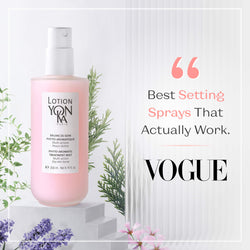
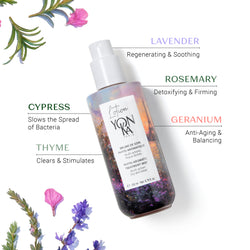
Our signature Lotion Yon-Ka PS is a phyto-aromatic powerhouse that does not contain alcohol. By misting the skin while it is still slightly damp, you create a "moisture sandwich" that traps hydration. The essential oils of the Quintessence—lavender, geranium, rosemary, cypress, and thyme—provide a soothing effect that calms the visible redness often associated with dry, flaky patches.
How to Exfoliate Flaky Skin Without Irritation
It is a common instinct to want to "scrub away" flakes with a gritty physical exfoliant. However, for dry and sensitive skin, this can cause micro-tears and worsen inflammation. To clear dry flaky skin on the face effectively, you must move away from harsh mechanical scrubs and embrace the power of botanical enzymes and gentle fruit acids.
Gommage Yon-Ka is our professional secret for clearing flakes without irritation. This 4-in-1 grain-free botanical peel uses carob and white nettle to gently lift dead skin cells through a unique rolling action.
Step-by-Step: Using a Grain-Free Exfoliator
Step 1: Apply a thick layer of the gel-like exfoliator to the face and neck after cleansing. Step 2: Allow it to sit for 1 to 2 minutes so the botanical enzymes can begin to loosen dead cell bonds. Step 3: When it feels slightly tacky, use your fingertips to gently "buff" or roll the product away. The dead skin cells will lift off in small, soft particles. Step 4: Follow immediately with a hydrating mist and moisturizer.
By removing the "dead-weight" of the flakes, your moisturizers can finally penetrate where they are needed most.
Rebuilding the Moisture Barrier with Targeted Serums
Once the surface is smooth, the next priority is deep-tissue hydration. Dehydrated skin lacks water, while dry skin lacks oil. Most flaky complexions suffer from both. To address this, look for serums that utilize hyaluronic acid—a molecule that can hold up to 1,000 times its weight in water—to plump the appearance of the skin from within. Browse our serums & elixirs to find targeted hydration support.
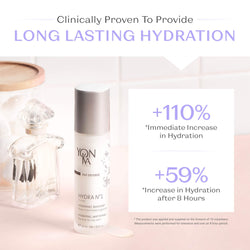
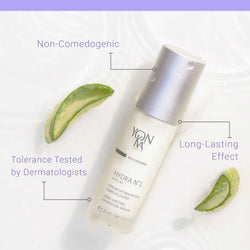
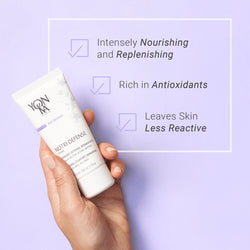
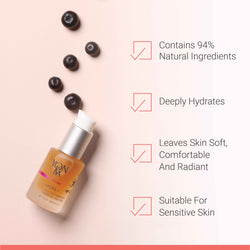
Hydra N°1 Serum is specifically designed for intense dehydration. It delivers long-lasting moisture that helps to smooth the look of fine lines caused by dryness. For those whose skin feels not just dry but also "hungry" or brittle, adding a booster like Nutri + Booster can provide the necessary lipids and antioxidants. This oil-based booster can be mixed directly into your cream to provide a customized level of nourishment.
Selecting the Right Moisturizer for Flaky Skin
The final layer of your morning and evening ritual acts as a protective seal. For dry, flaky skin, a lightweight lotion is often not enough. You need a rich, emollient cream that mimics the skin's natural lipid structure. Explore our face moisturizers to compare options for different skin needs.
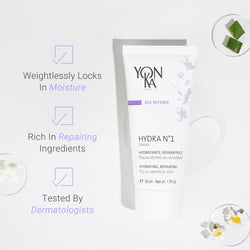
Our Hydra N°1 Crème is an excellent choice for those seeking to repair the look of a damaged barrier. It combines hyaluronic acid with nourishing shea butter and grape seed oil. For mature skin that is experiencing flakiness along with a loss of firmness, Phyto 52 offers a revitalizing effect, using the firming power of rosemary to tighten the look of the skin while keeping it moisturized overnight.
Key Takeaway: Clearing flakiness is a two-part process: first, remove the buildup with a grain-free exfoliator to allow for penetration; second, seal the skin with a combination of humectants (water-binders) and emollients (oil-replenishers).
Overnight Recovery and Treatment Masks
The skin’s natural repair cycle peaks while you sleep, making nighttime the most effective window for clearing persistent flakiness. If your skin feels particularly parched, substituting your night cream with a hydrating mask can provide a "hydration bath" that lasts for hours. Discover more options in our face masks collection.
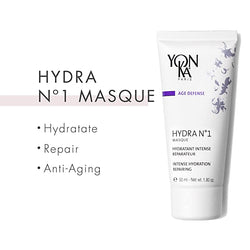
Hydra N°1 Masque can be applied in a thin layer and left on overnight. This allows the botanical extracts to slowly infuse the skin, meaning you wake up with a significantly smoother and more luminous complexion. For more stubborn texture issues, a dedicated night peel like Glyconight 10% Masque uses glycolic acid to dissolve the cellular "glue" that keeps flakes stuck to the surface, promoting a fresh and refined skin texture over time.
Environmental and Lifestyle Adjustments
While professional skincare is vital, your daily habits play a significant role in how to clear dry flaky skin on face. Consider these lifestyle adjustments to support your topical treatments:
- Adjust Your Temperature: Hot water is a primary enemy of dry skin. It dissolves the natural oils that keep your skin barrier intact. Always wash your face with lukewarm or cool water.
- Use a Humidifier: In the winter months, the air inside our homes is often bone-dry. Placing a humidifier in your bedroom can prevent the air from "stealing" moisture from your skin while you sleep.
- Protect from UV Damage: Even on cloudy days, UV rays can damage the skin barrier and lead to dehydration. Always finish your morning ritual with a broad-spectrum sunscreen.
- Hydrate from Within: While drinking water isn't a direct "cure" for dry skin, maintaining overall hydration supports the health of all your body's tissues, including the dermis.
Professional Spa Treatments for Deep Repair
Sometimes, home care needs a professional "reset." If your flakiness is persistent despite a consistent routine, a professional treatment at a partner spa can provide deeper results. If you want personalized support, use our Spa Locator to find a Yon-Ka spa near you.
Our professional rituals, such as the "Grand Classique" or the "Hydralessence" facial, use high-concentration botanical extracts and specialized massage techniques to deeply oxygenate and hydrate the skin. You can find a local skincare professional through our Spa Locator to experience the full transformative power of a professional Yon-Ka treatment.
A Note on Essential Oil Safety
Most of our formulations, including the iconic Quintessence, utilize pure essential oils for their high level of activity and aromachological benefits. To learn more about the philosophy behind these ingredients, visit our ingredients page. When introducing any new active botanical product into your ritual, we recommend performing a simple patch test. Apply a small amount of the product to your inner forearm and wait 24 hours to ensure no sensitivity occurs. Introducing one new product at a time allows you to monitor how your skin responds. A slight, temporary tingling may occur with certain active ingredients, but persistent redness or irritation is a sign to reduce frequency or consult your aesthetician.
The Science of Plant-Based Ingredients
We believe in the pharmaceutical rigor of phytotherapy. To clear flakiness, we prioritize ingredients that work in harmony with the skin’s biology:
- Hyaluronic Acid: A humectant that draws moisture into the skin.
- Vegetal Glycerin: Provides a protective humectant layer.
- Shea Butter: A rich emollient that replenishes essential fatty acids.
- Aloe Vera: Known for its soothing and hydrating properties.
- Lactic Acid: An AHA that both exfoliates and hydrates, making it perfect for dry types.
By avoiding harsh chemicals and synthetic disruptors—following our strict formulation charter—we ensure that our products provide results without compromising the skin's long-term health.
| Product Type | Recommended Yon-Ka Product | Primary Benefit for Flaky Skin |
|---|---|---|
| Cleanser | Lait Nettoyant | Gently removes debris without stripping lipids. |
| Mist | Lotion Yon-Ka PS | Hydrates and prepares skin for serums. |
| Exfoliator | Gommage Yon-Ka | Clears flakes without harsh, abrasive grains. |
| Serum | Hydra n°1 Serum | Delivers deep, long-lasting water hydration. |
| Moisturizer | Hydra n°1 Crème | Seals in moisture and repairs the barrier. |
Conclusion
Clearing dry, flaky skin on the face is a journey of patience and botanical precision. By shifting your focus from "scrubbing" to "supporting," you allow your skin's natural barrier to heal and function optimally. The combination of gentle cleansing, grain-free exfoliation, and layered hydration forms a ritual that does more than just hide flakes—it transforms the underlying health of your complexion. If you want help choosing a routine, try our Product Matcher or take the Skin Diagnosis quiz.
At Yon-Ka Paris, we remain dedicated to the belief that skincare is a ritual worth savoring. Rooted in 70 years of French expertise, our formulas bridge the gap between science and the sensory experience of nature.
"True beauty is found when the skin is in perfect balance—neither thirsty nor overwhelmed, but harmoniously nourished by the power of plants."
If you are unsure which products are right for your unique skin type, we invite you to take our Skin Diagnosis quiz or use the Product Matcher on our website. Rediscover the comfort of smooth, supple skin and embrace the botanical path to a radiant glow.
FAQ
Can I use a face scrub to get rid of flakes?
While it is tempting to use a gritty scrub, physical exfoliants with harsh grains can cause micro-tears in dry skin, leading to more irritation. It is much more effective to use a grain-free botanical exfoliator like Gommage Yon-Ka, which uses enzymes to gently dissolve the bonds of dead skin cells without abrasion.
Why is my face still flaky even though I use a heavy moisturizer?
If you are not exfoliating regularly, your heavy moisturizer may just be sitting on top of a layer of dead skin cells. To clear the flakes, you must first gently remove the surface buildup so that the hydrating ingredients in your cream can actually reach the living layers of the skin.
Is dry skin the same as dehydrated skin?
No, they are different concerns. Dry skin is a skin "type" that lacks oil (sebum), while dehydrated skin is a skin "condition" that lacks water. Flaky skin is often a combination of both, which is why a ritual should include both water-based serums and oil-based moisturizers.
When should I see a dermatologist about my flaky skin?
If your flakiness is accompanied by intense itching, persistent redness, weeping, or if it does not improve after several weeks of consistent gentle care, you should consult a dermatologist. These can be signs of underlying medical conditions such as seborrheic dermatitis, eczema, or psoriasis which may require specialized care.
Piel seca y deshidratada