Table of Contents
- Introduction
- The Science of Dry and Flaky Facial Skin
- Common Culprits: Why Your Moisture Is Escaping
- The Invisible Shield: Understanding Your Skin Barrier
- How to Treat Dry, Flaky Skin with a Phyto-Aromatic Ritual
- Exfoliation: The Gentle Approach to Flakiness
- Essential Oil Safety and Sensorial Care
- Key Ingredients to Look For
- Environmental and Lifestyle Adjustments
- When to See a Professional
- Conclusion
- FAQ
Introduction
Finding yourself looking in the mirror only to see persistent dry patches or fine flakes can be a frustrating experience. That feeling of tightness after cleansing or the way makeup seems to cling to rough spots is your skin’s way of signaling for help. At Yon-Ka Paris, we believe that understanding the "why" behind your skin's behavior is the essential first step toward restoring its natural, velvet-soft glow. Whether your skin is naturally prone to dryness or you are reacting to a shift in the seasons, these flakes are often a sign of a compromised moisture barrier. This article will explore the biological and environmental reasons why your skin may be losing its suppleness and provide a professional, phyto-aromatic roadmap to reclaiming a hydrated, luminous complexion.
Quick Answer: Dry, flaky skin occurs when the skin's protective barrier is weakened, leading to transepidermal water loss and a lack of essential lipids. This can be caused by environmental factors like cold air, internal shifts like aging, or using harsh skincare products that strip away natural oils.
The Science of Dry and Flaky Facial Skin
To understand why your face skin is dry and flaky, we must first look at the outermost layer of your skin, known as the stratum corneum. Often compared to a "bricks and mortar" structure, this layer consists of skin cells (the bricks) held together by a complex mixture of lipids (the mortar). When this structure is healthy, it prevents moisture from evaporating and keeps irritants out.
However, when this barrier is disrupted, the "mortar" begins to crumble. This leads to a process called transepidermal water loss, or TEWL. As water evaporates from the skin's deeper layers, the cells on the surface become dehydrated, lose their flexibility, and eventually shrink. Instead of shedding invisibly and evenly as they should, these dehydrated cells clump together, creating the visible, rough texture we recognize as flakiness.
It is important to distinguish between dry skin and dehydrated skin. Dry skin is a skin type characterized by a lack of oil (sebum) production. Dehydrated skin is a temporary condition where the skin lacks water. Both can lead to flakiness, but they require slightly different approaches in your skincare ritual.
Common Culprits: Why Your Moisture Is Escaping
There is rarely a single reason for sudden dryness; rather, it is often a combination of internal and external stressors. Identifying which of these factors are currently affecting you can help you tailor your response.
Harsh Cleansing Habits
One of the most common reasons for a compromised barrier is the use of aggressive cleansers. If your skin feels "squeaky clean" or tight after washing, your cleanser may be too harsh. Many mass-market soaps contain sulfates and high pH levels that strip away the essential lipids your skin needs to stay hydrated. At Yon-Ka, we prioritize barrier-respecting cleansing with formulas like Lait Nettoyant, a gentle milk that removes impurities while maintaining the skin's delicate balance.
Environmental Stressors
The air around you has a direct impact on your skin's hydration levels. In the winter, low humidity and biting winds draw moisture out of the face. Conversely, indoor heating and air conditioning units act as dehumidifiers, further parching the skin. This environmental shift is why many people only experience flakiness during specific times of the year. For added daily defense, Vital Defense Mist helps complete a protective routine.
The Impact of Hot Water
While a steaming hot shower feels relaxing, it is one of the quickest ways to dissolve the natural fats in your skin. Hot water dilates blood vessels and can lead to increased evaporation. If you are struggling with flakiness, switching to lukewarm water for both your face and body can make a significant difference in your skin's comfort level.
Aging and Hormonal Changes
As we age, our skin’s natural production of sebum and sweat decreases. By the time we reach our 40s, the skin produces significantly less oil than it did in our 20s. This reduction in natural lubrication makes the skin more vulnerable to dryness and the appearance of fine lines. Hormonal shifts during menopause can also lead to a sudden drop in skin density and moisture retention.
The Invisible Shield: Understanding Your Skin Barrier
A healthy skin barrier is your best defense against flakiness. When we talk about "repairing the barrier," we are talking about replenishing the lipids—ceramides, cholesterol, and fatty acids—that make up that "mortar" between your skin cells.
When the barrier is intact, the skin appears plump and reflects light evenly. When it is damaged, you might notice:
- Persistent redness or "stinging" when applying products.
- Rough texture that feels like sandpaper.
- Visible peeling, particularly around the nose and mouth.
- A dull, gray, or ashy appearance.
At the heart of our philosophy is the belief that skincare should support the skin's natural intelligence. Learn more about our ingredients, including the plant-based actives and Quintessence used across the line.
How to Treat Dry, Flaky Skin with a Phyto-Aromatic Ritual
Addressing flaky skin requires a layered approach. You cannot simply "grease" the surface; you must provide both water (hydration) and oil (nourishment). Following a consistent ritual will help move the skin from a state of distress to one of equilibrium.
Step 1: Gentle, Lipid-Replacing Cleansing
Avoid foaming gels that contain harsh surfactants. Instead, opt for a creamy milk cleanser. Lait Nettoyant is ideal for dry and flaky skin because it cleanses without stripping. It leaves a light, protective film on the skin, ensuring that your first step of the ritual is actually adding comfort rather than taking it away.
Step 2: The Phyto-Aromatic Mist
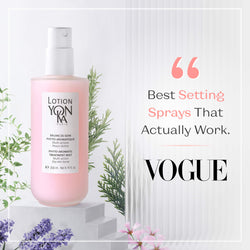
After cleansing, your skin is like a dry sponge. To help it absorb subsequent treatments, you must prime it. Lotion Yon-Ka PS is our iconic, alcohol-free mist that provides immediate hydration and the therapeutic benefits of the Quintessence. It prepares the skin to drink in the serums and creams that follow.
Step 3: Targeted Lipid Support
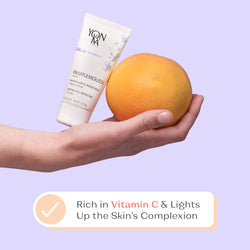
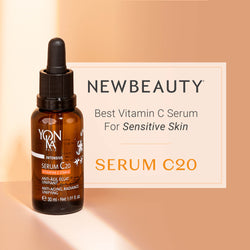
For skin that is actively flaking, a serum rich in essential fatty acids is non-negotiable. Serum Omega is designed specifically for skin in crisis. It uses plant oils rich in Omega 3, 6, and 9 to "re-glue" the skin cells back together and soothe inflammation. If your skin looks dull as well as dry, you might alternate this with Serum C20, which uses stable Vitamin C to brighten the appearance of the complexion while providing antioxidant protection.
Step 4: Intense Moisturization
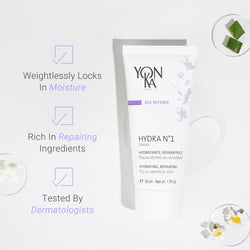
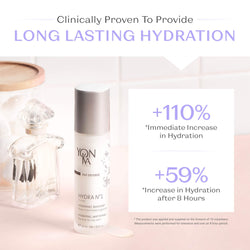
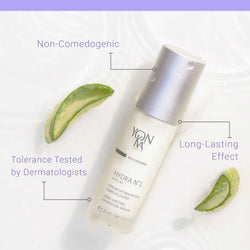
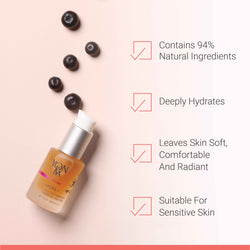
The final step is to seal everything in with a high-quality moisturizer. For intense dehydration, Hydra n°1 Creme is a savior. It contains hyaluronic acid—a humectant that can hold up to 1,000 times its weight in water—to plump the skin from within. If your skin is extremely dry (lacking oil), adding a few drops of Nutri + Booster to your cream can provide the extra nourishment needed to eliminate rough patches.
Key Takeaway: Treating dry, flaky skin requires a "dual-delivery" system: humectants (like hyaluronic acid) to bring in water, and emollients (like plant oils) to seal that water in and repair the surface barrier.
Exfoliation: The Gentle Approach to Flakiness
A common mistake when dealing with flaky skin is the urge to "scrub" the flakes away with harsh physical exfoliants or apricot-pit scrubs. This often causes micro-tears in an already weakened barrier, leading to more inflammation and, ultimately, more flakiness.
Instead, we recommend a gentle, grain-free approach. Gommage Yon-Ka is a unique, four-in-one botanical peel that removes dead skin cells through a soft "pelletizing" action. It is so gentle that it can even be used on the eyelids. By removing the buildup of dead cells without friction, you allow your moisturizers to penetrate more effectively.
For those who prefer a more intensive overnight treatment, Glyconight 10% Masque uses glycolic acid to dissolve the bonds between dead skin cells while you sleep. This helps to smooth the skin's appearance over time, but it should be introduced gradually to ensure the skin remains comfortable.
Essential Oil Safety and Sensorial Care
Because we utilize the power of pure essential oils in our formulas, it is important to practice mindful skincare. Essential oils are highly active biological ingredients that offer both physical benefits for the skin and aromatic benefits for the mind.
Note: When introducing a new phyto-aromatic product, we recommend performing a simple patch test on your inner forearm for 24 hours. While a slight, brief tingling sensation can be a normal sign of the essential oils "waking up" the skin, persistent redness or irritation is a sign to reduce the frequency of use. Always introduce one new product at a time so you can accurately monitor how your skin responds.
Key Ingredients to Look For
When reading labels to solve your dry skin concerns, look for these gold-standard ingredients that we prioritize in our French-made formulations:
- Hyaluronic Acid: A powerhouse humectant that attracts water into the skin. Found in our Hydra n°1 range.
- Vegetal Glycerin: A classic, reliable moisture-binder that helps prevent dryness.
- Shea Butter: A rich emollient that provides a protective shield and deeply nourishes.
- Squalane: A plant-derived lipid that mimics the skin's natural sebum, providing silky softness without clogging pores.
- Ceramides: Crucial lipids that help rebuild the skin's structural integrity.
Environmental and Lifestyle Adjustments
Beyond your skincare products, small changes in your daily environment can significantly reduce the likelihood of your face becoming dry and flaky.
- Sleep with a Humidifier: Adding moisture back into the air of your bedroom at night can prevent "morning tightness."
- Hydrate from the Inside: While drinking water isn't a "cure" for dry skin, chronic dehydration can make the skin appear more sallow and less resilient.
- Omega-Rich Diet: Incorporating healthy fats like salmon, walnuts, and flaxseeds provides the building blocks your body needs to produce its own skin-protecting lipids.
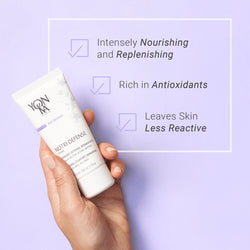
- Protect from Wind and Cold: When outdoors in harsh weather, use a physical barrier like a silk scarf, and always apply a protective day cream like Vital Defense to act as an antioxidant shield against pollution and environmental stress.
When to See a Professional
In most cases, dry and flaky skin is a cosmetic concern that responds well to a consistent botanical ritual. However, there are times when skincare products alone are not enough. If you experience the following, it is wise to consult a dermatologist or your primary physician:
- Cracks in the skin that bleed or ooze.
- Extreme itching that interferes with sleep.
- Widespread redness that feels hot to the touch.
- Scaling patches that do not improve with intense moisturization (this could indicate conditions like psoriasis, seborrheic dermatitis, or eczema).
For those looking for a "reset" for their skin, visiting a professional spa is a wonderful option. A trained Yon-Ka aesthetician can perform deep-hydration treatments that utilize professional-strength versions of our products to infuse the skin with moisture far more deeply than can be achieved at home. You can find a certified partner near you using our Spa Locator.
Conclusion
Understanding why your face skin is dry and flaky is the first step toward a more comfortable, radiant life. By moving away from harsh "hacks" and embracing a ritual-based approach rooted in botanical science, you give your skin the space it needs to heal and thrive. Since 1954, Yon-Ka Paris has been dedicated to this fusion of aromatherapy and pharmaceutical rigor, creating products that honor the skin's natural barrier while providing a luxurious, sensorial experience.
Your journey to soft, flake-free skin is a gradual process of consistent care. If you are unsure which products are right for your specific needs, we invite you to take our Skin Diagnosis quiz or use the Product Matcher on our website to find your perfect fit.
"Skincare is not just a routine; it is a moment of connection with oneself, powered by the profound intelligence of nature."
Ready to transform your skin? Explore our Dry & Dehydrated collection today and rediscover the feeling of truly balanced, glowing skin.
FAQ
Can I use a scrub to get rid of the flakes on my face?
We generally advise against using harsh, grainy scrubs on flaky skin. Scrubbing can cause micro-tears and further damage an already weakened skin barrier, leading to more dryness. Instead, use a grain-free exfoliant like Gommage Yon-Ka, which gently lifts dead skin cells without irritation.
Why is my skin still flaky even though I moisturize every day?
If you are moisturizing but still seeing flakes, your moisturizer might not be reaching the skin cells. A buildup of dead skin can act as a barrier, preventing your cream from absorbing. Additionally, you may need a product with more "occlusive" ingredients (like plant oils) to lock the moisture in, rather than just a simple water-based lotion.
Is flaky skin always dry skin?
Not necessarily. Flaky skin can also be a sign of dehydration (a lack of water) or a reaction to harsh products. Even those with oily skin can experience flakiness if they are using aggressive acne treatments that strip the skin's surface.
How long does it take to see results when treating dry, flaky skin?
While you may feel immediate relief after applying a hydrating mist or oil-in-serum, it typically takes about 28 days—the length of a full skin-cell turnover cycle—to see a significant change in skin texture. Consistency in your morning and evening ritual is key to long-term success.