Table of Contents
- Introduction
- Understanding the Biology of Peeling Skin
- Common Environmental Triggers
- The "Over-Active" Routine: A Modern Cause of Peeling
- Zone-by-Zone: Why Peeling Occurs in Specific Areas
- The Yon-Ka Phyto-Aromatic Approach to Restoration
- Lifestyle and At-Home Care Tips
- When to Seek Professional Guidance
- Seasonal Transitions and Prevention
- Conclusion
- FAQ
Introduction
Finding unexpected flakes of skin on your nose, cheeks, or forehead can be a frustrating and confusing moment in your skincare journey. Whether it manifests as a fine dust on your favorite sweater or visible patches that make makeup application nearly impossible, facial peeling is a clear signal from your body that your skin barrier is under duress. At Yon-Ka Paris, we believe that understanding the "why" behind your skin's behavior is the first step toward restoring its natural radiance and comfort.
This article explores the physiological and environmental reasons why your skin may be peeling, from seasonal shifts and lipid depletion to the modern habit of over-exfoliation. We will also discuss how to transition from a corrective mindset to a restorative ritual, focusing on botanically infused hydration and professional-grade solutions. By the end, you will have a clear roadmap to calm irritation and achieve a smooth, resilient complexion through consistent, high-efficacy care.
Understanding the Biology of Peeling Skin
To address why the skin on your face is dry and peeling, we must first look at the outermost layer of the skin, known as the stratum corneum. Think of this layer as a "bricks and mortar" structure. The bricks are your skin cells (corneocytes), and the mortar is a rich matrix of lipids, including ceramides, cholesterol, and fatty acids.
When this barrier is healthy, it performs two critical functions: it keeps moisture locked inside and prevents external irritants from entering. Peeling occurs when this barrier is compromised. When the "mortar" is stripped away or the "bricks" are damaged, moisture evaporates through a process called Transepidermal Water Loss (TEWL). As the skin loses its hydration, the natural enzyme process that allows dead skin cells to shed invisibly is disrupted. Instead of shedding one by one, the cells clump together and lift off in visible flakes or sheets.
Dry vs. Dehydrated: Knowing the Difference
It is common to use the terms "dry" and "dehydrated" interchangeably, but in the world of professional skincare, they describe two distinct issues. For a deeper dive, see our guide on dry vs. dehydrated skin.
Dry skin is a skin type characterized by a lack of oil (sebum). If you have dry skin, your pores are likely small, and your skin feels tight throughout the day. Because dry skin lacks the protective oils necessary to hold moisture, it is inherently more prone to peeling and flaking.
Dehydrated skin, on the other hand, is a temporary condition that can affect any skin type—even oily skin. It is characterized by a lack of water. Dehydrated skin may look dull, show fine lines more easily, and feel "parched" even if there is oil on the surface. When skin is severely dehydrated, it loses its elasticity and begins to peel as the surface cells become brittle.
Common Environmental Triggers
Our skin is our primary interface with the world, which means it is constantly reacting to our surroundings. Several environmental factors can sap moisture from the skin faster than our bodies can replenish it.
The Impact of Low Humidity and Cold Air
During the winter months, the air outside is cold and holds very little moisture. When we move indoors, central heating systems further strip the air of humidity. This "double-whammy" creates a vacuum effect, literally pulling water out of your skin. If you notice your face starts peeling as soon as the temperature drops, your environment is likely the primary culprit.
UV Damage and Sunburn
While a dramatic "peel" after a traditional sunburn is a well-known phenomenon, even daily, sub-clinical UV exposure can contribute to dryness. UV rays damage the DNA of skin cells and degrade the skin's lipid barrier. This leads to a rough, "leathery" texture that eventually flakes away as the skin attempts to repair the damage.
Windburn
Exposure to high winds, especially during outdoor activities like skiing or hiking, can strip away the delicate acid mantle—the thin, slightly acidic film on the skin's surface that acts as a first line of defense. Without this protection, the skin becomes inflamed and raw, often leading to significant peeling in the days following exposure.
The "Over-Active" Routine: A Modern Cause of Peeling
In our quest for glowing skin, many of us have fallen into the trap of using too many high-potency active ingredients. This is perhaps one of the most frequent reasons we see clients at Yon-Ka struggling with persistent peeling.
Over-Exfoliation
Exfoliation is essential for a bright complexion, but there is a fine line between a healthy glow and a damaged barrier. If you are using physical scrubs, alpha-hydroxy acids (AHAs), and beta-hydroxy acids (BHAs) multiple times a week, you may be removing healthy skin cells before they are ready to shed. This leaves the underlying skin vulnerable, leading to redness, stinging, and peeling. When your skin needs a gentler approach, our facial exfoliators are a better place to start.
Retinoids and Prescription Treatments
Ingredients like retinol and prescription-strength retinoids are the gold standard for anti-aging and acne, but they work by significantly increasing cell turnover. During the first few weeks of use—often called the "retinization" period—it is very common for the skin to peel as it adjusts. However, if peeling persists for months, it may mean the product is too strong or is being used too frequently for your skin's tolerance.
Harsh Cleansers and Sulfates
The way you cleanse your face sets the tone for your entire routine. Many mass-market cleansers use harsh surfactants like sodium lauryl sulfate (SLS) to create a foamy lather. While these are effective at removing oil, they also wash away the essential lipids that keep your barrier intact. If your skin feels "squeaky clean" or tight immediately after washing, your cleanser may be the reason your face is peeling. A gentler option is Lait Nettoyant, our creamy cleansing milk.
Zone-by-Zone: Why Peeling Occurs in Specific Areas
Sometimes, peeling isn't universal across the face but concentrated in specific zones. The location of the flakes can offer a clue to the underlying cause.
Around the Nose
The skin around the crevices of the nose is prone to peeling for a few reasons. If you have been sick or dealing with allergies, the physical friction of using tissues can cause "mechanical" peeling. However, if the peeling is accompanied by redness and seems oily, it may be a condition called seborrheic dermatitis, which is often linked to an overgrowth of natural yeast on the skin.
Around the Mouth and Chin
Peeling in this area is frequently related to "perioral" irritation. This can be caused by something as simple as toothpaste containing harsh flavoring agents or fluoride. It is also the area where many people first notice peeling when starting a new retinol, as the skin around the mouth is thinner and moves constantly throughout the day, causing more frequent micro-tears in a compromised barrier.
The Eye Area
The skin around the eyes is the thinnest on the entire body and has very few oil glands. This makes it incredibly vulnerable to dehydration. If you are using a facial moisturizer around your eyes that contains active ingredients like acids or heavy fragrances, it may lead to irritation and peeling in this delicate zone. For this area, our eye and lip care range is designed for more targeted support.
The Yon-Ka Phyto-Aromatic Approach to Restoration
At Yon-Ka, we don't believe in "quick fixes" that might further irritate the skin. Instead, we advocate for a layered, ritualistic approach that respects the skin's natural ecology. Learn more about our phyto-aromatic formulation philosophy and the role of our ingredients. Our formulas are rooted in phytotherapy and aromatherapy, centered around our signature Quintessence.
The Quintessence is a unique complex of five essential oils: lavender, geranium, rosemary, cypress, and thyme. This 100% natural complex is designed to balance the skin, provide antioxidant protection, and support the skin's innate ability to heal. When your skin is peeling, it needs ingredients that soothe inflammation while providing the building blocks for barrier repair.
A Gentle Ritual for Peeling Skin
If your face is currently peeling, it is time to simplify and nourish. Here is how we recommend structuring your ritual to restore comfort:
Step 1: Barrier-Respecting Cleansing
Stop using foaming washes and reach for a creamy, lipid-rich cleanser. Our Lait Nettoyant is a professional favorite for a reason. This cleansing milk gently lifts away impurities and makeup while respecting the acid mantle. It leaves the skin feeling soft and hydrated rather than stripped.
Step 2: Phyto-Aromatic Hydration
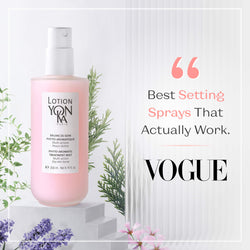
Skip the harsh, alcohol-based toners. Instead, saturate the skin with Lotion Yon-Ka PS. This alcohol-free mist uses the power of the Quintessence to immediately soothe the appearance of redness and prepare the skin to absorb the treatments that follow. It provides a first layer of hydration that is essential for "plumping" dehydrated cells.
Step 3: Target the Thirsty Cells
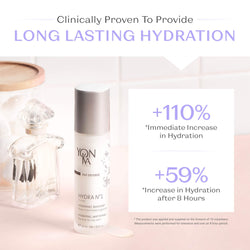
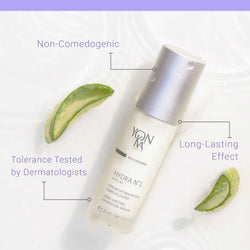
When peeling is the primary concern, you need ingredients that can hold water in the skin. Our Hydra N°1 Serum features hyaluronic acid technology in a lightweight texture that helps deliver hydration before you apply a richer cream. It is a strong fit for skin that needs a more hydrated, supple feel.
Step 4: Lock It All In
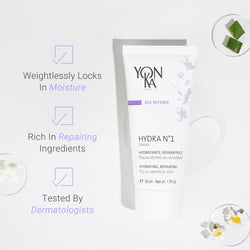
A serum provides the water, but a moisturizer provides the "seal." For intense dryness and peeling, Hydra N°1 Crème is an essential ally. It contains shea butter and grape seed oil to rebuild the lipid barrier, alongside anti-aging vitamins. For those with extremely dry skin, adding a few drops of Serum Omega can provide the extra nourishment needed to stop peeling in its tracks.
Key Takeaway: Peeling skin is essentially a "broken" barrier. To fix it, you must stop all "aggressive" treatments and focus on a ritual that provides both humectants (to draw in water) and emollients (to seal it in).
Lifestyle and At-Home Care Tips
Beyond your skincare products, small changes in your daily habits can significantly impact the health of your skin barrier.
- Mind the Temperature: While a hot shower feels wonderful, hot water is a solvent that dissolves the very oils your skin needs to stay hydrated. Use lukewarm water for both your face and body.
- The "Damp Skin" Rule: Apply your mists and moisturizers to slightly damp skin. This helps trap extra moisture on the surface, making your products more effective.
- Use a Humidifier: If you live in a dry climate or use central heat, running a humidifier in your bedroom at night can prevent the air from stealing moisture from your face while you sleep.
- Sun Protection is Non-Negotiable: Peeling skin is more vulnerable to UV damage. Use a broad-spectrum sunscreen every day, even when it is cloudy. This prevents further barrier degradation.
- Hydrate from Within: While drinking water isn't a "cure" for dry skin, staying hydrated supports your body's overall cellular function, which in turn supports skin health.
When to Seek Professional Guidance
While most cases of dry, peeling skin can be managed with a diligent at-home ritual, there are times when professional intervention is necessary.
The Role of the Esthetician
A professional Yon-Ka esthetician can perform a deep analysis of your skin to determine whether your peeling is caused by dryness, dehydration, or a specific condition. A professional treatment, such as our Hydralessence treatment, uses professional-strength botanicals and specialized massage techniques to infuse the skin with moisture far more deeply than can be achieved at home. You can find a certified professional near you using our Spa Locator.
When to See a Dermatologist
If your skin peeling is accompanied by intense itching, oozing, severe swelling, or persistent pain, it is time to consult a physician or a dermatologist. Conditions like chronic eczema, psoriasis, or fungal infections require medical diagnosis and potentially prescription-level treatments. If you suspect your peeling is a side effect of a medication, do not stop taking the medication without consulting your doctor first.
Note: When introducing any new botanical product to a sensitized or peeling face, we always recommend a patch test. Apply a small amount to your inner forearm and wait 24 hours to ensure your skin welcomes the new ingredients.
Seasonal Transitions and Prevention
The best way to deal with peeling skin is to prevent it before it starts. This requires "listening" to your skin as the seasons change.
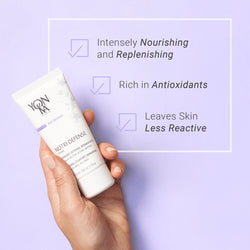
As autumn turns to winter, don't wait for the flakes to appear before switching to a richer moisturizer. Proactively swap your lightweight lotion for a more substantial cream like Vital Defense, which provides an antioxidant shield against environmental stress.
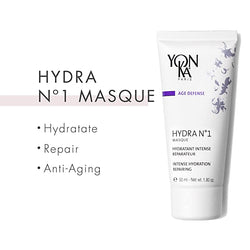
In the spring and summer, focus on repairing any lingering winter damage with a weekly treatment like Hydra N°1 Masque. This "bath" of hydration can be left on overnight to intensely repair the barrier, ensuring that your skin remains smooth and resilient as you head into the warmer months.
Conclusion
Understanding why the skin on your face is dry and peeling is the first step toward reclaiming a healthy, comfortable complexion. Whether the cause is the biting winter wind, an over-enthusiastic use of retinol, or a naturally dry skin type, the solution remains the same: a return to gentle, plant-based nourishment and barrier support. By respecting your skin's delicate balance and choosing high-trust, phyto-aromatic formulas, you transition from managing a problem to savoring a restorative ritual.
At Yon-Ka Paris, our 70-year heritage is built on the belief that skincare should be a holistic experience—one that marries scientific rigor with the sensorial beauty of nature. Explore our brand story, our values, or our collections to discover the specific botanicals that will bring your skin back to its most radiant state. You can also take our Skin Diagnosis quiz to find a routine tailored to your needs.
FAQ
Can I scrub off the peeling skin on my face?
It is tempting to use a harsh scrub to remove visible flakes, but this often causes more damage to the underlying barrier. Instead, use a gentle, grain-free exfoliator like Gommage Yon-Ka, which is designed to lift away dead cells without friction or irritation.
Is peeling skin always a sign of dryness?
Not necessarily. Peeling can also be a sign of severe dehydration (lack of water) or a reaction to active ingredients like retinoids and acids. It can even occur in oily skin types if the skin's protective barrier has been stripped by harsh cleansers.
How long does it take for peeling skin to heal?
With a consistent, barrier-repairing ritual, you should notice an improvement in comfort within a few days. However, because it takes about 28 to 40 days for skin cells to fully renew, it may take a full month of dedicated care to completely restore the skin's smooth texture.
Should I stop using my anti-aging products if my face is peeling?
If your skin is peeling and irritated, it is best to "pause" high-strength actives like retinol or glycolic acid for a few days. Focus on hydration and barrier repair with products like Hydra N°1 Crème until the skin feels comfortable again, then slowly reintroduce your actives one at a time.