Table of Contents
- Introduction
- Understanding the Difference: Dry vs. Dehydrated Skin
- The Role of the Skin Barrier and TEWL
- Common Culprits Behind Persistent Dryness
- The Importance of Application Timing
- Choosing the Right Botanical Solutions
- Environmental and Internal Factors
- Building Your Recovery Ritual
- When to Consult a Professional
- Conclusion
- FAQ
Introduction
There is a specific kind of frustration that comes when you have done everything "right" for your skin, yet it still feels tight, flaky, and parched. You have invested in quality products and maintained a consistent routine, but thirty minutes after applying your cream, that familiar feeling of discomfort returns. At Yon-Ka Paris, we understand that skincare is not just about the products you use, but how those products interact with your unique biology and environment. For a deeper look at our approach, explore our formulation philosophy. This persistent dryness is rarely a sign that your skin is "broken." Instead, it is often a signal that your skin barrier is compromised or that your ritual needs a slight adjustment to better serve your needs.
In this article, we will explore the common reasons why moisture refuses to stay locked within the skin, the difference between dryness and dehydration, and how a professional-led phyto-aromatic approach can restore a supple, radiant complexion. By shifting from a "more is better" mindset to a barrier-focused ritual, you can finally find the lasting comfort your skin deserves.
Understanding the Difference: Dry vs. Dehydrated Skin
One of the most frequent reasons people struggle with persistent dryness is that they are treating the wrong concern. In the world of professional skincare, we make a clear distinction between "dry" skin and "dehydrated" skin. While they may feel similar, they require very different botanical solutions.
Dry skin is a skin type characterized by a lack of oil. If your skin is naturally dry, your sebaceous glands produce less sebum than average. This means your skin lacks the essential lipids needed to retain moisture and build a strong protective shield. This skin type often feels rough or flaky all over and may appear dull.
Dehydrated skin is a skin condition characterized by a lack of water. Even oily or combination skin can become dehydrated. This occurs when the water content in the skin's layers is depleted, often due to environmental factors, diet, or using products that are too harsh. Dehydrated skin often feels tight and may show fine "crepiness" or lines that vanish once hydration is restored.
Quick Answer: If your skin remains dry after moisturizing, you may be confusing dehydration (lack of water) with dryness (lack of oil), or your skin barrier may be too damaged to hold onto the products you apply. Lasting relief requires a ritual that both replenishes water and seals it in with protective lipids.
The Role of the Skin Barrier and TEWL
The skin barrier is your body's first line of defense. Think of it as a "bricks and mortar" structure where your skin cells are the bricks and lipids (fats) like ceramides and cholesterol are the mortar. When this barrier is healthy, it keeps irritants out and moisture in. When it is weakened, you experience Transepidermal Water Loss (TEWL).
TEWL is the process where water evaporates from the skin's surface into the atmosphere. If your "mortar" is cracked, water escapes rapidly, leaving your skin parched no matter how much cream you apply. This is why a simple moisturizer often isn't enough; you must also repair the barrier to prevent that moisture from disappearing.
Phyto-Aromatic Barrier Support
Our approach to barrier repair focuses on the synergy of plant-based actives. The Quintessence, our foundational complex of lavender, geranium, rosemary, cypress, and thyme, works to balance and revitalize the skin's appearance. To learn more about the plants and actives behind the ritual, visit our ingredients page. By incorporating essential oils with pharmaceutical-grade plant extracts, we support the skin's natural ability to maintain its own defenses.
Note: When introducing new phyto-aromatic products into your ritual, we recommend a simple patch test. Apply a small amount to your inner forearm and wait 24 hours. While a slight, fleeting tingling sensation can be normal due to the activity of essential oils, persistent redness means you should reduce frequency or consult your aesthetician.
Common Culprits Behind Persistent Dryness
If your skin barrier is struggling to keep up, several lifestyle and routine factors are likely at play. Identifying these triggers is the first step toward restoring a comfortable, dewy complexion.
Harsh Cleansing Habits
Your cleanser might be working too hard. Many conventional foaming cleansers use harsh sulfates that strip away the skin's natural oils. While your skin may feel "squeaky clean," that sensation is actually a sign that your protective lipids have been washed away. Once the barrier is stripped during the cleansing step, your moisturizer has to work twice as hard just to get you back to baseline.
We recommend a gentle, barrier-respecting approach. A product like Lait Nettoyant, our iconic cleansing milk, effectively removes makeup and impurities while maintaining the skin's delicate balance. If you want to go deeper into the cleanser, see our product spotlight on Lait Nettoyant.
The Temperature of Your Water
Hot water is a thief of moisture. While a steaming shower feels relaxing, high temperatures melt away the natural fats in your skin. This instantly compromises the barrier. To protect your skin, always wash your face with lukewarm or even cool water. This preserves your natural oils and helps prevent the post-wash tightness that leads to chronic dryness.
Over-Exfoliation and Active Overload
Too much of a good thing can lead to irritation. In the quest for smooth skin, it is easy to overdo it with alpha-hydroxy acids (AHAs), retinols, or physical scrubs. If you exfoliate too frequently, you are essentially removing "young" cells before they are ready, leaving the underlying skin exposed and unable to retain water.
If your skin stings when you apply a basic moisturizer, it is a clear sign to pause your actives. Instead of harsh scrubs, consider a grain-free option like Gommage Yon-Ka. For more on this gentle renewal step, see our product spotlight on Gommage Yon-Ka.
The Importance of Application Timing
Moisture follows moisture. One of the most common mistakes in a skincare ritual is applying moisturizer to bone-dry skin. If you wait ten minutes after washing your face to apply your cream, the surface water has already evaporated, and your skin has begun to tighten.
The "three-minute rule" is essential. For maximum absorption, you should apply your serums and moisturizers within three minutes of cleansing while the skin is still slightly damp. This "traps" the surface moisture against the skin, significantly increasing the efficacy of your products.
The Power of the Phyto-Aromatic Mist
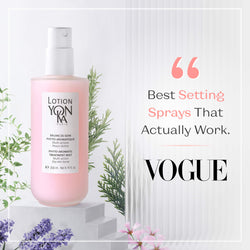
This is where a toning mist becomes your best ally. Lotion Yon-Ka PS is not a traditional astringent; it is a phyto-aromatic healing water. By misting the skin before applying your serum or cream, you provide a damp environment that acts as a carrier, helping the next steps work more effectively. This step is the "secret sauce" of the Yon-Ka ritual, transforming the way your skin accepts hydration.
Choosing the Right Botanical Solutions
If you are using a lightweight lotion but your skin feels like it needs a heavy cream, it is time to reassess your product selection. Your skin's needs change with the seasons, your age, and your stress levels.
For Dehydrated Skin (Lack of Water)
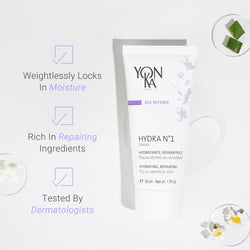
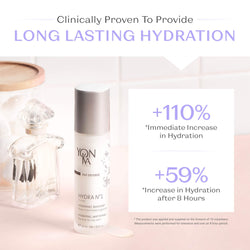
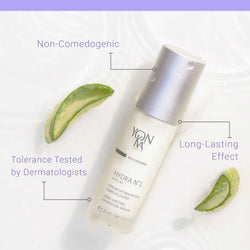
If your skin feels tight and shows fine lines, you need humectants—ingredients that act like sponges to pull water into the skin. Hyaluronic acid is the gold standard for this. Our Hydra n°1 Serum and Hydra n°1 Crème are specifically designed for this concern.
For Dry Skin (Lack of Oil)
If your skin is flaky and rough, it needs lipids to repair the barrier. A booster can be the perfect way to customize your existing moisturizer. If you are looking for that type of targeted support, explore our boosters collection. This oil-based step provides the "mortar" your skin is missing, preventing water from escaping throughout the day.
For Mature or Aging Skin
As we age, our skin's natural oil production significantly declines. This is why a moisturizer that worked in your twenties may feel insufficient in your forties or fifties. The Excellence Code Creme is formulated to address the specific dryness and visible signs of aging associated with changing skin needs. For a closer look at the line, visit our Excellence Code treatment page.
| Concern | Recommended Product | Key Benefit |
|---|---|---|
| Dehydration | Hydra n°1 Crème | Intensely hydrates with hyaluronic acid |
| Barrier Damage | Serum Omega | Lipid-restoring oil-in-serum |
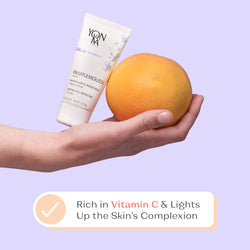
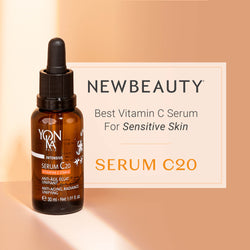
| Dullness/Dryness | Serum C20 | Brightens with 20% Vitamin C + hydration |
| Chronic Flaking | Nutri + Booster | Nourishing oil concentrate for lipids |
Environmental and Internal Factors
Your environment is constantly bidding for your skin's moisture. In the winter, indoor heating strips the air of humidity, leading to "winter itch" and parched facial skin. In the summer, air conditioning has a similar drying effect. Using a humidifier in your bedroom can help maintain a more skin-friendly environment while you sleep.
Hydration starts from the inside. While topical skincare is vital, your skin is the last organ to receive the water you drink. Ensuring you are consuming enough water and healthy fats (like those found in walnuts, flaxseeds, and salmon) provides your body with the building blocks it needs to create healthy skin cells. Nutrient deficiencies in Vitamin A, Vitamin D, or Zinc can also manifest as stubborn dryness. If dietary changes and a consistent ritual do not yield results, it may be wise to consult with your physician.
Key Takeaway: Persistent dryness is often a sign of "leakage" (TEWL) rather than a lack of product. To fix it, you must stop stripping the skin with harsh cleansers, apply products to damp skin, and use a combination of humectants to pull water in and lipids to seal it shut.
Building Your Recovery Ritual
To transition your skin from parched to pampered, we recommend a layered, ritualistic approach. Consistency is far more effective than an occasional "rescue" mask.
- Cleanse Gently: Use a milk or cream-based cleanser like Lait Nettoyant. Avoid hot water at all costs.
- Mist Generously: Saturate the skin with Lotion Yon-Ka PS. Do not pat it dry; leave the skin damp.
- Target with a Serum: While damp, apply a serum like Hydra n°1 Serum. This provides a concentrated dose of moisture-binding ingredients.
- Seal and Protect: Apply your moisturizer. If you feel exceptionally dry, pair it with a nourishing serum designed to support the barrier, such as Serum Omega.
- Nighttime Care: Consider a dedicated night treatment that supports the skin's natural repair cycle while you sleep.
For those who are unsure which products are best for their current skin state, our Skin Diagnosis experience can also help connect you with personalized guidance from a Yon-Ka spa professional.
When to Consult a Professional
While most cases of dry skin can be managed with a refined botanical ritual, some conditions require medical intervention. If your skin is persistently itchy, red, cracked, or bleeding, you may be dealing with more than just simple dryness. Conditions like eczema, psoriasis, or seborrheic dermatitis are medical skin conditions that should be diagnosed and treated by a dermatologist.
Additionally, if you find that your home care ritual has reached a plateau, visiting a professional spa for a customized Yon-Ka treatment can provide a much-needed reset. Read more about our in-spa approach in our treatment spotlight on Excellence Code. You can also find a certified partner near you using our Spa Locator.
Conclusion
Understanding why your skin is so dry even after moisturizing is the first step toward achieving the glowing, healthy complexion you deserve. By recognizing the difference between a lack of oil and a lack of water, respecting your skin barrier, and refining your application techniques, you can move past the cycle of temporary relief.
At Yon-Ka Paris, we believe that skincare is a ritual worth savoring—an opportunity to connect with the power of nature and 70 years of phyto-aromatic expertise. Our mission is to provide you with formulas that are not only effective but also sensorial, turning your daily routine into a moment of true wellness. We invite you to explore our collections and discover the transformative power of the Quintessence for yourself.
FAQ
Why does my face feel tight immediately after washing it?
This is usually a sign that your cleanser is too harsh or the water you are using is too hot. Both can strip away the natural lipids that comprise your skin barrier. Switching to a gentle cleansing milk like Lait Nettoyant and using lukewarm water can prevent this immediate feeling of dehydration.
Can I use a facial oil instead of a moisturizer if I have dry skin?
Facial oils are excellent for providing lipids, but they are not a complete replacement for moisturizer. Moisturizers usually contain humectants (water-pulling ingredients) and occlusives (water-sealing ingredients), whereas oils are primarily emollient. For the best results, layer a few drops of oil over your moisturizer or mix them together to get both hydration and nourishment.
How long will it take to see an improvement in my dry skin?
With a consistent, barrier-respecting ritual, you may notice a difference in skin comfort within a few days. However, deeper barrier repair typically takes about 28 to 30 days, which is the time it takes for a full cycle of skin cell turnover. Consistency is key to seeing long-term changes in the appearance of your skin.
Is it possible to over-moisturize my skin?
While rare for truly dry skin, using a product that is too heavy for your skin type can lead to clogged pores or small white bumps called milia. If you have oily or combination skin that feels dehydrated, focus on water-based serums and lightweight fluids rather than heavy, oil-rich creams.