Table of Contents
- Introduction
- The Unique Anatomy of the Eye Area
- Environmental Triggers and Seasonal Shifts
- Lifestyle Habits That Impact Eye Hydration
- Understanding Contact Dermatitis and Irritants
- The Role of Aging and Hormonal Changes
- Health Considerations: Eczema and Blepharitis
- The Yon-Ka Phyto-Aromatic Approach to Eye Care
- Building a Ritual for Dry Eyes
- Essential Ingredients for Eye Hydration
- Professional Spa Treatments for the Eye Area
- Prevention Strategies for Lasting Comfort
- Conclusion
- FAQ
Introduction
Waking up to find the skin around your eyes feeling tight, itchy, or visibly flaky can be a frustrating start to the day. This delicate area often mirrors our internal health and external environment more quickly than any other part of the face. At Yon-Ka Paris, we understand that eye-area concerns require a specialized touch that respects the fragile nature of this skin while providing deep, phyto-aromatic nourishment. To learn more about the brand’s approach to ingredients, explore our ingredient philosophy.
In this article, we will explore the biological and environmental reasons behind periocular dryness, ranging from simple seasonal shifts to underlying health factors. We will also detail how a consistent, botanical-led ritual can help restore comfort and a youthful glow to your gaze. Understanding why is my skin so dry around my eyes is the essential first step toward reclaiming a supple, hydrated, and refreshed appearance.
The Unique Anatomy of the Eye Area
To understand why dryness strikes the eyes so frequently, we must first look at the unique anatomy of this region. The skin surrounding your eyes is significantly different from the skin on your cheeks, chin, or forehead. It is the thinnest skin on the entire body—roughly four times thinner than the skin on the rest of your face.
Because this skin is so fine, it lacks the depth of the dermis found elsewhere, meaning there is less room for collagen and elastin fibers to provide structural support. Furthermore, this area contains very few sebaceous glands. These glands produce sebum, the natural oil that forms a protective barrier to lock in moisture. Without a robust supply of natural oils, the eye area struggles to maintain its own hydration levels and is more susceptible to "trans-epidermal water loss," a process where moisture evaporates from the skin into the air.
Beyond its structural delicacy, the eye area is in constant motion. We blink upwards of 10,000 times a day, and our eyes are central to every facial expression we make. This repetitive movement, combined with a lack of natural lubrication, makes the area a primary target for dryness, fine lines, and irritation.
Environmental Triggers and Seasonal Shifts
Often, the answer to why is my skin so dry around my eyes lies in the world around us. Our skin is a living organ that reacts constantly to its environment.
Low Humidity and Cold Climates
During the winter months, humidity levels drop both outdoors and indoors. Cold air holds less moisture, and indoor heating systems further strip the air of humidity. This dry environment acts like a sponge, pulling water out of your skin. Because the eye area has such a weak lipid barrier to begin with, it is often the first place to show signs of seasonal dehydration, manifesting as "crepey" skin or fine, dry lines.
UV Exposure and Wind
Windburn isn't just for skiers. A brisk wind can disrupt the skin’s surface barrier, leading to immediate dryness and redness around the eyes. Additionally, cumulative sun damage from UV rays breaks down what little collagen exists in this area. This damage impairs the skin's ability to hold onto water, leading to a chronically dry and weathered appearance over time.
Pollution and Urban Stress
For those living in cities, airborne pollutants can settle on the skin and trigger oxidative stress. This can compromise the skin's protective barrier, making it harder for the eye area to stay hydrated. We often recommend a barrier-supporting day cream, like Vital Defense, which is designed to help protect the skin from environmental stressors while providing essential hydration.
Lifestyle Habits That Impact Eye Hydration
Sometimes, our daily habits inadvertently contribute to the dryness we see in the mirror. Small adjustments to your routine can make a significant difference in the comfort of your eye contour.
- Hot Water Usage: While a steaming shower feels relaxing, hot water can strip the skin of its essential oils. Since the eye area has so few oils to begin with, washing your face with hot water can leave the eyelids feeling parched and tight.
- Aggressive Cleansing: Rubbing your eyes to remove waterproof mascara or using harsh, soap-based cleansers can create micro-tears and irritation. This disrupts the skin barrier and leads to persistent flakiness. A gentle option like Lait Nettoyant is designed to remove makeup without stripping delicate skin.
- Diet and Dehydration: If you aren't drinking enough water or if your diet is high in salt and caffeine, your skin may reflect this systemic dehydration. The thin skin around the eyes is often the first place where "water-poor" skin becomes visible.
- Lack of Sleep: While "beauty sleep" sounds like a cliché, nighttime is when the skin goes into repair mode. Inadequate rest can interfere with the skin’s ability to recover from the day's environmental stressors, leading to a dull, dry, and sunken appearance.
Quick Answer: Skin around the eyes is exceptionally thin and lacks oil glands, making it prone to dryness from weather, aging, and harsh products. Managing this requires gentle, targeted hydration and barrier protection through a consistent skincare ritual.
Understanding Contact Dermatitis and Irritants
If your dryness is accompanied by redness, stinging, or a rash, you might be experiencing contact dermatitis. This occurs when the skin reacts to a specific substance.
Irritant contact dermatitis happens when the skin is repeatedly exposed to something that wears down its protective layer. This could be a new makeup remover, a fragranced laundry detergent used on your pillowcase, or even the residue of a hand cream you applied before rubbing your eyes.
Allergic contact dermatitis is an immune response to a specific allergen. Common culprits include certain preservatives in cosmetics, fragrances, or ingredients like nickel in eyelash curlers or eyewear frames. Because the skin around the eyes is so thin, it allows these substances to penetrate more deeply than they would on thicker skin, leading to a more pronounced reaction.
If you suspect a product is causing your dryness, we recommend the "elimination method." Stop using all eye-area products for a few days, then introduce one new product at a time to see how your skin reacts. A lightweight daily mist such as Lotion Yon-Ka PS can be a helpful part of a gentle routine when your skin needs comfort.
Note: We always recommend performing a patch test when introducing a new product to your ritual. Apply a small amount to the inner forearm and wait 24 hours to ensure your skin is comfortable with the formula.
The Role of Aging and Hormonal Changes
As we move through different stages of life, our skin’s ability to self-hydrate naturally diminishes. Understanding these biological shifts can help you choose the right support for your skin.
Aging and Oil Production Starting in our late 30s and 40s, the skin’s production of sebum and hyaluronic acid begins to slow down. Hyaluronic acid is a humectant—a substance that can hold 1,000 times its weight in water. As these natural moisture-binders decrease, the eye area can lose its plumpness, making the skin appear thinner and drier.
Hormonal Shifts Changes in estrogen levels, particularly during perimenopause and menopause, can lead to a significant drop in skin hydration and elasticity. This often results in a "sudden" onset of dryness around the eyes. During these times, the skin requires more lipid-rich support to compensate for the loss of natural oils.
Health Considerations: Eczema and Blepharitis
In some cases, the answer to why is my skin so dry around my eyes is a clinical skin condition. While skincare can support the appearance of these conditions, it is important to recognize when medical advice is needed.
Eyelid Eczema (Atopic Dermatitis)
Eczema is a chronic inflammatory condition that can cause the skin to become extremely dry, itchy, and scaly. When it affects the eyelids, it can be particularly uncomfortable. This condition is often linked to a compromised skin barrier and may require specialized care from a dermatologist.
Blepharitis
Blepharitis is an inflammation of the eyelids, often involving the oil glands near the base of the eyelashes. It can cause the eyelids to look red, swollen, and crusty. While it primarily affects the lash line, the resulting irritation can lead to dryness and flakiness on the surrounding skin.
Bottom line: If you experience persistent redness, swelling, pain, or blurred vision alongside your dry skin, please consult a physician or dermatologist to rule out infections or medical conditions.
The Yon-Ka Phyto-Aromatic Approach to Eye Care
At the heart of our philosophy is the belief that skincare should be a holistic, sensorial ritual that respects the skin’s natural balance. We rely on the power of Aromatherapy (the use of essential oils), Phytotherapy (the use of plant extracts), and Aromachology (the influence of scents on the mind) to create high-efficacy formulas.
Our signature Quintessence—a blend of lavender, geranium, rosemary, cypress, and thyme essential oils—provides a foundation for many of our treatments. This complex is not only aromatic but is designed to revitalize and stabilize the skin. When dealing with the dry eye area, we combine these botanicals with advanced hydrators like hyaluronic acid and soothing plant oils to restore the look of health and vitality.
Building a Ritual for Dry Eyes
To address dryness effectively, we move away from "quick fixes" and toward a layered, consistent ritual. This approach ensures the delicate eye skin is cleansed without stripping, hydrated deeply, and protected throughout the day. If you want a broader look at the category designed for delicate contours, visit our Eye & Lip Contour range.
Step 1: Gentle Cleansing
The first rule of eye care is to never use harsh soaps. Our Lait Nettoyant is a silky cleansing milk that removes makeup and impurities while respecting the skin’s hydrolipidic film. It is gentle enough for the most sensitive eyes and leaves the skin feeling soft and comforted rather than tight.
Step 2: The Botanical Mist
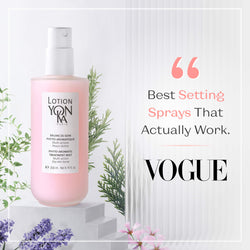
Follow your cleanse with a generous mist of Lotion Yon-Ka. This alcohol-free toner, infused with our signature Quintessence, prepares the skin to better absorb the active ingredients in your eye cream. It provides an immediate burst of phyto-aromatic hydration that awakens the senses.
Step 3: Targeted Eye Treatment
This is the most critical step for addressing "why is my skin so dry around my eyes." You need a product specifically formulated for the eye contour's unique needs.
- For Puffiness and Revitalization: Phyto-Contour is a beloved professional formula. It uses rosemary extracts to visibly de-puff and firm the appearance of the eye area. Its fresh, herbaceous scent provides a morning wake-up call for tired eyes.
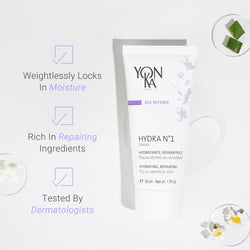
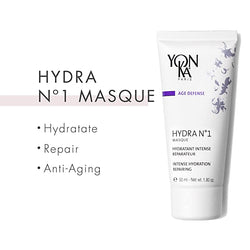
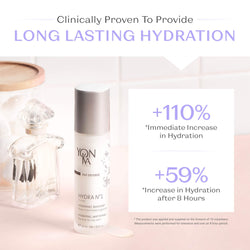
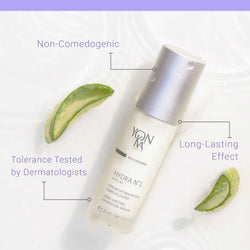
- For Intense Hydration: If your primary concern is sheer dryness, look toward the Hydra n°1 collection. Hydra n°1 Crème can be applied very thinly around the orbital bone to provide long-lasting moisture, using hyaluronic acid and shea butter to smooth the look of dehydration lines.
Step 4: Gentle Exfoliation
It may seem counterintuitive to exfoliate dry skin, but removing dead skin cells allows your moisturizers to work more effectively. However, the eye area cannot handle traditional scrubs. Gommage Yon-Ka is a grain-free, botanical peel that uses carob and citrus extracts to gently lift away dullness. It can be used very carefully on the outer edges of the eye area to brighten and smooth the skin's appearance.
| Product Type | Recommended Yon-Ka Product | Key Benefit for Dry Eyes |
|---|---|---|
| Cleanser | Lait Nettoyant | Cleanses without stripping delicate lipids. |
| Mist | Lotion Yon-Ka | Hydrates and prepares skin for treatments. |
| Eye Cream | Phyto-Contour | Revitalizes, firms, and targets under-eye puffiness. |
| Intensive Hydrator | Hydra n°1 Crème | Provides deep, lipid-restoring moisture. |
Essential Ingredients for Eye Hydration
When shopping for eye care, look for ingredients that mimic the skin’s natural components or provide a protective shield. To understand how Yon-Ka selects and combines these actives, read more about our formulation philosophy.
- Hyaluronic Acid: A powerhouse humectant that attracts water into the skin.
- Glycerin: A simple but effective ingredient that helps the skin retain moisture.
- Vitamin E: An antioxidant that helps protect the delicate eye area from free radical damage.
- Plant Oils (Shea Butter, Avocado Oil): These provide the lipids that the eye area naturally lacks, helping to "seal" the skin barrier.
- Peptides: These amino acid chains can help improve the appearance of skin firmness and resilience.
Professional Spa Treatments for the Eye Area
While a home ritual is essential, professional care can take your results to the next level. Our heritage is rooted in the spa, where skincare professionals have trusted Yon-Ka for over 70 years.
A professional Eclat Contour treatment, for example, focuses specifically on the eyes. It uses specialized massage techniques and high-concentration professional products to drain, smooth, and deeply hydrate the eye area. These treatments offer a level of relaxation and efficacy that is difficult to replicate at home. You can find a certified partner near you using our Spa Locator. For a deeper look at the treatment experience, see our spa treatment overview.
Prevention Strategies for Lasting Comfort
Once you have restored hydration to your eye area, maintaining those results requires a few preventive measures:
- Use a Humidifier: Especially in the winter, adding moisture back into your bedroom air can prevent the "morning-after" eye dryness.
- Wear Sunglasses: Protect the thin skin around your eyes from the drying effects of wind and the damaging effects of UV rays.
- Be Gentle with Makeup Removal: Never tug or pull at the skin. Soak a cotton pad in a gentle remover and let it sit on the eye for 30 seconds to dissolve makeup before gently wiping.
- Stay Consistent: Skincare is a marathon, not a sprint. The eye area responds best to daily, gentle care rather than occasional heavy treatments. If you want more guidance for daily eye care, explore our tips for youthful-looking eyes.
Key Takeaway: Dryness around the eyes is often a combination of a naturally weak skin barrier and external stressors. By switching to gentle cleansers, using targeted phyto-aromatic eye creams, and protecting the skin from the environment, you can significantly improve the look and feel of this delicate area.
Conclusion
The question of why is my skin so dry around my eyes usually has multiple answers, from the biological reality of thin skin to the harshness of our modern environment. By treating this area with the specialized care it deserves—focusing on gentle cleansing, deep hydration, and botanical protection—you can restore a sense of comfort and radiance to your gaze.
At Yon-Ka Paris, our mission is to provide you with high-trust, phyto-aromatic solutions that turn your daily routine into a moment of wellness. Our formulas are born from a 70-year legacy of French skincare excellence, blending pharmaceutical rigor with the soul of the spa.
"Skincare is not just a necessity; it is a ritual of self-respect. When we care for the delicate skin around our eyes, we are not just addressing a cosmetic concern—we are honoring the window through which we see the world."
To find the perfect products for your unique needs, we invite you to take our Skin Diagnosis quiz or use the Product Matcher on our website. If you are comparing more eye-contour options, you can also read about anti-wrinkle eye care, anti-dehydration eye care, and our target eye cream for puffiness. Whether you are seeking to soothe irritation or erase the look of fine lines, there is a Yon-Ka ritual designed just for you.
FAQ
How can I tell if the skin around my eyes is dry or just aging?
Dryness usually manifests as a feeling of tightness, visible flaking, or a "crepey" texture that improves immediately after applying moisturizer. Aging, on the other hand, involves deeper lines and a loss of elasticity that remains even when the skin is well-hydrated. However, chronic dryness can make signs of aging appear more prominent, so a hydrating eye cream like Phyto-Contour often helps address both concerns simultaneously.
Can I use my regular face moisturizer around my eyes?
While you can use some face moisturizers around the eyes, it is often not ideal. The eye area is much thinner and more sensitive than the rest of the face, and many facial creams contain fragrances or active ingredients (like high-strength AHAs) that can irritate the eyes. Dedicated eye products are ophthalmologically tested and formulated with a specific molecular weight to penetrate the thin skin effectively without causing puffiness.
Why do my eyes get dryer in the winter?
Winter air has very low humidity, which triggers trans-epidermal water loss, causing moisture to evaporate from your skin. Additionally, the transition between cold outdoor air and dry indoor heating can shock the skin's barrier. Since the eye area lacks oil glands to protect itself, it is usually the first area to feel parched during seasonal changes.
Is it normal for eye cream to tingle?
A slight, brief tingling sensation can sometimes occur with products containing active essential oils or botanical extracts, which is often a sign of the phyto-aromatic ingredients at work. However, if the tingling turns into persistent redness, burning, or itching, you should discontinue use and consult a professional. Always introduce new active products gradually and perform a patch test on your inner arm first.