Table of Contents
- Introduction
- Understanding the Difference: Dry vs. Dehydrated Skin
- Why Is My Skin on Face So Dry? Common Causes
- The Importance of the Skin Barrier
- A Phyto-Aromatic Ritual for Dry Skin
- Advanced Tips for Managing Persistent Dryness
- Common Myths About Dry Skin
- The Professional Yon-Ka Experience
- Summary Table: Identifying Your Skin’s Needs
- Conclusion
- FAQ
Introduction
Waking up to a face that feels tight, looks dull, or shows signs of flaking can be a frustrating way to start the day. That uncomfortable, parched sensation is a common concern that often leaves people wondering why their usual routine isn't providing the relief they crave. At Yon-Ka Paris, we understand that achieving a soft, glowing complexion requires more than just a quick fix; it demands a deep understanding of the botanical and physiological factors at play. This guide will explore the various environmental, lifestyle, and biological reasons behind facial dryness and provide a pathway to a more resilient, hydrated appearance. By identifying the root causes and implementing a dedicated phyto-aromatic ritual, you can support your skin's natural barrier and rediscover its inherent radiance.
Understanding the Difference: Dry vs. Dehydrated Skin
Before diving into the causes, it is essential to distinguish between "dry" skin and "dehydrated" skin. While they may feel similar, they are fundamentally different concerns that require different approaches.
Dry skin is a skin type. It is characterized by a lack of oil (lipids). If you have a dry skin type, your sebaceous glands do not produce enough sebum—the natural oil that keeps the skin lubricated and helps maintain the protective barrier. People with dry skin often have smaller pores and a complexion that can look matte or even rough.
Dehydrated skin, on the other hand, is a temporary skin condition that can affect any skin type—even oily skin. Dehydration refers to a lack of water in the uppermost layers of the skin. This can be caused by external factors that strip moisture away or a lack of internal hydration. Dehydrated skin often looks dull, feels tight after cleansing, and may show fine lines more prominently.
Quick Answer: Facial dryness is typically caused by a combination of environmental factors like cold weather, lifestyle habits such as hot showers, and biological shifts like decreased oil production with age. Addressing it requires a balance of replenishing both water and lipids through a consistent, gentle skincare ritual.
Why Is My Skin on Face So Dry? Common Causes
Environmental Factors and Seasonal Shifts
The world around us plays a significant role in how our skin behaves. Low humidity is one of the primary culprits. When the air is dry—whether due to a cold winter climate or the constant use of indoor heating and air conditioning—it literally pulls moisture out of your skin through a process called transepidermal water loss (TEWL).
Cold wind can also be incredibly harsh, acting as a physical irritant that chaps the skin and disrupts the delicate surface barrier. In the summer, excessive sun exposure can damage the skin’s ability to hold onto moisture, leading to a "leathery" or parched appearance.
The Impact of Hot Water and Cleansing Habits
While a steaming hot shower might feel relaxing, it is often detrimental to your facial skin. Hot water can strip away the natural oils and "natural moisturizing factors" (NMFs) that keep your skin's barrier intact. These NMFs are substances like amino acids and lactic acid that naturally occur in the skin to help it retain water.
Similarly, using harsh, alkaline soaps or foaming cleansers that contain sulfates—cleansing agents that create a lot of bubbles—can be too aggressive. These products can disrupt the skin's pH balance, which should ideally be slightly acidic (around 5.5). When the pH is thrown off, the skin's ability to protect itself diminishes, leading to dryness and sensitivity.
Biological Aging and Sebum Production
As we journey through life, our skin undergoes natural changes. Sebum production tends to peak in our teens and twenties and then begins a steady decline. Many people notice a significant drop in skin moisture as they reach their 40s.
During this time, the production of essential lipids like ceramides—the "glue" that holds skin cells together—also slows down. This makes the skin thinner and less capable of acting as an effective shield against moisture loss.
The Role of Diet and Internal Hydration
The "inside-out" approach to skincare is highly relevant when discussing dryness. If the body is dehydrated, the skin is often the last organ to receive the water it needs. Furthermore, a diet lacking in essential fatty acids (EFAs), such as Omega-3 and Omega-6, can impair the skin's lipid barrier. These fats are crucial for maintaining the suppleness and integrity of the skin's cells.
Medications and Health Conditions
Sometimes, dryness is a side effect of external influences or internal health. Certain medications, including those for blood pressure, cholesterol, or acne (like isotretinoin), are known to cause significant dryness as a side effect. Additionally, underlying conditions such as hypothyroidism or vitamin deficiencies (particularly Vitamins A and D) can manifest as excessively dry or flaky skin.
The Importance of the Skin Barrier
To truly understand why your face is dry, you must understand the stratum corneum, or the skin barrier. Think of this barrier as a brick wall: the skin cells are the "bricks," and the lipids (fats) are the "mortar."
When this "mortar" is healthy, it prevents water from escaping and keeps irritants like pollution and bacteria from entering. If the barrier is compromised, the "mortar" becomes porous. Water evaporates quickly, and the skin becomes vulnerable to redness, itching, and flaking. At Yon-Ka, our formulations are specifically designed to respect and reinforce this vital barrier through the power of phytotherapy—the use of plant extracts for therapeutic benefits.
Key Takeaway: Dryness is rarely the result of a single factor; it is usually a cumulative effect of environmental stress, aging, and potentially aggressive skincare habits that weaken the skin's lipid barrier.
A Phyto-Aromatic Ritual for Dry Skin
Addressing dryness isn't about "hacks" or finding a single miracle product. It is about a consistent, layered ritual that honors the skin's natural rhythm. Our approach at Yon-Ka focuses on gentle cleansing, aromatic preparation, and targeted nourishment.
Step 1: Gentle, Barrier-Respecting Cleansing
The first step is to stop the cycle of stripping the skin. For dry and sensitive complexions, we recommend a creamy, non-foaming cleanser like Lait Nettoyant. This cleansing milk gently lifts away makeup and impurities without disrupting the lipid film.
How to use: Apply with your fingertips in circular motions, then rinse with lukewarm water or remove with a damp cloth. Always avoid rubbing the skin vigorously, as friction can further irritate dry patches.
Step 2: The Essential Phyto-Aromatic Mist
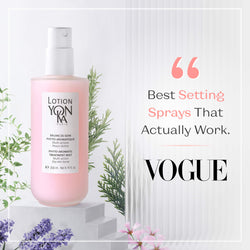
One of the most overlooked steps in managing dryness is the toning phase. Lotion Yon-Ka PS is not a traditional astringent; it is a hydrating daily lotion infused with our signature Quintessence. This exclusive complex of five essential oils—lavender, geranium, rosemary, cypress, and thyme—is the foundation of our expertise.
Misting the skin with Lotion Yon-Ka PS prepares the face to better absorb the serums and moisturizers that follow.
Step 3: Targeted Treatment with Serums and Boosters
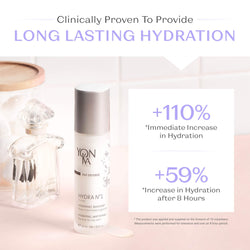
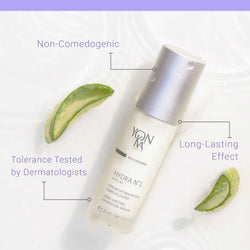
When skin is profoundly dry, a standard moisturizer may not be enough. This is where high-performance serums come in. For dehydration, Hydra N°1 Serum uses long-lasting hydrating agents like hyaluronic acid to plump the appearance of the skin.
If your skin lacks oil and feels rough, adding a lipid-replenishing option like Serum Omega is essential. Its nourishing oil-in-serum texture helps support dry, sensitive skin with a richer feel.
Step 4: Moisturize and Seal
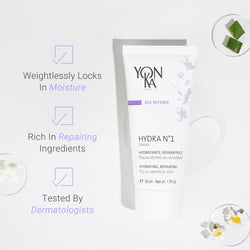
The final layer of your morning and evening ritual should be a cream that provides a protective seal. Hydra N°1 Crème is an excellent choice for dry skin, as it combines repair and hydration. For those with more mature skin experiencing dryness alongside loss of firmness, Advanced Optimizer Creme offers a firming-focused option while providing necessary moisture.
Step 5: Protect from the Elements
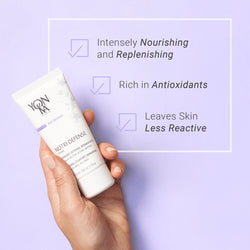
During the day, environmental protection is vital. Vital Defense acts as an antioxidant and anti-pollution shield, helping to prevent the environmental stressors mentioned earlier from further drying out the skin.
Note: When introducing new products containing essential oils, we always recommend a patch test. Apply a small amount to your inner forearm and wait 24 hours to ensure your skin welcomes the botanical actives. A slight, fleeting tingling can be normal, but persistent redness means you should reduce frequency or consult our experts.
Advanced Tips for Managing Persistent Dryness
The Power of Nightly Repair
Your skin does its most intensive repair work while you sleep. Utilizing a more intensive treatment at night can yield significant results. Glyconight 10% Masque is a gentle glycolic acid peeling mask that helps dissolve the dead skin cells that can trap moisture on the surface. By removing this buildup, your evening oils and creams can penetrate more effectively.
Don't Forget the Eye Contour
The skin around the eyes is significantly thinner than the rest of the face and has very few oil glands. This area is often the first to show signs of dryness and "crepiness." Using a targeted treatment like Phyto-Contour can help alleviate the appearance of puffiness and dark circles while keeping this delicate area hydrated.
Weekly Deep Hydration
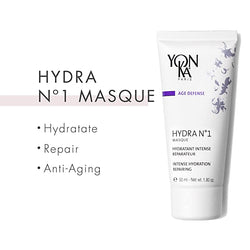
Once or twice a week, treat your skin to a professional-level mask. Hydra N°1 Masque is designed for extreme dryness and can even be applied in a thin layer and left on overnight for an intensive "moisture bath." This helps to deeply repair the look of the skin after exposure to sun, wind, or cold air.
Common Myths About Dry Skin
Myth: "Oily skin cannot be dry." Fact: Oily skin can frequently be dehydrated. If you use harsh acne treatments to "dry out" your oil, you may actually strip the water from your skin, leading to a complexion that is simultaneously oily and flaky.
Myth: "Exfoliating dry skin will make it worse." Fact: While aggressive physical scrubs should be avoided, gentle exfoliation is necessary. Without it, dead skin cells pile up, preventing your moisturizers from actually reaching the living cells. A grain-free exfoliator like Gommage Yon-Ka is ideal for dry skin as it uses carob and lime extracts to clarify without irritation.
Myth: "Drinking more water will instantly fix dry skin." Fact: While internal hydration is vital for overall health, your skin's ability to retain that water depends entirely on the strength of your lipid barrier. You must address the topical barrier to see a real change.
The Professional Yon-Ka Experience
While home care is the foundation of healthy skin, professional treatments can offer a deeper level of transformation. For over 70 years, Yon-Ka has been the brand of choice for over 7,000 skincare professionals worldwide. Our treatments, born in the spa environment, utilize high concentrations of botanical actives and specialized massage techniques to revitalize the skin.
If you find that your home ritual isn't fully resolving your dryness, visiting a Yon-Ka partner spa can provide a personalized analysis and an intensive professional treatment like Le Grand Classique Treatment or a Hydralessence facial. You can find a professional near you by using our Spa Locator.
Summary Table: Identifying Your Skin’s Needs
| Symptom | Likely Concern | Recommended Yon-Ka Solution |
|---|---|---|
| Feels tight, lacks "glow," shows fine lines | Dehydration (Lack of Water) | Hydra N°1 Serum & Lotion Yon-Ka PS |
| Flaking, rough texture, small pores | Dryness (Lack of Oil) | Serum Omega & Advanced Optimizer Creme |
| Redness, reacts easily to wind/heat | Sensitivity + Dryness | Lait Nettoyant & Sensitive Masque |
| Dullness, products don't "sink in" | Dead Skin Buildup | Gommage Yon-Ka (Weekly) |
Conclusion
Understanding why your facial skin is so dry is the first step toward reclaiming a comfortable, radiant complexion. Whether the cause is the biting winter wind, the natural progression of age, or a routine that is a bit too aggressive, the solution lies in returning to the power of nature. By focusing on botanical ingredients that respect the skin's barrier and utilizing a consistent ritual of cleansing, toning, and targeted nourishment, you can restore the appearance of your skin.
At Yon-Ka Paris, we believe that skincare is a ritual worth savoring—a moment of connection between the healing power of plants and your own well-being. Our 70-year heritage in phyto-aromatic science is dedicated to helping you achieve skin that doesn't just look healthy, but feels deeply revitalized.
Key Takeaway: Real, lasting results for dry skin come from a holistic approach that balances hydration, lipid replenishment, and environmental protection.
If you are unsure which products are best for your specific concerns, we invite you to take our Skin Diagnosis quiz or use the Product Matcher. Embracing a customized ritual today is the best gift you can give your skin for tomorrow.
FAQ
Can I use face oils if my skin is dry and prone to occasional breakouts?
Yes, you can use high-quality plant-based oils even if you experience occasional blemishes. Many plant oils, like those found in Serum Omega, are non-comedogenic (won't clog pores) and provide essential fatty acids that help balance the skin's natural oil production and repair the barrier.
Why does my skin still feel dry even after I apply moisturizer?
This often happens if you are applying moisturizer to completely dry skin or if there is a buildup of dead skin cells blocking absorption. Try applying your cream while the skin is still damp from Lotion Yon-Ka PS, and incorporate a gentle, grain-free exfoliator like Gommage Yon-Ka once a week to improve penetration.
Is it possible for my skin to become dry overnight?
While true skin "type" changes don't happen overnight, your skin can become acutely dehydrated very quickly due to factors like sleeping in a room with a heater on, traveling on an airplane, or over-using an active ingredient like retinol. Using an overnight treatment like Hydra N°1 Masque can help counteract these sudden shifts.
How do I know if my dryness is a medical issue?
If your skin is persistently cracked, bleeding, oozing, or if you have patches that are extremely itchy and red despite using gentle products, it is important to consult a physician or dermatologist. These could be signs of eczema, psoriasis, or an underlying medical condition that requires professional diagnosis and treatment.