Table of Contents
- Introduction
- The Myth of the "Squeaky Clean" Feeling
- Understanding the Acid Mantle and Skin Barrier
- The Role of Harsh Surfactants
- Why pH Balance is Critical
- Common Cleansing Habits That Lead to Dryness
- Dry Skin vs. Dehydrated Skin
- The Phyto-Aromatic Approach to Cleansing
- Targeted Ingredients to Seek
- The 60-Second Rule for Hydration
- Seasonal Adjustments for Your Cleansing Routine
- How to Build a Supportive Ritual
- The Importance of Professional Guidance
- Conclusion
- FAQ
Introduction
There is a specific, quiet joy in the ritual of cleansing your face at the end of a long day. It is the moment you wash away the external world, refreshing your complexion and preparing your spirit for rest. However, if that feeling of freshness is immediately followed by a restrictive tightness or a "parched" sensation, your daily ritual may be inadvertently causing more harm than good. Finding the right balance between effective cleansing and moisture retention is the key to a healthy, glowing complexion that feels as comfortable as it looks.
At Yon-Ka Paris, we believe that cleansing should never be a subtractive process that leaves the skin feeling vulnerable. Instead, it should be a supportive first step in a holistic routine rooted in our 70-year heritage of phyto-aromatic excellence. To learn more about that philosophy, explore our ingredients page. In this article, we will explore why your current cleanser might be leaving you dry, the science behind your skin’s protective barrier, and how to transition to a more nurturing, botanical-based cleansing method.
The Myth of the "Squeaky Clean" Feeling
For decades, many of us were taught that if our skin didn't feel tight or "squeaky" after washing, it wasn't truly clean. In reality, that "squeaky clean" sensation is often the sound of a compromised skin barrier. When your skin feels like it has been pulled taut across your cheekbones, it is a signal that your cleanser has stripped away not just the dirt and makeup, but also the essential lipids that keep your skin healthy and resilient.
A high-quality cleanser should leave your face feeling soft, supple, and refreshed. If you are reaching for your moisturizer in a state of panic because your skin feels like it might crack, your face wash is likely too aggressive for your unique skin chemistry. This imbalance can lead to a cycle of irritation, redness, and even increased oil production as your skin tries to overcompensate for the sudden loss of moisture.
Understanding the Acid Mantle and Skin Barrier
To understand why a face wash might be drying out your skin, we must look at the biology of the skin's surface. Your skin is protected by a thin, slightly acidic film known as the acid mantle. This film is composed of sebum (natural oils), sweat, and beneficial microflora. It acts as the body's first line of defense against environmental pollutants, harmful bacteria, and moisture loss.
Beneath the acid mantle is the skin barrier itself, often described using a "bricks and mortar" analogy. The "bricks" are your skin cells (corneocytes), and the "mortar" is a rich mixture of lipids, including ceramides, cholesterol, and fatty acids.
For a closer look at the kind of formulas that respect that barrier, visit our Face Cleansers & Makeup Removers collection.
When you use a harsh cleanser, you effectively dissolve the "mortar" holding your skin cells together. This creates microscopic gaps in the barrier, leading to transepidermal water loss (TEWL). This is the process where moisture evaporates from the deeper layers of your skin into the air, leaving the surface feeling parched and looking dull.
The Role of Harsh Surfactants
The most common reason for post-wash dryness is the presence of aggressive surfactants. Surfactants are the cleansing agents responsible for breaking down oil and allowing it to be rinsed away with water. While they are necessary for a clean face, some are far more disruptive than others.
Sodium Lauryl Sulfate (SLS) and Sodium Laureth Sulfate (SLES) are perhaps the most well-known culprits. These ingredients are used because they produce a rich, satisfying foam, but they are also incredibly efficient at stripping away the skin's natural oils. For those with sensitive or naturally dry skin, these sulfates can be far too harsh for daily use.
At Yon-Ka, we prioritize gentle, plant-derived cleansing agents that respect the skin's integrity. Rather than relying on heavy industrial suds, we utilize the power of nature to lift impurities without disturbing the delicate lipid balance. Transitioning to a sulfate-free formula, such as a cleansing milk or a soap-free gel, can often resolve the "tightness" issue almost overnight.
Why pH Balance is Critical
The pH scale runs from 0 to 14, with 7 being neutral. Your skin, however, is naturally slightly acidic, typically sitting between a pH of 4.5 and 5.5. This acidity is crucial for the health of the acid mantle and the enzymes that help your skin shed dead cells properly.
Many traditional bar soaps and foaming cleansers are highly alkaline, often reaching a pH of 9 or 10. When you apply an alkaline substance to your acidic skin, it creates a "chemical shock." This shift in pH causes the skin cells to swell and the lipid barrier to become more permeable.
If you want a gentler reset after cleansing, try Lotion Yon-Ka PS. Even a single wash with a high-pH cleanser can disrupt your skin’s balance for hours. If you wash your face twice a day with such a product, your skin may never have the chance to recover its ideal acidity. This chronic state of imbalance leads to the appearance of fine lines, increased sensitivity, and persistent dryness. Using pH-balanced formulas is essential for maintaining the comfort and long-term health of your complexion.
Common Cleansing Habits That Lead to Dryness
Sometimes the issue isn't just the product itself, but how it is applied. Even the most luxurious cleanser can feel drying if the technique is incorrect.
Using Hot Water
It is a common misconception that hot water "opens" pores to allow for a deeper clean. In reality, pores do not have muscles and cannot open or close like doors. Hot water is incredibly effective at dissolving the natural oils your skin needs to stay hydrated.
Always use lukewarm water. Lukewarm water is much closer to your skin's natural temperature and allows for effective cleansing without the risk of thermal shock or excessive lipid stripping.
Over-Cleansing
While the American Academy of Dermatology generally recommends washing your face twice a day, this is not a one-size-fits-all rule. If you have very dry or sensitized skin, a full cleanse in the morning may be unnecessary.
For many, a thorough, ritualistic cleanse at night to remove pollutants and makeup is essential, while a simple refreshing mist of Lotion Yon-Ka PS in the morning is enough to prepare the skin for the day. Over-washing can prevent the skin from naturally replenishing its protective barrier.
Mechanical Stress
Scrubbing your face with a rough washcloth or using a rotating cleansing brush every single day can create micro-tears in the skin barrier. This mechanical stress makes it even harder for the skin to retain moisture. Instead, use your fingertips to massage your cleanser into the skin using gentle, circular motions. This not only cleanses effectively but also boosts microcirculation and provides a moment of mindful relaxation.
Dry Skin vs. Dehydrated Skin
It is crucial to distinguish between these two conditions, as they require different approaches.
- Dry Skin is a skin type. It is characterized by a lack of oil (lipids). If you have dry skin, your sebaceous glands simply do not produce enough oil to keep the skin lubricated.
- Dehydrated Skin is a skin condition. It is characterized by a lack of water. Anyone, including those with oily skin, can experience dehydration.
If your face wash is drying your skin, it might be turning a normal or oily skin type into a temporarily dehydrated one. Conversely, if you have a naturally dry skin type, the wrong cleanser will exacerbate your lack of oil, leading to a flaky appearance and increased discomfort.
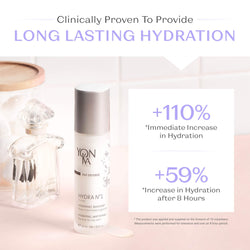
Hydra N°1 Serum is a helpful reference point here: to address dryness, you need oil-rich, lipid-restoring products. To address dehydration, you need water-binding humectants like hyaluronic acid and glycerin.
The Phyto-Aromatic Approach to Cleansing
At Yon-Ka, we view cleansing as the first step of the "treatment" phase, not just a preparation for it. Our phyto-aromatic approach combines the efficacy of land and sea plants with the sensorial benefits of aromachology — the study of how scents influence our mood and well-being.
Our signature is the Quintessence, an exclusive complex of five essential oils: lavender, geranium, rosemary, cypress, and thyme. This 100% natural and active complex is the foundation of our formulas, providing purifying, soothing, and revitalizing benefits that synthetic cleansers cannot replicate.
Step 1: The Gentle Cleanse
For those experiencing dryness, we often recommend a milk-based cleanser like Lait Nettoyant. This silky, oxygenating cleansing milk is designed to dissolve makeup and impurities while remaining soft and comforting. It contains borneol, known for its purifying and soothing properties, making it an ideal choice for delicate skin.
Step 2: The Misting Ritual
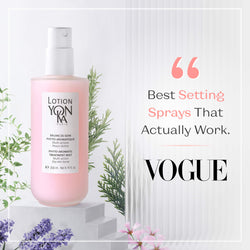
Following your cleanser, the application of Lotion Yon-Ka PS is essential. This is not a traditional "astringent" toner; it is a phyto-aromatic mist that brings together our signature blend of essential oils. It helps re-establish the skin's balance, provides an immediate burst of hydration, and enhances the absorption of subsequent products.
Targeted Ingredients to Seek
When shopping for a new cleanser to combat dryness, the ingredients list is your most powerful tool. Look for these supportive botanicals:
- Glycerin: A powerful humectant that helps draw moisture from the environment into the skin.
- Plant-Based Oils: Ingredients like grape seed, sesame, or sunflower oil help replenish the skin's lipid barrier while you cleanse.
- Allantoin: Known for its soothing and skin-protecting properties, it helps calm irritation.
- Hyaluronic Acid: Capable of holding 1,000 times its weight in water, it is the gold standard for surface hydration.
For a deeper look at how Yon-Ka thinks about active ingredients, explore our ingredients page. Conversely, try to limit or avoid products containing denatured alcohol (often listed as Alcohol Denat) or high concentrations of synthetic fragrance, as these can be major sources of irritation for a compromised skin barrier.
The 60-Second Rule for Hydration
A simple yet highly effective way to prevent post-wash dryness is what we call the "60-second rule." Most people wait too long between drying their face and applying their next product. In those minutes of exposure, moisture rapidly evaporates from the damp skin into the air via "flash-dry" evaporation.
To prevent this, aim to apply your toner or mist within 60 seconds of patting your face dry. By applying Lotion Yon-Ka PS while the skin is still slightly receptive, you "lock in" the dampness and help the rest of your routine feel more comfortable and supportive. This small change in timing can significantly reduce the feeling of tightness you experience throughout the day.
Seasonal Adjustments for Your Cleansing Routine
Your skin's needs change throughout the year. In the winter, central heating and biting winds can sap moisture from your skin, making your usual cleanser feel too aggressive. During these months, swapping a gel-based cleanser for a richer cream or milk like Lait Nettoyant can provide the extra protection your barrier needs.
In the summer, you may prefer a more refreshing feel, but you must still ensure your choice is gentle. Gel Nettoyant is a soap-free, foaming gel that purifies without stripping, making it a perfect transition piece for warmer months or more humid climates.
How to Build a Supportive Ritual
If your skin is currently feeling dry and irritated, it is best to simplify your routine and focus on barrier repair.
- Cleanse: Use a gentle, lipid-replenishing milk like Lait Nettoyant.
- Mist: Apply Lotion Yon-Ka PS to dampen the skin and provide phyto-aromatic benefits.
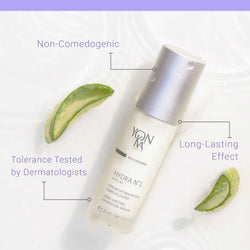
- Treat: Incorporate a hydrating serum. Hydra N°1 Serum is specifically designed for intense hydration and is enriched with two forms of hyaluronic acid.
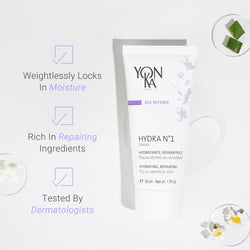
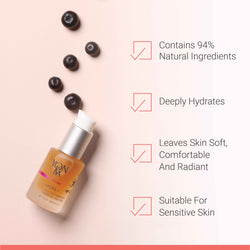
- Moisturize: Apply a cream that matches your skin type. For intense dryness, Hydra N°1 Creme provides deep, long-lasting moisture. If you need a boost of lipids, a few drops of Nutri+ Booster mixed into your cream can provide the essential fatty acids your skin is missing.
- Protect: Never skip sun protection during the day, as UV damage can further weaken the skin barrier and lead to dryness.
When introducing new products containing essential oils, we always recommend a patch test on your inner forearm for 24 hours. A slight tingling sensation can be normal as the botanicals work, but persistent redness or irritation means you should reduce frequency or consult a professional.
The Importance of Professional Guidance
Skincare is deeply personal, and sometimes it can be difficult to determine exactly why your skin is reacting a certain way. Our heritage is rooted in the professional spa environment, where over 7,000 skincare professionals worldwide trust our formulas.
If you are struggling to find the right balance, we recommend visiting a local spa for a professional skin analysis. A trained esthetician can look at your skin under magnification, assess your barrier health, and provide a tailored program. You can use our Spa Locator to find a Yon-Ka professional near you. Alternatively, our online Skin Diagnosis quiz can help guide you toward the products best suited for your concerns.
Conclusion
A face wash that leaves your skin feeling dry is more than just an inconvenience; it is an invitation for sensitivity and premature aging. By understanding the science of the acid mantle and choosing formulas that respect your skin's natural pH and lipid balance, you can transform your cleansing step from a chore into a luxurious, skin-supporting ritual.
At Yon-Ka Paris, we remain dedicated to the belief that skincare is a ritual worth savoring, built on the power of plants and seven decades of phyto-aromatic expertise. We invite you to explore our cleansers collection and discover how a supportive start to your routine can lead to a more radiant, comfortable complexion.
FAQ
Why does my face feel tight even after using a "hydrating" cleanser?
A cleanser labeled as hydrating may still contain surfactants that are too strong for your skin type, or the water temperature you are using may be stripping away the product's benefits. Additionally, if you wait too long after washing to apply your moisturizer, moisture can evaporate from the skin, leading to that tight sensation. If you need a reference for a gentler cleanse, start with Lait Nettoyant.
Should I stop washing my face if it's very dry?
No, but you should change how you wash. Skipping cleansing can lead to a buildup of pollutants and dead skin cells, which can further irritate dry skin. Instead, switch to a gentle, soap-free cleansing milk like Lait Nettoyant and consider cleansing only once a day (in the evening) if your skin is extremely sensitized.
Is foaming face wash always drying?
Not necessarily, but many traditional foaming agents like SLS are known to be stripping. Look for "soap-free" or "sulfate-free" foaming gels that use gentle, plant-derived surfactants. These provide a refreshing lather without disrupting the acid mantle or essential skin lipids. Gel Nettoyant is a good example of a gentle foaming option.
How can I tell if my skin barrier is damaged?
Signs of a compromised skin barrier include persistent dryness, a "burning" or stinging sensation when applying products, redness, flaking, and a rough texture. If your skin feels tight immediately after rinsing with water, it is a strong indication that your barrier needs extra support and more lipid-rich products. If you want personalized recommendations, try the Skin Diagnosis quiz.