Table of Contents
- Introduction
- The Biological Reality of Dry Skin
- Common Environmental Triggers
- Lifestyle Habits That Strip Moisture
- Identifying Harsh Ingredients in Your Cabinet
- The Aging Factor: Sebum and Hyaluronic Acid
- The Yon-Ka Phyto-Aromatic Philosophy
- Building a Ritual for Lasting Hydration
- Professional Treatments for Deep Dryness
- Practical Tips for Daily Comfort
- When to Consult a Professional
- Conclusion
- FAQ
Introduction
Waking up to a face that feels tight, looks flaky, or lacks its usual luminosity can be a frustrating start to the day. That "sandpaper" texture or the appearance of fine, parched lines is more than just a cosmetic nuance; it is your skin’s way of communicating that its delicate equilibrium has been disrupted. At Yon-Ka Paris, we believe that understanding the root of these symptoms is the first step toward reclaiming a supple, velvety complexion. Whether your dryness is a lifelong skin type or a temporary reaction to the changing seasons, the solution lies in a thoughtful blend of botanical science and consistent ritual. This article will explore the biological and environmental reasons why you may be experiencing dryness and how to curate a phyto-aromatic routine that restores lasting comfort. Understanding the specific causes of facial dryness allows us to move beyond temporary fixes toward a truly resilient skin barrier.
Quick Answer: Dry skin on the face is typically caused by a lack of natural oils (sebum) or a compromised skin barrier that allows moisture to evaporate. Common triggers include environmental factors like cold air, harsh cleansing habits, aging, and using products containing stripping alcohols or sulfates.
The Biological Reality of Dry Skin
To address the question of why you have dry skin, we must first look at the skin’s anatomy. The outermost layer of your skin, the stratum corneum, acts as a protective shield. In the skincare world, we often refer to this as the "moisture barrier" or "lipid barrier." When this barrier is healthy, it keeps essential hydration locked in and environmental irritants out.
Dry skin is often a matter of lipids. Unlike oily skin, which produces an abundance of sebum, naturally dry skin lacks the necessary oils to lubricate the surface and seal in moisture. Without this lipid "mortar" between the skin cell "bricks," moisture escapes through a process called trans-epidermal water loss (TEWL). This leaves the skin feeling brittle and prone to visible irritation.
Dehydration is a different concern. It is common to confuse dry skin with dehydrated skin. While dry skin lacks oil, dehydrated skin lacks water. You can have an oily skin type but still suffer from dehydration due to lifestyle factors or incorrect product use. Recognizing whether your skin is naturally lipid-poor or temporarily water-depleted is essential for choosing the right support.
If you’re still not sure which pattern fits you best, our Dry & Dehydrated Skin collection can help guide your next step.
Common Environmental Triggers
Our surroundings play a significant role in how our skin behaves. Often, dryness is not a permanent trait but a seasonal visitor influenced by the world around us.
Climate and Humidity Levels
In many regions, the transition to winter brings a sharp drop in humidity. Cold air holds less moisture, and when that air hits your face, it can literally pull hydration out of your pores. Indoor heating further compounds the issue by creating a parched environment that saps the skin of its natural dewiness.
The Impact of Hard Water
If you live in an area with hard water, the high mineral content (such as calcium and magnesium) can be a hidden culprit. These minerals can react with the fatty acids in your skin’s natural oils, creating a "soap scum" effect that clogs pores and irritates the surface. This often leads to a cycle of over-cleansing, which further damages the barrier.
Prolonged Sun Exposure
While we often associate the sun with burns, UV radiation is also a primary driver of chronic dryness. Sun damage can impair the skin's ability to maintain healthy moisture levels over time, leading to a rough, leathery texture. This is why protection is not just about preventing burns, but about preserving the skin’s fundamental hydration.
For skin that has been stressed by the elements, our Hydralessence Treatment is designed to deliver ultra-hydrating support.
Lifestyle Habits That Strip Moisture
Sometimes, the habits we think are helping our skin are actually the reason it feels so parched. Small shifts in your daily routine can make a profound difference in your skin's appearance.
The temperature of your water matters. We all love a steaming hot shower, especially on a cold morning. However, hot water is incredibly effective at dissolving the very oils your skin needs to stay supple. Switching to lukewarm water for facial cleansing is one of the simplest ways to prevent unnecessary dryness.
Over-exfoliation is a frequent mistake. In an attempt to "scrub away" dry flakes, many people turn to harsh physical scrubs or high-percentage acid peels too frequently. While removing dead skin is important, over-doing it can strip away the living barrier, leaving the skin raw, red, and even drier than before. At Yon-Ka, we advocate for a gentler approach to exfoliation that respects the skin’s integrity.
The role of indoor air quality. If you spend eight hours a day in an air-conditioned office or a heated home, your skin is constantly fighting against a low-humidity environment. Using a humidifier can help maintain a balanced atmosphere, allowing your skin to retain its moisture more effectively throughout the day.
Key Takeaway: Dryness is often caused by a combination of internal lipid deficiency and external stressors like hot water, low humidity, and over-active cleansing.
Identifying Harsh Ingredients in Your Cabinet
If you are wondering "why I have dry skin on my face," the answer might be sitting on your vanity. Many mainstream skincare products are formulated with ingredients that provide a "squeaky clean" feeling but at a high cost to your barrier.
- Sodium Lauryl Sulfate (SLS): A common foaming agent found in cleansers that can be far too aggressive for dry or sensitive skin.
- Denatured Alcohol: Often found in toners or quick-drying serums, these can immediately strip the skin of its protective oils.
- Synthetic Fragrances: While they may smell pleasant, artificial perfumes are a leading cause of sensitivity and can exacerbate the feeling of dryness and itching.
At Yon-Ka, our formulation charter excludes these harsh additives. We prioritize ingredients of natural origin, ensuring that every product supports the skin rather than stripping it. To learn more about the philosophy behind our formulas, visit Our Ingredients.
The Aging Factor: Sebum and Hyaluronic Acid
As we move through different stages of life, our skin’s needs naturally shift. Many people find that skin that was once "normal" or even "oily" becomes significantly drier as they enter their 40s and 50s.
The decline of oil production. With age, the sebaceous glands become less active. This reduction in sebum means the skin has less of its natural "waterproofing." Consequently, the skin becomes more susceptible to environmental damage and loses its ability to bounce back from dryness.
Loss of natural humectants. Hyaluronic acid is a molecule naturally found in our skin that can hold up to 1,000 times its weight in water. As we age, our natural reserves of this "moisture magnet" begin to deplete. This leads to a loss of volume and the appearance of "dehydration lines"—fine wrinkles that often disappear once the skin is properly hydrated.
If dryness and visible lines are part of your concern, you may also want to explore the Wrinkles & Firmness collection.
The Yon-Ka Phyto-Aromatic Philosophy
Our approach to dry skin is rooted in the synergy of plants and pharmaceutical rigor. We don’t just believe in covering the skin in heavy oils; we believe in "re-educating" the skin to function at its best.
Central to our formulas is the Quintessence, an exclusive complex of five essential oils: lavender, geranium, rosemary, cypress, and thyme. This 100% natural complex does more than just provide a sensorial experience. It helps to balance the skin, support its natural repair processes, and enhance the efficacy of the botanical actives it is paired with. For dry skin, this means providing a foundation of calm and revitalization before layering on moisture.
To see how this ingredient system fits into the wider brand, learn more about our phyto-aromatic formulation philosophy.
Building a Ritual for Lasting Hydration
Addressing dry skin requires a consistent, layered approach. Rather than searching for a single "miracle" cream, we recommend a ritual that builds moisture at every step.
Step 1: Gentle, Barrier-Respecting Cleansing
A common mistake is using a foaming cleanser that leaves the skin feeling tight. Instead, opt for a creamy, lipid-rich cleanser like Lait Nettoyant. This cleansing milk gently lifts away impurities and makeup while maintaining the skin’s natural pH and lipid balance. It feels more like a treatment than a chore, leaving the skin soft and prepped for the next steps.
Step 2: The Phyto-Aromatic Mist
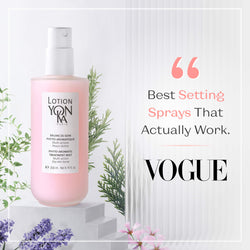
After cleansing, your skin needs to be rebalanced and hydrated. Lotion Yon-Ka PS is much more than a toner. This alcohol-free mist is infused with our signature Quintessence to energize and soothe the skin. Applying your serum or moisturizer while the skin is still slightly damp from this mist helps to lock in that extra hydration.
Step 3: Targeted Serum Support
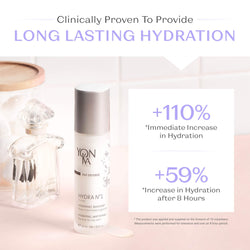
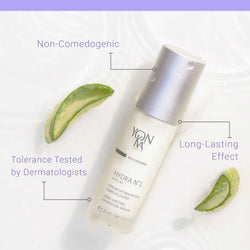
For those experiencing deep dehydration, a serum is non-negotiable. Hydra N°1 Serum acts as a powerful moisture booster. Formulated with a high concentration of hyaluronic acid and smoothing plant extracts, it helps to reach the deeper layers of the epidermis, providing an immediate visible "plumping" effect.
Step 4: Moisture Locking and Nourishment
Once the water is in the skin, you must seal it in.
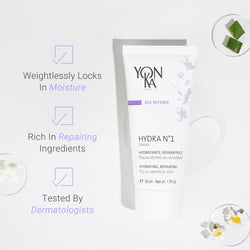
- For Moderate Dryness: Hydra N°1 Crème provides long-lasting hydration and repairs the barrier with essential fatty acids.
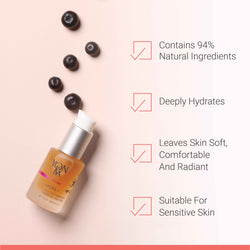
- For Intense Dryness or Winter Protection: Adding a few drops of a booster like Booster Nutri + to your cream can transform your routine. This oil-based booster is rich in wheat germ oil and antioxidants, providing the lipids that naturally dry skin lacks.
- For Lipid Restoration: Serum Omega is a luxurious oil-in-serum designed specifically for skin that feels fragile and "thin" due to a lack of fats.
Step 5: Weekly Intensive Care
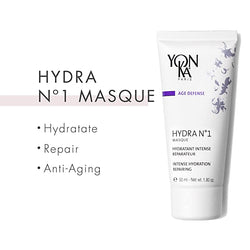
Treating your skin to a weekly mask can help reset your hydration levels. Hydra N°1 Masque is an intensive repair treatment that can even be left on overnight. It helps to smooth the appearance of dry lines and provides a deep sense of comfort to stressed, parched skin.
Note on Essential Oil Safety: When introducing phyto-aromatic products into your routine, we recommend performing a patch test on your inner forearm for 24 hours. Introduce one new product at a time to ensure your skin welcomes the botanical actives. A slight, brief tingling can be normal as the essential oils work to revitalize the skin, but persistent redness is a sign to reduce frequency.
Professional Treatments for Deep Dryness
While a home ritual is the foundation of healthy skin, professional intervention can provide a necessary "reset." Our heritage is built on the professional spa experience, where skincare experts use our techniques to transform the skin's appearance.
A professional Yon-Ka hydration facial often involves specialized techniques like aromatic steaming, deep-reaching masks, and specific massages that encourage lymphatic drainage and product absorption. If you find your home routine isn't quite enough to combat a particularly stubborn bout of dryness, use our Spa Locator to find a certified professional who can provide a tailored treatment. You can also explore Spa Treatments to see what a professional service can offer.
Practical Tips for Daily Comfort
Beyond products, small lifestyle adjustments can help you maintain a glow:
- Pat, Don't Rub: After washing your face, gently pat your skin with a soft towel. Rubbing can cause micro-irritation and further damage a fragile barrier.
- Sun Protection is Essential: UV rays damage the barrier even on cloudy days. Always finish your morning routine with broad-spectrum protection.
- Watch Your Diet: Healthy fats found in avocados, walnuts, and flaxseeds provide the internal building blocks for your skin's lipid barrier.
- Humidify Your Space: If you use a heater or air conditioner, a small humidifier on your desk or bedside table can keep your skin from drying out during the day or night.
Myth: "I don't need moisturizer if I have oily skin." Fact: Oily skin can still be dehydrated (lacking water). Skipping moisturizer can cause the skin to produce more oil to compensate for the lack of hydration, leading to a cycle of congestion and surface dryness.
If your skin tends to feel both dry and oily, our blog on dry and oily skin offers a helpful deeper dive.
When to Consult a Professional
In most cases, dry skin on the face can be managed with the right ritual and lifestyle shifts. However, if your skin is persistently red, painful, cracking, or showing signs of a medical condition like eczema or psoriasis, it is important to consult a dermatologist. Skincare products are designed to support and beautify the skin's appearance, but they are not a replacement for medical diagnosis or treatment for chronic inflammatory conditions.
If you’re unsure where to begin, you can also take our Skin Diagnosis quiz to narrow down the best starting point for your routine.
Conclusion
Understanding why you have dry skin on your face is the key to choosing the right botanical allies. Whether your concern stems from environmental stress, the natural progression of aging, or a lipid-poor skin type, the solution is a consistent ritual that respects and fortifies your skin's natural barrier. By combining the power of the Quintessence with high-performance plant actives, you can transform a parched complexion into one that feels resilient and radiant.
- Switch to a cream-based cleanser like Lait Nettoyant to preserve natural oils.
- Layer hydration with a mist and a hyaluronic-rich serum.
- Seal in moisture with a lipid-rich cream or oil booster.
- Maintain a healthy environment with humidifiers and lukewarm water.
"Skincare is not just about correcting a concern; it is a daily ritual of self-care that connects us to the restorative power of nature."
If you are unsure which products are right for your specific needs, we invite you to use our Product Matcher to find your perfect ritual. At Yon-Ka Paris, we remain dedicated to the belief that every person deserves to feel comfortable and confident in their skin, supported by 70 years of French phyto-aromatic expertise.
FAQ
Why is my face still dry after I moisturize?
If your skin feels dry immediately after applying moisturizer, it may be because you are not exfoliating enough or you are using the wrong type of moisture. Dead skin cell buildup can prevent products from absorbing, while a lack of "occlusives" (ingredients that seal in moisture) can allow hydration to evaporate quickly.
Can drinking more water fix my dry skin?
While systemic hydration is vital for overall health, drinking water is rarely a "quick fix" for dry skin on the face. Dry skin is often a barrier issue or a lack of surface lipids, meaning you need topical products to prevent the moisture already in your body from escaping through the skin.
Is it better to apply moisturizer to wet or dry skin?
It is always better to apply moisturizer to slightly damp skin. This helps to "trap" the moisture on the surface of your skin, leading to better absorption and a more effective barrier. Using a mist like Lotion Yon-Ka PS right before your cream is an excellent way to achieve this.
How do I know if my skin is dry or just dehydrated?
Dry skin usually feels rough, may flake, and lacks a visible glow because it lacks oil. Dehydrated skin often feels tight, may look "crinkled" when you move your facial muscles, and can even be oily and breakout-prone at the same time because it lacks water.