Table of Contents
- Introduction
- The Science of the Skin Barrier
- Common Culprits: Why Your Cleanser is Too Harsh
- The Difference Between Dry and Dehydrated Skin
- The Phyto-Aromatic Approach to Cleansing
- The Role of Water Temperature and Technique
- Myth vs. Fact: Cleansing Edition
- Troubleshooting Your Post-Wash Dryness
- Recommended Rituals for Various Skin Concerns
- When to See a Professional
- Conclusion
- FAQ
Introduction
That uncomfortable, parchment-like tightness that sets in the moment you step out of the shower or finish at the sink is a signal your skin is sending. Many of us grew up believing that a "squeaky clean" sensation was the hallmark of a successful routine, but in the world of professional skincare, that feeling is actually a warning. At Yon-Ka Paris, we view cleansing as the most critical step of any ritual—not just to remove debris, but to respect the living ecosystem of your skin. If your face wash is leaving you feeling parched or flaky, it is likely disrupting your natural defenses. This article explores the biological reasons behind post-wash dryness, the common ingredient culprits, and how to transition to a phyto-aromatic cleansing method that restores comfort. Understanding why your face wash makes your skin dry is the first step toward achieving a supple, glowing complexion.
Quick Answer: Your face wash makes your skin dry because it likely contains harsh surfactants or an alkaline pH that strips away your acid mantle—the skin’s protective oil barrier. This disruption leads to rapid moisture evaporation and irritation, signifying that the cleanser is too aggressive for your skin's biological needs.
The Science of the Skin Barrier
To understand why a simple wash can cause so much distress, we must look at the skin’s outermost layer, known as the stratum corneum. This layer functions like a brick-and-mortar wall. The "bricks" are your skin cells (corneocytes), and the "mortar" is a complex blend of lipids, including ceramides, cholesterol, and fatty acids.
Sitting atop this wall is the acid mantle, a very thin, slightly acidic film made of sebum (natural oils) and sweat. This mantle is your primary defense against environmental stressors, bacteria, and moisture loss. When you use a cleanser that is too harsh, you aren't just removing dirt; you are dissolving the "mortar" and stripping the "mantle."
Once this barrier is compromised, your skin experiences trans-epidermal water loss (TEWL). This is a process where the water inside your skin evaporates into the air because there is no longer an oil-based seal to keep it in place. This lack of water and oil is exactly what translates to that tight, itchy, or "pulled" sensation you feel after drying your face.
Common Culprits: Why Your Cleanser is Too Harsh
Not all face washes are created equal. Many mass-market formulas prioritize a heavy lather and "deep" cleaning over biological compatibility. If you are struggling with dryness, one of the following factors is likely the cause.
1. Harsh Surfactants (SLS and SLES)
Surfactants are the ingredients responsible for breaking down oils and creating foam. The most common are Sodium Lauryl Sulfate (SLS) and Sodium Laureth Sulfate (SLES). While they are effective at removing grease, they are often too efficient. They can bind to the proteins in your skin, causing them to swell and allow the surfactants to penetrate deeper into the layers where they cause irritation and significant lipid depletion.
2. High pH Levels and Alkalinity
Your skin is naturally acidic, typically sitting at a pH of around 4.7 to 5.5. This acidity is vital for maintaining a healthy microbiome and keeping the barrier intact. Many traditional bar soaps and "foaming" cleansers are highly alkaline, with pH levels ranging from 8 to 10. When you apply an alkaline substance to acidic skin, it causes a "pH shock." It can take your skin hours to return to its natural equilibrium, during which time it is vulnerable to dryness and bacterial overgrowth.
3. Alcohol and Synthetic Fragrances
Many cleansers use simple alcohols (like isopropyl alcohol or SD alcohol) to create a "refreshing" or quick-drying feel. These are notorious for flash-evaporating moisture from the skin surface. Similarly, synthetic fragrances are among the most common skin irritants. Even if they don't cause an immediate rash, they can cause low-grade chronic inflammation that weakens the skin barrier over time, making it less able to hold onto moisture.
4. Over-Cleansing and Frequency
Sometimes the product itself is gentle, but the application is the problem. Washing your face too frequently—more than twice a day—or using mechanical brushes and scrubs every single night can physically wear down the stratum corneum. This mechanical stress prevents the skin from ever fully repairing its protective seal.
Key Takeaway: Dryness after washing is usually a result of "chemical over-cleansing" (harsh ingredients) or "mechanical over-cleansing" (scrubbing too hard or too often), both of which cause your skin to lose water to the environment.
The Difference Between Dry and Dehydrated Skin
It is a common misconception that only "dry" skin types feel tight after washing. In reality, even those with oily or blemish-prone skin can suffer from a drying cleanser. It is important to distinguish between the two:
- Dry Skin: This is a skin type characterized by a lack of oil (lipids). If you have dry skin, your sebaceous glands don't produce enough sebum, and your skin likely feels rough or looks flaky year-round.
- Dehydrated Skin: This is a skin condition characterized by a lack of water. Even oily skin can be dehydrated. If your skin feels tight after washing but then becomes very oily later in the day, you are likely dehydrated. Your skin is overcompensating for the water loss caused by your cleanser by pumping out extra oil.
In both cases, a harsh face wash is the enemy. It strips the necessary oils from dry skin and triggers the panic-oil-response in dehydrated, oily skin.
The Phyto-Aromatic Approach to Cleansing
At Yon-Ka, we believe that cleansing should be a treatment in itself, not just a preparation for one. Our approach is rooted in phytotherapy (the use of plant extracts) and aromatherapy (the use of essential oils). Rather than using aggressive chemicals to "degrease" the skin, we utilize botanical emulsions that lift away impurities while simultaneously delivering nutrients.
Our signature Quintessence—a proprietary blend of lavender, geranium, rosemary, cypress, and thyme—is often infused into our cleansing rituals. These essential oils are not just for scent; they offer natural purifying and soothing properties that help maintain the skin's balance during the wash.
When you use a professional-grade milk or cream cleanser, like Lait Nettoyant, you are performing a "lipophilic" cleanse. Because oil dissolves oil, these creamy formulas can remove makeup and excess sebum without needing to disrupt the acid mantle. This preserves the skin's "mortar," ensuring that you finish your cleanse with skin that feels velvet-soft rather than paper-dry.
The Role of Water Temperature and Technique
While the product is the star of the show, the way you use it matters immensely. Your environment and technique can either support or undermine your cleanser's efficacy.
The Lukewarm Water Rule
Hot water is a powerful solvent. While it feels relaxing, it melts the very lipids that keep your skin hydrated. Think of it like washing a greasy pan: hot water cuts through the grease much faster than cold. You don't want that same "grease-cutting" action on your delicate facial skin. Always use lukewarm water—it should feel neither hot nor cold to the touch.
The "Damp Skin" Window
The moments immediately following your cleanse are the most critical for hydration. After rinsing, do not rub your face with a towel. Instead, gently pat the skin so it remains slightly damp. Within 60 seconds of washing, you should apply your toner or mist.
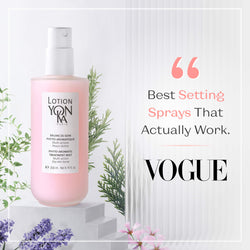
In our ritual, this is the stage for Lotion Yon-Ka PS. This phyto-aromatic mist does more than just refresh; it re-hydrates the upper layers of the skin and prepares it to absorb the serums and moisturizers that follow. Applying products to damp skin "locks in" the surface moisture, preventing the TEWL that occurs when skin is left to air-dry.
Step-by-Step: The Correct Way to Wash
- Step 1: Gentle Massage. / Apply your cleanser (like Lait Nettoyant) to dry or slightly damp skin. Use your fingertips to massage in circular motions for at least 60 seconds. This allows the botanical oils to bond with impurities.
- Step 2: Lukewarm Rinse. / Splash your face with lukewarm water until the product is completely removed. Avoid using washcloths that are too abrasive.
- Step 3: Pat Dry. / Use a soft, clean microfiber or cotton towel to gently pat away excess water. Leave the skin feeling moist, not bone-dry.
- Step 4: Immediate Mist. / Mist your skin with a phyto-aromatic toner to balance pH and stop evaporation.
Myth vs. Fact: Cleansing Edition
Myth: If my skin doesn't feel tight, it's not truly clean.
Fact: Tightness is a sign of damage, not cleanliness. Truly clean skin should feel supple, calm, and comfortable.
Myth: People with oily skin should use foaming cleansers with sulfates to dry out their acne.
Fact: Stripping oily skin with sulfates often triggers "reactive seborrhea," where the skin produces more oil to protect itself, potentially leading to more clogged pores and inflammation.
Myth: You only need to wash your face at night.
Fact: While nighttime cleansing is vital for removing makeup and pollution, a gentle morning cleanse removes the sweat and metabolic waste produced by your skin while you sleep, ensuring your morning serums can penetrate effectively.
Troubleshooting Your Post-Wash Dryness
If you have switched to a gentler cleanser and still feel dry, you may need to look at the supporting players in your routine.
Check Your Toner
Many people use toners containing high concentrations of denatured alcohol or "astringents" like witch hazel. If you feel an immediate "zing" or cooling sensation that turns into tightness, your toner might be the culprit. Switch to a hydrating, alcohol-free mist like Lotion Yon-Ka PS to provide immediate relief.
Boost Your Lipids
Sometimes the skin barrier is so compromised that a cleanser change isn't enough; you need to actively rebuild the "mortar." Adding a booster or serum rich in essential fatty acids can help. Our Booster Nutri + is designed to be mixed into your moisturizing cream to provide an extra dose of nutrition and lipid-repairing plant oils.
The Exfoliation Trap
Are you using a face wash that contains exfoliating acids like salicylic or glycolic acid every single day? While these are excellent for skin texture, using them in a daily wash can be too much for some skin types, especially in winter or dry climates. Try alternating an active wash with a gentle milk cleanser to give your barrier a rest.
Recommended Rituals for Various Skin Concerns
If you are unsure where to start, looking at specific collections designed for barrier support can help.
- For Extreme Dryness and Sensitivity: Focus on the Gentle Face Cleansers or Moisturizers range. Start with Lait Nettoyant as your primary cleanser. Its makeup-removing abilities and gentle milk texture make it a favorite in professional treatment rooms worldwide.
- For Dehydration (Tight but Oily): Look to the Boosters collection. After cleansing, apply Lotion Yon-Ka PS followed by a moisturizer from the Moisturizers range. This combination focuses on layering hydration and sealing it there.
- For Aging and Dryness: As we age, our oil production naturally declines. The Anti-Aging collection, featuring products like Excellence Code Crème, provides the rich, complex nourishment that mature, dry skin requires to maintain its elasticity and comfort.
When to See a Professional
While most post-wash dryness can be solved by switching to a more respectful cleanser and adjusting your water temperature, some symptoms require expert intervention. If your skin remains persistently red, cracks to the point of bleeding, develops "weeping" crusts, or feels hot and painful even after applying moisturizer, you should consult a dermatologist. These can be signs of medical conditions like atopic dermatitis, contact dermatitis, or a severe skin infection that requires prescription-strength care.
For those who simply can't find the right balance, visiting a Yon-Ka partner spa can be transformative. A professional esthetician can perform a thorough skin analysis to determine if you are truly "dry" or "dehydrated" and recommend a customized ritual. You can find a local expert through our spa services on the website.
Conclusion
Understanding why your face wash makes your skin dry is an essential milestone in your skincare journey. It moves you away from the "scrub and strip" mentality and toward a ritual of preservation and respect for your biological barrier. By choosing formulas with gentle surfactants, respecting your skin's natural pH, and utilizing the power of phyto-aromatic ingredients, you can transform your cleansing step from a chore into a moment of genuine self-care.
At Yon-Ka Paris, our 70-year heritage is built on the belief that the most effective skincare is that which works in harmony with the skin's natural rhythms. Whether you are dealing with seasonal dryness or a lifelong skin type, a balanced approach rooted in botanical science will always yield the most beautiful, resilient results.
Key Takeaway: Stop chasing the "squeaky clean" feeling. Instead, aim for "velvet skin"—a state where your face feels plump, hydrated, and calm immediately after rinsing. This is the hallmark of a healthy, protected skin barrier.
To find the perfect products for your unique skin needs, we invite you to explore the skin hydration blog or read more about how cleanser order shapes your routine. These resources are designed to bring the expertise of a professional consultation into the comfort of your home.
FAQ
Why does my face feel tight even after I use a moisturizing face wash?
Even "moisturizing" washes can cause tightness if you are washing with hot water or if the product's pH is too high for your skin. Additionally, if you wait more than a minute after washing to apply your moisturizer, the water on your skin's surface can evaporate and take your internal moisture with it through trans-epidermal water loss. A helpful next step is to compare your routine with Yon-Ka’s dry-skin cleansing guidance.
Can I wash my face with just water to avoid dryness?
While water-only washing might feel like a safe bet for very dry skin, it is often insufficient. Water alone cannot dissolve oil-based impurities like sebum, sunscreen, and pollution. Over time, this can lead to a buildup of dead skin cells and dullness. A gentle, milk-based cleanser is a better option as it cleanses without stripping, especially when paired with the right daily cleanser from the cleansers and makeup removers range.
Should I stop washing my face in the morning if it's too dry?
If your skin is extremely dry or sensitized, you can try rinsing with lukewarm water in the morning and saving your cleanser for the evening. However, most people benefit from a gentle morning cleanse with a product like Lait Nettoyant to remove the sweat and bacteria that accumulate overnight, allowing morning treatments to work better. For a more complete routine, browse the best face moisturizers that can follow cleansing.
How do I know if my skin barrier is damaged from my cleanser?
Signs of a compromised skin barrier include persistent tightness after washing, stinging when you apply normally "safe" products, unusual redness, and dry, flaky patches that don't go away with moisturizer. If your skin feels sensitive to the touch or looks dull and "crepy," it is likely that your cleanser is too aggressive. If you want a simpler starting point, the best seller cleansing milk is often a better fit than a foaming wash.