Table of Contents
- Introduction
- The Science of the Skin Barrier
- Common Culprits for Sudden Dryness
- Dry Skin vs. Dehydrated Skin
- The Phyto-Aromatic Approach to Recovery
- Building Your Recovery Ritual
- Weekly Treatments for Intense Relief
- Lifestyle Adjustments for Lasting Comfort
- When to Consult a Professional
- Essential Ingredients for Dry Skin
- The Role of Glycolic Acid in Dry Skin
- Why Quality Formulation Matters
- Restoring Your Glow with Yon-Ka Paris
- FAQ
Introduction
Waking up to a complexion that suddenly feels tight, itchy, or looks unexpectedly flaky can be a jarring experience. One day your skin is its usual self, and the next, it feels as though it is two sizes too small for your face. This sudden shift often leads to frustration, especially when your reliable routine no longer seems to provide the comfort it once did. At Yon-Ka Paris, we believe that understanding the "why" behind these changes is the first step toward restoring your skin’s natural radiance and resilience.
Sudden facial dryness is rarely a random occurrence; it is usually a signal from your skin that its protective barrier has been compromised or that environmental factors have shifted. This article explores the common culprits behind this transition, from seasonal changes to lifestyle habits, and provides a professional roadmap for returning your skin to a state of soft, supple balance. We will cover the essential ingredients, the importance of the skin barrier, and how a dedicated phyto-aromatic ritual can soothe and revitalize your appearance.
Quick Answer: Sudden dry skin on the face is typically caused by a compromised skin barrier due to environmental shifts (like cold weather or low humidity), over-cleansing with harsh products, or lifestyle factors like hot showers. Identifying whether your skin is truly dry (lacking oil) or temporarily dehydrated (lacking water) is essential for choosing the correct topical treatments.
The Science of the Skin Barrier
To understand why your skin has suddenly become dry, we must first look at the skin barrier, specifically the stratum corneum. This is the outermost layer of your skin, often described using the "bricks and mortar" analogy. The "bricks" are your skin cells (corneocytes), and the "mortar" is a rich matrix of lipids, including ceramides, cholesterol, and fatty acids.
When this barrier is healthy, it performs two critical functions: it keeps essential moisture locked in and prevents external irritants, pollutants, and bacteria from getting in. When you experience sudden dryness, it is a sign that this "mortar" has been depleted or damaged. This leads to transepidermal water loss (TEWL), a process where moisture evaporates from the skin into the atmosphere, leaving the surface parched and vulnerable.
A compromised barrier doesn't just feel dry; it often looks dull and may develop fine lines that seem to appear overnight. This is because well-hydrated skin reflects light evenly, whereas dry, uneven skin absorbs it. Restoring this barrier is the primary goal of any effective skincare ritual designed for sudden dryness.
Common Culprits for Sudden Dryness
When dryness appears out of nowhere, it is usually tied to a specific change in your environment or daily habits. Pinpointing these triggers allows you to make the necessary adjustments to your lifestyle and routine.
Environmental and Seasonal Shifts
The most common reason for sudden dry skin is a change in the weather. As temperatures drop, so does the humidity in the air. Cold air holds less moisture, and the forced-air heating we use indoors further strips the environment of humidity. This "double-hit" of cold wind outside and dry heat inside can rapidly deplete the skin’s moisture reserves. Even if you haven't changed your products, the environment has changed the demands on your skin.
The Temperature of Your Water
While a steaming hot shower or face wash may feel relaxing, especially in the winter, it is one of the fastest ways to strip your skin of its natural oils. High water temperatures emulsify the lipids in your skin barrier, essentially washing away the protective oils that keep your face soft. If you have recently increased the temperature of your morning rinse, this could be the direct cause of your sudden dryness.
Over-Exfoliation and Harsh Actives
In our quest for a "glow," it is easy to overdo it with active ingredients. If you have recently introduced a high-percentage retinol, a new exfoliating acid, or have been using a physical scrub too frequently, you may have accidentally compromised your barrier. These ingredients are excellent for skin renewal, but when used excessively, they remove the top layer of skin before the underlying layers are ready to face the world. This leaves the skin feeling raw, tight, and dry.
Aging and Hormonal Fluctuations
Our skin naturally produces less sebum (oil) as we age. For many, this decrease becomes particularly noticeable in our 40s and beyond. However, sudden hormonal shifts—such as those experienced during pregnancy, menopause, or even high-stress periods—can also affect oil production. Stress triggers the release of cortisol, which can disrupt the skin’s ability to retain moisture and repair itself, leading to unexpected bouts of dryness.
Dry Skin vs. Dehydrated Skin
It is a common misconception that "dry" and "dehydrated" mean the same thing. In the world of professional skincare, they are two distinct issues that require different approaches. For a deeper explanation, our dry vs. dehydrated skin guide is a helpful place to start.
- Dry Skin is a skin type. It is characterized by a lack of oil (lipids). People with this skin type have smaller pores and rarely experience shine. Their skin needs oil-rich products to replenish what the sebaceous glands aren't producing.
- Dehydrated Skin is a temporary skin condition. It is characterized by a lack of water. Even someone with oily skin can experience dehydration. Dehydrated skin often feels tight but may still look oily or experience breakouts.
When dryness occurs suddenly, it is often actually dehydration or a combination of both. To address this, we must look for ingredients that both attract water (humectants) and seal it in (occlusives).
Key Takeaway: If your skin feels tight but looks oily, you are likely dealing with dehydration. If it looks flaky and feels rough all over, you are likely experiencing a true dry skin state or a compromised barrier.
The Phyto-Aromatic Approach to Recovery
At Yon-Ka, our philosophy is rooted in the power of plants and the science of aromatherapy. We believe that treating dry skin is not just about slathering on a heavy cream; it is about creating a ritual that supports the skin's natural healing processes while providing a sensorial experience that reduces stress. To learn more about this approach, explore our ingredients and our formulas.
Our foundation is the Quintessence, an exclusive complex of five essential oils: lavender, geranium, rosemary, cypress, and thyme. This 100% natural and active complex provides multi-purpose benefits, including soothing the skin and supporting the appearance of a healthy, balanced complexion. When skin is suddenly dry and sensitive, these botanical synergies work to calm the look of redness and revitalize the skin's surface.
Note: When introducing new products containing essential oils, we always recommend a patch test on your inner forearm for 24 hours. Introduce one new formula at a time to allow your skin to adjust. A slight, momentary tingling can be normal as the botanicals work, but persistent redness means you should reduce frequency or consult your professional aesthetician.
Building Your Recovery Ritual
To address sudden dryness, you must shift from "cleaning" the skin to "nourishing" it. The goal is to move through a series of steps that layer hydration and protection without causing further irritation.
Step 1: Gentle, Barrier-Respecting Cleansing
The first mistake many make when skin feels dry is using a foaming cleanser that leaves the face feeling "squeaky clean." That sensation is actually the feeling of a stripped barrier. Instead, opt for a creamy, milk-based cleanser like Lait Nettoyant. This gentle formula removes makeup and impurities while maintaining the skin's natural lipid balance. It leaves the skin feeling soft and comforted rather than tight.
Step 2: The Hydrating Mist
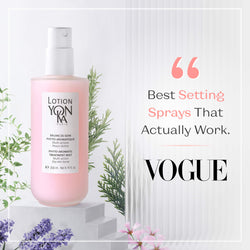
In a professional ritual, the toning step is not about "stripping" the skin with alcohol. Instead, we use a phyto-aromatic mist to drench the skin in moisture and prepare it for subsequent treatments. Lotion Yon-Ka PS is an alcohol-free mist that features the Quintessence. Spritzing this over the face immediately after cleansing provides an instant boost of hydration and helps your serum absorb more effectively.
Step 3: Targeted Hydration and Lipids
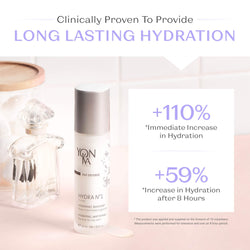
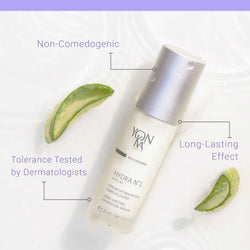
This is the "treat" phase where you address the root cause of the dryness. If your skin is dehydrated (lacking water), a serum rich in hyaluronic acid, like Hydra N°1 Serum, is essential. Hyaluronic acid is a humectant that can hold up to 1,000 times its weight in water, pulling moisture into the skin cells.
If your skin is truly dry or the barrier is damaged, you need lipids. Serum Omega is a lipid-restoring oil-in-serum that provides essential fatty acids to repair the "mortar" of your skin barrier. This helps to smooth the appearance of dry patches and restores a healthy glow.
Step 4: The Protective Seal
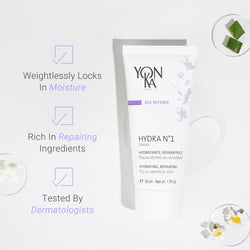
Finally, you must lock all that hydration in with a moisturizer. For intense dryness, Hydra N°1 Crème provides a long-lasting, comforting cocoon of moisture. It works to repair the skin's moisture barrier and protect it from environmental aggressors. During the day, never forget to protect your skin from UV rays, as sun damage can further dry out the skin and hinder the repair process.
Weekly Treatments for Intense Relief
When daily moisturizing isn't enough to combat sudden flakiness, a targeted weekly treatment can provide the "reset" your skin needs.
Gommage Yon-Ka is a unique, grain-free exfoliator that is ideal for dry and sensitive skin. Unlike harsh scrubs that can cause micro-tears in a fragile barrier, this botanical peel uses carob and lime essential oil to gently lift away dead skin cells through a "rolling" action. This clears the way for your hydrating products to penetrate more deeply without causing irritation.
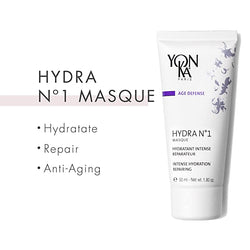
For a deep "thirst-quenching" experience, apply Hydra N°1 Masque once or twice a week. This mask can even be applied in a thin layer and left on overnight. You will wake up to skin that looks plumped, smooth, and visibly refreshed.
Lifestyle Adjustments for Lasting Comfort
While topical products are vital, sudden dry skin is often a systemic issue. Making a few small changes to your daily life can support your skincare ritual from the inside out.
- Invest in a Humidifier: Especially during the winter months, running a humidifier in your bedroom at night can significantly reduce TEWL. By adding moisture back into the air, you prevent the environment from "stealing" moisture from your face.
- Modify Your Diet: Your skin barrier relies on healthy fats. Incorporating foods rich in Omega-3 fatty acids, such as salmon, walnuts, and flaxseeds, can help support your skin's natural oil production.
- Lukewarm is Best: Train yourself to wash your face with lukewarm water. If you can't give up your hot showers, at least avoid letting the hot water run directly over your face, and apply your moisturizer immediately after stepping out to trap the dampness on your skin.
- Stay Hydrated: While drinking water isn't a direct "cure" for dry skin, systemic dehydration will eventually show up on your face. Aim for consistent water intake throughout the day to support overall cellular health.
When to Consult a Professional
While sudden dryness is often a result of environmental or lifestyle factors, it can sometimes be a symptom of an underlying condition. If your skin is persistently red, inflamed, extremely itchy, or if you notice thickened, scaly patches that do not respond to moisturizing, it is important to consult a physician or a dermatologist. Conditions like eczema (atopic dermatitis), psoriasis, or rosacea require medical diagnosis and specialized care.
For those looking for a deep, professional-level hydration boost, we recommend visiting a certified spa partner. A professional Yon-Ka treatment, such as the Hydralessence treatment, provides deep exfoliation and intense hydration that is difficult to achieve at home. You can find a local professional through our Spa Locator on the website.
Essential Ingredients for Dry Skin
When shopping for products to help your sudden dryness, look for these key ingredients that are proven to support moisture and barrier health. If you want to compare options quickly, you can also take our Skin Diagnosis quiz.
| Ingredient Type | Examples | Function |
|---|---|---|
| Humectants | Hyaluronic Acid, Glycerin, Aloe Vera | Attracts water into the skin's surface layers. |
| Emollients | Shea Butter, Squalane, Jojoba Oil | Smooths the skin and fills in gaps between cells. |
| Occlusives | Beeswax, Vegetable Oils, Ceramides | Creates a protective seal to prevent moisture loss. |
| Botanicals | Lavender, Thyme, Rosemary | Soothes the look of irritation and provides antioxidant support. |
The Role of Glycolic Acid in Dry Skin
It may seem counterintuitive to use an acid on dry skin, but sometimes sudden dryness is caused by a buildup of dead skin cells that prevent your moisturizer from working. A gentle, controlled exfoliation can actually help.
Glyconight 10% Masque is a nighttime peeling mask that uses glycolic acid to refine skin texture. When used correctly—starting once or twice a week—it helps eliminate the dull, flaky top layer of skin, allowing your hydrating serums like Hydra N°1 Serum to reach the "living" layers of the skin more effectively. However, if your skin is feeling raw or sensitized, wait until your barrier feels stronger before introducing acids.
Why Quality Formulation Matters
Not all skincare is created equal. Many mass-market products contain "fillers" or harsh preservatives like parabens and SLS (sodium lauryl sulfate) that can further irritate a compromised barrier. At Yon-Ka, we adhere to a strict formulation charter. Our products are 100% French-made in our own facility near Paris, ensuring the highest standards of quality and safety.
We prioritize natural origin ingredients—averaging 92% across our range—and we strictly exclude known endocrine disruptors and harsh irritants. By choosing pharmaceutical-grade botanical skincare, you are giving your skin the pure, active nutrients it needs to repair itself without the risk of additional chemical stress.
Restoring Your Glow with Yon-Ka Paris
Sudden dry skin is a temporary setback, not a permanent state. By listening to your skin’s needs and responding with a gentle, nourishing ritual, you can restore the comfort and radiance you deserve. The journey to healthy skin is a marathon, not a sprint, and consistency is the key to long-term results.
At Yon-Ka Paris, we have spent over 70 years perfecting the art of phyto-aromatic skincare. Our heritage is built on the belief that skincare is a ritual worth savoring—a moment of peace in a busy day that yields visible, beautiful results. Whether through our professional spa treatments or your customized home care routine, we are here to support your skin through every season of life.
If you are unsure which products are right for your specific concerns, we invite you to use the Product Matcher or explore our Dry & Dehydrated Skin collection. This will help you identify the perfect combination of cleansers, mists, and creams to address your sudden dryness.
Bottom line: Sudden facial dryness is your skin's way of asking for more protection and hydration. By switching to gentle cleansers, using a hydrating mist, and layering lipid-rich serums, you can repair your barrier and regain a smooth, glowing complexion.
FAQ
How long does it take to fix sudden dry skin?
With a consistent, barrier-repairing routine, you can often feel an immediate improvement in comfort. However, it typically takes about 28 days—the length of a full skin-cell turnover cycle—to see a significant visible reduction in flakiness and a full restoration of the skin's natural moisture barrier.
Can I use Vitamin C if my skin is suddenly dry?
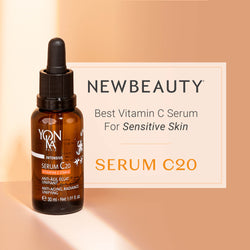
Yes, but you should choose a stable, non-irritating formula. Our Serum Vitamine C 20% uses a stable form of Vitamin C (Ascorbyl Tetraisopalmitate) that is tolerated well even by those with dry skin. It can help brighten the appearance of dullness often associated with dryness, but ensure you layer it under a rich moisturizer like Hydra N°1 Crème.
Should I stop exfoliating if my face is flaky?
You should stop using harsh physical scrubs or high-percentage acid peels until your skin no longer feels tight or sensitive. Once the initial irritation subsides, switch to a very gentle, grain-free exfoliator like Gommage Yon-Ka once a week to help remove the dead skin cells that cause flaking.
Does drinking more water help dry skin on the face?
While staying hydrated is essential for your overall health, drinking water alone is usually not enough to fix a topical dry skin issue. Dryness on the face is often a result of a damaged skin barrier or environmental factors, which must be addressed with topical lipids and humectants to prevent moisture from evaporating.