Table of Contents
- Introduction
- Understanding the Biology of Facial Dryness
- The Difference Between Dry and Dehydrated Skin
- Top Causes of Dry Skin on the Face
- Recognizing the Symptoms of a Compromised Barrier
- The Phyto-Aromatic Approach to Hydration
- Building a Ritual for Dry Facial Skin
- Myth vs. Fact: Facial Dryness
- Lifestyle Adjustments to Support Your Skin
- Safety and Sensitivity
- When to See a Professional
- Conclusion
- FAQ
Introduction
Waking up to a face that feels tight, looks flaky, or lacks its usual luminosity can be a frustrating start to the day. That uncomfortable "pulling" sensation when you smile or the way makeup seems to cling to rough patches are clear signals that your skin is crying out for balance. At Yon-Ka Paris, we believe that understanding the "why" behind your skin's behavior is the first step toward restoring its natural radiance. Dryness is rarely a simple fix; it is often a complex interplay between your environment, your lifestyle, and your unique biology. This article explores the common triggers for facial dryness, the difference between dry and dehydrated skin, and how to build a botanical ritual that nurtures your skin barrier. By the end, you will have a clear path toward a more supple, comfortable complexion.
Quick Answer: Facial dryness occurs when the skin’s natural lipid barrier is compromised, leading to moisture loss. This can be caused by environmental factors like cold air, internal shifts like aging or hormones, and using skincare products that are too harsh for your skin type.
Understanding the Biology of Facial Dryness
To answer why your face is dry, we must first look at the skin’s protective architecture. Your skin relies on a delicate balance of lipids (oils) and water to maintain its integrity. This is often referred to as the "moisture barrier" or the acid mantle.
The skin naturally produces sebum, an oily substance secreted by the sebaceous glands. Sebum is essential because it seals in moisture and protects the skin from environmental irritants and infections. When your skin produces too little sebum, it becomes "dry" by definition. Without that oily seal, water evaporates more quickly from the surface—a process known as Transepidermal Water Loss (TEWL).
When the barrier is compromised, the skin doesn't just lose moisture; it becomes more vulnerable. Tiny cracks form between the skin cells, allowing bacteria and pollutants to enter more easily. This is why dry skin often feels sensitive or appears red and irritated. It is not just a lack of oil; it is a breakdown in your skin’s first line of defense.
The Difference Between Dry and Dehydrated Skin
It is a common misconception that "dry" and "dehydrated" are the same thing. In the world of professional skincare, we distinguish between them to ensure we are treating the root cause. Dry skin is a skin type, while dehydrated skin is a skin condition.
- Dry Skin (Lack of Oil): This is usually genetic or age-related. Your skin naturally produces less sebum. It often feels dry all over the body, and pores are typically small or almost invisible.
- Dehydrated Skin (Lack of Water): This can happen to any skin type, including oily skin. It is caused by external factors like weather, diet, or caffeine. Dehydrated skin may feel tight but still look shiny or experience breakouts.
Understanding this distinction changes how you approach your routine. Dry skin needs rich emollients and oils to replace what the body isn't making, while dehydrated skin needs humectants like hyaluronic acid to pull water back into the cells. If you aren't sure which one you're experiencing, our Skin Diagnosis quiz can help you identify the specific needs of your complexion.
Top Causes of Dry Skin on the Face
If you find yourself asking why your skin has suddenly become rough or flaky, several factors are likely at play. Most people experience a combination of internal and external triggers.
Environmental Stressors
The environment is perhaps the most frequent culprit behind sudden dryness. Cold, winter air holds very little moisture, and when combined with wind, it can strip the skin of its protective oils in minutes. Conversely, indoor heating and air conditioning create low-humidity environments that act like a vacuum, pulling moisture right out of your face. Even seasonal shifts can leave the skin struggling to adapt, leading to temporary patches of flakiness.
Water Temperature and Cleansing Habits
While a steaming hot shower feels therapeutic, it is one of the most damaging things for your moisture barrier. Hot water dissolves the natural fats and oils that keep your skin supple, leaving it raw and vulnerable. Similarly, using harsh soaps or "squeaky clean" cleansers can disrupt your skin’s pH balance. If your face feels tight immediately after washing, your cleanser is likely too aggressive for your needs. A gentler first step like Lait Nettoyant can help keep cleansing comfortable.
The Impact of Aging
As we move into our 40s and beyond, the skin’s biological functions naturally slow down. The sebaceous glands become less active, and the production of structural proteins like collagen and elastin declines. This thinning of the skin makes it harder to retain water. This is a normal part of the aging process, but it requires a shift toward more intensive, lipid-rich products to compensate for the loss of natural oils. For skin that needs extra comfort, the dry and dehydrated skin collection is a helpful place to start.
Chemical Irritants and Over-Exfoliation
In an effort to achieve "glowy" skin, many people over-use active ingredients. Frequent use of high-strength retinols, AHAs (Alpha Hydroxy Acids), or physical scrubs can tear the delicate surface of the skin. While exfoliation is necessary to remove dead skin cells, doing it too often prevents the barrier from ever fully repairing itself. This results in chronic dryness, redness, and a "shiny" but tight appearance.
Recognizing the Symptoms of a Compromised Barrier
Dry skin doesn't always look like "flakes." The symptoms can be subtle and vary based on your skin tone and the severity of the dryness. Recognizing these signs early allows you to adjust your ritual before deeper cracks or irritation occur.
- Tightness: A feeling that your skin is too small for your face, especially after cleansing.
- Rough Texture: When you run your fingers over your cheeks or forehead, the skin feels uneven rather than smooth.
- Dullness: A lack of natural radiance or a "flat" appearance because light doesn't reflect well off dry, uneven cells.
- Itchiness and Redness: On lighter skin tones, this may appear as pink or red patches; on darker skin tones, it may look ashy or grayish.
- Fine Lines: Often called "dehydration lines," these are shallow creases that appear when the skin lacks the water needed to stay plump.
Key Takeaway: Facial dryness is often a signal that your skin barrier is "leaking" moisture. To fix it, you must stop the loss of water (TEWL) and replenish the lipids that hold your skin cells together.
The Phyto-Aromatic Approach to Hydration
At Yon-Ka, our approach to treating dry skin is rooted in the fusion of pharmaceutical rigor and botanical power. We don't believe in "hacks" or temporary fixes; we believe in supporting the skin’s natural ability to heal itself.
Our signature Quintessence—a blend of lavender, geranium, rosemary, cypress, and thyme essential oils—works in harmony to soothe and revitalize the skin. When addressing dryness, we focus on phytotherapy (the use of plant extracts) and marine biology to provide long-lasting comfort. Ingredients like shea butter, grape seed oil, and hyaluronic acid are staples in our formulations because they mimic the skin’s natural composition.
By choosing products with a high percentage of natural origin ingredients, you are giving your skin bio-available nutrients it can actually recognize and use. This professional-grade approach is why so many skincare professionals trust our formulas for their clients. To explore the philosophy behind these formulations, take a look at Our Ingredients and Our Formulas.
Building a Ritual for Dry Facial Skin
When your skin is dry, the order and method of product application are just as important as the ingredients themselves. A consistent, layered ritual ensures that moisture is both delivered and sealed in.
Step 1: Gentle, Barrier-Respecting Cleansing
Stop using foaming gels that leave your skin feeling stripped. Instead, opt for a creamy, milk-based cleanser like Lait Nettoyant. This gentle formula removes makeup and impurities while respecting the skin’s hydro-lipidic film. Use lukewarm water and your fingertips, avoiding washcloths which can be too abrasive for dry skin. If you want a deeper look at this cleanser, our Product Spotlight: Lait Nettoyant is a useful read.
Step 2: Prepare and Hydrate with a Mist
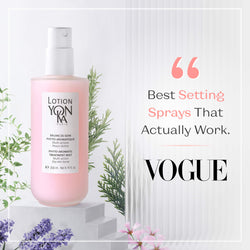
Traditional toners often contain alcohol, which is a major "no-no" for dry skin. Instead, use a phyto-aromatic mist like Lotion Yon-Ka PS. Specifically formulated for dry skin, this alcohol-free mist sanitizes, hydrates, and prepares the skin to better absorb subsequent treatments. It is an essential step that provides an immediate burst of botanical energy.
Step 3: Targeted Treatment
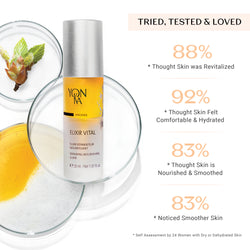
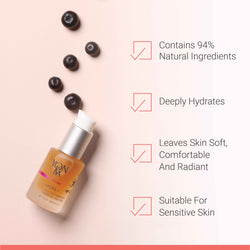
If your skin is severely dry, a standard moisturizer may not be enough. This is where serums and boosters come in. Serum Omega is an excellent choice for skin that feels thin or fragile; it uses essential fatty acids to repair the barrier. If you need a more customized approach, adding a few drops of Nutri + Booster to your cream can transform a standard moisturizer into a nourishing powerhouse.
Step 4: Deep Moisturizing
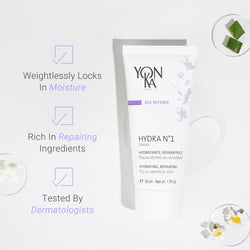
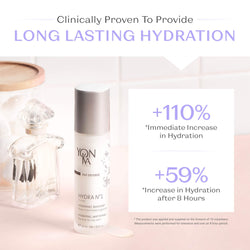
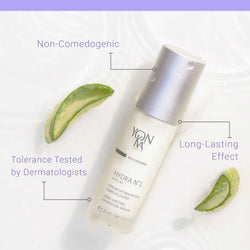
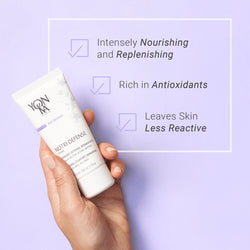
Your day or night cream should act as a protective "blanket" for your skin. For intense hydration, our Hydra N°1 Crème is a favorite. It combines long-lasting hydration with lipid-restoring ingredients to smooth the appearance of fine lines and restore softness. For those dealing with the visible signs of aging alongside dryness, the Age Exception collection offers premium, multi-action support.
Step 5: Sun Protection
Sun damage is a primary cause of moisture loss and barrier degradation. UVA and UVB rays break down the skin’s natural oils and proteins. Even on cloudy days, apply a broad-spectrum protectant to prevent further dehydration and premature aging. If you are building a full home ritual, our treatments can also help guide your next step.
Myth vs. Fact: Facial Dryness
Myth: Drinking more water will automatically fix dry skin on your face. Fact: While internal hydration is vital for overall health, it doesn't always translate directly to the surface of the skin. If your moisture barrier is broken, that water will simply evaporate. You must treat the skin topically to "plug the leaks."
Myth: Oils are the only way to treat dry skin. Fact: Oils provide essential lipids, but dry skin often needs "water-binders" too. A combination of humectants (like hyaluronic acid) and occlusives (like plant oils or waxes) is the most effective way to treat a parched complexion.
Myth: You should scrub away flakes to make skin smoother. Fact: Scrubbing dry patches can cause micro-tears and lead to more inflammation. It is better to use a grain-free exfoliator like Gommage Yon-Ka, which gently lifts dead skin without irritation.
Lifestyle Adjustments to Support Your Skin
Skincare products work best when supported by healthy habits. Small changes in your daily environment can have a profound impact on how your skin feels.
- Use a Humidifier: Especially during winter months or if you live in a dry climate, keeping a humidifier in your bedroom can prevent your skin from drying out overnight.
- Wash with Care: Limit your time in the water to 10 minutes or less, and always apply your moisturizer while your skin is still slightly damp to "lock in" that extra hydration.
- Mind Your Laundry: Fragrances and dyes in laundry detergents can transfer to your pillowcase and irritate dry skin. Look for "free and clear" options.
- Eat Your Fats: Consuming healthy fats like avocados, walnuts, and fatty fish provides your body with the building blocks it needs to produce sebum.
Safety and Sensitivity
When introducing new botanical products, especially those rich in essential oils, we recommend a simple patch test. Apply a small amount of the product to your inner forearm and wait 24 hours to ensure no sensitivity occurs.
It is normal to feel a slight, healthy tingling sensation when using active phyto-aromatic products, as this often indicates the botanical extracts are stimulating the skin. However, if you experience persistent redness, burning, or swelling, discontinue use and consult a professional. If you have a chronic skin condition like severe eczema, rosacea, or psoriasis, it is always best to work closely with a dermatologist to manage your symptoms.
When to See a Professional
While most facial dryness can be managed with a dedicated home ritual, there are times when expert intervention is necessary. If your skin is cracking, bleeding, or if the dryness is preventing you from sleeping, it is time to seek medical advice.
For those looking to take their hydration to the next level, a visit to a Yon-Ka partner spa can provide results that are difficult to achieve at home. Professional treatments often involve deep-infusion techniques and high-concentration formulas tailored to your specific skin needs. You can find a nearby expert using our Spa Locator.
Conclusion
Understanding why you have dry skin on your face is the key to moving from discomfort to a state of radiant balance. Whether your dryness is caused by the biting winter wind, the natural passage of time, or an over-zealous cleansing routine, there is always a way to restore your skin’s supple texture. By focusing on a ritual that respects your moisture barrier and utilizes the power of nature, you can transform the way your skin looks and feels.
- Identify if your skin is dry (lacking oil) or dehydrated (lacking water).
- Switch to gentle, alcohol-free, and sulfate-free products.
- Incorporate lipid-rich boosters and humectants into your daily routine.
- Protect your barrier from environmental extremes and hot water.
"Skincare is not just a routine; it is a moment of connection with yourself. By choosing botanical excellence and decades of phyto-aromatic expertise, you are honoring your skin’s natural wisdom." — Yon-Ka Paris
To find the perfect products for your unique complexion, we invite you to take our Skin Diagnosis quiz, explore our dry and dehydrated skin collection, or learn more about Our Story. Your journey to a more hydrated, comfortable face begins with a single, mindful step.
FAQ
Why is my face so dry even though I moisturize every day?
You may be using a moisturizer that doesn't suit your specific needs, or your moisture barrier may be so compromised that it cannot hold onto the hydration you're applying. Ensure you are using a combination of humectants to draw water in and oils to seal it in, and avoid over-exfoliating, which can "leak" the moisture you just applied.
Can oily skin also be dry?
Oily skin can become "dehydrated," meaning it lacks water even though it has plenty of oil. This often happens if you use harsh acne treatments or soaps that strip the skin, causing it to produce even more oil to compensate for the lack of water. If you are unsure where your skin falls, the Skin Diagnosis quiz can help you narrow it down.
What ingredients should I avoid if I have dry skin?
Avoid products with high concentrations of denatured alcohol, synthetic fragrances, and harsh sulfates (like SLS). These ingredients can strip away the natural lipids your skin needs to stay hydrated and can cause further irritation to an already compromised barrier. For a closer look at how Yon-Ka approaches formulation, see Our Formulas.
How long does it take to fix a dry skin barrier?
With a consistent, gentle ritual, you can often feel relief from tightness within a few days. However, it typically takes 28 to 45 days for a full cycle of skin cell renewal to occur, meaning you should commit to your new routine for at least a month to see significant changes in texture and radiance.
What if my dryness comes with sensitivity or redness?
When dryness overlaps with sensitivity, it helps to choose formulas made for comfort and barrier support. You can explore more options in the sensitive and redness-prone skin collection or ask a professional at a nearby Yon-Ka spa.
Which step should I start with if I want a simpler routine?
If you want to keep it minimal, start with a gentle cleanser, follow with a hydrating lotion, and finish with a nourishing moisturizer. A simple path can begin with Lait Nettoyant, Lotion Yon-Ka PS, and Hydra N°1 Crème.