Table of Contents
- Introduction
- Understanding Your Dry Skin Needs
- Comparing Lotion Options for Dry Skin
- Beyond the Surface: The Phyto-Aromatic Approach
- Key Ingredients for Dry Skin Relief
- Creating a Professional Ritual for Dry Skin
- Expert Tips for Managing Dry Skin Daily
- The Role of Lipids in Aging
- Conclusion
- FAQ
Introduction
The sensation of dry, tight, or flaky skin can be more than just a seasonal inconvenience; it often feels like a barrier between you and your most radiant self. When your skin loses its suppleness, the natural instinct is to reach for a trusted staple that promises immediate relief. Many people find themselves standing in the skincare aisle wondering which lotion is good for dry skin, seeking a reliable solution to restore comfort. At Yon-Ka Paris, we believe that understanding the nuances of your skin’s needs is the first step toward a transformative self-care ritual. This guide will explore the various options within a standard lotion routine to address specific dry skin concerns while introducing the elevated world of phyto-aromatic care. We will help you identify the best formulas for your unique complexion and show you how to layer professional-grade botanical ingredients for lasting, healthy-looking skin. Explore our face care collection to see where a complete routine can begin.
Quick Answer: The best lotion depends on your specific concern: a lightweight daily formula is ideal for everyday dryness, a richer cream helps with dullness, and a more restorative option is best for severely cracked skin. For sensitive types, a fragrance-free option is typically the safest moisture barrier.
Understanding Your Dry Skin Needs
Before selecting a moisturizer, it is essential to understand why your skin feels dry in the first place. Dryness occurs when the skin’s uppermost layer, the stratum corneum, lacks the necessary lipids and oils to maintain a cohesive barrier. This barrier is what keeps moisture in and environmental irritants out. When it is compromised, you may experience itching, redness, or a rough texture.
Dry vs. Dehydrated Skin
It is a common misconception that dry and dehydrated skin are the same thing. In the world of professional skincare, we distinguish between the two to ensure the right treatment is applied. Dry skin is a skin type that lacks oil (lipids), often appearing flaky or tight. Dehydrated skin is a temporary condition where the skin lacks water, often looking dull and showing fine lines more prominently. If you want a deeper breakdown of the difference, our guide to best face moisturizers for dry, dehydrated skin is a helpful next step.
If you are asking which lotion is good for dry skin, you are likely looking for oil-based replenishment. However, if your skin is dehydrated, you may also need humectants—ingredients that draw water into the skin cells. Most high-quality moisturizers today attempt to address both, but understanding your primary concern helps you choose the right texture and formula.
Comparing Lotion Options for Dry Skin
The Yon-Ka range offers several distinct formulations designed with specific skin needs in mind. Each is created to target different symptoms of dryness and support a more comfortable, balanced feel. A smart starting point is our face moisturizers collection, where you can compare textures and benefits side by side.
Best for Everyday Moisture: Lait Nettoyant
This creamy cleanser is often considered a gentle first step for those with mild to moderate dryness. It is designed to absorb comfortably without leaving a heavy residue. It is a solid choice for daily use as part of a skin-soothing routine to keep the skin feeling soft and resilient. You can find it in our Lait Nettoyant product page.
Best for Radiant Skin: A Richer Moisturizing Cream
If your skin looks dull, a more nourishing formula can help support a healthier-looking glow. A richer cream acts as a powerful emollient. These ingredients help to smooth the surface of the skin, reflecting light more effectively to give the appearance of a healthy finish. For a closer look at moisturizer options, browse the face moisturizers collection.
Best for Sensitive Skin: Lotion Yon-Ka PS
For those prone to irritation or redness, fragrance can be a major trigger. This version is typically formulated for a gentler daily experience and focuses on soothing the skin barrier while providing comforting hydration. It is a simple way to address dryness without risking a reactive flare-up. Read more on the Lotion Yon-Ka PS product page.
Best for Extremely Dry Skin: A Restorative Cream
When the skin has reached a point of cracking or extreme flakiness, a more intensive approach is required. A restorative cream is formulated to provide richer moisture and help seal in hydration. It is the type of formula many people reach for when dryness feels persistent or uncomfortable.
Key Takeaway: Always match the weight of the lotion to the severity of your dryness. Use lighter versions for maintenance and richer versions for targeted recovery.
Beyond the Surface: The Phyto-Aromatic Approach
While basic lotions are excellent for creating a protective seal, the next level of skincare involves active nourishment. As a French phyto-aromatic house, Yon-Ka Paris focuses on more than just coating the skin; we aim to support the skin's natural ability to recover using the power of plants. Learn more about our ingredients and the botanical foundation behind the formulas.
Our approach centers on Aromatherapy (the use of essential oils), Phytotherapy (the use of plant extracts), and Aromachology (the influence of scents on well-being). While a standard lotion provides a physical barrier, a phyto-aromatic ritual provides the skin with bio-available nutrients like essential fatty acids and antioxidants.
The Power of the Quintessence
At the heart of our formulations is the Yon-Ka Quintessence. This is an exclusive complex of five essential oils: lavender, geranium, rosemary, cypress, and thyme. These are not just for scent; they are active ingredients that help to oxygenate, soothe, and revitalize the appearance of the skin.
Key Ingredients for Dry Skin Relief
To truly understand which product will work for you, it helps to be able to read a label like a professional. Effective moisturizers for dry skin typically use a triple threat of ingredient categories.
Humectants: Drawing Moisture In
Humectants are like magnets for water. They pull moisture from the air or the deeper layers of your skin into the top layer. Common examples include:
- Hyaluronic Acid: A molecule that can hold up to 1,000 times its weight in water.
- Glycerin: A classic, reliable humectant found in both professional and drugstore brands.
- Aloe Vera: Provides a soothing, watery base for hydration.
Emollients: Smoothing the Surface
Emollients fill in the microscopic gaps between skin cells where lipids are missing. This makes the skin feel silky and smooth.
- Shea Butter: A rich fat derived from African shea trees.
- Squalane: A lipid that mimics the skin's natural sebum.
- Plant Oils: Ingredients like grape seed or hazelnut oil provide essential fatty acids.
Occlusives: The Protective Seal
Occlusives are the lid on the pot. They prevent moisture from evaporating into the air.
- Petroleum Jelly (Petrolatum): A classic ingredient used to create a protective barrier.
- Beeswax: A natural way to create a protective film.
- Ceramides: Lipids that help to support the skin barrier.
| Ingredient Type | Function | Best For |
|---|---|---|
| Humectants | Attracts water | Dehydrated, tight skin |
| Emollients | Softens and smoothes | Rough, flaky texture |
| Occlusives | Seals in moisture | Extremely dry, compromised barriers |
Creating a Professional Ritual for Dry Skin
While a single application of lotion can help, a consistent ritual yields the best results. Our method is built on layering products to ensure every layer of the skin receives what it needs.
Step 1: Barrier-Respecting Cleansing
Many people with dry skin make the mistake of using harsh, foaming cleansers that strip away the few natural oils they have left. Instead, choose a creamy cleanser like Lait Nettoyant. This cleansing milk gently lifts impurities while respecting the skin's acid mantle. It leaves the skin feeling supple rather than squeaky clean, which is often a sign of over-cleansing.
Step 2: The Phyto-Aromatic Mist
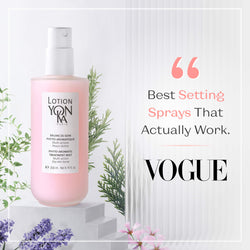
After cleansing, the skin needs to be prepared to absorb treatment products. Lotion Yon-Ka PS is more than just a toner; it is a phyto-aromatic mist that helps prime the skin for the next step. Spraying this onto the skin helps prepare the surface, making your subsequent cream or serum more effective.
Step 3: Targeted Treatment with Serums
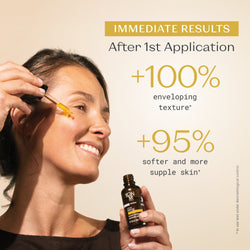
For those with chronic dryness, a cream alone may not be enough. This is where a serum or booster comes in. Serum Omega is a perfect example of a product designed for very dry skin. It is rich in omegas that help support comfort and barrier care.
Note: When introducing a new active serum or essential oil-based product, we recommend a simple patch test. Apply a small amount to your inner forearm and wait 24 hours to ensure your skin welcomes the new botanical ingredients.
Step 4: Deep Moisture and Protection
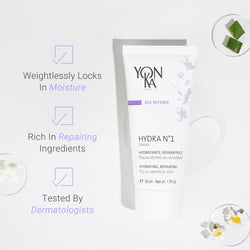
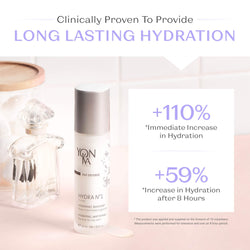
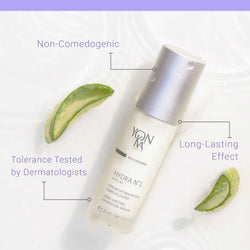
The final step is to apply a high-quality moisturizer. For daytime, Hydra N°1 Crème provides long-lasting hydration with a restorative feel. At night, you might choose a richer option like Hydra N°1 Serum as part of a more intensive routine.
Expert Tips for Managing Dry Skin Daily
Choosing the right lotion is half the battle; how you treat your skin throughout the day matters just as much.
- Moisturize on Damp Skin: The best time to apply any lotion or cream is within three minutes of exiting the shower. Your skin is still hydrated from the water, and the moisturizer will trap that moisture in.
- Turn Down the Temperature: While a steaming hot shower feels great, it is one of the quickest ways to strip lipids from your skin. Use lukewarm water instead.
- Use a Humidifier: In the winter, indoor heating sucks the moisture out of the air and your skin. Running a humidifier in your bedroom can prevent you from waking up with that tight, dry feeling.
- Gentle Exfoliation: If you have flaky skin, the instinct is to scrub it away. However, harsh scrubs can cause micro-tears. Instead, use a grain-free exfoliator like Gommage Yon-Ka, which is designed to gently lift dead skin cells without irritation.
The Role of Lipids in Aging
Dry skin is often more prone to showing the visible signs of aging, such as fine lines and wrinkles. This is because dry skin lacks the elasticity and bounce of well-hydrated skin. By maintaining a strong lipid barrier, you are essentially protecting your skin’s future. To learn more about the botanical foundation behind these formulas, visit our formulas.
Products like a restorative day cream and night treatment are designed to support skin that is both dry and showing signs of maturity. These formulas use botanical actives and hyaluronic acid to provide a more youthful-looking finish while addressing the discomfort of dryness. If you are unsure which specific products are right for your current skin state, our face moisturizers collection can help you compare options at a glance.
Bottom line: A basic lotion provides a necessary seal, but a professional botanical routine provides the building blocks for long-term skin resilience and a youthful appearance.
Conclusion
Finding which lotion is good for dry skin is a practical starting point for anyone dealing with the discomfort of a compromised barrier. Whether you choose a lightweight daily formula or a more intensive cream, these products provide essential protection. However, to truly transform the appearance and health of your skin, we invite you to explore the world of professional phyto-aromatic care.
At Yon-Ka Paris, we believe that your skincare routine should be a moment of serenity and a testament to decades of botanical expertise. By combining the protective power of traditional moisturizers with the active, plant-based nutrients of our professional formulas, you can achieve skin that doesn't just look hydrated, but feels truly revitalized.
To discover your perfect routine, browse our face care collection or visit a local spa to experience a professional treatment tailored to your skin’s unique needs. You can also find a Yon-Ka spa near you.
FAQ
Is lotion better than an occlusive for extremely dry skin?
A lotion or cream helps add hydration, while an occlusive helps seal it in. For extremely dry skin, it is often best to apply a hydrating lotion or a nutrient-rich serum first, then seal it with an occlusive layer to prevent evaporation. If you want a product designed to support dry skin, Serum Omega is a strong option to explore.
Can I use lotion on my face if I have dry skin?
While some people use body lotion on their face, those with acne-prone or oily-leaning skin should be cautious as heavier occlusives can sometimes lead to clogged pores. For facial dryness, it is generally better to use a formula specifically designed for the delicate skin of the face, such as Hydra N°1 Crème, which provides deep hydration without a heavy feel.
Why is my skin still dry even after applying lotion?
If your skin remains dry, you might be lacking internal hydration or your skin barrier may be so compromised that it cannot hold onto the moisture you're applying. You may also need more emollients and lipids rather than just a surface seal; try adding a booster like Nutri + to your cream to increase its nourishing properties.
How often should I apply lotion for dry skin?
For best results, you should apply your moisturizer at least twice daily—once in the morning and once before bed. However, if you are washing your hands frequently or living in a very dry climate, you may need to reapply throughout the day to maintain the protective barrier and keep the skin comfortable.