Table of Contents
- Introduction
- Understanding the Needs of Dry Skin
- Why "Simple" is Better for Dry Complexions
- Essential Ingredients in a Face Wash for Dry Skin
- The Case for Milk Cleansers
- The Role of the Phyto-Aromatic Experience
- Building the Perfect Ritual for Dry Skin
- Common Mistakes When Washing Dry Skin
- Seasonal Adjustments for Dry Skin Cleansing
- The Professional Touch: Beyond at-home Care
- Conclusion
- FAQ
Introduction
That tight, pulling sensation you feel right after stepping out of the shower is more than just a minor inconvenience; it is a clear signal from your skin that its protective barrier has been disrupted. For those with dry skin, the search for a cleanser often feels like a balancing act. You need something that effectively removes the day’s debris, pollutants, and makeup, yet you cannot afford to lose a single drop of the precious lipids your skin is already struggling to produce. At Yon-Ka Paris, we believe that the foundation of every great skincare routine is a cleanser that treats the skin with respect and provides a sensorial, calming experience.
In this guide, we will explore why a "simple" face wash is often the most effective choice for dry complexions, which ingredients to look for to support your moisture barrier, and how a professional-grade botanical milk can transform your daily ritual. The goal is not just to clean, but to condition and comfort your skin from the very first step, and a creamy milk cleanser like Lait Nettoyant is often the best place to begin.
Quick Answer: A simple face wash for dry skin should be non-foaming, pH-balanced, and rich in emollients like plant oils or glycerin. A creamy milk cleanser, such as Lait Nettoyant, is often the best choice as it cleanses without stripping the skin's natural oils.
Understanding the Needs of Dry Skin
Before we can identify which simple face wash is good for dry skin, we must understand what makes dry skin unique. In the world of dermatology, "dry skin" is often confused with "dehydrated skin," but they are distinct concerns requiring different approaches, which is why our dry & dehydrated skin collection can be such a helpful starting point.
Dry Skin vs. Dehydrated Skin
Dry skin is a skin type characterized by a lack of oil (sebum). Your skin’s sebaceous glands do not produce enough natural lipids to keep the surface supple and the barrier intact. This lack of oil makes the skin more permeable, allowing moisture to escape and irritants to enter. This is often a genetic trait, though it can be exacerbated by aging or hormonal changes.
Dehydrated skin, on the other hand, is a temporary condition where the skin lacks water. Even oily skin can become dehydrated if the environment is harsh or if you are using the wrong products. While dry skin needs oils and butters, dehydrated skin craves humectants like hyaluronic acid.
The Barrier Function
The outermost layer of your skin, known as the stratum corneum, acts as a brick-and-mortar shield. The skin cells are the bricks, and the lipids (oils) are the mortar. When you have dry skin, that "mortar" is thin or missing in spots. If you use a harsh, high-foaming face wash, you essentially "pressure wash" away the remaining mortar, leaving your skin vulnerable, red, and prone to fine lines.
Why "Simple" is Better for Dry Complexions
When we talk about a "simple" face wash, we aren't necessarily referring to a lack of sophistication. Rather, simplicity in cleansing refers to a formula that prioritizes barrier health over aggressive "deep cleaning" claims. For a closer look at gentle options, our Face Cleansers & Makeup Removers collection is a useful reference point.
Avoiding the "Squeaky Clean" Trap
For years, the beauty industry marketed the "squeaky clean" feeling as the gold standard of hygiene. However, if your skin "squeaks," it means you have stripped away the acid mantle—the thin, slightly acidic film on the skin's surface that protects against bacteria and moisture loss. For dry skin, the "squeaky" feeling is a warning sign.
A simple, effective cleanser for dry skin should leave the face feeling soft, velvet-like, and "plump," rather than tight or shiny. This is why many dermatologists and aestheticians recommend moving away from traditional foaming gels and toward milks, creams, and oils.
Minimizing Irritants
Simple cleansers usually avoid unnecessary additives that can trigger sensitivity in dry skin. This includes:
- Harsh Sulfates: Ingredients like Sodium Lauryl Sulfate (SLS) are surfactants that create big bubbles but are notorious for being too aggressive for dry barriers.
- High Concentrations of Alcohol: Simple alcohols (like alcohol denat) can flash-dry the skin's surface.
- Synthetic Fragrances: While a pleasant scent is lovely, synthetic "parfum" can often cause stinging on a dry, compromised barrier.
Essential Ingredients in a Face Wash for Dry Skin
When scanning the ingredient label of a potential face wash, look for these key components that support a dry complexion, and compare them with our formulas to see how we think about efficacy and tolerance.
Humectants
Humectants are ingredients that act like magnets, pulling moisture into the skin.
- Glycerin: A classic, tried-and-true humectant that is incredibly gentle.
- Hyaluronic Acid: Capable of holding up to 1,000 times its weight in water, it helps the skin look more hydrated and smooth.
Emollients
Emollients fill in the gaps between skin cells, smoothing the surface and providing that soft, "cushiony" feel.
- Plant Oils: Oils like sunflower, sesame, or jojoba mimic the skin's natural sebum.
- Shea Butter or Tallow: In richer cream cleansers, these provide a protective layer that stays on the skin even after rinsing.
Soothing Botanicals
Since dry skin is often prone to redness and irritation, botanical extracts can provide much-needed calm.
- Cornflower or Chamomile: These are known for their anti-inflammatory properties.
- Quintessence: Our signature complex of five essential oils (lavender, geranium, rosemary, cypress, and thyme) helps to revitalize the skin's appearance while providing a calming aromachological effect.
Key Takeaway: The best simple face wash for dry skin balances mild cleansing agents with lipid-replenishing emollients to clean the skin while reinforcing the moisture barrier.
The Case for Milk Cleansers
If you are wondering which simple face wash is good for dry skin, the professional consensus often points to a cleansing milk. A cleansing milk, or lait, is an emulsion of oils and water. It has a lightweight, silky texture that glides over the skin, allowing you to massage away impurities without the need for harsh rubbing. You can also explore the topic further in our Lait Nettoyant product spotlight.
Why We Recommend Lait Nettoyant
Our Lait Nettoyant is a prime example of a simple yet high-performance wash for dry skin. It was born in the treatment room, designed to be gentle enough for the most sensitive post-procedure skin but effective enough to remove daily makeup.
It utilizes plant-based glycerin and a high concentration of skin-conditioning agents. Because it is a milk, it doesn't foam. Instead, it lifts away dirt while leaving a microscopic film of hydration behind. This ensures that the skin’s pH remains balanced, which is critical for preventing the "winter itch" and chronic dryness often associated with improper cleansing.
The Role of the Phyto-Aromatic Experience
Skincare is more than just a chore; it is a moment of self-care. For those with dry skin, the act of washing the face can often be stressful because of the anticipated discomfort. By choosing a phyto-aromatic cleanser, you turn a functional task into a spa-like ritual.
The use of essential oils in our formulations, known as aromachology, works to soothe the mind as the plant actives soothe the skin. You can learn more about this approach on our ingredients page. When you use a product like Lait Nettoyant, the scent of the Quintessence provides a sense of well-being. This "slow beauty" approach encourages you to take the time to massage the product into your skin, which improves circulation and ensures a more thorough (yet gentle) clean.
Building the Perfect Ritual for Dry Skin
Cleansing is only the first step. To truly address dry skin, you must look at how your face wash integrates into a wider ritual. We recommend a layered approach rather than relying on a single "miracle" product.
Step 1: Cleanse with a Gentle Milk
Apply your milk cleanser—like Lait Nettoyant—to dry or slightly damp skin. Use your fingertips to massage in circular motions. This helps to break down sunscreens and oils. Rinse with lukewarm water.
Note: Never use hot water to wash your face. Heat can strip the natural oils from your skin and exacerbate dryness and redness.
Step 2: The Essential Mist
For dry skin, the "toning" step is not about astringency; it's about hydration and pH restoration. Our Lotion Yon-Ka PS is a phyto-aromatic mist specifically formulated for dry skin. It is alcohol-free and enriched with glycerin to provide an immediate "drink" of water to the skin. Spraying this immediately after cleansing helps the skin absorb the serums and moisturizers that follow.
Step 3: Targeted Treatment
If your dryness is severe, you may want to introduce a booster. Our Booster Nutri + can be mixed into your cream to add an extra dose of nourishing oils. This is particularly helpful during the colder months or in dry climates.
Step 4: Deep Hydration
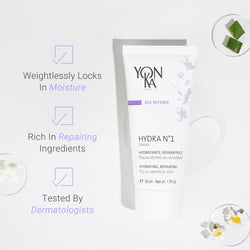
Finish with a rich moisturizer like Hydra n°1 Crème. This provides a "blanket" for the skin, sealing in all the previous steps and protecting the barrier throughout the day or night.
Common Mistakes When Washing Dry Skin
Even with the best simple face wash, your technique can make or break your results. Here are a few common pitfalls to avoid:
- Over-cleansing: If your skin is very dry, you may only need a full cleanse at night to remove the day's buildup. In the morning, a quick splash of lukewarm water followed by Lotion Yon-Ka PS may be enough to refresh the skin without over-stripping it.
- Using Washcloths Too Aggressively: While a washcloth can provide mild exfoliation, scrubbing too hard can damage a fragile dry skin barrier. If you prefer using a cloth, choose a soft microfiber or muslin cloth and use a light touch.
- Waiting Too Long to Moisturize: You have a "golden window" of about 60 seconds after washing your face to apply your next steps. Applying your mist and moisturizer while the skin is still slightly damp helps to "trap" that moisture in the skin.
Myth: "If I have dry skin, I should skip washing my face entirely." Fact: Dirt, pollution, and old skincare products can accumulate on the skin, leading to dullness and breakouts even on dry skin. The key is not to skip washing, but to use a non-stripping, pH-balanced cleanser that respects your lipids.
Seasonal Adjustments for Dry Skin Cleansing
Dry skin is highly reactive to environmental changes. A face wash that works for you in the humid days of summer might not be enough during the biting winds of January.
Winter Care
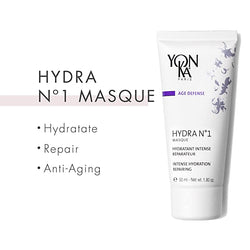
In the winter, indoor heating and cold outdoor air create a "moisture vacuum." This is the time to lean heavily into milk cleansers and perhaps even "double cleanse" with a nourishing oil first if you wear heavy makeup. Ensure you are following up with a mask once or twice a week. Our Hydra n°1 Masque is a savior for dry, winter-weary skin, providing time-released hydration.
Summer Care
In the summer, you may feel like you want a more "refreshing" clean due to sweat and increased sunscreen use. However, resist the urge to switch to a harsh foaming gel. Stick with your gentle milk, but perhaps spend a few extra seconds massaging the T-zone, or use Gommage Yon-Ka—our grain-free exfoliator—twice a week to remove dead skin cells that can make dry skin look flaky and dull.
The Professional Touch: Beyond at-home Care
While a consistent at-home routine is vital, dry skin can benefit immensely from professional intervention. Professional spa treatments allow for deeper penetration of active ingredients and a more thorough analysis of your skin's specific needs.
If you find that your dry skin remains stubborn despite using the right simple face wash, consider visiting a Yon-Ka partner spa. A professional "Grand Classique" treatment, for example, provides deep cleansing and long-lasting hydration that is difficult to achieve at home. You can find a Yon-Ka spa near you using our Spa Locator.
Conclusion
Finding which simple face wash is good for dry skin is about more than just reading a label; it is about understanding the delicate biology of your skin's barrier. By choosing a gentle, non-foaming milk like Lait Nettoyant and pairing it with a phyto-aromatic mist like Lotion Yon-Ka PS, you provide your skin with the lipids and hydration it craves while avoiding the irritation caused by harsh synthetics.
Since 1954, Yon-Ka Paris has remained committed to the belief that skincare is a ritual worth savoring. Our formulas are born from the fusion of pharmaceutical rigor and botanical expertise, and if you are still unsure which products are the perfect match for your unique complexion, we invite you to take our Skin Diagnosis quiz. Embracing the right ritual is the first step toward skin that feels as beautiful as it looks.
FAQ
Should I wash my dry skin once or twice a day?
Most people with dry skin benefit from a thorough cleanse in the evening to remove pollutants, SPF, and makeup. In the morning, unless you have used a very heavy overnight mask, a simple rinse with lukewarm water or a quick swipe of a gentle milk cleanser followed by a hydrating mist is usually sufficient to preserve your skin's natural oils.
Is a foaming cleanser always bad for dry skin?
Not necessarily "bad," but many foaming cleansers contain surfactants that can be too aggressive for a dry barrier. If you prefer a foaming sensation, look for a "soap-free" or "low-pH" formula specifically labeled for dry or sensitive skin, but generally, a non-foaming cream or milk is the safer and more nourishing choice. If you want to compare more options, browse our Face Toners & Mists collection and build from there.
Can I use a face wash with fragrance if my skin is dry?
It depends on the source of the fragrance. Synthetic perfumes can be irritating to compromised, dry skin. However, natural fragrances from high-quality essential oils, like the Quintessence in our products, often provide therapeutic benefits alongside their aroma, though we always recommend a patch test on the inner forearm for those with high sensitivity. To understand how we approach scent and active ingredients, you can explore our formulas.
Do I really need a toner after washing dry skin?
For dry skin, we prefer the term "mist" or "lotion" rather than "toner." Unlike the alcohol-heavy toners of the past, a hydrating mist like Lotion Yon-Ka PS helps rebalance the skin's pH and acts as a humectant "primer," allowing your subsequent serums and moisturizers to absorb more effectively.