Table of Contents
- Introduction
- Understanding the Needs of Dry Skin
- The Science of Botanical Oils
- Top Botanical Oils for Dry Skin
- The Phyto-Aromatic Approach to Oil
- How to Integrate Oils into Your Ritual
- Application Techniques for Maximum Absorption
- When to Use Facial Oils
- Selecting the Right Product for Your Life Stage
- Common Myths About Facial Oils
- The Professional Spa Connection
- Customizing Your Routine
- Conclusion
- FAQ
Introduction
The sensation of dry skin is more than just a cosmetic concern; it is a physical experience of discomfort that often manifests as tightness, flaking, or a lackluster appearance. When your skin lacks the essential lipids it needs to maintain its protective barrier, it loses moisture to the environment, leaving your complexion feeling parched and vulnerable. Integrating botanical oils into your daily ritual is one of the most effective ways to restore suppleness and comfort. In this article, we will explore the science of facial oils, which plant-based ingredients offer the most significant benefits for lipid-depleted skin, and how to layer these elixirs for a radiant, healthy-looking glow. At Yon-Ka Paris, we believe that the right blend of oils can transform your skin's texture while providing a deeply sensorial experience.
Understanding the Needs of Dry Skin
Before determining which oil is best for your face, it is essential to distinguish between dry skin and dehydrated skin. While these terms are often used interchangeably, they represent two different physiological needs. Dry skin is a skin type characterized by a lack of oil (lipids), whereas dehydrated skin is a temporary condition caused by a lack of water.
If your skin naturally produces very little sebum, you likely have a dry skin type. This means your "acid mantle"—the protective film on the surface of your skin—is compromised. Without enough lipids to act as "mortar" between your skin cells, moisture escapes easily, a process known as Transepidermal Water Loss (TEWL). To address this, we focus on oils that provide emollient benefits, smoothing the skin's surface and reinforcing the barrier.
Quick Answer: The best oils for dry skin on the face are those rich in essential fatty acids and antioxidants, such as Argan, Jojoba, and Squalane. These botanical oils mimic the skin's natural sebum to seal in moisture and restore the protective lipid barrier.
The Science of Botanical Oils
Not all oils are created equal. When selecting an oil for the face, the molecular weight and fatty acid profile determine how well the product will perform. Saturated fats tend to be heavier and more occlusive, while unsaturated fats (like Omegas 3, 6, and 9) are often more fluid and compatible with the skin's biology.
The Role of Essential Fatty Acids
Essential fatty acids (EFAs) are the building blocks of healthy skin. Since the body cannot produce certain EFAs on its own, they must be applied topically. Omega-3 and Omega-6 fatty acids are particularly crucial for dry skin because they help support the structural integrity of the skin barrier.
Oils rich in these lipids, such as those found in our Serum Omega, help to soothe the appearance of redness and provide a "cushioning" effect to the skin. When the barrier is reinforced with these nutrients, the skin looks plumper and feels significantly more resilient against environmental stressors like cold wind or indoor heating.
Emollients vs. Occlusives
When we discuss which oil is good for dry skin on the face, we are looking for a balance of emollient and occlusive properties. Emollients fill in the tiny gaps between skin cells, creating a smooth, soft texture. Occlusives form a thin, protective layer on top of the skin to prevent water from evaporating. High-quality botanical oils often provide both benefits simultaneously, making them superior to synthetic mineral oils that may sit heavily on the surface without offering nutritional value.
Top Botanical Oils for Dry Skin
Choosing the right botanical oil involves looking for ingredients that provide deep nourishment without causing congestion. The following oils are widely recognized by skincare professionals for their ability to support dry, lipid-deficient complexions. If you want to explore more ingredient-led skincare, take a look at our ingredients philosophy.
Jojoba Oil: The Sebum Mimic
Jojoba oil is technically a liquid wax ester, and its chemical structure is remarkably similar to human sebum. This makes it an exceptional choice for almost every skin type, but especially for those with dryness. Because the skin recognizes jojoba, it absorbs readily and helps to balance the skin's natural oil production. It provides a non-greasy finish while delivering deep hydration.
Argan Oil: The Liquid Gold
Derived from the kernels of the argan tree native to Morocco, Argan oil is prized for its high concentration of Vitamin E and fatty acids. It is a powerful antioxidant that helps to protect the skin from oxidative stress while providing intensive nourishment. For those concerned with aging and dryness, argan oil supports the appearance of elasticity and firmness.
Squalane: Lightweight Protection
Squalane is a stable version of squalene, a lipid naturally produced by our own skin cells. While our natural levels of squalene decline as we age, topical squalane can help bridge the gap. It is incredibly lightweight and "biocompatible," meaning it sinks in quickly to soften the skin's texture without leaving a heavy residue. It is a foundational ingredient in many modern hydrating formulas.
Rosehip Oil: For Radiance and Repair
Rosehip oil is famous for its high content of Vitamin A (natural retinol) and Vitamin C. It is a "dry oil," meaning it absorbs quickly despite its rich nutrient profile. It is excellent for dry skin that also appears dull or uneven, as it helps to support the skin's natural renewal process and brightens the look of the complexion.
Borage and Camelina Oils: Omega Powerhouses
For skin that feels "tight" or reactive due to extreme dryness, oils like Borage and Camelina are invaluable. These are exceptionally high in Gamma-Linolenic Acid (GLA), an omega-6 fatty acid that is known for its ability to soothe the appearance of irritation and support a compromised barrier.
Key Takeaway: Botanical oils like Jojoba, Argan, and Squalane are highly compatible with human skin, allowing them to repair the lipid barrier and prevent moisture loss more effectively than synthetic alternatives.
The Phyto-Aromatic Approach to Oil
At Yon-Ka, our approach to skincare is rooted in the fusion of aromatherapy and phytotherapy. We do not just use oils for their lipid content; we harness the power of Aromachology—the study of how scents influence our well-being.
Our signature Quintessence is a proprietary complex of five essential oils: lavender, geranium, rosemary, cypress, and thyme. This 100% natural and active complex is the heart of our formulations. When integrated into a facial oil or booster, these essential oils do more than just provide a beautiful scent; they help to stabilize the formula and provide revitalizing benefits to the skin's appearance.
For example, Lavender from the Haute-Provence region provides a soothing effect, while Rosemary from Morocco helps to tone and revitalize the look of the skin. This holistic approach ensures that your skincare ritual addresses both the physical needs of your skin and the emotional need for a moment of peace.
How to Integrate Oils into Your Ritual
The order in which you apply your products significantly impacts their efficacy. In the Yon-Ka ritual, we believe in a layered approach that respects the skin's natural physiology.
Step 1: Gentle Cleansing
For dry skin, the cleansing step must be non-stripping. Using a gentle milk cleanser like Lait Nettoyant ensures that you remove impurities without dissolving the precious lipids your skin already has.
Step 2: The Essential Mist
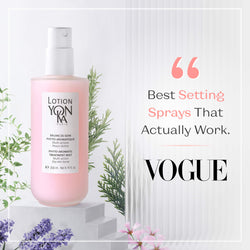
After cleansing, we always recommend a thorough misting with Lotion Yon-Ka PS. This alcohol-free toner is enriched with our Quintessence and is specifically formulated for dry skin. It prepares the skin to receive the subsequent steps, acting as a "conduit" for the oils and serums that follow.
Step 3: Treating with Targeted Elixirs
This is where your chosen oil comes into play. Depending on your specific concerns, you might choose a targeted treatment.
- Serum Omega: Ideal for those with chronic dryness or those living in harsh climates. It is packed with Sacha Inchi oil and pomegranate oil to restore the look of suppleness.
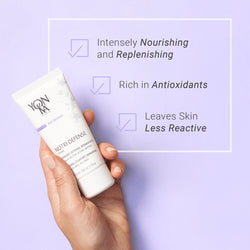
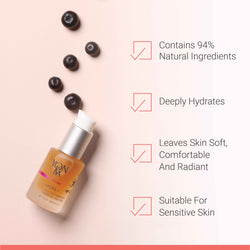
- Nutri + Booster: This is a versatile oil-based booster that can be mixed into your daily moisturizer. It features wheat germ oil and the Quintessence to provide a concentrated dose of nutrition.
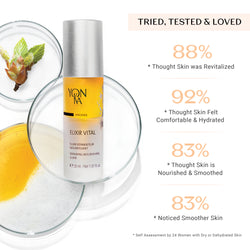
- Elixir Vital: A biphasic repairing fluid that combines nourishing plant oils with revitalizing beech bud peptides. It is perfect for skin that is stressed, fatigued, or recovering from over-exfoliation.
Step 4: Moisturize and Seal
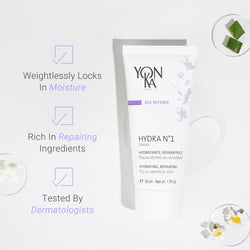
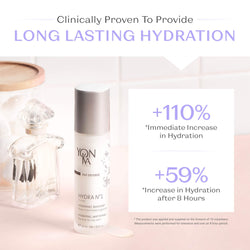
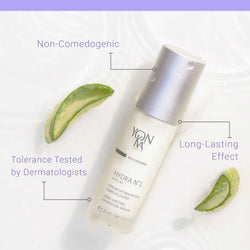
While an oil provides lipids, a moisturizer often provides necessary water-binding ingredients like hyaluronic acid. Applying a cream like Hydra n°1 Crème over your oil (or mixing them together) creates a complete "hydro-lipid" film that mimics healthy skin function.
Step 5: Protection
During the day, always finish with sun protection. Dry skin is particularly susceptible to damage from UV rays, which can further degrade the lipid barrier. For daytime defense, browse our Sun Care collection.
Application Techniques for Maximum Absorption
How you apply your face oil is just as important as which one you choose. Instead of rubbing the oil vigorously into your skin, which can cause friction and irritation, try the "Press and Glow" method.
- Dispense 2–3 drops of oil into the palm of your hand.
- Rub your palms together to warm the oil; this helps it penetrate more effectively.
- Bring your hands to your face and inhale the aromatic scents for a few seconds to engage the senses.
- Gently press your palms onto your cheeks, forehead, chin, and neck.
- Use your fingertips to lightly "pat" the oil into areas that feel particularly dry, like the corners of the nose or the brow line.
Note: When introducing any new botanical product, we recommend performing a patch test on your inner forearm for 24 hours. While our essential oils are carefully dosed for safety and efficacy, every individual's skin is unique. Introduce one new product at a time to monitor your skin's response. A slight, brief tingling sensation can be normal with active essential oils, but if you experience persistent redness or irritation, reduce the frequency of use or discontinue.
When to Use Facial Oils
There is a common misconception that oils should only be used at night. While a rich oil application is a wonderful overnight treatment, lightweight oils can be highly beneficial during the day as well.
Morning Ritual: Resilience and Glow
In the morning, a few drops of a lightweight oil like Nutri + Booster can provide a protective buffer against environmental pollutants and dry office air. It can also serve as an excellent primer for makeup, preventing foundation from "clinging" to dry patches and creating a more luminous finish.
Evening Ritual: Repair and Recovery
Nighttime is when your skin goes into "repair mode." This is the ideal time for more intensive oil treatments. Using a product like Serum Omega at night allows the essential fatty acids to support the skin's natural regenerative processes while you sleep. You will likely wake up with skin that looks more refreshed and feels significantly softer to the touch.
Selecting the Right Product for Your Life Stage
Dryness can affect us at different stages of life for different reasons.
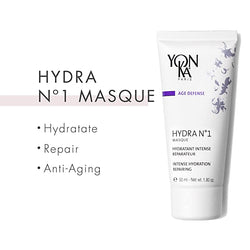
- In your 20s and 30s: Dryness is often caused by environmental factors, travel, or seasonal changes. A lightweight booster or a hydrating mask like Hydra n°1 Masque used twice a week can usually restore balance.
- In your 40s and 50s: Hormonal shifts, such as perimenopause and menopause, lead to a significant drop in oil production. This is when richer, lipid-restoring serums become essential. Products from our Age Exception range, like Excellence Code Crème, are designed to address these complex needs.
- Mature Skin (60+): At this stage, the skin becomes thinner and more fragile. Highly concentrated oils that offer both nourishment and firming benefits, such as Advanced Optimizer Serum, are excellent additions to the routine.
Common Myths About Facial Oils
Myth: Using oil on my face will cause breakouts. Fact: Not necessarily. Breakouts are often caused by "comedogenic" ingredients that clog pores. Many botanical oils, like jojoba and squalane, are non-comedogenic and can actually help balance oily skin by signaling to the pores that they don't need to overproduce sebum.
Myth: Oils replace my moisturizer. Fact: Oils and moisturizers serve different functions. Oils provide lipids (nourishment), while moisturizers provide water (hydration). For the best results, dry skin needs both.
The Professional Spa Connection
For those seeking a truly transformative experience, professional treatments offer a level of results that are difficult to achieve at home. Our heritage is rooted in the treatment room, and our professional-grade products are used by over 7,000 skincare professionals worldwide.
If your skin feels chronically dry and "stuck," a professional Yon-Ka treatment, such as the Le Grand Classique or Hydralessence, can provide deep-cleansing and intensive hydration. These treatments often involve specialized techniques like aromatic compresses and professional-only masks that saturate the skin with moisture. You can find a certified professional near you by using our Spa Locator.
Customizing Your Routine
One of the greatest benefits of using facial oils is their versatility. You do not always need a separate step in your routine; you can customize your existing products.
- The "Cocktail" Method: Mix 1–2 drops of Nutri + Booster directly into your favorite moisturizer in the palm of your hand before applying. This "boosts" the lipid content of your cream during the winter months.
- The Targeted Treatment: Apply oil only to the areas that feel dry (like the cheeks) while leaving the T-zone alone.
- The Mask Enhancer: Apply a thin layer of Serum Omega under your Hydra n°1 Masque for an intensive, spa-like recovery treatment.
bottom line: Choosing a facial oil for dry skin is about finding a balance of essential fatty acids, biocompatible botanical extracts, and a delivery system that respects your skin's natural barrier.
Conclusion
Finding which oil is good for dry skin on your face is a journey toward both comfort and radiance. By choosing botanical oils that mimic your skin’s natural chemistry—like argan, jojoba, and squalane—you provide the essential lipids needed to lock in moisture and protect your complexion from the world around it. Whether you choose to mix a booster into your daily cream or indulge in a dedicated nighttime serum, the key is consistency and the quality of the ingredients.
At Yon-Ka Paris, we remain dedicated to the belief that skincare is a ritual worth savoring. Rooted in 70 years of phyto-aromatic expertise, our formulas are designed to bring the professional spa experience into your home, helping you achieve a complexion that looks as healthy as it feels. If you are unsure which oil is best for your unique needs, we invite you to take our Skin Diagnosis quiz or use our Product Matcher for a personalized recommendation.
"True beauty is found when we harmonize the power of nature with the science of the skin, creating a ritual that nourishes the body and the spirit alike."
FAQ
Should I apply face oil before or after my moisturizer?
Generally, you should apply face oil after your moisturizer or mix it directly into your cream. Because oils are occlusive, they act as a seal to lock in the water-based hydration from your moisturizer and serums. If you want a richer day-to-night routine, explore our face moisturizers.
Can I use facial oils if I have sensitive skin?
Yes, many botanical oils are excellent for sensitive skin as they help to reinforce the protective barrier. However, it is important to choose fragrance-free options or products like ours that use expertly dosed essential oils, and always perform a patch test first. For a gentler match, look at our sensitive skin collection.
Is it okay to use face oil every day?
For dry skin types, using a face oil daily is highly recommended. You may find that you prefer a lighter application or a "booster" mixed into your cream during the day and a more intensive, pure oil treatment at night. If you're not sure where to start, our Skin Diagnosis quiz can help guide your choice.
Will facial oils make my skin look greasy under makeup?
If you use a "dry oil" or a lightweight botanical blend and allow it to absorb for a few minutes, it should not look greasy. In fact, many find that it creates a smooth, luminous base that helps makeup apply more evenly without settling into dry lines.