Table of Contents
- Introduction
- Understanding the Difference Between Dry and Dehydrated Skin
- Why Face Oils Are Essential for Dry Skin
- Key Ingredients to Look For in a Face Oil
- Top Yon-Ka Recommendations for Dry Skin
- How to Incorporate Face Oil into Your Ritual
- Comparing Face Oil Ingredients for Dry Skin
- Myths and Facts About Face Oils
- Safety and Sensorial Experience
- Conclusion
- FAQ
Introduction
Finding that your skin feels tight, looks flaky, or lacks its usual luminosity is a clear signal that your moisture barrier needs reinforcement. While many people reach for thicker creams, the real solution often lies in botanical lipids. At Yon-Ka Paris, we understand that dry skin isn't just a temporary inconvenience; it is a skin type that requires a consistent supply of high-quality oils to maintain its suppleness and resilience. This article explores the science of facial oils, helps you distinguish between dryness and dehydration, and identifies the specific botanical ingredients that transform a parched complexion. We will also provide a roadmap for integrating these powerful elixirs into your daily ritual to achieve a soft, radiant, and healthy appearance.
Quick Answer: The best face oils for dry skin are those rich in oleic fatty acids and barrier-mimicking lipids, such as argan, squalane, and hazelnut. These ingredients help to seal in moisture and repair the skin's natural protective shield.
Understanding the Difference Between Dry and Dehydrated Skin
Before determining which face oil is good for dry skin, it is essential to understand exactly what your skin is asking for. Skincare professionals often see clients who confuse "dry" skin with "dehydrated" skin, but the two require very different approaches.
Dry Skin Lacks Oil
Dry skin is a skin type characterized by a lack of sebum (oil) production. Sebum is the natural lubricant produced by your sebaceous glands to keep the skin soft and protected. Without enough of it, the skin’s barrier becomes compromised, leading to a rough texture, visible flaking, and a persistent feeling of tightness. Because dry skin lacks lipids, it requires oil-based products to replenish that missing nourishment.
Dehydrated Skin Lacks Water
Dehydrated skin is a temporary condition that can affect any skin type, including oily skin. It occurs when there is a lack of water in the stratum corneum (the top layer of the skin). This often manifests as fine lines, a dull complexion, and "crepey" texture. Dehydrated skin needs humectants, like hyaluronic acid, to pull water into the cells.
Key Takeaway: If your skin feels tight and looks flaky all day, you likely have a dry skin type. If it feels tight but still produces oil or looks "shiny" while feeling parched, you are likely experiencing dehydration.
Why Face Oils Are Essential for Dry Skin
Face oils are not merely "extra" steps in a routine; for those with dry skin, they are foundational. High-quality botanical oils act as both emollients and occlusives. If you want a deeper look at Yon-Ka’s ingredient philosophy, explore our ingredients.
Emollients fill in the tiny gaps between skin cells, instantly smoothing the surface and making the skin feel softer to the touch. Occlusives create a breathable protective layer on the surface that prevents Transepidermal Water Loss (TEWL). This is the process where moisture evaporates from your skin into the air, a common problem in dry climates or during winter months.
We believe in the power of phyto-aromatic chemistry. By using plant-based oils, we provide the skin with vitamins, antioxidants, and essential fatty acids that synthetic oils often lack. These botanical nutrients help to support the skin's appearance against environmental stressors while providing a sensorial experience that calms the mind.
Key Ingredients to Look For in a Face Oil
When choosing an oil, the molecular structure matters. Some oils are "heavier" and better for night use, while others are "lighter" and ideal for daytime. For dry skin, you want ingredients that are rich in Omega-3, 6, and 9 fatty acids. Yon-Ka’s formulas are built to balance efficacy with a botanical sensorial experience.
Squalane: The Barrier Mimic
Squalane is a saturated oil that is highly stable and mimics squalene, a natural component of human sebum. Because the skin recognizes it, squalane absorbs beautifully without a heavy residue. It is excellent for those who want the benefits of an oil without a greasy finish. We use plant-derived squalane to help maintain the appearance of skin elasticity and softness.
Argan Oil: The Liquid Gold
Rich in Vitamin E and essential fatty acids, argan oil is a powerhouse for dry and mature skin. It helps to deeply nourish the skin and provides a visible "plumping" effect. It is particularly effective for those dealing with the appearance of fine lines caused by dryness.
Hazelnut and Wheat Germ Oils
In our professional formulations, we frequently utilize hazelnut and wheat germ oils. Hazelnut oil is rich in Vitamin E and essential fatty acids, offering great spreadability and absorption. Wheat germ oil is incredibly dense in nutrients and serves as a powerful antioxidant support for very dry, compromised skin.
The Power of the Quintessence
Our signature Quintessence—a blend of lavender, geranium, rosemary, cypress, and thyme essential oils—is often infused into our oil-based products. These essential oils do more than provide a spa-like aroma; they help to revitalize the skin's appearance and enhance the efficacy of the carrier oils. For a closer look at how Yon-Ka builds its signature botanical identity, read our ingredient philosophy.
Top Yon-Ka Recommendations for Dry Skin
To help you choose the right product, we have developed targeted formulas born from our professional spa heritage. These are designed to be layered within a ritual to maximize results.
Serum Omega: The Lipid-Restoring Powerhouse
For skin that is severely dry or compromised by cold weather, Serum Omega is our premier recommendation. This "oil-in-serum" is designed to restore the look of the skin's barrier. It features a concentrated blend of Omega 3, 6, and 9, alongside sacha inchi oil and pomegranate oil. It is specifically formulated to provide immediate comfort to skin that feels "angry" or tight.
Nutri + Booster: The Customizable Glow
If you love your current moisturizer but need an extra punch of nourishment, Nutri + Booster is the perfect solution. This oil-based booster is enriched with wheat germ oil and our signature Quintessence. It is designed to be mixed directly into your cream. Just 2-3 drops can transform a standard moisturizer into a deeply nourishing treatment for dry skin.
Hydra n°1 Masque: Overnight Repair
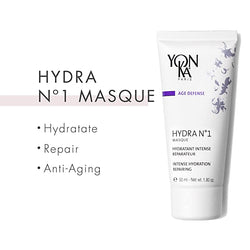
While not a traditional bottled oil, Hydra n°1 Masque contains jojoba oil and vitamins that act as a deep-conditioning treatment. For very dry skin, applying this as an overnight mask allows the oils to penetrate deeply while you sleep, ensuring you wake up with a soft, supple complexion. If you want more mask options, browse our face masks.
How to Incorporate Face Oil into Your Ritual
Application order is the most common point of confusion when using oils. Because oils are occlusive, applying them in the wrong order can prevent your other products from working.
The Proper Layering Order
- Cleanse: Always start with a gentle, non-stripping cleanser like Lait Nettoyant. This milk cleanser removes impurities while respecting the skin’s lipid balance.
- Mist: Apply Lotion Yon-Ka PS to damp skin. This phyto-aromatic mist prepares the skin to receive the oil. Never apply oil to bone-dry skin; the moisture from the mist helps the oil spread and absorb.
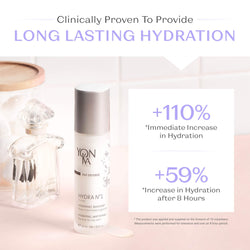
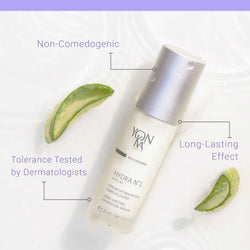
- Treat (Water-Based): If you use a hydrating serum like Hydra n°1 Serum, apply it now.
- Treat (Oil-Based): This is when you apply your Serum Omega or Nutri + Booster. You can either press the oil directly into the skin or mix it with your moisturizer.
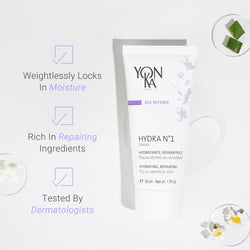
- Moisturize: Seal everything in with a cream like Hydra n°1 Crème. For dry skin, the oil provides the lipids, and the cream provides the water and additional barrier protection.
If you are still deciding which moisturizer fits best with your routine, you can compare options in our face moisturizers collection.
The "Press and Roll" Technique
Instead of rubbing oil into your skin, which can cause tugging and irritation, try the professional "press and roll" method.
- Dispense 2-4 drops of oil into your palms.
- Rub your hands together to warm the oil (this also releases the aromatic essential oils).
- Gently press your palms onto your cheeks, forehead, chin, and neck.
- Use a light rolling motion to ensure even distribution.
Note: When introducing any new oil-based product, we recommend a patch test on your inner forearm for 24 hours. While botanical oils are generally well-tolerated, the high concentration of active plant extracts means a small test is always a sensible practice.
Comparing Face Oil Ingredients for Dry Skin
| Ingredient | Primary Benefit | Texture | Best For |
|---|---|---|---|
| Argan Oil | Deeply nourishing, Vitamin E rich | Medium-weight | Mature & very dry skin |
| Squalane | Mimics natural sebum, non-greasy | Lightweight | All dry skin, including sensitive |
| Hazelnut Oil | Softening and revitalizing | Fast-absorbing | Daytime use |
| Wheat Germ Oil | Intense repair and antioxidant | Heavy/Rich | Overnight repair |
Myths and Facts About Face Oils
There is a lot of misinformation regarding oils, especially for those who have spent years avoiding "oil" in their skincare.
Myth: Face oils will clog my pores and cause breakouts. Fact: Not all oils are comedogenic (pore-clogging). Oils like squalane and jojoba are very unlikely to clog pores. In many cases, providing the skin with high-quality oil can actually help balance its natural production and reduce the appearance of congestion.
Myth: A face oil can replace my moisturizer. Fact: Most face oils lack humectants (water-binding ingredients). For true skin health, you need both water (moisturizer/serum) and oil. The oil seals in the water, but it doesn't replace the need for it.
Myth: You shouldn't use face oil in the morning. Fact: If you have dry skin, a few drops of a lightweight oil can act as an excellent primer for makeup, preventing foundation from "clinging" to dry patches. Just be sure to follow with sun protection.
If your concern is dryness mixed with visible dullness, you may also like products for dry and dehydrated skin.
Safety and Sensorial Experience
One of the unique aspects of Yon-Ka is our focus on aromachology—the study of how scents influence our well-being. Using an oil like Nutri + Booster isn't just about topical repair; the scent of the Quintessence provides a moment of calm in a busy day. To learn more about the brand’s approach to treatment, visit our brand story.
When using products with essential oils, a slight tingling sensation can be normal as the active botanicals work on the skin. However, if you experience persistent redness or irritation, it is best to reduce the frequency of use or discontinue the product. For any severe reactions, such as facial swelling, please seek medical attention immediately.
For a more targeted ritual, consider the Product Matcher or take the Skin Diagnosis quiz to narrow down the best fit for your skin.
Conclusion
Determining which face oil is good for dry skin is a journey toward understanding your skin's biological needs. By prioritizing lipid-rich botanical oils like those found in Serum Omega and Nutri + Booster, you can effectively address the flaking, tightness, and dullness associated with dry skin. Remember that the key to a radiant complexion is a consistent ritual—one that cleanses gently, hydrates deeply, and protects with the power of nature.
At Yon-Ka Paris, we remain dedicated to our 70-year heritage of phyto-aromatic excellence, ensuring every drop of oil we produce meets the highest standards of French pharmaceutical rigor. We believe that your skincare routine should be a ritual worth savoring, combining science-backed results with a deeply sensorial experience.
If you are unsure which oil is best for your specific concerns, we invite you to take our Skin Diagnosis quiz or use the Product Matcher on our website. You can also visit our Spa Locator to find a certified professional near you who can provide a customized treatment tailored to your skin’s unique needs.
Key Takeaway: Face oils are the "seal" for your skincare ritual. By applying them correctly on damp skin and choosing nutrient-dense botanical blends, you can restore the appearance of a youthful, supple glow.
FAQ
Should I apply face oil before or after my moisturizer?
For most people, face oil should be applied after your moisturizer or mixed directly into it. Because oils are occlusive, they act as a seal to lock in the hydrating ingredients of your cream. If you apply the oil first, the water-based ingredients in your moisturizer may have difficulty penetrating the oil barrier.
Can I use face oil if I have combination skin?
Yes, combination skin often has dry patches on the cheeks that can benefit greatly from oil. You can practice "zone-treating" by applying 1–2 drops of a lightweight oil like squalane only to the dry areas, while keeping the T-zone (forehead, nose, and chin) focused on water-based hydration. If you want to browse more supportive options, start with the anti-aging collection.
Will face oil make my skin look greasy under makeup?
If you use the right amount—typically 2–3 drops—and press it into damp skin, it should absorb fully and leave a radiant glow rather than a greasy film. For daytime use under makeup, choose a lighter oil-in-serum or mix a booster like Nutri + Booster into your morning cream for a seamless finish.
How do I know if my skin is dry or just dehydrated?
Perform a simple "pinch test": gently pinch a small area of skin on your cheek. If it shows fine "crinkle" lines and takes a moment to snap back, it is likely dehydrated (lacking water). If the skin feels rough, shows visible flaking, and doesn't produce oil even hours after cleansing, it is likely a dry skin type (lacking oil). If you want to continue exploring educational routines, see what to use for dry skin on the face.