Table of Contents
- Introduction
- Understanding Dry vs. Dehydrated Skin
- Key Ingredients to Look for in a Face Mask
- The Yon-Ka Phyto-Aromatic Approach to Hydration
- Our Top Face Mask Recommendations for Dry Skin
- How to Incorporate a Mask into Your Skincare Ritual
- Common Mistakes When Masking for Dry Skin
- The Professional Spa Connection
- Conclusion
- FAQ
Introduction
That uncomfortable sensation of tightness, the appearance of rough patches, and the frustration of a dull complexion are all signs that your skin is crying out for moisture. When your daily moisturizer isn't quite providing the relief you need, a targeted treatment can bridge the gap. Searching for which face mask good for dry skin is often the first step toward restoring comfort and a healthy glow. At Yon-Ka Paris, we believe that a face mask is more than just a weekly indulgence; it is a vital therapeutic step in a professional-grade ritual. This article will explore the specific botanical ingredients that soothe parched skin, the difference between dry and dehydrated states, and how to select the right Yon-Ka mask to transform your complexion. We will guide you through the process of building a ritual that locks in moisture and revitalizes your skin's appearance. If you want to browse the full category, start with our face masks collection.
Understanding Dry vs. Dehydrated Skin
Before selecting a mask, it is crucial to understand exactly what your skin is missing. While the terms "dry" and "dehydrated" are often used interchangeably, they represent two distinct skin concerns that require different approaches to treatment.
Dry skin is a skin type characterized by a lack of oil (sebum). Your skin naturally produces oils to protect the surface and keep it supple. When this production is low, the skin’s barrier becomes compromised, leading to flakiness, sensitivity, and a rough texture. Dry skin often feels tight all over and is more prone to early signs of aging.
Dehydrated skin, on the other hand, is a temporary skin condition caused by a lack of water. Even oily skin can become dehydrated. Factors like weather, air conditioning, travel, or harsh cleansers can strip water from the skin's upper layers. This often manifests as fine "dehydration lines," a lack of "bounce," and a dull, shadowed appearance.
Quick Answer: The best face mask for dry skin is a rich, cream-based formula containing emollients like plant oils and shea butter to replenish lipids. For dehydrated skin, look for gel or cream-gel masks high in humectants like hyaluronic acid and aloe vera to bind water back into the skin. For a deeper look at how Yon-Ka approaches plant-based skincare, see our ingredients page.
Key Ingredients to Look for in a Face Mask
The efficacy of a face mask rests entirely on its formulation. When browsing for solutions to dryness, look for these three categories of ingredients:
Humectants: The Water Magnets
Humectants are ingredients that attract water. They work like tiny sponges, pulling moisture from the air or the deeper layers of the dermis into the surface layers (the stratum corneum).
- Hyaluronic Acid: A sugar molecule naturally found in the body that can hold up to 1,000 times its weight in water. It provides an immediate plumping effect to the appearance of skin.
- Glycerin: A classic, high-performance humectant that helps maintain the skin's moisture balance.
- Aloe Vera: Known for its soothing properties, it also provides a high concentration of water and minerals.
Emollients: The Smoothers
Emollients fill in the gaps between skin cells with lipids (fats), smoothing the skin's surface and restoring its feel.
- Shea Butter: A rich botanical fat that provides intense nourishment and comfort to very dry skin.
- Plant Oils: Oils such as hazelnut, jojoba, or avocado oil mimic the skin's natural sebum to replenish lost lipids.
Occlusives: The Moisture Seal
Occlusives create a physical barrier on the skin to prevent transepidermal water loss (TEWL), which is the evaporation of water from the skin into the atmosphere. Many high-quality masks, particularly those designed for overnight use, combine emollient and occlusive properties to ensure the hydration "stays put" while you sleep.
The Yon-Ka Phyto-Aromatic Approach to Hydration
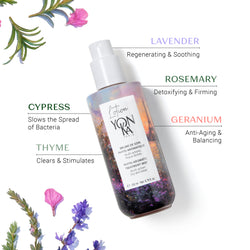
Our approach to treating dry skin is rooted in the fusion of aromatherapy and phytotherapy. We do not just look at surface-level moisture; we look at the skin's overall vitality. At the heart of our formulas is the Quintessence, an exclusive complex of five essential oils: lavender, geranium, rosemary, cypress, and thyme.
This 100% natural and active complex does more than just provide a signature scent. Lavender soothes the appearance of redness, which is common in dry skin. Rosemary and geranium help revitalize the look of the complexion, while cypress and thyme provide purifying and balancing benefits. When combined with hydrating actives like hyaluronic acid or vitamin B5, the Quintessence enhances the skin's ability to absorb and utilize these ingredients. You can learn more about this blend in our phyto-aromatic formulation philosophy.
Note: Because we use high-quality essential oils, we always recommend a patch test when introducing a new product to your routine. Apply a small amount to your inner forearm and wait 24 hours to ensure compatibility.
Our Top Face Mask Recommendations for Dry Skin
When determining which face mask good for dry skin in our collection, we look at the intensity of the dryness and any secondary concerns, such as aging or dullness.
Hydra n°1 Masque: The Intensive Hydrator
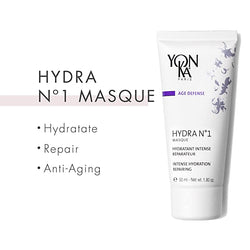
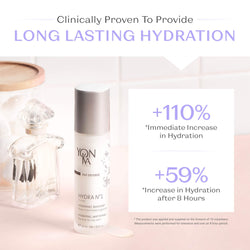
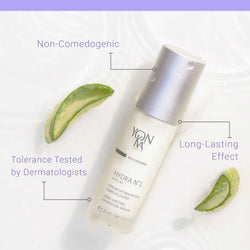
For those experiencing extreme dehydration or "thirsty" skin, Hydra N°1 Masque is our premier recommendation. This gel-cream mask is an SOS treatment designed for the most parched complexions. It contains two molecular weights of hyaluronic acid to hydrate at different levels of the skin's surface, along with smoothing vitamin A and antioxidant vitamin E.
It is particularly beloved as an overnight treatment. By applying a thick layer before bed, you allow the skin to repair and rehydrate during its peak renewal hours. Many users find they wake up with skin that looks significantly more radiant and feels much softer.
Excellence Code Masque: The Mature Skin Solution
As skin ages, it naturally loses its ability to retain moisture and oil. Excellence Code Masque is designed for mature skin that is not only dry but also showing signs of thinning or loss of firmness. Part of our Age Exception range, this mask uses a creamy texture to deliver intense comfort. It features alpha-hydroxy acids (AHAs) from fruit extracts to gently brighten the appearance of the skin, while nutgrass and sweet almond proteins provide a visible lifting and firming effect.
Glyconight 10% Masque: The Radiance Renewer
Sometimes, dry skin looks dull because of a buildup of dead skin cells. If your skin is flaky, a hydrating mask might not be able to penetrate effectively. Glyconight 10% Masque is a clean, vegan night peel that uses 10% glycolic acid to gently exfoliate. While it is an acid-based mask, it is formulated to be used overnight to improve skin texture and boost radiance. Removing that top layer of dry, dead cells actually helps your subsequent hydrating serums and moisturizers work much more effectively.
How to Incorporate a Mask into Your Skincare Ritual
Applying a mask isn't just about the product; it's about the steps surrounding it. To get the most out of your mask, we recommend following a consistent ritual.
Step 1: Gentle Cleansing
Never apply a mask to dirty skin or skin with makeup residue. For dry skin, use a barrier-respecting cleanser like Lait Nettoyant. This cleansing milk gently removes impurities while maintaining the skin’s delicate lipid balance. Use lukewarm water, as hot water can further strip the skin of its natural oils.
Step 2: Prepare with a Mist
Mist your face with Lotion Yon-Ka PS before applying your mask. This phyto-aromatic mist is alcohol-free and helps to "prime" the skin. Applying a mask to slightly damp skin allows the humectants (like hyaluronic acid) to bind that moisture immediately into the skin.
Step 3: Targeted Application
Apply an even layer of your chosen mask, such as Hydra n°1 Masque, to the face and neck. For cream masks, you can often massage them in slightly to enhance the sensorial experience. Avoid the immediate eye area unless the product specifically states it is safe for the contours.
Step 4: The Waiting Period
Follow the timing instructions for your specific mask. Most hydrating masks require 10 to 60 minutes, though many can be left on overnight for deeper results. If you are using an exfoliating mask like Glyconight 10% Masque, start with shorter durations if your skin is sensitive.
Step 5: Seal with Moisture
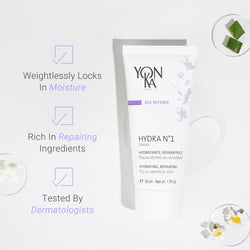
After rinsing or tissue-ing off your mask, immediately apply your serum and moisturizer. If you’ve just used Hydra n°1 Masque overnight, rinse your face in the morning and follow with Hydra N°1 Crème to lock in that plumpness for the day.
Key Takeaway: The effectiveness of a mask is doubled when applied to clean, damp skin and followed immediately by a moisturizer to seal in the active ingredients and prevent water evaporation. If you want to see more products that pair well in a full routine, explore our face moisturizers collection.
Common Mistakes When Masking for Dry Skin
Even with the best products, certain habits can undermine your results. Avoid these common pitfalls to keep your dry skin happy and hydrated.
Using the Wrong Mask Type
Many people reach for clay masks (like our Masque 103 or Masque 105) because they want to "deep clean" their pores. While clay is excellent for oily or congested skin, it can be too drying for a truly dry complexion. If you have dry skin but want to clear your pores, ensure you only use clay masks on your T-zone and follow up with a hydrating mask on your cheeks.
Leaving the Mask on Too Long (If Not Recommended)
Unless a mask is specifically designed for overnight use, do not leave it on longer than the instructions suggest. Some masks can actually begin to draw moisture out of the skin once they dry completely on the surface.
Over-Exfoliating
When your skin is flaky, the instinct is to scrub. However, aggressive physical scrubs can create micro-tears in an already weakened dry skin barrier. Instead, choose gentle, grain-free exfoliators like Gommage Yon-Ka, which uses carob and lime to hydrate while it gently lifts away dead cells.
Using Hot Water
Hot water is a thief of moisture. It dissolves the natural oils that protect your skin. Always use lukewarm or cool water when rinsing your face, even if you are in the shower.
Myth: "Essential oils are too drying for dry skin." Fact: When professionally formulated in a balanced carrier, essential oils like those in our Quintessence actually help revitalize the appearance of dry skin and support the absorption of hydrating actives.
The Professional Spa Connection
While home care is essential, professional treatments can offer a level of hydration that is difficult to achieve alone. Our heritage began in the treatment room, and our professional masks used by estheticians are designed for deep, long-lasting results. If you want a guided option, our spa treatments bring that experience into a professional setting.
In a professional Yon-Ka treatment, an esthetician might use techniques like aromatic steaming or specific massage movements to ensure the skin is fully receptive to the botanical actives. If you find your dryness is persistent or seasonal, visiting a professional can provide a "reset" for your skin barrier. You can find a nearby partner by using our Spa Locator on our website.
Conclusion
Finding which face mask good for dry skin is about looking beyond the label and understanding the science of hydration. By prioritizing humectants to pull in water and emollients to seal in oil, you can move your skin from a state of discomfort to one of radiance. Whether you choose the intensive, water-binding power of Hydra n°1 Masque or the revitalizing, lipid-rich comfort of Excellence Code Masque, consistency is the key to a healthy appearance. For a fuller routine, you can also explore our face care collection.
Remember that your skin's needs change with the seasons and your environment. We invite you to explore our full range of masks and treatments designed to honor the unique needs of your skin. If you are still unsure which formula is right for you, our Skin Diagnosis quiz is available to help you find your perfect botanical match. If you want more guidance on dryness, our dry skin education articles are a helpful next step.
"Skincare is not just a routine; it is a moment of connection with oneself, powered by the life force of plants." — Yon-Ka Paris
FAQ
Can I use a hydrating mask every day?
For most dry skin types, using a hydrating mask 2 to 3 times a week is ideal. However, gentle masks like Hydra n°1 Masque can be used more frequently, or even nightly as a thin layer, during periods of extreme dryness, travel, or cold weather.
Should I apply my face mask to dry or wet skin?
It is best to apply your hydrating mask to slightly damp skin. After cleansing and misting with Lotion Yon-Ka PS, your skin is more permeable, and the humectants in the mask can better bind to the moisture on the skin's surface for a more effective plumping result.
Is it okay to leave a hydrating mask on overnight?
Yes, many cream and gel-cream masks are designed to be left on overnight. This allows the ingredients to penetrate deeply during the skin's natural repair cycle. Just ensure the product is labeled as safe for overnight use to avoid any potential irritation from high concentrations of certain actives.
Why does my skin tingle when I apply a hydrating mask?
A slight, temporary tingling can be normal, especially if your skin is very dehydrated or if the product contains active essential oils. This is often just the sensation of the skin being "re-awakened." However, if the tingling turns into persistent redness, burning, or itching, you should rinse the product off and reduce the frequency of use.