Table of Contents
- Introduction
- Understanding the Needs of Dry Skin
- Key Ingredients to Look For
- The Phyto-Aromatic Approach to Dryness
- Which Face Cream Best for Dry Skin: Top Recommendations
- Building a Ritual for Dry Skin
- Common Myths About Dry Skin
- Essential Oil Safety and Best Practices
- Seasonal Adjustments for Dry Skin
- The Role of Professional Treatments
- Conclusion
- FAQ
- FAQ
Introduction
The sensation of dry skin is more than just a surface-level concern; it is a physical experience of tightness, discomfort, and often, a loss of that sought-after radiance. When the skin’s natural moisture barrier is compromised, your complexion can feel parched, look dull, and even show signs of premature aging more prominently. At Yon-Ka Paris, we understand that finding the right moisturizer is not just about "fixing" a problem, but about restoring a delicate botanical balance that allows your skin to thrive. In this guide, we will explore the essential ingredients for lipid restoration, the difference between dryness and dehydration, and how to select a phyto-aromatic cream that transforms your daily skincare into a sanctuary of wellness. Finding which face cream best for dry skin requires moving beyond simple hydration toward a deep, nourishing ritual that respects your skin’s biological needs.
Quick Answer: The best face cream for dry skin is one that combines humectants like hyaluronic acid to draw in water, emollients like shea butter to soften, and occlusives to seal in moisture. For professional-grade results, a rich, lipid-replenishing formula like Hydra N°1 Creme or a nourishing booster like Nutri + can restore the appearance of suppleness and comfort.
Understanding the Needs of Dry Skin
Before we can determine which face cream best for dry skin is right for you, it is vital to understand what your skin is actually craving. In the world of professional skincare, we make a clear distinction between "dry" skin and "dehydrated" skin. While they may feel similar, their causes and treatments are distinct.
For a fuller look at Yon-Ka’s approach to moisture support, explore our dry & dehydrated skin collection.
Dry skin is a skin type characterized by a lack of oil (lipids). Your sebaceous glands are not producing enough natural sebum to keep the skin lubricated. This often results in a rough texture, flakiness, and a constant feeling of tightness. Because dry skin lacks the "glue" that holds skin cells together, its protective barrier is often weak, making it more susceptible to environmental stressors.
Dehydrated skin, on the other hand, is a temporary condition where the skin lacks water. Even oily skin types can become dehydrated. When skin is dehydrated, it may look "crepey" or show fine lines more easily, but it might still produce oil.
The ideal solution for a truly dry complexion is a formula that addresses both issues: providing the water the skin needs while replenishing the essential lipids it cannot produce on its own.
Key Ingredients to Look For
The efficacy of a face cream depends entirely on its formulation charter. At our Our Ingredients page, we explain how Yon-Ka chooses botanical ingredients that support the skin’s needs with a targeted, phyto-aromatic approach.
For those struggling with dryness, we look for a "triple threat" of ingredient categories that work in harmony to repair the look of the skin barrier.
Humectants for Water Retention
Humectants are like tiny magnets that draw moisture into the skin. Hyaluronic acid is the most famous of these, capable of holding many times its weight in water. In our formulations, we often use various molecular weights of hyaluronic acid to ensure the appearance of plumpness on the surface and hydration in deeper layers. Other humectants include glycerin and aloe vera, which provide a soothing, cooling sensation while quenching the skin’s thirst.
Emollients for Smoothness
Emollients fill in the microscopic gaps between skin cells where lipids are missing. This is what gives skin that silky, soft-to-the-touch feel. Botanical oils—such as hazelnut oil, grape seed oil, and shea butter—are excellent natural emollients. They help to smooth the skin's surface and improve the appearance of elasticity.
Occlusives to Lock Everything In
An occlusive ingredient acts as a protective shield. It sits on top of the skin to prevent transepidermal water loss (TEWL), which is the process of moisture evaporating into the air. While some brands use petroleum-based occlusives, we prefer plant-based alternatives like beeswax or high-quality botanical butters that allow the skin to "breathe" while still providing an effective seal.
The Phyto-Aromatic Approach to Dryness
At Yon-Ka, our heritage is rooted in the fusion of aromatherapy and phytotherapy. We believe that a face cream should do more than just sit on the skin; it should engage the senses. To learn more about the signature aromatic complex behind this philosophy, read What is Yon-Ka’s Quintessence?
For dry skin, these essential oils offer more than just a beautiful scent. Lavender is known for its soothing properties, while rosemary helps to revitalize the appearance of the skin. Geranium provides balancing benefits, and cypress and thyme offer purifying and toning support. When these are blended with nourishing plant actives, the result is a holistic treatment that addresses the physical discomfort of dryness while promoting a sense of well-being through aromachology.
Which Face Cream Best for Dry Skin: Top Recommendations
Choosing a cream is a personal decision that depends on your age, your environment, and how your skin feels at different times of the day.
For Intense Hydration and Repair: Hydra N°1 Crème
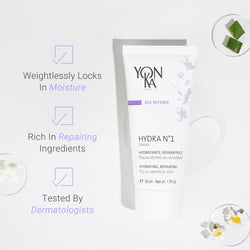
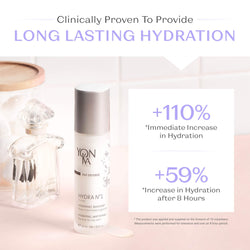
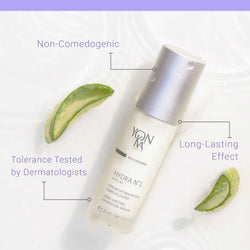
If your skin feels perpetually tight and shows signs of visible redness or irritation due to dryness, Hydra N°1 Crème is often our first recommendation. This is a comforting, cocooning cream designed for those with very dry or sensitive skin. It features two types of hyaluronic acid along with shea butter, hazelnut oil, and grape seed oil. It is designed to help repair the appearance of the skin barrier while providing long-lasting comfort.
For Early Signs of Aging: Time Resist Jour
Dryness can make fine lines appear much deeper than they actually are. For those in their 30s and 40s, Time Resist Jour and Time Resist Nuit (Night) provide a targeted approach. These creams use plant stem cells and youth-activating ingredients to smooth the look of wrinkles while providing the lipid support that dry skin requires to stay resilient.
For Mature Skin and Deep Nourishment: Excellence Code Crème
As we age, our skin naturally becomes drier as hormone levels shift and oil production slows down. Excellence Code Creme is our premium global anti-aging treatment. It is exceptionally rich and specifically formulated for mature skin that needs "everything." It addresses the look of sagging, dark spots, and extreme dryness, using a blend of avocado and grape seed oils along with red algae to restore a youthful-looking glow.
For Environmental Protection: Vital Defense
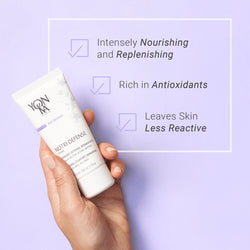
If you live in a city or are frequently exposed to pollution and varying temperatures, your dry skin needs an extra layer of defense. Vital Defense is an antioxidant-rich cream that helps protect against environmental stressors that can further deplete the skin's moisture. It’s a lighter option that still provides excellent nourishment for normal-to-dry skin types.
Key Takeaway: The "best" cream is the one that matches your skin’s current lipid deficiency. Always look for a balance of water-attracting humectants and oil-replenishing emollients to fully address dry skin concerns.
Building a Ritual for Dry Skin
A face cream works best when it is part of a consistent, layered ritual. At Yon-Ka, we don't believe in "hacks"—we believe in a methodical approach that prepares the skin to receive the full benefits of your chosen moisturizer.
Step 1: Gentle Cleansing
The biggest mistake people with dry skin make is using a foaming or harsh cleanser that "strips" the skin. Instead, opt for a creamy milk cleanser like Lait Nettoyant. This gentle formula removes makeup and impurities while respecting the skin’s hydro-lipidic film. It leaves the skin feeling soft and supple rather than "squeaky clean," which is often a sign of a damaged barrier.
Step 2: The Phyto-Aromatic Mist
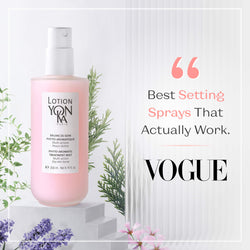
After cleansing, your skin needs to be prepped. Lotion Yon-Ka PS is much more than a toner. This alcohol-free mist features our Quintessence essential oils and acts as a humectant. Applying your cream while the skin is still slightly damp from the mist significantly enhances absorption and locks in more moisture.
Step 3: Targeted Serum or Booster
For those with very dry skin, a cream alone might not be enough during the winter months or in dry climates. This is where you can customize your routine with Serum Omega.
- Serum Omega: This oil-in-serum is a lifesaver for skin that is cracking or flaking. It is packed with Omega 3, 6, and 9 fatty acids to restore the look of lipids.
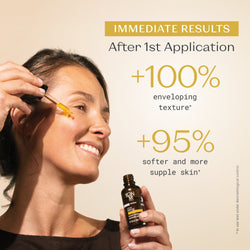
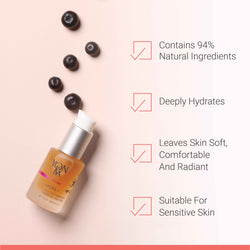
- Nutri + Booster: This is a versatile oil that can be mixed directly into your cream. It features vitamin-rich cereal germ oils to provide an extra "punch" of nourishment.
Step 4: Moisturize and Protect
Apply your chosen face cream (like Hydra N°1 Crème) using gentle, upward strokes. During the day, always follow with the Sun Care collection to help protect against UV damage that can further dry out and age the skin.
Common Myths About Dry Skin
There is a lot of misinformation regarding how to treat a dry complexion. Let's clarify a few common misconceptions.
Myth: "Oils are the only thing that will fix dry skin." Fact: While oils (emollients) are crucial, dry skin also needs water (humectants). If you only apply oil to dry skin without any water-based hydration, you may still feel "parched" underneath the surface oil.
Myth: "You don't need to exfoliate if your skin is dry." Fact: Dry skin often has a buildup of dead skin cells that can prevent your moisturizer from penetrating. The key is to use a gentle, grain-free exfoliator like Gommage Yon-Ka, which uses carob and lime extracts to polish the skin without irritation.
Essential Oil Safety and Best Practices
Because our formulas are rich in active essential oils and botanical extracts, we always recommend a mindful approach when starting a new routine.
If you want a closer look at how we build effective formulas, visit Our Formulas.
- Patch Test: When introducing a new product, apply a small amount to your inner forearm and wait 24 hours to ensure your skin welcomes the ingredients.
- One at a Time: Introduce one new product every few days rather than changing your entire routine at once. This allows you to see exactly how your skin responds.
- Listen to Your Skin: A slight, brief tingling can sometimes occur with active essential oils, but if you experience persistent redness, reduce the frequency of use or consult a professional.
If you have a medical skin condition such as chronic eczema or rosacea, we recommend consulting with a physician or dermatologist before beginning a new skincare program.
Seasonal Adjustments for Dry Skin
Your skin is a living organ that reacts to the world around it. You may find that the cream that works perfectly in the humid summer months is not enough when the heaters turn on in the winter.
In the summer, a lighter cream like Hydra N°1 Fluid might be sufficient if your skin leans more toward "dehydrated" than "dry." However, when the air becomes cold and dry, switching to the richer Hydra N°1 Crème or adding a few drops of Serum Omega to your nighttime routine can provide the extra "buffer" your skin needs to stay comfortable.
The Role of Professional Treatments
While home care is the foundation of healthy skin, professional intervention can take your results to the next level. A professional Yon-Ka treatment at an authorized spa involves deep hydration techniques, specialized massage, and professional-strength masks that provide an immediate visible difference in skin suppleness. Our Hydralessence treatment, for example, is specifically designed to drench the skin in moisture.
You can use our Spa Locator to find a certified professional near you.
Conclusion
Finding which face cream best for dry skin is a journey toward understanding your skin’s unique language. By choosing formulas that respect the skin's barrier and utilizing the power of phyto-aromatic ingredients, you can transform a dry, uncomfortable complexion into one that looks radiant and feels deeply nourished.
Whether you choose the intense moisture of the Hydra n°1 range or the overnight support of Time Resist Nuit, remember that consistency and ritual are the keys to lasting beauty. At Yon-Ka Paris, we remain committed to our 70-year heritage of French excellence, ensuring every drop of our skincare provides a moment of luxury and efficacy.
- Identify if your skin is dry (lacks oil) or dehydrated (lacks water).
- Look for a balance of hyaluronic acid, botanical oils, and protective butters.
- Layer your products: Cleanse, Mist, and then Moisturize.
- Customize your cream with a booster like Booster Nutri + for extra nourishment.
"Skincare is not just a daily task; it is a ritual of self-care that connects the power of nature with the science of the skin."
If you are still unsure which product is perfect for your specific needs, we invite you to use the Product Matcher on our website to receive a personalized recommendation.
FAQ
Is a thicker cream always better for dry skin?
Not necessarily. While a thicker texture often indicates more occlusive ingredients, the "best" cream is one that also contains humectants to hydrate. A well-formulated medium-weight cream like Hydra N°1 Crème can often provide more effective relief than a heavy, greasy ointment that lacks water-binding ingredients.
Why does my skin still feel dry after I apply moisturizer?
This could be due to a buildup of dead skin cells preventing the cream from absorbing, or your cream might lack enough lipids (oils). Try using a gentle exfoliator like Gommage Yon-Ka once a week and adding an oil-based booster like Serum Omega to your routine to reinforce the skin barrier.
Can I use a face oil instead of a face cream?
For dry skin, it is usually best to use both or a cream that contains both water and oil. An oil alone does not provide the water (hydration) that the skin needs, and a water-based cream alone may evaporate too quickly if it doesn't have enough lipids to seal it in.
How long does it take to see results for dry skin?
While you may feel immediate relief from tightness upon application, it typically takes 28 days—the length of a full skin cell turnover cycle—to see a significant improvement in the appearance of skin texture and barrier strength. Consistent use of a complete ritual is key to achieving long-term radiance.
FAQ
What are the best ingredients for very dry skin?
The best ingredients include hyaluronic acid for hydration, shea butter and botanical oils (like hazelnut or grape seed) for lipid replenishment, and ceramides to support the skin barrier. Our Hydra N°1 Creme combines these elements to provide deep, lasting comfort for parched complexions.
How can I tell if my skin is dry or just dehydrated?
Dry skin is a skin type that lacks oil, often feeling rough and flaky all over. Dehydrated skin is a temporary condition that lacks water, often feeling tight or looking "crepey" even if the skin still produces oil. Both conditions benefit from a layered ritual of a mist and a lipid-rich cream.
Should I apply my face cream to wet or dry skin?
It is best to apply your face cream to slightly damp skin. Using a mist like Lotion Yon-Ka before your moisturizer helps to "trap" that extra moisture on the skin's surface, allowing the active ingredients in your cream to absorb more effectively.
Can essential oils help with dry skin?
Yes, when expertly formulated, essential oils like those in our Quintessence (lavender, geranium, rosemary, cypress, and thyme) help revitalize and soothe the appearance of the skin. They work alongside nourishing plant oils to provide both physical and sensorial benefits for a dry complexion.