Table of Contents
- Introduction
- Understanding the Difference Between Dry and Dehydrated Skin
- Common Culprits Behind Facial Dryness
- What Treats Dry Skin on Face Effectively: Key Ingredients
- Building a Ritual to Treat Dryness
- Professional Solutions for Severely Dry Skin
- Lifestyle Adjustments to Support Your Skincare
- When to See a Professional
- Conclusion
- FAQ
Introduction
The sensation of dry skin on the face is more than just a minor inconvenience; it is a signal from your complexion that its protective barrier is in need of deep, restorative care. Whether you are experiencing the tight pull of dehydration after a long flight, the flaky texture brought on by winter winds, or the persistent roughness that often accompanies aging, finding what treats dry skin on face effectively is the first step toward reclaiming a supple, glowing appearance. At Yon-Ka Paris, we believe that treating dry skin requires a harmonious blend of high-performance botanicals and a dedicated ritual that respects the skin’s delicate ecosystem. In this article, we will explore the underlying causes of dryness, the essential ingredients that replenish the skin's moisture barrier, and how a professional-inspired routine can transform a parched complexion into one that feels soft, resilient, and thoroughly revitalized.
Understanding the Difference Between Dry and Dehydrated Skin
Before we can identify what treats dry skin on face effectively, we must distinguish between "dry" and "dehydrated" skin. While these terms are often used interchangeably, they represent two distinct physiological states.
Dry skin is a skin type characterized by a lack of oil (sebum). Your skin’s sebaceous glands are not producing enough natural lipids to keep the surface lubricated and the barrier intact. This is often genetic or related to the natural aging process, as sebum production significantly decreases after the age of 40.
Dehydrated skin, on the other hand, is a temporary condition that can affect any skin type—including oily skin. It refers to a lack of water in the stratum corneum (the outermost layer of the epidermis). Dehydration is frequently caused by environmental factors like air conditioning, harsh weather, or an inadequate intake of water.
Quick Answer: Effectively treating dry skin on the face requires a dual approach of replenishing lost lipids with plant-based oils and attracting moisture with humectants like hyaluronic acid. A consistent ritual involving gentle cleansing, aromatic toning, and layered hydration is essential for restoring long-term comfort and a healthy glow.
Common Culprits Behind Facial Dryness
To treat dry skin effectively, we must first understand the environmental and internal factors that strip the skin of its vitality. Our face is constantly exposed to the elements, making it the most vulnerable area of our body.
Environmental Stressors
Cold, dry air and low humidity are notorious for drawing moisture out of the skin. This is why many people experience "winter itch" or seasonal flakiness. Conversely, excessive sun exposure can damage the skin’s moisture barrier over time, leading to a rough, leathery texture. For added support, our Sun Care collection is designed to help protect skin from the effects of UV exposure.
The Impact of Hot Water
While a steaming hot shower might feel therapeutic, it is one of the most common causes of facial dryness. Hot water dissolves the natural oils that protect your skin, leaving it vulnerable to moisture loss. We always recommend using lukewarm water for both cleansing and rinsing to preserve the skin’s integrity.
Aggressive Cleansing and Actives
Many over-the-counter soaps and foaming cleansers contain harsh surfactants like sodium lauryl sulfate (SLS) that strip away the skin's protective mantle. Additionally, using high concentrations of certain actives, such as retinoids or alpha-hydroxy acids (AHAs), without sufficient buffering from moisturizing agents can lead to irritation and significant peeling. To better understand how we formulate for balance and efficacy, explore our formulas.
What Treats Dry Skin on Face Effectively: Key Ingredients
The efficacy of a skincare product lies in its formulation. When looking for treatments, prioritize ingredients that mimic the skin’s natural composition or provide a protective seal against moisture loss.
Humectants: The Moisture Magnets
Humectants are substances that attract water. They pull moisture from the air or from deeper layers of the skin into the epidermis.
- Hyaluronic Acid: A superstar molecule that can hold up to 1,000 times its weight in water. It helps the skin look plump and smooth.
- Glycerin: A classic, reliable humectant that supports the skin's natural moisturizing factors.
- Aloe Vera: Provides immediate soothing and hydration to parched or irritated areas.
Emollients: The Barrier Builders
Emollients fill in the gaps between skin cells with lipids, smoothing the surface and softening the skin.
- Squalane: A botanical lipid that mimics the skin's natural sebum, providing deep nourishment without a greasy feel.
- Shea Butter: Rich in fatty acids and vitamins, it provides a luxurious texture and intensive repair for very dry patches.
- Plant Oils: Oils like jojoba, hazelnut, and grape seed are excellent for restoring the lipid barrier.
Phyto-Aromatic Excellence
Our unique approach centers on the Quintessence, our exclusive complex of five essential oils: lavender, geranium, rosemary, cypress, and thyme. This 100% natural and active complex does more than provide a sensorial experience; it helps to balance the skin, stabilize the complexion, and enhance the efficacy of the moisturizing ingredients it is paired with. Learn more about our ingredients.
Building a Ritual to Treat Dryness
At Yon-Ka, we don't believe in "skincare hacks." Real results come from a consistent, layered ritual that mimics the professional treatments found in the world’s most prestigious spas.
Step 1: Gentle Cleansing
The first step in treating dry skin is ensuring you aren't stripping it during the wash. Avoid foaming gels and opt for a creamy, lipid-rich cleanser like Lait Nettoyant. This cleansing milk gently lifts away impurities and makeup while maintaining the skin's natural pH and moisture levels.
Step 2: Prepare with a Phyto-Aromatic Mist
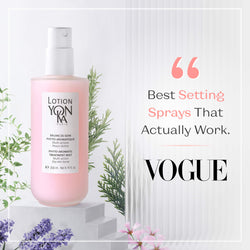
After cleansing, the skin needs to be rebalanced. A common mistake is leaving the skin dry before applying serum. Instead, use a botanical mist like Lotion Yon-Ka PS (formulated specifically for dry skin). This alcohol-free mist "primes" the skin, allowing subsequent products to absorb more deeply while providing a refreshing burst of hydration.
Step 3: Targeted Serum Application
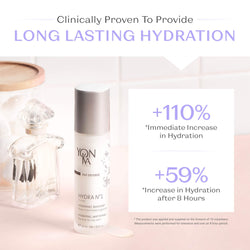
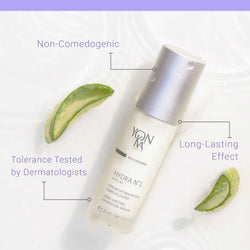
For those wondering what treats dry skin on face effectively at a deeper level, the answer is often a concentrated serum. Hydra n°1 Serum is designed to provide long-lasting hydration by using two weights of hyaluronic acid. It acts as a "thirst-quencher" for the cells, helping to repair the skin's moisture-binding capacity.
Step 4: Intensive Moisturizing
To seal in your serum, you need a high-quality moisturizer that provides both water and oil.
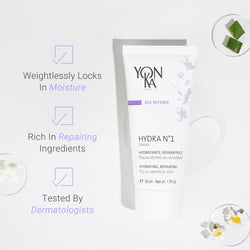
- For daily comfort, Hydra n°1 Crème offers a velvety texture that repairs and protects.
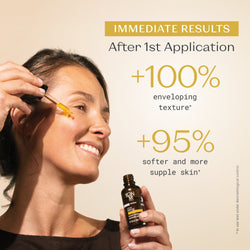
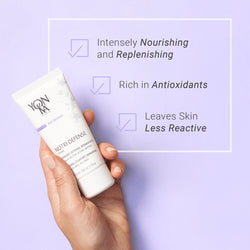
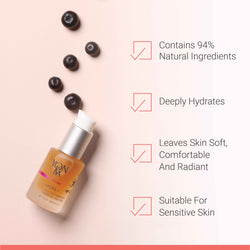
- If your skin feels chronically undernourished or "hungry," adding a few drops of Nutri+ Booster to your cream can provide the essential fatty acids and antioxidants needed to restore a supple feel.
Step 5: Solar Protection
Sun damage is a major contributor to a compromised barrier. Even on cloudy days, applying a protective layer like SPF 50+ Mineral Fluid ensures that UV rays don't further dehydrate the skin or cause premature aging.
Key Takeaway: Treating dry skin is a multi-step process. You must cleanse without stripping, hydrate with humectants, and nourish with lipids to truly transform the skin's texture and resilience.
Professional Solutions for Severely Dry Skin
Sometimes, home care needs an extra boost, especially during seasonal transitions or periods of high stress. This is where professional-grade treatments and weekly rituals become vital.
The Power of Grainless Exfoliation
Many people with dry skin avoid exfoliation because they fear it will cause more irritation. However, removing dead skin cells is essential so that your moisturizers can actually penetrate the surface. We recommend a gentle, grain-free approach like Gommage Yon-Ka. This botanical peel uses carob and lime essential oil to clarify and hydrate the skin without any abrasive scrubbing, making it ideal for even the most sensitive, dry complexions.
Overnight Repair Masks
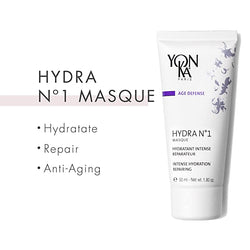
The skin goes into repair mode while you sleep, making it the perfect time for intensive treatment. Applying a thick layer of Hydra n°1 Masque once or twice a week can act as a "moisture bath." You can even leave it on overnight for an intensive recovery treatment that leaves the skin looking refreshed and plumped by morning.
The Role of Essential Oil Safety
When introducing professional-grade botanical products into your routine, it is always wise to practice sensible skincare. Because our formulas contain active essential oils, we recommend a simple patch test on your inner forearm for 24 hours when trying a new product. While a slight, fleeting tingling sensation can be a normal sign of botanical activity, persistent redness means you should reduce frequency or consult with one of our 7,000+ global skincare professionals.
Lifestyle Adjustments to Support Your Skincare
What treats dry skin on face effectively isn't just what you put on your skin, but also how you treat your body and environment.
- Invest in a Humidifier: Especially during the winter months, adding moisture back into the air in your bedroom can prevent your skin from drying out overnight.
- Stay Hydrated from Within: While drinking water won't "fix" a lipid deficiency, it ensures your body has the resources it needs to maintain cellular hydration.
- Eat Healthy Fats: Incorporating Omega-3 and Omega-6 fatty acids (found in walnuts, flaxseeds, and fatty fish) helps support your skin's natural oil production.
- Pat, Don't Rub: After washing your face, gently pat your skin dry with a soft cotton towel. Vigorous rubbing can cause micro-tears and further damage a weakened barrier.
| Skin Concern | Recommended Product Type | Yon-Ka Recommendation |
|---|---|---|
| Initial Tightness | Hydrating Serum | Hydra n°1 Serum |
| Flaking & Roughness | Grainless Exfoliator | Gommage Yon-Ka |
| Chronically Under-oily | Nourishing Booster | Nutri+ Booster |
| Deep Dehydration | Repairing Mask | Hydra n°1 Masque |
When to See a Professional
While most cases of dry facial skin can be managed with a dedicated phyto-aromatic ritual, there are times when expert intervention is necessary. If your skin is persistently red, painfully cracked, bleeding, or if you notice scales that do not respond to moisturizing, you may be dealing with a medical condition such as eczema, psoriasis, or seborrheic dermatitis. In these instances, we recommend consulting a dermatologist or physician.
For those seeking to elevate their results, a professional Yon-Ka treatment at a local spa can provide deep-cleansing and hydration levels that are difficult to achieve at home. Our estheticians are trained to analyze your skin and customize a program specifically for your needs. If you are ready to book that next step, find a Yon-Ka spa near you.
Conclusion
Determining what treats dry skin on face effectively is a journey toward understanding your skin's unique language. By moving away from "quick fixes" and embracing a ritual-based approach rooted in botanical science, you can restore the comfort and radiance your skin deserves. Whether it is through the gentle touch of Lait Nettoyant or the deep replenishment of the Hydra n°1 range, consistent care is the key to a resilient barrier.
At Yon-Ka Paris, our 70-year heritage is built on the belief that skincare is a moment of wellness, a ritual to be savored rather than a chore to be finished. We invite you to explore our full range of professional-grade products, designed with the rigor of pharmaceutical standards and the soul of French aromatherapy. If you are unsure where to begin your journey, our online Skin Diagnosis quiz is available to help you find your perfect botanical match.
"True beauty thrives when the skin is in balance. By nourishing the barrier and respecting the skin's natural rhythm, we reveal a complexion that is not only hydrated but truly vibrant."
Take the first step toward lasting hydration today by exploring our Age Defense collection or finding a certified professional near you through our Spa Locator. Your path to a supple, glowing complexion begins with a single, mindful choice.
FAQ
How often should I moisturize if my face is very dry?
You should moisturize at least twice daily, immediately after cleansing while your skin is still slightly damp. If you feel tightness throughout the day, you can mist your face with Lotion Yon-Ka or apply a small amount of a hydrating fluid like Hydra n°1 Fluid over your makeup to refresh the skin’s moisture levels.
Can I use retinol if I have dry skin on my face?
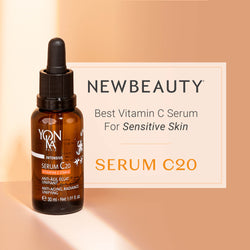
Yes, but you must proceed with caution and prioritize barrier support. Retinol can be drying, so we recommend "sandwiching" it between layers of moisture or using a specialized product like our Serum Vitamine C 20%, which provides brightening benefits with a stable, comfortable delivery system. Always follow with a rich cream like Hydra n°1 Crème to counteract potential dryness.
Why does my skin still feel dry even after I apply moisturizer?
If your skin feels dry immediately after moisturizing, you may have a buildup of dead skin cells preventing the product from absorbing, or your moisturizer may lack the necessary lipids to "seal" the hydration in. Try incorporating a grainless exfoliator like Gommage Yon-Ka once a week and adding a lipid-rich booster like Nutri+ Booster to your daily cream.
Is facial oil better than cream for dry skin?
Ideally, you should use both. Creams typically contain humectants that bring water into the skin, while oils provide the emollients that soften and protect the surface. For the best results, apply your water-based serum first, followed by your cream, and finish with a few drops of a botanical oil or booster to lock everything in.