Table of Contents
- Introduction
- Identifying the Signs of Dry Skin
- Root Causes of Facial Dryness
- The Difference Between Dry and Dehydrated Skin
- A Phyto-Aromatic Ritual for Dry Skin
- Key Ingredients to Look For
- Common Mistakes That Worsen Dryness
- Lifestyle Adjustments for Lasting Comfort
- Myth vs. Fact
- When to See a Professional
- Conclusion
- FAQ
Introduction
Waking up to a complexion that feels tight, looks flaky, or appears dull can be a frustrating start to your day. Dry skin on the face is more than just a seasonal inconvenience; it is a sign that your skin’s protective barrier is struggling to retain essential moisture and lipids. At Yon-Ka Paris, we believe that addressing dryness requires a holistic, phyto-aromatic approach that goes beyond simple hydration. This article explores the root causes of facial dryness, the essential lifestyle shifts that support a healthy barrier, and how to build a nourishing ritual that restores your skin’s natural suppleness. By understanding how to properly support your skin with botanical science, you can transform a rough, uncomfortable texture into a radiant and resilient glow.
Identifying the Signs of Dry Skin
Dry skin often presents itself through a series of unmistakable tactile and visual cues. Unlike other skin concerns that may come and go, dryness tends to be a persistent state if the underlying causes are not addressed. Many people first notice a feeling of "tightness," especially immediately after cleansing or stepping out of a hot shower. This occurs because the skin lacks the necessary oils to remain elastic and flexible.
Visually, dry skin frequently appears dull or "ashy" because it lacks the light-reflective quality of well-lubricated skin. You may observe fine, papery lines—often called dehydration lines—that disappear when a rich moisturizer is applied. In more advanced stages, you might see visible flaking, particularly around the nose, eyebrows, and mouth. These flakes are actually clusters of dead skin cells that have not shed properly due to a lack of moisture in the upper layers of the stratum corneum.
Texture is another primary indicator of a dry complexion. When you run your fingers across your cheeks, the skin may feel rough or "sandpapery" rather than smooth. If left untreated, this dryness can lead to heightened sensitivity, redness, and even small cracks in the skin barrier that allow irritants to enter more easily. Recognizing these early signs is the first step in determining what to do when you have dry skin on face.
Root Causes of Facial Dryness
Environmental factors are often the most immediate culprits for sudden skin dryness. Low humidity levels, particularly during winter months when indoor heating is at its peak, act like a sponge, drawing moisture directly out of your skin. Similarly, excessive exposure to wind and cold air can strip away the delicate lipid mantle that keeps your face protected. Even in the summer, air conditioning and salt water or chlorine from swimming can contribute to a parched appearance.
Biological aging plays a significant role in how our skin retains moisture. As we mature, the sebaceous glands naturally produce less sebum—the skin's natural oil. This decrease in oil production often accelerates in our 40s and 50s, making the skin more susceptible to transepidermal water loss (TEWL). Furthermore, the skin’s natural supply of hyaluronic acid and ceramides—the "glue" that holds skin cells together—decreases over time, weakening the overall barrier structure. For a broader look at age-focused care, explore the anti-aging collection.
Daily habits and skincare routines can inadvertently worsen dry skin. Using harsh, foaming cleansers with sulfates or high-alcohol toners can strip away the very oils your skin is struggling to produce. Even the temperature of your water matters; hot water dissolves skin lipids more quickly than lukewarm water, leading to immediate post-wash tightness. In some cases, genetics also dictate your skin type, meaning your body is simply predisposed to produce less oil than a "normal" or "oily" skin type would.
The Difference Between Dry and Dehydrated Skin
It is essential to distinguish between dry skin and dehydrated skin, as they require different solutions. While the terms are often used interchangeably, they refer to two distinct issues. Dry skin is a skin type characterized by a lack of oil (lipids). If you have a dry skin type, your skin produces very little sebum across the entire face, and your pores are usually small and barely visible.
Dehydrated skin is a skin condition characterized by a lack of water. Interestingly, even those with oily or blemish-prone skin can experience dehydration. Dehydrated skin might feel tight but still look shiny or experience breakouts. This distinction is vital because dry skin needs oil-rich products like plant butters and nourishing elixirs, whereas dehydrated skin needs water-binding ingredients like hyaluronic acid. If your skin feels dry and depleted, the face moisturizers collection is a practical place to begin.
Quick Answer: When you have dry skin on the face, the most effective approach is to transition to a gentle, non-foaming cleanser and apply a lipid-rich moisturizer while the skin is still slightly damp. Incorporating a nourishing face oil or booster can help repair the skin barrier and prevent future moisture loss.
A Phyto-Aromatic Ritual for Dry Skin
The foundation of any effective routine for dry skin is consistency and the layering of moisture. We advocate for a ritual-based approach that respects the skin's delicate ecosystem rather than using aggressive treatments that promise instant fixes. To tailor a routine to your skin’s needs, you can also take the Skin Diagnosis quiz after reading through the steps below.
Step 1: Gentle, Barrier-Respecting Cleansing
Avoid the "squeaky clean" feeling, which is actually a sign of a stripped barrier. For dry skin, a creamy cleansing milk is the ideal choice. Lait Nettoyant is a gentle, lipid-balanced milk that removes makeup and impurities while maintaining the skin’s natural pH. It leaves the skin feeling soft and supple rather than tight. When cleansing, always use lukewarm water and avoid vigorous rubbing with towels; instead, gently pat the skin dry.
Step 2: Prepare with a Hydrating Mist
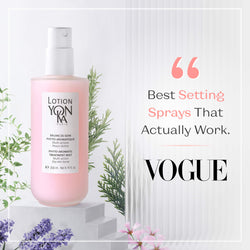
The "mist" step is often overlooked, but it is critical for enhancing product absorption. After cleansing, apply a generous amount of Lotion Yon-Ka PS. This alcohol-free, phyto-aromatic mist is enriched with our signature Quintessence. For dry skin, the "PS" version includes added humectants to begin the hydration process immediately. Mist the face and neck, and while the skin is still damp, move to the next step to lock in that moisture.
Step 3: Target with Specialized Serums and Boosters
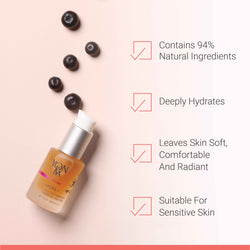
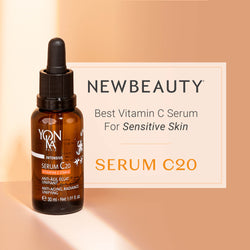
Serums allow you to deliver concentrated active ingredients to the deeper layers of the skin. If your dryness is accompanied by a lack of radiance, Serum C20 provides stable Vitamin C to brighten the appearance of the skin while supporting its natural defenses. For those whose skin feels truly depleted of oil, adding a few drops of Nutri+ Booster to your moisturizer can provide an extra infusion of nourishing plant oils and antioxidants.
Step 4: Deeply Moisturize and Protect
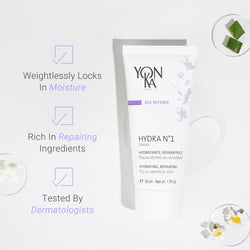
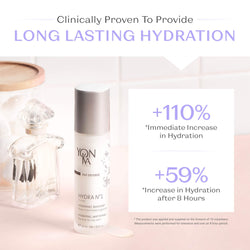
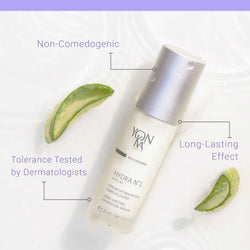
The final step is to seal everything in with a high-quality cream. Our Hydra N°1 Crème is specifically designed for very dry and sensitive skin. It utilizes two forms of hyaluronic acid alongside skin-repairing shea butter and hazelnut oil. This creates a protective "second skin" that prevents water from evaporating throughout the day. In the evening, you might opt for a slightly richer treatment like Serum Omega, an oil-in-serum that focuses on lipid restoration while you sleep.
Key Ingredients to Look For
Hyaluronic acid is a gold standard for addressing the appearance of fine lines caused by dryness. This molecule can hold up to 1,000 times its weight in water, acting as a moisture magnet. When applied to the skin, it helps to "plump" the appearance of the surface, making it look smoother and more youthful. Look for products that utilize multiple molecular weights of hyaluronic acid to ensure both surface hydration and deeper support.
Plant-based lipids like Squalane and Shea Butter are essential for repairing the skin barrier. Unlike synthetic mineral oils, these botanical ingredients closely mimic the skin’s natural sebum. They fill in the gaps between skin cells, preventing moisture from escaping and protecting the skin from environmental irritants. Ingredients like grape seed oil and hazelnut oil, found in many of our formulas, provide essential fatty acids that keep the skin soft and resilient. To learn more about the science behind these formulas, visit Our Formulas.
The Yon-Ka Quintessence provides a unique, multi-functional benefit to dry skin. This exclusive complex of five essential oils—Lavender, Geranium, Rosemary, Cypress, and Thyme—works in synergy to balance the skin. While Lavender and Geranium soothe and calm the appearance of redness often associated with dryness, Rosemary and Cypress help to revitalize the look of the complexion, ensuring the skin doesn't just feel hydrated, but looks healthy and vibrant. You can also learn about our ingredients for a deeper look at this approach.
Key Takeaway: Effective dry skin care relies on the "damp skin" rule—applying mists and moisturizers to slightly wet skin significantly increases the absorption and efficacy of the ingredients.
Common Mistakes That Worsen Dryness
Over-exfoliating is one of the most common errors when trying to manage dry skin. When the skin looks flaky, the instinct is often to scrub those flakes away. However, physical scrubs with harsh grains can create micro-tears in an already weakened barrier, leading to more dryness and inflammation. Instead, choose a grain-free exfoliator like Gommage Yon-Ka. This botanical peel gently lifts away dead skin cells without friction, using carob and white nettle to brighten and smooth the appearance of the skin.
Neglecting the eye area can lead to premature aging signs. The skin around the eyes is significantly thinner and has fewer oil glands than the rest of the face. This makes it the first place to show "crepiness" and fine lines when dry. Using a targeted treatment like Phyto-Contour can help address the look of puffiness and dark circles while providing the specific hydration that this delicate area requires.
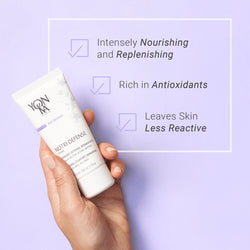
Ignoring the importance of sun protection is another frequent oversight. UV damage compromises the skin's ability to hold onto moisture and speeds up the breakdown of collagen and elastin. Even if your skin feels dry, it still needs daily protection. Choose a moisturizer with built-in antioxidants, like Vital Defense, to shield the skin from both environmental pollutants and the drying effects of the sun. For a dedicated sun step, explore the sun care collection.
Lifestyle Adjustments for Lasting Comfort
Your internal environment is just as important as the products you apply topically. Drinking adequate water throughout the day ensures that your body has the hydration it needs to support all biological functions, including skin cell turnover. Additionally, incorporating healthy fats into your diet—such as those found in avocados, walnuts, and flaxseeds—provides the internal building blocks for a healthy lipid barrier.
Controlling your immediate atmosphere can make a visible difference in your skin’s comfort. If you live in a dry climate or use indoor heating, consider running a humidifier in your bedroom at night. This adds moisture back into the air, preventing it from being drawn out of your skin while you sleep. Additionally, try to limit your showers to ten minutes or less and keep the water at a comfortable lukewarm temperature.
Note: When introducing new botanical products, we recommend a simple patch test. Apply a small amount of the product to your inner forearm and wait 24 hours to ensure your skin thrives with the new ingredients.
Myth vs. Fact
Myth: Drinking more water will automatically cure dry skin.
Fact: While hydration is essential, "dry skin" is often a lack of oil, not just water. You can drink gallons of water, but if your skin barrier is compromised and lacks lipids, that moisture will simply evaporate. You must address the barrier topically with oils and creams.
Myth: Oils are only for people with extremely dry skin.
Fact: Almost every skin type can benefit from the right plant oils. Oils provide essential fatty acids that help strengthen the skin’s defenses. The key is finding the right blend and weight for your specific needs.
When to See a Professional
While most cases of dry skin can be managed with a consistent ritual, some situations require expert intervention. If your skin is persistently red, inflamed, or shows signs of cracking and bleeding, it is important to consult a dermatologist. Conditions such as eczema, psoriasis, or seborrheic dermatitis often mimic simple dryness but require specialized medical care.
For a professional boost in hydration, visiting a Yon-Ka partner spa can provide transformative results. Our professional treatments, such as the "Le Grand Classique" or specialized "Hydralessence" facials, utilize professional-strength versions of our products and specific massage techniques to deeply infuse the skin with moisture. A licensed esthetician can also provide a thorough skin analysis to help you fine-tune your home care routine. You can explore our spa treatments to see how a professional ritual complements home care.
Conclusion
Managing dry skin on the face is a journey of restoration and protection. By moving away from aggressive "hacks" and embracing a consistent, botanical-rich ritual, you provide your skin with the tools it needs to maintain its own health. Whether it is through the gentle touch of a cleansing milk or the revitalizing mist of our signature lotion, every step in your routine should be an act of nourishment. At Yon-Ka Paris, we remain committed to the belief that skincare is a ritual worth savoring, built on the transformative power of plants and over 70 years of phyto-aromatic expertise. To find the perfect products for your unique complexion, we invite you to explore our story and use our specialized collections for dry and dehydrated skin.
FAQ
Can I use a face oil if I also have occasional breakouts?
Yes, many plant-based oils are non-comedogenic and can actually help balance your skin's natural oil production. The key is to choose high-quality, botanical oils that provide essential fatty acids without clogging pores, such as those found in our specialized boosters.
How often should I exfoliate if my skin is very dry?
If your skin is very dry or sensitive, limit exfoliation to once a week or once every two weeks. Always use a gentle, grain-free exfoliator like Gommage Yon-Ka to avoid irritating the skin barrier, and always follow up with a hydrating mask or rich moisturizer.
Is there a difference between a night cream and a day cream for dry skin?
Day creams like Vital Defense focus on hydration and protection against environmental stressors, while night creams like Elastine Nuit are often richer and focused on the skin's natural repair cycle. Using a dedicated night treatment allows you to provide more intense lipid replenishment without worrying about how it sits under makeup.
Why does my skin feel tight even after I apply moisturizer?
This often happens if you are applying moisturizer to completely dry skin or if the moisturizer lacks enough "occlusive" ingredients to lock the water in. Try misting with Lotion Yon-Ka PS first and applying your cream while your skin is still damp to improve moisture retention.