Table of Contents
- Introduction
- Understanding the Biology of Dry Face Skin
- Is Your Skin Dry or Dehydrated?
- Common Triggers for Facial Dryness
- The Essential Ritual for Dry Face Skin
- Weekly Self-Care: The Hydration Mask
- Lifestyle Habits to Support Your Skin
- The Role of Essential Oils and Phyto-Aromatics
- When to See a Professional
- Comparison: Ingredients to Seek vs. Ingredients to Avoid
- The Yon-Ka Philosophy of Skin Health
- Conclusion
- FAQ
Introduction
Waking up to a complexion that feels tight, looks flaky, or lacks its natural glow can be a frustrating start to the day. That uncomfortable sensation of "too-small skin" is more than just a minor annoyance; it is a signal from your skin barrier that it needs more support. Whether your dryness is a seasonal visitor during the winter months or a year-round companion, finding relief requires moving beyond temporary fixes to a consistent, nourishing ritual. At Yon-Ka Paris, we believe that restoring the appearance of dry skin is an art form rooted in botanical science and professional expertise. In this guide, we will explore the underlying causes of facial dryness, the difference between dry and dehydrated skin, and a step-by-step phyto-aromatic routine designed to bring comfort, suppleness, and a healthy-looking radiance back to your face.
Understanding the Biology of Dry Face Skin
To know how to address dry skin, we first have to understand what it actually is. In the world of skincare education, we distinguish between a skin type and a skin condition. Dry skin is typically a skin type, meaning your sebaceous glands produce less oil (sebum) than normal. Sebum is essential because it forms part of the hydrolipidic film—a protective layer on the skin's surface that locks in moisture and keeps environmental stressors out.
When this oil production is low, the skin barrier becomes "leaky." This leads to something called Transepidermal Water Loss (TEWL), where moisture evaporates from your skin into the air. Without enough lipids to glue your skin cells together, the surface becomes rough, scaly, and more prone to the appearance of fine lines.
Quick Answer: If you have dry face skin, the most effective approach is to use a gentle, non-foaming cleanser, apply a hydrating mist to damp skin, and layer lipid-rich moisturizers containing botanical oils and hyaluronic acid to repair the moisture barrier.
Is Your Skin Dry or Dehydrated?
It is a common misconception that "dry" and "dehydrated" are the same thing. However, treating them correctly requires knowing the difference.
- Dry Skin (Skin Type): Lacks oil. It often feels rough all over, looks flaky, and has very small pores. It is a persistent state that usually requires oil-based products to feel comfortable.
- Dehydrated Skin (Skin Condition): Lacks water. This can happen to any skin type, including oily skin. It often feels tight but might still look shiny or experience breakouts. It usually results from lifestyle factors like caffeine, weather, or harsh products.
Most people with dry skin also experience dehydration because the lack of oil makes it harder for the skin to hold onto water. Our approach at Yon-Ka focuses on addressing both needs—replenishing essential lipids while deeply infusing the skin with moisture.
Common Triggers for Facial Dryness
While genetics play a major role in having a dry skin type, several external and internal factors can exacerbate the feeling of dryness on your face.
Environmental Stressors
The air around us has a profound impact on our skin. Cold, wintry air typically holds less humidity, which acts like a vacuum, pulling moisture out of your face. Conversely, indoor heating and air conditioning create a controlled but very dry environment that can leave the skin feeling parched by midday.
Water Temperature and Cleansing Habits
It is tempting to linger under a steaming hot shower, but hot water is one of the primary enemies of a healthy skin barrier. High temperatures strip away the natural oils your skin worked hard to produce. Additionally, using "squeaky clean" foaming cleansers or harsh soaps can disrupt the skin's pH, leading to further irritation and flaking.
The Aging Process
As we mature, our skin naturally produces less sebum and fewer moisture-binding molecules like hyaluronic acid. This is why many people find their skin becoming drier in their 40s and 50s. Transitioning to more intensive, lipid-restoring formulas from the anti-aging collection or the dry & dehydrated skin collection can help support the skin during these transitions.
The Essential Ritual for Dry Face Skin
Restoring dry skin isn’t about a single "miracle" product; it’s about a layered ritual that respects and reinforces the skin barrier. We recommend a consistent morning and evening routine to maintain the appearance of soft, supple skin.
Step 1: Gentle Cleansing with Lait Nettoyant
If you have dry skin, the "cleanse" step should feel more like a treatment than a chore. Avoid foaming gels that can leave the skin feeling tight. Instead, we recommend a creamy cleansing milk like Lait Nettoyant.
This formula is designed to remove makeup and impurities while respecting the hydrolipidic film. Because it contains cleansing agents derived from plants and nourishing ingredients, it leaves the skin feeling silky and comfortable. Apply it with your fingertips in gentle circular motions, then rinse with lukewarm—never hot—water.
Step 2: Prepare and Hydrate with Lotion Yon-Ka PS
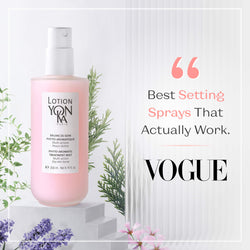
After cleansing, the skin needs to be rebalanced and prepared to absorb the treatments that follow. This is where our iconic Lotion Yon-Ka PS (formulated specifically for dry skin) comes in. This is not a traditional drying toner; it is a phyto-aromatic healing mist.
Our signature Quintessence—a blend of lavender, geranium, rosemary, cypress, and thyme essential oils—works to revitalize the skin's appearance. By misting the face while it is still slightly damp, you help "trap" that hydration, making your subsequent serums and creams more effective.
Step 3: Targeted Treatment with our serums
For dry skin that needs an extra "drink," a targeted serum provides a concentrated dose of active ingredients.
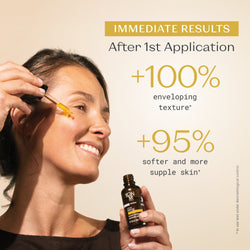
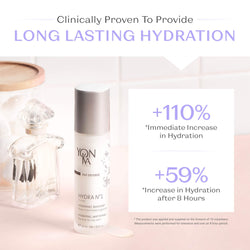
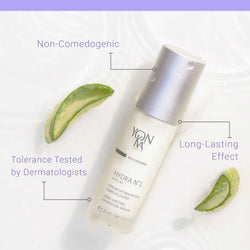
- Hydra n°1 Serum: A high-performance fluid designed for intense, long-lasting hydration. It uses different molecular weights of hyaluronic acid to reach different layers of the skin's surface.
- Serum Omega: If your skin feels particularly thin or fragile, this oil-in-serum provides essential fatty acids (Omegas 3, 6, and 9) to help repair the look of a damaged barrier.
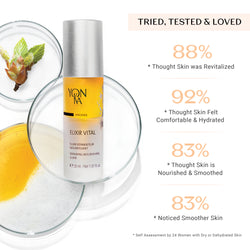
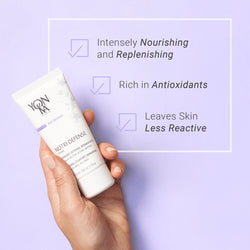
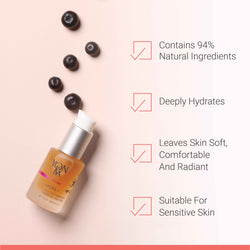
- Nutri + Booster: For those days when your standard moisturizer isn't enough, adding a few drops of this antioxidant-rich oil can provide the extra nourishment dry skin craves.
Step 4: Lock It in with Hydra n°1 Crème
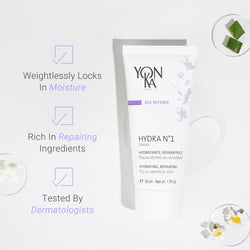
The final step in your ritual is to apply a moisturizer that acts as a protective shield. For very dry skin, Hydra n°1 Crème is an excellent choice. It is enriched with shea butter and hazelnut oil to provide immediate comfort and long-term repair for the skin's appearance.
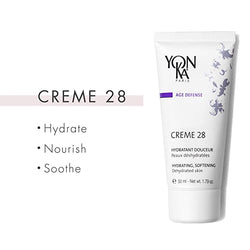
For mature skin experiencing dryness, you might look toward Time Resist Jour or Excellence Code Crème, which address both lipid loss and the visible signs of aging like wrinkles and loss of firmness.
Key Takeaway: Dry skin thrives on layering. Always apply your products from thinnest to thickest consistency (Mist > Serum > Cream) to ensure the skin can absorb each layer effectively.
Weekly Self-Care: The Hydration Mask
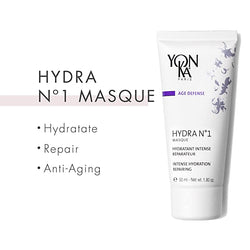
A weekly mask is like a professional spa treatment in the comfort of your home. When your face feels exceptionally dry or has visible dry patches, we recommend Hydra n°1 Masque.
This gel-cream mask can be applied in a thick layer for 10 to 15 minutes, or for a deeper treatment, it can be applied in a thin layer and left on overnight. This "slugging" effect—using a thick layer of moisture to prevent TEWL—can help you wake up with a visibly plumped and refreshed complexion. For more options, explore our face mask collection.
Lifestyle Habits to Support Your Skin
What you do outside of your bathroom also determines how your skin behaves. A few simple adjustments to your daily habits can make a significant difference in the appearance of dryness.
- Use a Humidifier: Especially during the winter or if you live in a desert climate, a humidifier adds moisture back into the indoor air, preventing your skin from acting as the source of humidity for the room.
- Stay Hydrated from Within: While drinking water doesn't "cure" dry skin (which lacks oil), staying hydrated supports overall skin cell health and can help improve the look of dehydrated skin.
- Mind the Fabric: Rough fabrics like wool can irritate dry, sensitive skin. Opt for soft, breathable cotton or silk, especially for your pillowcases.
- Shorter, Cooler Showers: Limit your showers to 5-10 minutes and keep the water at a tepid or warm temperature. Apply your moisturizer within three minutes of exiting the shower to lock in the residual dampness.
The Role of Essential Oils and Phyto-Aromatics
Our heritage is rooted in the power of plants. Essential oils are not just for scent; they are active botanical powerhouses. For dry skin, certain oils like lavender and geranium are particularly beneficial because they help soothe the appearance of redness and support skin renewal. If you want to learn more about the broader philosophy behind our approach, visit our formulas.
Note: Because our formulas contain active essential oils and botanical extracts, we always recommend a simple patch test when introducing a new product. Apply a small amount to your inner forearm and wait 24 hours to ensure your skin welcomes the new botanical ingredients. A slight, brief tingling sensation can be normal as the actives begin to work, but persistent redness means you should reduce frequency.
When to See a Professional
While most cases of dry facial skin can be managed with a dedicated botanical ritual, there are times when expert intervention is necessary. If your skin is persistently cracked, bleeding, extremely itchy, or if you suspect you may have a condition like eczema or psoriasis, it is important to consult a dermatologist.
For those looking to take their hydration to the next level, a professional facial can provide deep exfoliation and moisture infusion that is hard to replicate at home. You can find a certified professional near you by using our Spa Locator to experience a customized Yon-Ka treatment.
Comparison: Ingredients to Seek vs. Ingredients to Avoid
When shopping for products to help your dry face skin, reading labels is key. Not all "moisturizing" products are created equal.
| Seek These Ingredients | Avoid These Ingredients |
|---|---|
| Hyaluronic Acid: Attracts and holds water in the skin. | High Concentrations of Alcohol: Can strip away vital lipids. |
| Shea Butter & Jojoba Oil: Mimic the skin's natural sebum. | Strong Synthetic Fragrances: May irritate a compromised barrier. |
| Ceramides: The "glue" that holds skin cells together. | Sodium Lauryl Sulfate (SLS): A harsh surfactant that dries skin. |
| Glycerin: A humectant that draws moisture into the surface. | Harsh Physical Scrubs: Can cause micro-tears in dry skin. |
The Yon-Ka Philosophy of Skin Health
At Yon-Ka Paris, our approach to dry skin is never about a quick fix. It is about a 70-year legacy of pharmaceutical rigor and botanical passion. We believe that when you treat your skin with respect—using ingredients that align with its natural biology—it responds with a radiance that no synthetic product can truly replicate.
Our formulas average 92% ingredients of natural origin and are crafted in France with the highest standards of quality. By choosing a phyto-aromatic ritual, you are not just moisturizing your face; you are engaging in a sensorial experience that calms the mind and revitalizes the skin.
Conclusion
Addressing dry face skin is a journey of consistency and nourishment. By swapping harsh cleansers for gentle milks, embracing the power of aromatic mists like Lotion Yon-Ka, and layering lipid-rich creams, you can transform a tight, dull complexion into one that looks vibrant and feels comfortable. Remember that your skin is a living organ that reflects both your internal health and your external environment.
"Skincare is a ritual worth savoring, a daily moment of connection between the power of nature and the health of your skin."
If you are unsure which specific products are right for your unique needs, we invite you to take our Skin Diagnosis quiz. Our goal is to help you find the perfect botanical partners for your skin's journey. Explore our collections and discover the transformative power of 70 years of French phyto-aromatic expertise.
FAQ
How can I get rid of dry patches on my face quickly?
For immediate relief of dry patches, gently exfoliate with a non-grain scrub like Gommage Yon-Ka to remove dead skin cells, then apply a thick layer of a hydrating mask like Hydra n°1 Masque. Leaving this mask on overnight can significantly improve the appearance of smooth, hydrated skin by morning.
Does drinking water help with dry skin?
While staying hydrated is essential for overall health, drinking water primarily helps with dehydrated skin (lack of water) rather than dry skin (lack of oil). To truly address a dry skin type, you must use topical products containing lipids like plant oils and butters to repair the skin's surface barrier.
Why is my face still dry even after I moisturize?
If your face remains dry after moisturizing, you may be using a product that isn't rich enough in lipids, or you may have a buildup of dead skin cells preventing absorption. Try layering a face oil or booster like Nutri + under your cream and ensure you are exfoliating gently once or twice a week. If you are looking for more targeted options, our face moisturizers can help you compare textures and benefits.
What is the best time of day to treat dry skin?
While you should moisturize both morning and night, the evening is the most critical time for treating dry skin. During sleep, your skin's repair processes are most active, making it the perfect opportunity to use richer creams or overnight masks that provide long-lasting nourishment. For extra support, browse the face exfoliator collection and Hydra n°1 Serum for a more complete nightly ritual.