Table of Contents
- Introduction
- Understanding the Nature of Very Dry Skin
- The Foundations of a Ritual for Dry Skin
- Advanced Botanical Ingredients for Dry Skin
- Corrective Habits to Supplement Your Skincare
- The Nighttime Recovery Ritual
- When to Consult a Professional
- Conclusion
- FAQ
Introduction
The sensation of very dry face skin is more than a minor inconvenience; it is a persistent feeling of tightness, often accompanied by visible flakiness, rough texture, and a dull appearance that masks your natural radiance. When your skin feels parched, it is often a signal that its protective barrier has been compromised, leaving it vulnerable to environmental stressors and moisture loss. At Yon-Ka Paris, we believe that addressing extremely dry skin requires more than just a heavy cream; it demands a dedicated, phyto-aromatic ritual that respects the skin’s delicate ecosystem while delivering deep, lasting nourishment. This article explores the biological causes of chronic dryness and provides a professional-grade roadmap to restoring a supple, comfortable, and glowing complexion. By shifting from "quick fixes" to a consistent botanical program, you can transform the appearance of even the most depleted skin.
Understanding the Nature of Very Dry Skin
Before determining what to do for very dry face skin, it is essential to distinguish between skin that is "dry" and skin that is "dehydrated." While these terms are often used interchangeably, they represent two different physiological states.
Dry skin is a skin type characterized by a lack of oil (sebum). Your skin naturally produces lipids to lubricate the surface and create a seal that prevents moisture from escaping. When sebum production is low, the skin becomes rough, scaly, and prone to premature signs of aging.
Dehydrated skin, on the other hand, is a temporary condition where the skin lacks water. Even oily skin can become dehydrated due to environmental factors, harsh products, or poor lifestyle habits. Very dry skin often suffers from both—a lack of protective oils and a critical shortage of water.
The Role of the Skin Barrier
The skin barrier, or the acid mantle, is your body's first line of defense. Think of it as a "brick and mortar" structure where the skin cells are the bricks and a complex blend of lipids (ceramides, cholesterol, and fatty acids) is the mortar. When this mortar is depleted, "cracks" appear in the barrier. This leads to two major issues:
- Transepidermal Water Loss (TEWL): Moisture from the deeper layers of the skin evaporates into the air.
- Increased Sensitivity: Irritants, pollutants, and bacteria can penetrate the skin more easily, leading to redness and discomfort.
Common Triggers for Extreme Dryness
- Aging: As we mature, our sebaceous glands become less active. By the time we reach our 40s and 50s, the natural oil production that kept our skin supple in our youth significantly decreases.
- Environmental Factors: Cold winter air, low humidity, and indoor heating strip moisture from the epidermis. Conversely, excessive sun exposure can damage the barrier and lead to chronic dryness.
- Harsh Cleansing: Using high-pH soaps or foaming cleansers with sulfates can "strip" the skin’s natural oils, leaving it feeling tight and "squeaky clean," which is actually a sign of damage.
- Lifestyle Choices: Long, hot showers might feel relaxing, but hot water dissolves the protective lipids on the skin's surface.
The Foundations of a Ritual for Dry Skin
Addressing very dry skin is not about finding one "miracle" product; it is about building a layered ritual that addresses both oil and water deficiencies. Our approach centers on gentle, barrier-respecting steps that prepare, treat, and protect the skin. For a broader overview of the category, start with our face moisturizers collection.
Step 1: Barrier-Respecting Cleansing
The most common mistake those with dry skin make is using a cleanser that is too aggressive. If your skin feels tight immediately after washing, your cleanser is likely the culprit.
Instead of foaming gels, opt for a milk-based cleanser like Lait Nettoyant. This gentle cleansing milk removes makeup and impurities while maintaining the skin’s natural pH and lipid balance. Because it is enriched with plant-based cleansing agents and soothing ingredients, it leaves the skin feeling soft and hydrated rather than stripped.
Step 2: The Power of Phyto-Aromatic Misting
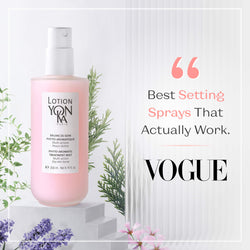
In a traditional routine, toner is often viewed as an optional step to remove leftover dirt. In the Yon-Ka ritual, our mist—Lotion Yon-Ka PS—is a vital treatment step. This alcohol-free mist is infused with our signature Quintessence.
The Quintessence: A proprietary complex of five essential oils—lavender, geranium, rosemary, cypress, and thyme. This 100% natural and active blend provides a sensory experience while supporting the skin's natural functions.
For very dry skin, Lotion Yon-Ka PS rehydrates the upper layers of the epidermis and prepares the skin to better absorb the serums and moisturizers that follow. It acts as a "delivery vehicle," ensuring that your subsequent products are more effective.
Step 3: Targeted Lipid and Water Replacement
Once the skin is cleansed and misted, it is time to apply targeted treatments. This is where you address the specific lack of oils or water. If you want to explore the category, our serums and elixirs collection is a useful next stop.
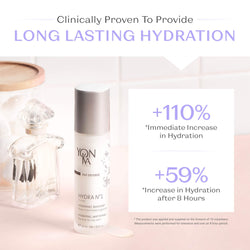
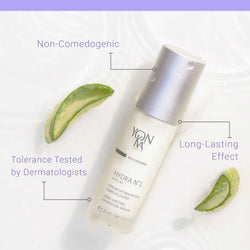
- For Dehydration (Water Loss): A serum rich in hyaluronic acid is essential. Hyaluronic acid is a humectant, meaning it can hold up to 1,000 times its weight in water. Hydra N°1 Serum is designed to provide long-lasting hydration by pulling moisture into the deeper layers of the skin.
- For Dryness (Oil Loss): If your skin feels rough and lacks elasticity, it needs lipids. Serum Omega is an oil-in-serum formula that provides essential fatty acids (Omega 3, 6, and 9). These lipids help "repair the mortar" of your skin barrier, restoring suppleness and preventing further moisture loss.
Step 4: Intensive Moisturization
The moisturizer is your protective seal. For very dry skin, a lightweight lotion is rarely enough. You need a rich, emollient cream that provides both comfort and a physical barrier against the environment.
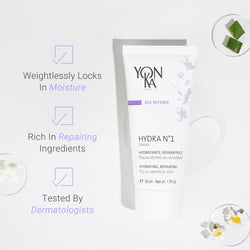
Hydra N°1 Crème is specifically formulated for very dry skin. It combines hyaluronic acid with nourishing shea butter, hazelnut oil, and grape seed oil. This combination provides a "cocooning" effect that lasts throughout the day. For those who need an extra boost of nourishment, adding a few drops of Nutri+ Booster to your cream can customize the level of richness, providing the skin with extra vitamins and antioxidants.
Advanced Botanical Ingredients for Dry Skin
When looking for what to do for very dry face skin, it helps to understand the ingredients that actually make a difference. Botanical science offers some of the most potent solutions for skin repair. To learn more about the formulation approach behind these products, visit Our Formulas.
Hyaluronic Acid (The Moisture Magnet)
As mentioned, this molecule is found naturally in our skin but decreases with age. In skincare, it is often used in different molecular weights. Low molecular weight hyaluronic acid penetrates deeper for long-term hydration, while high molecular weight stays on the surface to smooth and plump the look of fine lines.
Shea Butter and Plant Oils
Ingredients like shea butter, avocado oil, and jojoba oil are biomimetic, meaning they mimic the natural oils produced by our skin. They are highly effective at smoothing the appearance of flaky patches and restoring a velvety texture.
Essential Oils for Soothing
While some may fear essential oils, the right blend used with pharmaceutical rigor can be incredibly beneficial. Lavender and geranium, found in our Quintessence, have been used for centuries for their ability to soothe the appearance of redness and support skin revitalization.
Note: When introducing products containing essential oils, we always recommend a brief patch test on the inner forearm for 24 hours to ensure compatibility. Introduce one new product at a time to monitor how your skin responds.
Corrective Habits to Supplement Your Skincare
No matter how high-quality your products are, your daily habits can either support or undermine your results. To truly manage very dry face skin, consider these lifestyle adjustments. If you are unsure which products fit your skin best, you can also take our Skin Diagnosis quiz.
Master the "Damp Skin" Technique
Never apply your serums or moisturizers to bone-dry skin. When your skin is slightly damp from your mist, it is more permeable. Applying your oils and creams over a damp surface helps "trap" that extra hydration, leading to a much more plump and dewy appearance.
Re-evaluate Your Exfoliation
It is a common myth that you should "scrub away" dry flakes. Aggressive physical scrubs with large grains can create micro-tears in an already fragile barrier, leading to more inflammation and dryness.
Instead, use a non-grain exfoliant like Gommage Yon-Ka. This 4-in-1 botanical peel uses carob and lime to gently lift away dead skin cells without friction. It is so gentle it can even be used on the eyelids to smooth the appearance of crepey skin.
Optimize Your Environment
Indoor heating is a notorious "moisture thief." If you spend a lot of time in an office or sleep with the heat on, consider using a humidifier. Maintaining an indoor humidity level of around 40-60% helps prevent the air from pulling moisture out of your face.
Adjust Your Water Temperature
We cannot emphasize this enough: wash your face with lukewarm or cool water. Hot water acts as a degreaser, stripping away the very lipids you are trying to replace.
The Nighttime Recovery Ritual
Nighttime is when the skin focuses on repair. While you sleep, the skin's permeability increases, making it the perfect time to use richer, more intensive treatments. For a deeper look at overnight hydration, read Product Spotlight: Hydra No. 1 Cream.
For those with very dry skin that also shows signs of aging, Elastine Nuit can be beneficial. It helps to smooth the look of first wrinkles while providing a nourishing base. If you are dealing with extreme dullness and texture, a resurfacing mask can be used as an overnight treatment. It contains glycolic acid to gently resurface the skin while you sleep, but because it is formulated with a soothing base, it respects the needs of drier skin types.
Key Takeaway: The goal for very dry skin is to move from a state of "defense" to "revitalization." By consistently providing the skin with both lipids (oil) and humectants (water), you repair the barrier so the skin can finally hold onto the nutrition you provide.
When to Consult a Professional
While most cases of dry face skin can be managed with a dedicated botanical ritual, sometimes skin concerns require a deeper look. If your skin is:
- Consistently cracked, bleeding, or showing signs of infection.
- Intensely itchy and preventing you from sleeping.
- Presenting with thick, silvery scales or persistent red patches that do not respond to moisturizing.
In these cases, we recommend consulting a dermatologist or a physician to rule out medical conditions such as eczema or psoriasis. For those looking for a professional-level boost to their home care, visiting a Yon-Ka partner spa can offer transformative results. A professional esthetician can perform personalized treatments and skin analysis to support your at-home ritual. Use our Spa Locator to find an authorized professional near you.
Conclusion
Determining what to do for very dry face skin is an invitation to slow down and embrace the art of the skincare ritual. By moving away from harsh ingredients and focusing on the restorative power of phyto-aromatic ingredients, you can rebuild your skin's resilience. Consistent use of a gentle cleanser like Lait Nettoyant, the hydrating power of Hydra N°1 Serum, and the protective seal of a rich cream will gradually restore the suppleness and comfort your skin deserves.
Remember that skincare is a journey of consistency. Results are built over time through the cumulative effect of high-quality botanicals and barrier-respecting habits. If you are unsure which products are right for your specific concerns, we encourage you to explore our brand story and use the Product Matcher on our website. At Yon-Ka Paris, our 70-year heritage is rooted in the belief that true beauty emerges when the skin is in perfect balance—supported by the finest elements of nature and the rigor of French science.
"A skincare ritual is not just about maintenance; it is a moment of self-care that connects your well-being with the health of your skin."
FAQ
Can I use retinol if I have very dry skin?
Yes, but you must be cautious. Retinol can increase dryness and flaking, so it is best to "buffer" it by applying a moisturizer like Hydra N°1 Crème first, or by using it only twice a week initially. Always pair retinol with a high-quality hydrating serum to maintain your barrier's integrity.
Is it possible for oily skin to feel very dry?
This is usually a sign of dehydration (lack of water) rather than true dryness (lack of oil). If your skin feels tight but looks shiny, focus on lightweight humectants like hyaluronic acid in Hydra N°1 Fluid rather than heavy oils, which may clog your pores.
How often should I moisturize very dry skin?
You should moisturize at least twice a day—morning and night. However, if you live in a very cold or dry climate, you may find it helpful to re-apply a mist like Lotion Yon-Ka and a light layer of moisturizer or a booster like Nutri+ mid-day to keep the skin protected.
Why does my skin still feel dry after applying moisturizer?
This often happens if you have a buildup of dead skin cells preventing the moisturizer from penetrating. Ensure you are exfoliating gently once or twice a week with Gommage Yon-Ka. Additionally, you may need a more "occlusive" moisturizer that contains ingredients like shea butter or plant waxes to prevent moisture from evaporating.