Table of Contents
- Introduction
- Why Winter Air Challenges Your Complexion
- The Foundation of a Winter Skincare Ritual
- Selecting the Right Winter Moisturizer
- Elevating Your Routine with Boosters and Oils
- Targeted Care for Sensitive Areas
- Professional Strategies to Combat Winter Dryness
- Internal Hydration and Nutrition
- When to See a Professional
- Summary Checklist for Winter Skin Care
- Conclusion
- FAQ
Introduction
When the first frost hits and the thermostat climbs, your skin is often the first to feel the change. That familiar sensation of winter tightness—the slight pull across your cheeks and the rough texture around your nose—is more than just a seasonal nuisance; it is your skin’s way of signaling that its protective barrier is under stress. At Yon-Ka Paris, we view the winter months not as a season to endure, but as an opportunity to refine your self-care ritual with deeply nourishing, botanical ingredients. This transition requires moving away from light, summer fluids toward richer, lipid-restoring formulas that act as a second skin against the elements. In this article, we will explore why winter air is so taxing on the complexion and provide a professional roadmap for what to do for dry skin on face in winter to maintain a radiant, supple glow.
Quick Answer: To address winter dryness, switch to a creamy, non-foaming cleanser, incorporate a hydrating mist to enhance absorption, and layer a lipid-rich booster into a thick, emollient moisturizer. Protecting the skin barrier with humectants like hyaluronic acid and occlusives like shea butter is essential for preventing moisture evaporation.
Why Winter Air Challenges Your Complexion
Understanding what to do for dry skin on face in winter begins with understanding the environment. The skin’s outermost layer, the stratum corneum, functions like a brick-and-mortar wall. The "bricks" are your skin cells (corneocytes), and the "mortar" is a complex blend of lipids, ceramides, and fatty acids that hold everything together. This barrier’s primary job is to keep hydration in and environmental irritants out.
Winter creates a "perfect storm" for barrier disruption. Outdoors, the humidity levels plummet, and cold winds physically whip moisture away from the surface. Indoors, central heating creates a desert-like environment with virtually zero humidity. This process, known as Trans-Epidermal Water Loss (TEWL), causes water to evaporate from your skin into the thirsty air. When the "mortar" in your skin barrier becomes depleted due to these factors, the "bricks" begin to flake, leading to the itching, redness, and dullness we associate with winter skin.
Furthermore, cold temperatures cause our pores to constrict and blood circulation to slow. This decrease in circulation means fewer nutrients and less oxygen reach the skin’s surface, which can stall the natural repair process. Our goal during the colder months is to manually replenish what the environment takes away.
The Foundation of a Winter Skincare Ritual
A seasonal shift in your skincare is not about adding more products for the sake of it; it is about choosing more efficient, barrier-respecting formulas. At Yon-Ka, we believe in a tiered approach that respects the skin’s delicate ecosystem while providing high-performance botanical actives.
Gentle Cleansing Without Depletion
The most common mistake people make when addressing dry winter skin is continuing to use high-foam or exfoliating cleansers. These formulas often contain surfactants that can strip away the very lipids your skin is struggling to hold onto.
Instead, look for a cleansing milk like Lait Nettoyant. This professional-grade formula cleanses and removes makeup while respecting the hydrolipidic film. Because it is enriched with gentle cleansing agents and softening plant extracts, it leaves the skin feeling silky rather than "squeaky clean," which is a sign of a compromised barrier.
The Power of the Phyto-Aromatic Mist
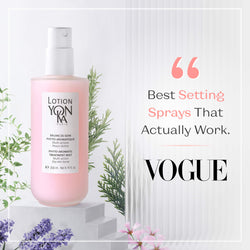
In our ritual, the toning step is never an afterthought. Using a mist like Lotion Yon-Ka PS is vital in winter because it prepares the skin to receive subsequent treatments. When skin is dry, it becomes less permeable—think of a dry sponge that cannot absorb water until it is slightly dampened.
Our signature mist, infused with the Quintessence—our exclusive complex of lavender, geranium, rosemary, cypress, and thyme—reinvigorates the skin and enhances the effectiveness of your serums and creams. For dry skin, Lotion Yon-Ka PS provides an immediate soothing sensation while rebalancing the skin's pH.
Layering for Longevity
Winter skin thrives on "layering." Rather than relying on a single heavy cream, we recommend applying a targeted serum first. A formula containing hyaluronic acid, such as Serum Omega, acts as a moisture magnet. Hyaluronic acid is a humectant, a type of ingredient that can hold up to 1,000 times its weight in water, pulling hydration into the deeper layers of the epidermis.
Key Takeaway: Winter skin requires a "lipid-plus-moisture" approach. By layering a humectant-rich serum under an emollient-rich cream, you create a reservoir of hydration that is sealed in against the dry indoor air.
Selecting the Right Winter Moisturizer
When selecting a moisturizer for the winter, look for the term "emollient." While lotions are primarily water-based and evaporate quickly, creams and balms contain a higher concentration of oils and fats that smooth the skin's surface and fill in the gaps between flaky cells.
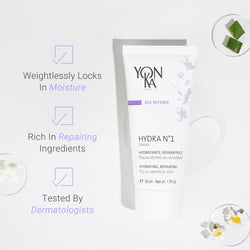
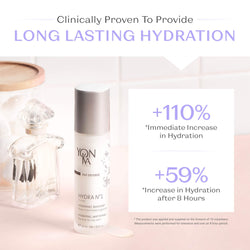
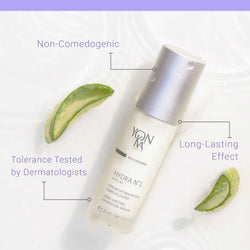
For intense winter dryness, Hydra n°1 Crème is an essential ally. This repairing moisturizer is formulated with two forms of hyaluronic acid, aloe vera, and shea butter. Shea butter acts as an occlusive, meaning it creates a thin, breathable film on the surface of the skin to physically block water from escaping.
If you are noticing the first signs of fine lines becoming more prominent in the cold—a common side effect of dehydration—Time Resist Treatment can provide the necessary structural support. These formulas use plant-based stem cells and youth-activating ingredients to plump the appearance of the skin while providing the rich texture needed for cold-weather protection.
Elevating Your Routine with Boosters and Oils
Sometimes, even a heavy cream is not enough to combat the harshest winter winds. This is where "lipid restoration" becomes critical. Skin that is truly dry (lacking oil) as opposed to just dehydrated (lacking water) needs essential fatty acids to repair its barrier.
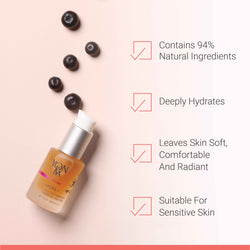
The Nutri+ Booster spotlight is a versatile oil-based treatment designed to be mixed directly into your favorite cream. It is rich in wheat germ oil and vitamin E, providing a concentrated dose of nutrition. For those who prefer a dedicated serum for lipid repair, Serum Omega provides a sophisticated blend of Omega 3, 6, and 9. These "good fats" are the building blocks of healthy skin, helping to soothe the appearance of redness and restore a velvety texture to the face.
Note: When introducing a new oil or active booster, we always recommend a patch test on your inner forearm for 24 hours. While our essential oils are 100% pure and active, every skin type is unique, and it is best to introduce one new product at a time to monitor your skin’s response.
Targeted Care for Sensitive Areas
The skin on certain parts of your face is thinner and has fewer sebaceous (oil) glands, making those areas more vulnerable to winter damage.
- The Eye Contour: The skin here is four times thinner than the rest of the face. Cold air can cause it to look crepey or dark. Phyto-Contour uses rosemary extracts to help reduce the look of puffiness and dark circles while firming the appearance of the delicate eye area.
- The Lips: Lips lack oil glands entirely and cannot produce their own protective film. Use a dedicated lip treatment frequently throughout the day and apply a thick layer before going to bed to prevent painful cracking.
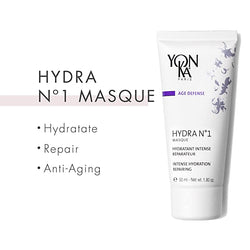
- The Cheeks: Often the most exposed to wind, the cheeks can develop "winter redness." Using a soothing cream like Hydra n°1 Masque as an overnight treatment once or twice a week can provide a "hydration bath" that calms the appearance of reactive skin.
Professional Strategies to Combat Winter Dryness
Beyond your daily ritual, several environmental and lifestyle factors play a significant role in your skin’s health during the winter months.
Manage the Moisture in Your Air
The most effective tool you can use at home—outside of your skincare—is a humidifier. By keeping the indoor humidity levels between 40% and 60%, you significantly reduce the amount of moisture your skin loses to the air. Place a unit in your bedroom to ensure your skin is recovering in a supportive environment while you sleep.
Watch the Water Temperature
While a hot shower feels incredible on a freezing day, it is one of the worst things for dry skin. Hot water dissolves the natural oils on your skin's surface much faster than lukewarm water. Limit your showers to ten minutes or less and always use lukewarm water when washing your face at the sink.
Don't Abandon Exfoliation
It is a myth that you should stop exfoliating in winter. Dead skin cells can pile up, preventing your expensive moisturizers from actually reaching the living layers of your skin. However, you must switch to a gentler method. Gommage Yon-Ka is a grain-free, botanical peel that gently lifts away dead skin without the friction of traditional scrubs. It is enriched with carob and lime essential oils to brighten and smooth the skin's appearance without causing irritation.
The Sun Still Shines
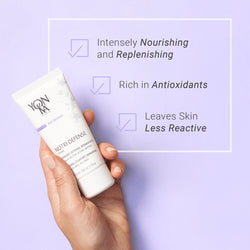
UV rays do not disappear when the temperature drops. In fact, snow can reflect up to 80% of UV radiation, effectively doubling your exposure. Maintaining daily sun protection is essential to prevent photoaging, which thins the skin and makes it even more susceptible to dryness over time. Use a day cream with antioxidant properties, such as Vital Defense, to protect against both pollution and environmental stressors.
Internal Hydration and Nutrition
"Hydrating from within" is often cited as a skincare tip, and while drinking water is vital for your organs, it is not a direct cure for dry skin. However, your diet can influence the quality of the "mortar" in your skin barrier.
Incorporating healthy fats—such as those found in avocados, walnuts, flaxseeds, and fatty fish like salmon—provides your body with the omega-3 fatty acids it needs to produce sebum and maintain a healthy skin barrier. These nutrients support the skin’s ability to remain elastic and resilient against the dry winter wind.
When to See a Professional
While seasonal dryness is common, persistent or painful skin changes may require medical attention. If you experience intense itching that interferes with sleep, bleeding fissures, or signs of a secondary infection (such as yellow crusting or extreme swelling), consult your physician or a dermatologist. They can help rule out underlying conditions like eczema, psoriasis, or hypothyroidism, which can be exacerbated by the winter climate.
For those looking for a "reset" for their winter skin, visiting a professional spa for a Yon-Ka treatment can be life-changing. Our estheticians use specialized techniques and professional-only formulas to infuse the skin with deep hydration that is difficult to achieve at home. You can find a nearby partner using our Spa Locator on the website.
Summary Checklist for Winter Skin Care
Bottom line: Success in winter skincare is found in consistency and the intentional layering of humectants and emollients to mimic the skin's natural barrier.
- Switch to a creamy, milk-based cleanser like Lait Nettoyant.
- Mist immediately after cleansing with Lotion Yon-Ka PS to lock in moisture.
- Layer a hyaluronic acid serum under your daily moisturizer.
- Boost your cream with a few drops of Serum Omega for extra lipids.
- Protect with SPF 30+ every morning, regardless of cloud cover.
- Humidify your sleeping environment to 45-50% moisture.
Conclusion
Navigating the cold months requires a shift from a "maintenance" mindset to a "nourishment" mindset. By choosing botanically-infused formulas that prioritize barrier health, you can enjoy the beauty of the season without the discomfort of dry, tight skin. Whether you are looking for the intense hydration of the Hydra n°1 Crème collection or the lipid-rich support of our targeted boosters, the right ritual will keep your complexion vibrant and protected.
If you are unsure which winter essentials are right for your unique skin type, we invite you to use our Skin Diagnosis quiz or the Product Matcher on our website. At Yon-Ka Paris, we remain committed to the belief that skincare is a ritual worth savoring, combining 70 years of French phyto-aromatic expertise with a profound respect for the skin’s natural rhythm.
"Skincare is not just a routine; it is an act of resilience and self-love that honors the skin you live in, every season of the year."
FAQ
Should I change my skincare products every winter?
While you don't need to replace your entire cabinet, you should swap light lotions for richer creams and switch to a more gentle, non-foaming cleanser. Adding a lipid-restoring booster or an oil-based serum can also provide the extra protection your skin needs against indoor heating and cold winds.
Is it okay to exfoliate my face if it’s dry and flaking?
Yes, but you must be very gentle. Removing dead skin cells allows your moisturizers to penetrate more effectively, but harsh physical scrubs can further damage a compromised winter barrier. Use a grain-free exfoliator like Gommage Yon-Ka once or twice a week to smooth the skin's appearance without irritation.
Why does my skin feel dry even when I drink lots of water?
Drinking water is essential for overall health, but it doesn't always translate directly to skin hydration if your skin barrier is "leaky." If your barrier is compromised by cold air and low humidity, the water inside your skin evaporates quickly (TEWL). You must use topical emollients and occlusives to physically trap that moisture inside your skin.
Can I use my summer sunscreen in the winter?
Absolutely, and you should. UV rays are present year-round and can even be intensified by reflection off of snow and ice. Continuing to wear at least SPF 30 every morning helps protect your skin barrier from thinning and aging, which in turn helps your skin stay more hydrated in the long run.