Table of Contents
- Introduction
- Understanding the Difference Between Dry and Dehydrated Skin
- Common Causes of Facial Dryness
- Essential Ingredients for Dry Skin
- The Morning Ritual: Protection and Hydration
- The Evening Ritual: Repair and Recovery
- Weekly Treatments for Enhanced Results
- Lifestyle Adjustments to Support Your Skin
- The Role of Professional Treatments
- Essential Oil Safety and Best Practices
- Selecting the Right Products for Your Concerns
- Conclusion
Introduction
The sensation of dry skin is more than just a cosmetic concern; it is a physical experience that often manifests as a persistent tightness, a rough texture, or a dullness that obscures your natural glow. When your complexion feels like it has lost its suppleness, the solution lies in moving away from harsh, quick-fix "hacks" and toward a consistent, barrier-respecting routine. At Yon-Ka Paris, we have spent 70 years refining the art of phyto-aromatic skincare to address the needs of even the most parched complexions. This guide explores the fundamental causes of facial dryness, the botanical ingredients that effectively support moisture retention, and a step-by-step ritual designed to restore a velvety, hydrated appearance. Understanding what to do for dry skin on face begins with recognizing that your skin is a living ecosystem in need of balance.
Understanding the Difference Between Dry and Dehydrated Skin
Before deciding on a treatment plan, it is essential to distinguish whether your skin is naturally "dry" or temporarily "dehydrated." While these terms are often used interchangeably, they represent two different physiological states that require distinct approaches.
Dry skin is a skin type characterized by a lack of oil (lipids). If you have a dry skin type, your sebaceous glands produce less sebum than normal. This leads to a compromised protective barrier, making the skin prone to flaking and sensitivity. This is often a genetic trait, though it can be exacerbated by aging and hormonal changes.
Dehydrated skin is a temporary condition that can affect any skin type—including oily or combination skin. It occurs when the skin lacks water (moisture). This can be caused by environmental factors, lifestyle choices, or using products that are too aggressive. Dehydrated skin often looks dull and may show fine "crepe-like" lines when gently pinched.
Quick Answer: To address dry skin on the face, transition to a gentle milk cleanser, apply a hydrating mist to damp skin, and layer a moisture-binding serum under a lipid-rich cream. Focusing on barrier repair through botanical oils and humectants like hyaluronic acid is key to restoring comfort.
Common Causes of Facial Dryness
Understanding why your skin is losing moisture is the first step in knowing how to treat it. Several internal and external factors contribute to that uncomfortable, tight sensation.
Environmental Stressors
The air around us plays a significant role in our skin’s hydration levels. Cold winter air and low humidity strip moisture from the epidermis, leading to what is often called "winter itch." Conversely, constant exposure to air conditioning in the summer can have a similar drying effect. Wind and UV exposure also damage the skin's natural moisture barrier, leading to increased trans-epidermal water loss (TEWL).
Inappropriate Skincare Habits
One of the most common causes of dryness is an overly aggressive cleansing routine. Many foaming cleansers contain harsh sulfates that strip away the skin's necessary lipids. Similarly, over-exfoliating with grainy scrubs or high-strength acids can create micro-tears in the barrier, allowing moisture to escape and irritants to enter.
Biological and Lifestyle Factors
As we age, our skin naturally produces fewer lipids, and its ability to hold water diminishes. Hormonal shifts, such as those occurring during menopause, can also lead to sudden dryness. Additionally, lifestyle habits like taking very hot showers or not drinking enough water can impact the skin’s overall resilience and appearance.
Essential Ingredients for Dry Skin
When scanning a label, look for ingredients that serve three primary functions: attracting water, softening the surface, and sealing in moisture.
- Hyaluronic Acid: A powerful humectant (moisture-magnet) that can hold up to 1,000 times its weight in water. It helps to plump the appearance of the skin from within.
- Glycerin: Another effective humectant that draws moisture into the deeper layers of the skin, providing immediate relief from tightness.
- Omega Fatty Acids: Found in botanical oils, these help to reinforce the skin's lipid barrier, keeping the surface soft and supple.
- Shea Butter: An emollient that fills in the gaps between skin cells, smoothing the texture of rough or flaky patches.
- Aloe Vera: Known for its soothing properties, it provides a burst of hydration while calming the appearance of redness often associated with dryness.
The Morning Ritual: Protection and Hydration
The goal of a morning routine for dry skin is to prepare the complexion for the day ahead by providing a protective "shield" of moisture. At Yon-Ka, we believe in a layered approach that respects the skin’s delicate balance.
Step 1: Gentle Cleansing
Skip the harsh soaps. For dry skin, a milk-based cleanser like Lait Nettoyant is ideal. This gentle formula removes impurities without stripping the vital oils your skin needs. Apply it to dry skin, massage in circular motions, and rinse with lukewarm—never hot—water. Hot water can further dissolve the lipids your skin is struggling to maintain.
Step 2: The Phyto-Aromatic Mist
After cleansing, do not dry your face completely. Instead, mist your skin with Lotion Yon-Ka PS. This alcohol-free toner is infused with our signature Quintessence—a proprietary blend of Lavender, Geranium, Rosemary, Cypress, and Thyme essential oils. This mist does more than refresh; it rebalances the skin and prepares it to better absorb the serums and moisturizers that follow.
Step 3: Targeted Treatment
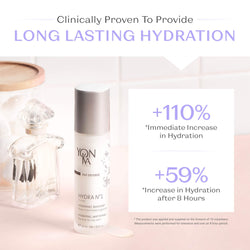
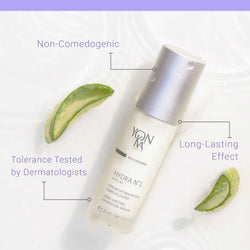
While your skin is still slightly damp from the mist, apply a hydrating serum. Hydra N°1 Serum is specifically designed for intense hydration. It uses two forms of hyaluronic acid to reach different layers of the skin’s surface, helping to smooth the look of dehydration lines.
Step 4: Moisturize and Protect
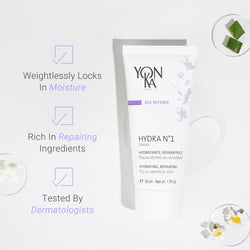
Finish your morning routine with a rich cream to seal everything in. Hydra N°1 Crème provides long-lasting comfort and helps to repair the skin's barrier. If you are heading outdoors, always follow with sun protection, as UV damage is a primary contributor to barrier degradation.
The Evening Ritual: Repair and Recovery
Nighttime is when the skin focuses on cellular repair. This is the best opportunity to use richer, lipid-restoring formulas that might feel too heavy for daytime wear.
Step 1: Double Cleanse (If Needed)
If you wear makeup or water-resistant sunscreen, consider a double cleanse. Start with a cleansing oil or Lait Nettoyant, followed by a second gentle wash to ensure the skin is perfectly clean but still hydrated.
Step 2: Restore Lipids
For skin that feels exceptionally dry or "thirsty," a facial oil can be transformative. Serum Omega is a lipid-restoring oil-in-serum that provides essential fatty acids to the skin. It helps to strengthen the barrier while you sleep, ensuring you wake up with a more supple, radiant-looking complexion.
Step 3: Deep Moisturization
Apply a nourishing night cream or a sleep mask. If your skin is showing the first signs of aging alongside dryness, Hydra N°1 Crème can help to smooth the appearance of fine lines while providing much-needed moisture.
Key Takeaway: Skincare for dry skin should follow a "damp-to-dry" application method. Applying humectants and emollients to slightly damp skin (ideally after a phyto-aromatic mist) traps extra moisture and allows for better product penetration.
Weekly Treatments for Enhanced Results
A daily routine is the foundation, but weekly treatments can provide the "boost" dry skin needs to look its best.
Gentle Exfoliation
It may seem counterintuitive to exfoliate dry skin, but removing dead, flaky cells allows your moisturizers to work more effectively. Avoid abrasive scrubs. Instead, use Gommage Yon-Ka, a grain-free, botanical peeling gel. It gently removes dulling debris without irritation, leaving the skin feeling soft and polished.
Intense Hydration Masks
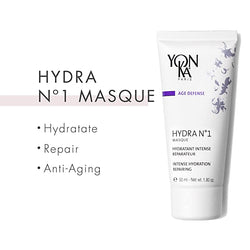
Once or twice a week, replace your night cream with a thick layer of Hydra N°1 Masque. This can be used as a traditional 10-minute mask or left on overnight as an intensive repairing treatment. It is particularly helpful after travel or exposure to harsh weather.
Targeted Peels
For skin that appears very dull or has an uneven texture, a gentle chemical exfoliant can help. Yon-Ka’s anti-aging collection includes options designed to support smoother, more radiant-looking skin. Because it is a "clean" peel formulated within a creamy base, it provides the benefits of exfoliation without the usual drying side effects of many acid treatments.
Lifestyle Adjustments to Support Your Skin
What you do outside of your bathroom also impacts the health of your skin barrier. Consider these practical adjustments:
- Invest in a Humidifier: Especially during the winter months, a humidifier adds moisture back into the air of your bedroom, preventing your skin from drying out overnight.
- Monitor Water Temperature: Keep your showers and face-washing water lukewarm. High heat is one of the fastest ways to compromise your skin's protective oils.
- Eat Your Healthy Fats: A diet rich in Omega-3 fatty acids—found in salmon, walnuts, and flaxseeds—supports the skin's lipid production from the inside out.
- Soft Fabrics: If your facial skin is very dry and sensitive, avoid rough washcloths. Use your hands to cleanse or choose a soft microfiber cloth, and always pat the skin dry rather than rubbing.
The Role of Professional Treatments
Sometimes, home care needs a professional hand to reset the skin's hydration levels. Visiting a spa for a professional facial can provide a level of exfoliation and nutrient infusion that is difficult to achieve at home. Estheticians can use professional-grade versions of Yon-Ka products and specialized massage techniques to stimulate circulation and enhance absorption. To find a certified professional near you, you can use our Spa Locator.
Essential Oil Safety and Best Practices
Since our formulas utilize the power of the Quintessence and other active botanicals, we recommend following a few sensible practices when introducing new products to your dry skin ritual:
- Patch Test First: Apply a small amount of any new product to your inner forearm and wait 24 hours to ensure no sensitivity occurs.
- One at a Time: Introduce new products one by one, spaced about a week apart, so you can monitor how your skin responds to each formula.
- Note Sensation: A slight, brief tingling can be a normal reaction to the active essential oils in our products. However, if you experience persistent redness, burning, or itching, reduce the frequency of use or discontinue the product.
- Seek Advice: If your dry skin is accompanied by extreme inflammation, crusting, or persistent pain, it is always best to consult a physician or dermatologist to rule out medical conditions like eczema or psoriasis.
| Feature | Dry Skin (Type) | Dehydrated Skin (Condition) |
|---|---|---|
| Primary Need | Lipids (Oil) | Water (Hydration) |
| Feel | Rough, flaky, itchy | Tight, sensitive, "sucked-in" |
| Look | Small pores, dull, matte | Crepe-like fine lines, dull |
| Solution | Rich creams, facial oils | Hyaluronic acid, hydrating mists |
Selecting the Right Products for Your Concerns
Because every complexion is unique, choosing the right combination of products is vital. If you are unsure whether you need more oil or more water, our Dry vs. Dehydrated Skin guide and our Formulas page are excellent places to better understand how Yon-Ka approaches hydration and skin balance.
For example, those in our Age Correction range may find that Cellular Code offers the perfect balance of anti-aging support and daily treatment. Meanwhile, those who want a richer boost may benefit from Booster Nutri +, a nourishing concentrate that can be mixed into any cream to increase its richness.
You can also explore our Our Ingredients page to learn more about the botanical actives and Quintessence behind our formulas, or browse Facial Treatments if you want to extend your at-home ritual into a professional setting.
Conclusion
Addressing dry skin on the face is a journey of restoration and protection. By choosing gentle, botanical-based cleansers, layering moisture-binding mists and serums, and sealing it all with lipid-rich creams, you can transform a parched complexion into one that looks and feels healthy. Remember that consistency is your greatest ally; a ritual performed daily yields far better results than an occasional "intensive" treatment.
- Transition to a milk cleanser like Lait Nettoyant.
- Never skip the phyto-aromatic mist to prepare the skin.
- Layer a hydrating serum under a protective moisturizer.
- Protect your skin from environmental stressors like wind and UV.
"Skincare is not a chore; it is a ritual of self-care. When we treat our skin with the respect it deserves—using the best of what nature and science provide—we reveal its true, radiant potential."
At Yon-Ka Paris, we remain dedicated to the belief that the most effective skincare is rooted in the synergy of plants and professional expertise. Since 1954, our mission has been to provide high-performance, sensorial experiences that support the skin's natural ability to heal and thrive. We invite you to explore our collections and discover the restorative power of our phyto-aromatic heritage.
FAQ
How can I tell if my face is dry or just dehydrated?
Dry skin is a skin type that lacks oil, often feeling rough or flaky all over. Dehydrated skin is a temporary condition that lacks water, often feeling tight or showing fine lines even if the skin still looks oily in some areas. A simple test is to gently pinch your cheek; if it shows "crepey" lines, it is likely dehydrated.
Can I use a face oil if I have dry skin?
Yes, face oils are highly beneficial for dry skin types as they help to replenish the lipids that the skin is naturally lacking. Products like Serum Omega can be used alone or mixed into your moisturizer to provide an extra layer of nourishment and prevent moisture loss.
How often should I exfoliate if my skin is very dry?
If your skin is dry, you should limit exfoliation to once or twice a week using a very gentle, non-abrasive formula. Gommage Yon-Ka is an excellent choice because it is grain-free and does not strip the skin. Over-exfoliating can damage your moisture barrier, making dryness even worse.
Should I wash my face with hot water to open the pores?
No, you should always use lukewarm water when washing your face, especially if you have dry skin. Hot water strips away the natural oils and moisture that keep your skin barrier intact. The idea that hot water "opens" pores is a myth; it actually causes inflammation and can lead to increased dryness and sensitivity.