Table of Contents
- Introduction
- The Science of Dry Skin and the Barrier Function
- The Three Pillars of Hydration
- The Role of Botanical Phyto-Aromatics
- Texture and Formulation: Why Creams Outperform Lotions
- Key Ingredients to Seek for Specific Concerns
- The Yon-Ka Ritual for Dry Skin
- Ingredients to Avoid When Your Skin Is Dry
- Essential Oil Safety and Best Practices
- The Importance of Consistency
- Summary of Key Points
- Conclusion
- FAQ
Introduction
When your skin feels tight, parched, or perpetually uncomfortable, the simple act of applying a face cream should be more than a chore—it should be a moment of profound relief. Dry skin often lacks the necessary lipids to maintain a soft, supple texture, leading to visible flakiness and a dull appearance. Finding the right solution requires moving beyond basic moisture to look for a formula that respects the skin’s delicate ecosystem. At Yon-Ka Paris, we believe that effectively addressing dryness involves a sophisticated blend of nature’s most potent botanicals and science-backed active ingredients. This article explores the essential components of a high-quality cream for dry skin, from moisture-binding humectants to barrier-strengthening emollients. By understanding these key ingredients, you can build a consistent ritual that restores a healthy, radiant glow to your complexion.
Quick Answer: A high-quality face cream for dry skin must contain a strategic balance of humectants (like hyaluronic acid) to draw in moisture, emollients (like ceramides and plant oils) to smooth the surface, and occlusives (like shea butter) to seal everything in. These three pillars work together to repair the skin barrier and prevent future dehydration.
The Science of Dry Skin and the Barrier Function
To understand what a cream should contain, we must first look at why skin becomes dry. Healthy skin acts as a protective shield, but when the lipid barrier is compromised, moisture escapes through a process called transepidermal water loss (TEWL). This loss of hydration leaves the skin vulnerable to environmental stressors, resulting in that all-too-familiar feeling of tightness.
Dry skin is often a matter of genetics, where the skin naturally produces less sebum (oil). However, it can also be exacerbated by aging, harsh weather, or over-exfoliation. Because dry skin lacks oil, it differs from dehydrated skin, which simply lacks water. A truly effective face cream must address both issues by replenishing lost lipids and providing deep hydration.
The Three Pillars of Hydration
A well-formulated cream for dry skin is built on three specific categories of ingredients. If a product relies on only one, it may provide temporary comfort but will rarely offer long-term results.
Humectants: The Water Magnets
Humectants are ingredients that act like microscopic sponges. They attract water from the atmosphere and from the deeper layers of the dermis, pulling it into the surface layers of the skin.
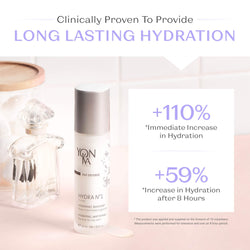
- Hyaluronic Acid: This powerhouse molecule can hold up to 1,000 times its weight in water. In our Hydra N°1 Serum, we utilize hyaluronic acid to help ensure the skin is hydrated at multiple levels.
- Glycerin: A classic but highly effective humectant that helps stabilize the skin barrier and improve the appearance of elasticity.
- Sodium PCA: A natural component of the skin's moisturizing factor that helps maintain a healthy moisture balance.
Emollients: The Texture Smoothers
While humectants bring in the water, emollients are responsible for the feel of the skin. They fill in the tiny gaps between skin cells where lipids may be missing, creating a smooth, soft surface.
- Ceramides: These are waxy lipid molecules naturally found in the skin. They are essential for "gluing" skin cells together to prevent moisture loss.
- Squalane: A stable form of squalene, which is a natural part of human sebum. Squalane is highly compatible with the skin and provides exceptional softening without a greasy residue.
- Plant-Based Fatty Acids: Ingredients like grape seed oil or hazelnut oil provide the skin with essential nutrients while mimicking its natural oils.
Occlusives: The Protective Seal
The final step in a good dry skin cream is the occlusive. These ingredients form a physical barrier on top of the skin to lock in the humectants and emollients you’ve just applied.
- Shea Butter: A rich, botanical fat that provides intense nourishment and creates a breathable protective film.
- Beeswax or Carnauba Wax: These natural waxes are excellent for protecting the skin against harsh winds and cold temperatures.
- Plant-Derived Waxes: Often used in professional-grade formulas to provide a luxurious, protective texture that stays on the skin longer than a light lotion.
Key Takeaway: Look for "synergy" on the ingredient label. A cream that combines hyaluronic acid (humectant) with ceramides (emollient) and shea butter (occlusive) provides a multi-level approach to treating dryness.
The Role of Botanical Phyto-Aromatics
In the world of skincare, not all ingredients are created equal. We prioritize the use of phyto-aromatics—the fusion of plant extracts and essential oils—to provide a holistic experience. Botanical oils do more than just moisturize; they deliver vitamins, antioxidants, and a sensorial experience that calms the mind while treating the skin.
Our signature Quintessence is a perfect example of this. This exclusive complex of five essential oils—lavender, geranium, rosemary, cypress, and thyme—forms the foundation of our formulas. Each oil serves a purpose:
- Lavender offers soothing properties to calm the look of redness often associated with dryness.
- Rosemary provides revitalizing benefits to wake up a dull complexion.
- Geranium supports balance and a healthy-looking glow.
- Cypress and Thyme offer purifying and toning effects.
When these are combined with nourishing bases like jojoba or hazelnut oil, the result is a face cream that addresses the appearance of aging and dryness simultaneously. To learn more about the philosophy behind these formulas, visit Our Ingredients.
Texture and Formulation: Why Creams Outperform Lotions
If you have dry skin, the "delivery system" of your product matters as much as the ingredients themselves. Skincare products generally fall into three categories based on their water-to-oil ratio: lotions, creams, and ointments.
For dry skin, a cream is almost always the superior choice. Lotions have a high water content and evaporate quickly, which can sometimes leave dry skin feeling tighter than before. Creams are thicker, containing more oils and waxes. This allows them to stay on the skin longer, providing a sustained release of moisture and a more robust protective barrier.
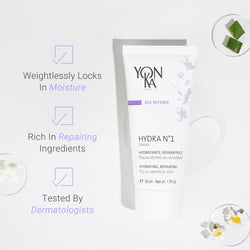
In some cases, such as during the peak of winter or for very mature skin, you might even transition to a rich balm or "intensive" cream. Products like our Hydra N°1 Crème are specifically designed for skin that is "undernourished," providing a high concentration of lipids to restore comfort.
Key Ingredients to Seek for Specific Concerns
Dry skin rarely exists in a vacuum. It is often accompanied by other concerns like sensitivity, dullness, or fine lines. When choosing your face cream, look for these "plus-one" ingredients:
- Vitamin F: Also known as linoleic acid, this is an essential fatty acid that helps repair the skin's moisture barrier. It is particularly helpful for those who experience flakiness.
- Vitamin E: A potent antioxidant that helps protect dry skin from environmental damage and oxidative stress.
- Aloe Vera: Known for its immediate cooling and hydrating properties, it is an excellent addition to a cream to soothe the feeling of irritation.
- Allantoin: A soothing compound that supports skin softening and helps reduce the look of redness.
Myth: "Oily oils" are the only way to treat dry skin. Fact: While oils (emollients) are vital, dry skin also needs water-binding ingredients (humectants) like hyaluronic acid. Without humectants, the skin may feel greasy on the surface but remain parched underneath.
The Yon-Ka Ritual for Dry Skin
We believe that no single product works in isolation. To get the most out of your face cream, it should be part of a layered, barrier-respecting ritual.
- Step 1: Cleanse Gently. Avoid foaming cleansers that strip the skin. Instead, use a creamy cleansing milk like Lait Nettoyant. It removes impurities while leaving the skin’s lipid film intact.
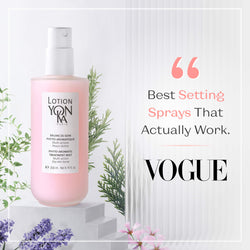
- Step 2: Mist and Prepare. Before your cream, use Lotion Yon-Ka PS (the version specifically for dry skin). This phyto-aromatic mist hydrates and prepares the skin to better absorb the active ingredients in your moisturizer.
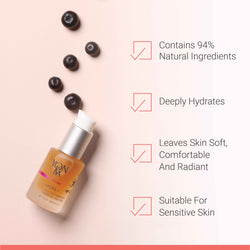
- Step 3: Boost and Treat. For intense dryness, add a few drops of Nutri+ Booster to your cream. This oil-based booster is rich in wheat germ oil and antioxidants, providing an extra layer of nourishment.
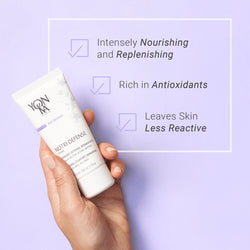
- Step 4: Moisturize. Apply a generous layer of Hydra N°1 Crème. This formula is designed specifically for dry and sensitive types, utilizing a high concentration of hyaluronic acid and shea butter.
- Step 5: Protect. During the day, always finish with sun protection to prevent UV rays from further damaging the skin barrier.
Ingredients to Avoid When Your Skin Is Dry
Just as important as what should be in your cream is what should be left out. When the skin barrier is dry, it is more permeable, meaning irritants can penetrate more easily.
- Drying Alcohols: Ingredients like SD alcohol, denatured alcohol, or isopropyl alcohol can strip away the very lipids you are trying to replace.
- High Concentrations of Acids: While AHAs (like glycolic acid) can help remove flakes, using them in high concentrations when the skin is already dry can lead to further irritation. It is better to use a gentle, grain-free exfoliator like Gommage Yon-Ka.
- Harsh Fragrances: Synthetic fragrances are a common trigger for sensitivity. We prefer the natural, therapeutic scent of essential oils, which offer aromachological benefits without the harshness of synthetic perfumes.
Essential Oil Safety and Best Practices
Because our formulas are rich in active essential oils and botanical extracts, we always recommend a mindful approach when starting a new routine.
Note: If you are new to phyto-aromatic skincare, we recommend performing a patch test. Apply a small amount of the product to your inner forearm and wait 24 hours to ensure compatibility. When introducing active treatments, start with one new product at a time to allow your skin to adjust. A slight, temporary tingling sensation can be a normal sign of the essential oils at work, but if you experience persistent redness, reduce the frequency of use.
The Importance of Consistency
Skincare is not a "quick fix" but a long-term commitment to the health of your skin. While a high-quality cream will provide immediate comfort, the real transformation happens over several weeks of consistent use. As the skin barrier is repaired and the moisture levels are stabilized, you will notice the skin looks plumper, the texture feels smoother, and the overall complexion appears more vibrant.
For those who want to take their hydration to the next level, we highly recommend professional treatments. A visit to a Yon-Ka partner spa allows a certified esthetician to analyze your skin and provide a deep-hydration treatment that goes beyond what can be achieved at home. You can find a professional near you by using our Spa Locator.
Summary of Key Points
- Balance is Key: A good cream must have humectants, emollients, and occlusives.
- Texture Matters: Creams and balms provide better protection for dry skin than thin lotions.
- Botanical Power: Essential oils and plant extracts like the Quintessence provide multi-functional benefits, including soothing and revitalizing.
- The Ritual Approach: Cleansing, misting, and boosting are essential steps to support your face cream's efficacy.
- Avoid Irritants: Stay away from drying alcohols and harsh synthetic fragrances that can compromise an already fragile barrier.
"True beauty is a reflection of wellness. When we nourish the skin with the right botanical ingredients, we aren't just masking dryness—we are supporting the skin's natural ability to thrive."
Conclusion
Selecting a face cream for dry skin is an investment in your comfort and confidence. By looking for a balanced formulation of humectants like hyaluronic acid, emollients like ceramides, and occlusives like shea butter, you provide your skin with the tools it needs to remain resilient. Yon-Ka Paris remains dedicated to this marriage of pharmaceutical rigor and botanical luxury, ensuring every cream we produce honors our heritage of phyto-aromatic expertise. Whether you are seeking to soothe winter-induced dryness or manage a naturally parched complexion, your journey to radiant skin begins with a dedicated, ingredient-conscious ritual. If you are unsure which specific products are right for your unique needs, we invite you to take our Skin Diagnosis quiz or explore the dry-skin routine in What to Use for Dry Skin on Face: A Soothing Ritual Guide.
FAQ
Is hyaluronic acid enough for dry skin?
While hyaluronic acid is an incredible humectant that attracts moisture, it is rarely enough on its own for truly dry skin. Because dry skin lacks oil, you also need emollients (like plant oils) and occlusives (like shea butter) to prevent the water that hyaluronic acid attracts from evaporating into the air.
Should I use a face oil or a cream for my dry skin?
Ideally, you should use both or a cream that contains high-quality plant oils. A cream provides both water-based hydration and oil-based nourishment, whereas a pure face oil only provides lipids. For the best results, you can layer a few drops of an oil-based booster, like Nutri+ Booster, into your favorite moisturizing cream.
How often should I apply moisturizer if my skin is very dry?
You should apply your moisturizer at least twice a day, every morning and evening, as part of your regular skincare ritual. If you are in a very dry climate or work in an office with heavy air conditioning, you may find it helpful to re-apply a layer of cream or use a hydrating mist like Lotion Yon-Ka throughout the day.
Can I use a cream with essential oils if my skin is sensitive?
Yes, but it depends on the quality and concentration of the oils. Many essential oils, such as those found in our Quintessence, have soothing and anti-inflammatory properties that can actually help calm the appearance of sensitive, dry skin. Always look for professional-grade formulas and perform a patch test if you have a history of reactive skin. For skin that needs extra comfort, Sensitive Creme and Sensitive Masque are good places to continue your search.