Table of Contents
- Introduction
- Understanding the Roots of Dry Facial Skin
- Dry Skin vs. Dehydrated Skin: What is the Difference?
- The Best Ingredients for Treating Dryness
- The Phyto-Aromatic Approach to Hydration
- Designing the Ultimate Ritual for Dry Skin
- Practical Habits to Prevent Facial Dryness
- When to Seek Professional Guidance
- Why Quality and Sourcing Matter
- Conclusion
- FAQ
Introduction
The sensation of dry skin is unmistakable: a persistent tightness after cleansing, visible flakiness that disrupts makeup application, or a dullness that masks your natural radiance. When your complexion feels like it has lost its suppleness, the search for relief often leads to one question: what’s the best thing for dry skin on your face? Finding the answer requires moving beyond quick fixes and embracing a ritual that restores the skin's protective barrier while providing deep, lasting hydration. At Yon-Ka Paris, we believe that addressing dryness is an art form that blends pharmaceutical-grade botanical science with a sensorial, aromatic experience. In this guide, we will explore the essential ingredients, lifestyle adjustments, and professional-inspired rituals designed to transform parched skin into a soft, luminous complexion.
Quick Answer: The best thing for dry skin on your face is a combination of humectants like hyaluronic acid to draw in moisture and emollients like plant oils or ceramides to seal it in. Consistent, gentle cleansing followed by layered hydration is the most effective way to restore the skin's barrier.
Understanding the Roots of Dry Facial Skin
To effectively address dryness, we must first understand why it occurs. Dry skin, known clinically as xerosis, typically happens when the skin’s outer layer—the stratum corneum—lacks the necessary lipids (oils) and moisture to remain flexible and intact.
Biological Factors and Aging Our skin naturally produces sebum, an oily substance that helps maintain the skin's moisture barrier. As we age, especially as we enter our 40s and beyond, sebum production drops significantly. This biological shift leaves the face more vulnerable to moisture loss and environmental damage.
Environmental Stressors The environment plays a massive role in how our skin feels. Cold, wintry air often has low humidity, which literally pulls moisture out of the skin. Conversely, indoor heating and air conditioning create a dry atmosphere that can exacerbate flakiness and itching. UV exposure also damages the skin barrier over time, leading to a "leaky" epidermis that cannot hold onto water.
The Barrier Connection A healthy skin barrier acts like a shield. When it is compromised—whether by genetics, harsh weather, or over-exfoliation—it allows water to escape (transepidermal water loss) and irritants to enter. This leads to the classic cycle of dryness, sensitivity, and redness.
Dry Skin vs. Dehydrated Skin: What is the Difference?
It is a common misconception that dry and dehydrated skin are the same. Understanding the distinction is the first step toward choosing the right products for your face.
| Feature | Dry Skin | Dehydrated Skin |
|---|---|---|
| Primary Lack | Oil (Lipids/Sebum) | Water (Hydration) |
| Type | A skin type (Genetics) | A temporary condition |
| Feel | Rough, flaky, or "sandpaper" | Tight, but may still be oily |
| Appearance | Small pores, dullness | Fine lines, "crepey" look |
| Solution | Rich creams, oils, ceramides | Water-binding serums, humectants |
Key Takeaway: If your skin feels rough and lacks a natural shine, you likely have a dry skin type. If it feels tight but looks shiny or breaks out, you may be experiencing temporary dehydration.
The Best Ingredients for Treating Dryness
When looking for the best thing for dry skin on your face, the ingredient list is your roadmap. We categorize these ingredients into three main groups that work together to restore the skin's appearance.
Humectants: The Moisture Magnets
Humectants are substances that attract water. They pull moisture from the air or the deeper layers of the skin into the top layer of the epidermis.
- Hyaluronic Acid: A gold-standard humectant that can hold many times its weight in water, helping to plump the appearance of the skin and reduce the look of fine lines.
- Glycerin: A simple but incredibly effective ingredient that helps the skin feel soft and supple.
- Lactic Acid: While often used as an exfoliant, in lower concentrations, it acts as a humectant that also helps smooth the skin's texture.
Emollients: The Smoothers
Emollients fill in the microscopic gaps between skin cells, creating a smooth, soft surface.
- Plant-Based Oils: Ingredients like jojoba, grape seed, and hazelnut oil mimic the skin’s natural lipids.
- Ceramides: These are lipid molecules that act like the "glue" between your skin cells, essential for a healthy barrier.
- Squalane: A highly stable oil that mimics human sebum, providing intense softness without a heavy, greasy feel.
Occlusives: The Shield
Occlusives create a physical barrier on the skin's surface to prevent water from evaporating.
- Beeswax and Shea Butter: These provide a rich, protective layer, especially beneficial in cold climates.
- Botanical Butters: These are often found in night creams to provide a deep, restorative "seal" while you sleep.
The Phyto-Aromatic Approach to Hydration
In the world of Yon-Ka, we believe that the most effective way to treat dry skin is through a fusion of plant science and aromatic therapy. Our signature Quintessence—a proprietary blend of lavender, geranium, rosemary, cypress, and thyme essential oils—serves as the heartbeat of our formulas. To understand this philosophy more deeply, you can explore our ingredients philosophy.
For dry skin, the Quintessence provides more than just a beautiful scent. Rosemary helps tone the appearance of the skin, while lavender and geranium offer a soothing effect that is vital when the skin feels tight or irritated. This "aromatherapy meets phytotherapy" approach ensures that while you are replenishing lipids, you are also revitalizing the skin's overall vitality. If you want to see how that heritage shaped the brand, take a look at our story.
Designing the Ultimate Ritual for Dry Skin
Addressing dryness is not about one "miracle" product; it is about a consistent, layered ritual. Follow these steps to maximize your skin's comfort and hydration.
Step 1: Gentle, Barrier-Respecting Cleansing
The biggest mistake many people with dry skin make is using a foaming or harsh cleanser. These can strip away the very oils your skin is already lacking.
The Solution: Use a creamy cleansing milk like Lait Nettoyant. It removes makeup and impurities while maintaining the skin's natural pH and moisture levels. Always use lukewarm water—never hot—as high temperatures dissolve the skin's protective oils.
Step 2: Prepare with a Hydrating Mist
Toner should never be drying or alcohol-based. Instead, use a phyto-aromatic mist to "prime" the skin for the treatments that follow.
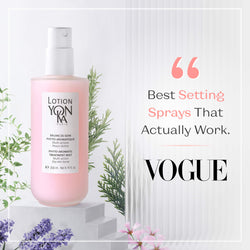
The Solution: Lotion Yon-Ka PS is specifically formulated for dry skin. This alcohol-free mist contains the Quintessence and helps subsequent serums and creams absorb more effectively. Think of your skin like a dry sponge: it absorbs moisture much better when it is already slightly damp.
Step 3: Layer with a Targeted Serum
Serums are concentrated treatments designed to deliver active ingredients deep into the skin's surface.
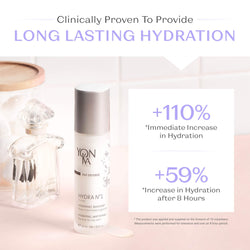
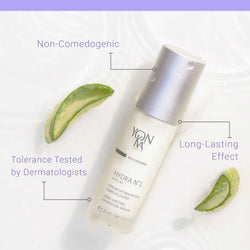
The Solution: For intense hydration, Hydra n°1 Serum uses a double dose of hyaluronic acid to provide a long-lasting "water reservoir" for the skin. If your skin feels particularly thin or "raw," look for an oil-in-serum like Serum Omega, which focuses on lipid restoration and uses omega fatty acids to rebuild the appearance of the barrier.
Step 4: Seal it with a Rich Moisturizer
A moisturizer is your primary defense against the elements. It should feel comfortable and leave your skin looking dewy, not greasy.
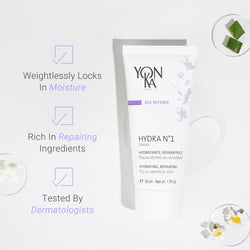
The Solution: Hydra n°1 Crème is an excellent choice for those needing repair and protection. It combines hyaluronic acid with shea butter and hazelnut oil to nourish the skin. For more mature skin that also experiences dryness, Excellence Code Crème provides global anti-aging benefits alongside intense comfort.
Step 5: Nighttime Recovery
Your skin does its most intensive repair work while you sleep. This is the perfect time to use a more intensive mask or booster.
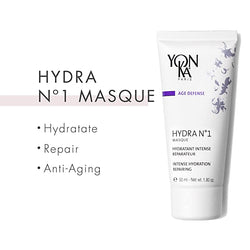
The Solution: Applying the Hydra n°1 Masque once or twice a week—or even leaving a thin layer on overnight—can dramatically improve the look of dry, tired skin by morning. You can also customize your night cream by adding a few drops of Booster Nutri +, a nourishing oil concentrate that revitalizes the complexion.
Practical Habits to Prevent Facial Dryness
While the right products are essential, your daily habits can either support or sabotage your skincare efforts.
- Humidity is Your Friend: Use a humidifier in your bedroom, especially during the winter. Keeping the air around 50–60% humidity helps prevent your skin from drying out while you sleep.
- The 5-Minute Rule: Apply your moisturizer within five minutes of washing your face. This "traps" the moisture from your cleansing step before it has a chance to evaporate.
- Pat, Don't Rub: When drying your face, use a soft cotton towel and gently pat the skin. Rubbing can cause micro-irritations that weaken the barrier.
- Hydrate from Within: While drinking water doesn't directly "moisturize" the top layer of your skin, a well-hydrated body supports overall skin health and resilience.
- Avoid Irritants: Steer clear of products with high concentrations of denatured alcohol, synthetic fragrances, or harsh sulfates (SLS), as these are notorious for causing dryness on the face.
Note: When introducing a new botanical product, we recommend a patch test on your inner forearm for 24 hours to ensure compatibility. Introduce one new product at a time to monitor how your skin responds.
When to Seek Professional Guidance
While most cases of dry skin can be managed with a dedicated home ritual, some situations require an expert touch. If you experience persistent redness, intense itching that disrupts sleep, or skin that cracks and bleeds, it is time to consult a board-certified dermatologist. These could be signs of underlying medical conditions like eczema (atopic dermatitis) or psoriasis which may require prescription-strength care.
For those looking to take their hydration to the next level, a professional spa treatment can provide immediate, deep-acting results. A professional aesthetician can perform specialized techniques and use high-concentration products that are more intensive than home-care versions. You can use our Spa Locator to find a certified professional who can perform a deep hydration treatment tailored to your specific needs. If you want a treatment-focused next step, explore Hydralessence Treatment.
Why Quality and Sourcing Matter
In our 70-year history as a French, family-founded skincare house, Yon-Ka Paris has remained committed to pharmaceutical rigor. All our products are manufactured in France under strict ISO 22716 standards. We prioritize ingredients of natural origin—averaging 92% across our range—and we strictly exclude parabens, phthalates, and known endocrine disruptors. For a broader look at how we formulate, visit our formulas page.
When you choose a professional brand, you are investing in formulas that have been tested in the treatment room and refined by science. This ensures that the botanical actives—from the sea buckthorn in our creams to the organic essential oils in our mists—are both safe and effective for your skin.
Conclusion
Finding the best thing for dry skin on your face is a journey that moves from mere "moisturizing" to a comprehensive philosophy of skin health. By understanding your skin's unique needs, choosing high-performance botanical ingredients like those in our Hydra n°1 range, and committing to a consistent ritual, you can restore the comfort and radiance your skin deserves.
Skincare is more than a chore; it is a moment of self-care. At Yon-Ka, we believe that the power of plants, combined with 70 years of phyto-aromatic expertise, offers the most profound way to care for your skin. Whether you are battling seasonal dryness or managing a lifelong skin type, a thoughtful approach will always yield the most beautiful results.
- Assess your needs: Determine if your skin is truly dry or just temporarily dehydrated.
- Simplify your routine: Focus on gentle cleansing and layered, botanical-based hydration.
- Be consistent: Skincare results are cumulative; true transformation happens over weeks, not hours.
"True beauty is found in the balance of science and nature, where every ritual becomes a sensorial experience of restoration."
If you are unsure which products are right for your specific concerns, we invite you to take our Skin Diagnosis quiz or use the Product Matcher on our website. Embracing the power of professional skincare is the first step toward a more comfortable, confident you.
FAQ
How often should I moisturize my face if it is very dry?
You should moisturize at least twice daily—once in the morning and once before bed. However, if you are in a very dry environment or your skin feels tight midday, you can mist with Lotion Yon-Ka PS and re-apply a light layer of moisturizer or a hydrating balm as needed to maintain comfort.
Is hot water bad for dry skin?
Yes, hot water is detrimental to dry skin because it strips away the natural sebum (oils) that keep the skin barrier intact. We recommend using lukewarm or "room temperature" water when washing your face to preserve your skin's moisture and prevent irritation.
Can I use an exfoliator if my skin is flaky?
You can, but you must be very gentle. Instead of harsh scrubs with physical grains, which can cause micro-tears, use a grain-free exfoliator like Gommage Yon-Ka. This type of "peel" gently lifts dead skin cells without scrubbing, allowing your moisturizers to penetrate better without damaging the skin's surface. If you want a full browse of options, see the face exfoliators collection.
What is the best type of moisturizer for extremely dry skin?
For extremely dry skin, a rich cream or an "ointment-like" texture is usually best. Look for formulas that contain both humectants (like hyaluronic acid) and occlusives (like shea butter or plant oils) to provide a comprehensive barrier. Our Serum Omega layered under Hydra n°1 Crème is an ideal combination for maximum nourishment.