Table of Contents
- Introduction
- Understanding the Root Causes of Dry Skin
- The Trio of Hydration: Ingredients to Look For
- Why a Phyto-Aromatic Approach Matters
- Choosing the Right Texture: Cream vs. Lotion
- Building a Ritual for Dry Skin
- Essential Oil Safety and Best Practices
- Beyond the Jar: Lifestyle Tips for Dry Skin
- When to See a Professional
- Conclusion
- FAQ
Introduction
When your skin feels perpetually tight, looks flaky, or loses its natural glow, finding relief becomes a daily priority. Dry skin is more than just a surface concern; it is a sign that your skin's protective barrier is struggling to retain the moisture and lipids it needs to stay resilient. At Yon-Ka Paris, we believe that the journey to a supple, radiant complexion begins with understanding the specific needs of your skin and treating it with a ritual that respects its delicate balance. This article will explore the biological causes of dryness, the essential ingredients to look for in a formulation, and how to build a routine that transforms your skin from parched to pampered. Our goal is to help you navigate the sea of options to find a moisturizer that provides both immediate comfort and long-term health.
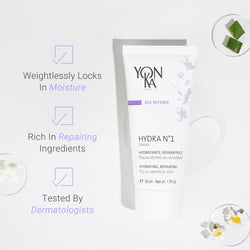
Quick Answer: The best moisturizer for dry skin is a rich, cream-based formula that combines humectants like hyaluronic acid to draw in water, emollients like ceramides to smooth the surface, and occlusives like plant butters to lock everything in. For most, a formula like Hydra n°1 Crème provides the ideal balance of deep hydration and barrier protection.
Understanding the Root Causes of Dry Skin
To find the best moisturizer for dry skin, we must first understand why skin becomes dry in the first place. Dermatologists typically categorize the cause of dryness into two areas: a lack of natural oils (lipids) and a lack of water (hydration). While these terms are often used interchangeably, they require slightly different approaches to treatment.
Dry skin is often a skin type you are born with, characterized by underactive sebaceous glands that don't produce enough oil. Dehydrated skin, on the other hand, is a temporary condition where the skin lacks water, often caused by environmental factors.
The Role of the Moisture Barrier
The outermost layer of your skin, the stratum corneum, is often described as a "brick and mortar" structure. The skin cells are the bricks, and a complex mix of lipids—including ceramides, cholesterol, and fatty acids—acts as the mortar. This barrier has two vital jobs: keeping environmental aggressors out and keeping moisture in.
When this barrier is compromised, you experience transepidermal water loss (TEWL). This is a process where water evaporates from the skin into the air, leaving the cells shriveled and the surface feeling rough or itchy.
External and Internal Triggers
Several factors can exacerbate dryness and weaken your skin's "armor":
- Weather and Climate: Cold, winter air holds less moisture, and indoor heating systems further strip humidity from the environment.
- Aging: As we age, our skin naturally produces fewer lipids and its ability to retain moisture decreases.
- Harsh Cleansers: Using soaps or cleansers with sulfates can strip away the very oils your skin needs to stay protected.
- Hot Showers: While relaxing, hot water dissolves the skin’s natural fats, leading to immediate dehydration.
The Trio of Hydration: Ingredients to Look For
The most effective moisturizers do not rely on a single "miracle" ingredient. Instead, they use a strategic blend of three different types of moisturizing agents to address dryness from every angle.
1. Humectants: The Water Magnets
Humectants are ingredients that attract water. They work like sponges, drawing moisture from the deeper layers of the skin (the dermis) up to the surface (the epidermis). In humid environments, they can even pull moisture from the air into your skin.
- Hyaluronic Acid: A superstar molecule that can hold up to 1,000 times its weight in water.
- Glycerin: A classic, reliable humectant that supports the skin's natural moisture balance.
- Aloe Vera: Provides soothing hydration while delivering vitamins and minerals.
2. Emollients: The Surface Smoothers
Emollients fill in the microscopic gaps between skin cells where lipids may be missing. This smooths the skin's texture and makes it feel soft and pliable.
- Ceramides: These are lipids naturally found in the skin that help keep the barrier intact.
- Squalane: A plant-derived oil that mimics the skin's natural sebum, providing lightweight but deep nourishment.
- Plant Oils: Ingredients like grape seed or hazelnut oil offer fatty acids that reinforce the skin's structure.
3. Occlusives: The Protective Seal
Occlusives form a physical barrier on top of the skin to prevent water from evaporating. They "lock in" the benefits of the humectants and emollients you've applied beneath them.
- Shea Butter: A rich, botanical butter that provides intense protection and nourishment.
- Beeswax: Creates a breathable but effective shield against the elements.
- Dimethicone: A type of silicone that creates a silky finish and prevents moisture loss without clogging pores.
Key Takeaway: A high-quality moisturizer for dry skin should ideally contain at least one ingredient from each category—humectants to hydrate, emollients to smooth, and occlusives to protect.
Why a Phyto-Aromatic Approach Matters
At Yon-Ka, we believe that skincare should be as sensorial as it is effective. Our unique phyto-aromatic approach combines the power of plant extracts (phytotherapy) with the therapeutic benefits of essential oils (aromatherapy and aromachology).
The foundation of our formulas is the Quintessence, an exclusive complex of five essential oils: lavender, geranium, rosemary, cypress, and thyme. This 100% natural complex does more than just provide a beautiful scent; it helps to stabilize the formula and supports the skin's natural ability to repair itself. For dry skin, the soothing properties of lavender and the revitalizing effects of rosemary are particularly beneficial, helping to calm the irritation that often accompanies dryness. To explore the philosophy behind these formulas, visit our ingredients page and our formulas page.
Choosing the Right Texture: Cream vs. Lotion
When selecting the best moisturizer for dry skin, the texture of the product is a major indicator of its efficacy.
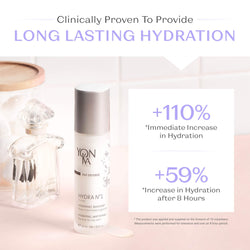
Creams are generally the preferred choice for dry skin. They have a higher oil-to-water ratio, providing the richness needed to replenish a lipid-deficient barrier. A product like Hydra n°1 Crème is specifically designed for those with very dry or sensitive skin, offering a cocoon-like feel that lasts throughout the day.
Lotions and Gels are lighter and contain more water. While these are excellent for oily or combination skin, they may not provide enough "seal" for someone struggling with significant dryness. However, they can be useful in the summer months or as a layering step under a heavier cream.
Balms are the heaviest option and are usually reserved for targeted dry patches or extremely cold climates. They are almost entirely oil-based and provide a thick, occlusive layer.
Building a Ritual for Dry Skin
Finding the best moisturizer is only half the battle; how you apply it matters just as much. Following a consistent, layered ritual ensures your skin absorbs the maximum amount of hydration.
Step 1: Gentle Cleansing
The first rule for dry skin is to never use a cleanser that leaves your face feeling "squeaky clean." This sensation is actually a sign that your barrier has been stripped. Instead, use a creamy, barrier-respecting cleanser like Lait Nettoyant. This cleansing milk removes impurities while maintaining the skin's natural pH and lipid balance.
Step 2: The Critical Mist
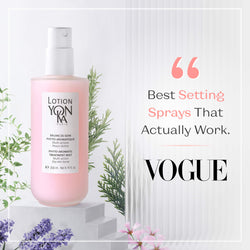
Immediately after cleansing, while your skin is still damp, apply a phyto-aromatic mist. Lotion Yon-Ka PS is an essential step. It "recharges" the skin with hydration and acts as a delivery system, helping the active ingredients in your subsequent products penetrate more deeply.
Step 3: Targeted Treatment
If your dryness is severe, adding a serum or oil-in-serum can provide a much-needed boost. Serum Omega is a lipid-restoring oil-in-serum that delivers essential fatty acids directly to the skin. This helps to "patch" the holes in your moisture barrier from the inside out.
Step 4: Moisturize and Seal
Apply your chosen moisturizer—such as Hydra n°1 Crème—over your serum. Use gentle, upward strokes to massage the product into your face and neck. The massage action helps to stimulate blood flow, which can give dry, dull skin a more vibrant appearance.
Step 5: Sun Protection
Dry skin is particularly vulnerable to the damaging effects of UV rays, which can further degrade the skin barrier. During the day, always finish your ritual with sun protection. Look for formulas that include moisturizing ingredients so you aren't sacrificing comfort for protection.
Essential Oil Safety and Best Practices
Because our products contain active botanical ingredients and essential oils, we always recommend a mindful approach to introducing new items to your ritual.
- Patch Test: Before applying a new moisturizer all over your face, perform a patch test on your inner forearm. Wait 24 hours to ensure no redness or irritation occurs.
- One at a Time: Introduce only one new product into your routine at a time. This allows you to monitor how your skin responds to specific ingredients.
- Sensory Check: A slight, brief tingling can sometimes occur as active botanicals begin to work. However, if you experience persistent redness, itching, or burning, you should reduce the frequency of use or discontinue the product.
Beyond the Jar: Lifestyle Tips for Dry Skin
The best moisturizer for dry skin can only do so much if your lifestyle habits are working against it. To keep your skin feeling comfortable year-round, consider these professional tips:
- Watch the Water Temperature: Switch from hot showers to lukewarm ones. Your skin's natural oils will thank you.
- The Three-Minute Rule: Apply your moisturizer within three minutes of exiting the shower or washing your face. This "traps" the moisture still present on the surface of your skin.
- Invest in a Humidifier: If you live in a dry climate or use central heating, a humidifier can add much-needed moisture back into the air, preventing TEWL while you sleep.
- Boost Your Nutrition: Incorporate healthy fats into your diet, such as avocados, walnuts, and flaxseeds. These provide the building blocks your body needs to produce its own natural lipids.
- Exfoliate Wisely: Dry skin still needs exfoliation to remove dead cells that block moisture absorption, but avoid harsh scrubs. A grain-free exfoliator like Gommage Yon-Ka gently clarifies the skin without irritation.
When to See a Professional
While most dryness can be managed with a dedicated home ritual, some conditions require expert intervention. If your skin is persistently cracked, bleeding, or showing signs of a rash that does not respond to over-the-counter moisturizers, it may be time to consult a dermatologist. Conditions like eczema, psoriasis, or rosacea require specialized care that goes beyond cosmetic moisturization.
For those looking to take their hydration to the next level, a professional spa treatment can provide deep, long-lasting results. Our "Hydralessence" facial, available at partner spas worldwide, uses specialized professional products and techniques to intensely saturate the skin with moisture. You can use our Spa Locator to find a certified professional near you.
Myth: "Drinking more water will fix dry skin." Fact: While staying hydrated is essential for overall health, it is rarely the cure for dry skin. Dry skin is typically a barrier issue, meaning the water you drink is evaporating too quickly from the skin's surface. You must treat the barrier topically to see real change.
Conclusion
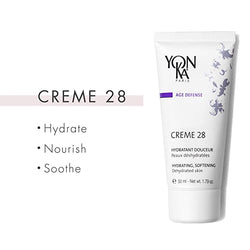
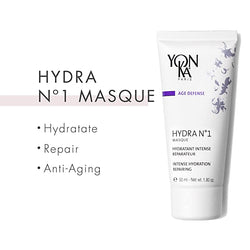
Finding the best moisturizer for dry skin is a journey of both science and self-care. By selecting a formula rich in humectants, emollients, and occlusives, and incorporating it into a consistent phyto-aromatic ritual, you can restore your skin’s natural resilience and radiance. Whether you choose the intense hydration of the Hydra n°1 collection or the lipid-rich nourishment of our boosters, remember that consistency is the key to lasting results.
If you are still unsure which products are right for your unique skin needs, we invite you to take our Product Matcher or use the Skin Diagnosis quiz on our website. At Yon-Ka Paris, we remain committed to our 70-year heritage of combining the best of nature with pharmaceutical rigor to help you achieve your most beautiful skin. For a closer look at that heritage, explore our brand story.
"Skincare is not just a routine; it is a moment of connection with yourself. When we nourish our skin with the power of plants, we are honoring both our heritage and our health."
Explore our full collection of moisturizers and find your perfect match today.
FAQ
Is a thicker cream always better for dry skin?
Not necessarily, although creams are generally better than lotions for dry skin because they contain more oils to seal in moisture. What matters most is the balance of ingredients; a medium-weight cream with high-quality ceramides and hyaluronic acid can sometimes be more effective than a very thick balm that lacks humectants.
Can I use a face oil instead of a moisturizer?
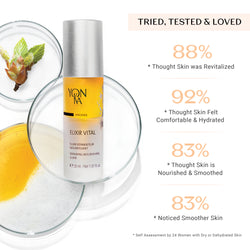
A face oil is an excellent supplement to a moisturizer, but it is not a direct replacement. Oils are primarily emollients and occlusives, meaning they smooth and seal the skin, but they do not typically contain humectants to "add" water. For best results, apply a serum or moisturizer first, then seal it with a few drops of oil or a booster like Nutri +.
How often should I apply moisturizer if my skin is extremely dry?
At a minimum, you should moisturize twice daily—once in the morning and once before bed. However, if you are in a very harsh environment or have extremely dry skin, you can reapply a lightweight moisturizer or a hydrating mist throughout the day to maintain comfort and protection.
Will moisturizing dry skin cause breakouts?
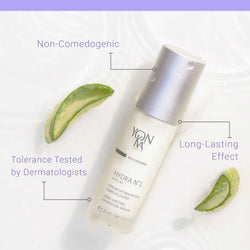
Dry skin can still experience breakouts, especially if the moisture barrier is so damaged that bacteria can easily enter. The key is to look for "non-comedogenic" formulas, which are designed not to clog pores. Many of our hydrating products, like Hydra N°1 Fluid, provide deep moisture in a lightweight, non-congesting texture.