Table of Contents
- Introduction
- The Science of Face Oils: Why Dry Skin Needs Lipids
- Top Botanical Oils for Dry Face Skin
- Fatty Acids Decoded: Oleic vs. Linoleic
- The Phyto-Aromatic Advantage
- How to Incorporate Oils into Your Yon-Ka Ritual
- Applying Oil Like a Professional
- Myth vs. Fact: Face Oils for Dry Skin
- Choosing the Right Product for Your Needs
- The Role of Professional Treatments
- Safety and Quality: What to Look for on the Label
- Beyond the Face: Caring for Dry Body Skin
- Why 70 Years of Expertise Matters
- Conclusion
- FAQ
Introduction
If you have ever experienced that uncomfortable sensation of tightness after washing your face, or noticed fine lines becoming more prominent by midday, you are likely familiar with the struggle of dry skin. While many reach for thick creams, the true answer to restoring a supple, glowing complexion often lies in botanical oils. At Yon-Ka Paris, we believe that the right oil does more than just sit on the surface; it acts as a bio-mimetic partner to your skin’s natural barrier.
In this article, we will explore which botanical oils are best suited for dry complexions, the science of fatty acids, and how to layer these elixirs for maximum efficacy. Whether you are battling seasonal flakiness or chronic dryness, understanding the specific properties of plant-based oils will help you transform your daily routine into a luxurious, skin-saving ritual.
The Science of Face Oils: Why Dry Skin Needs Lipids
To understand what oil is good for dry face skin, we must first look at the biology of the skin barrier. Our skin is protected by a lipid mantle—a mixture of natural oils (sebum) and fats that keep moisture in and irritants out. When this barrier is compromised or when the skin naturally produces less sebum, we experience dryness.
Botanical oils are uniquely effective because they contain essential fatty acids (EFAs) that our bodies cannot produce on their own. These fatty acids, such as Omega-3, 6, and 9, are the building blocks of healthy cell membranes. When applied topically, they help to "patch" the gaps in a compromised skin barrier, effectively sealing in hydration.
Quick Answer: The best oils for dry face skin are those rich in oleic acid and essential fatty acids, such as argan, avocado, and pomegranate seed oil. These oils act as emollients to soften the skin and occlusives to prevent water loss, restoring a radiant, healthy-looking glow.
Dry vs. Dehydrated Skin
It is important to distinguish between dry and dehydrated skin. Dry skin is a skin type that lacks oil (lipids). Dehydrated skin is a skin condition that lacks water (hydration). While oils are essential for dry skin to replenish missing fats, they work best when layered over a water-based hydrator to lock that moisture in.
Top Botanical Oils for Dry Face Skin
Not all oils are created equal. Depending on their molecular weight and fatty acid profile, some oils are better at deep nourishment, while others focus on surface protection.
Argan Oil: The Gold Standard for Nourishment
Argan oil is often referred to as "liquid gold" for a reason. Harvested from the kernels of the argan tree, it is exceptionally high in Vitamin E and saponins, which help to soften the skin. Because it contains a balanced ratio of oleic and linoleic acids, it provides deep nourishment without feeling excessively heavy. It is a cornerstone ingredient for those seeking to improve the appearance of skin elasticity.
Avocado Oil: Deep Penetration for Extreme Dryness
For those with very dry or parched skin, avocado oil is a powerhouse. It is rich in palmitoleic acid and Vitamin D. Unlike lighter oils, avocado oil has the ability to penetrate deeper into the epidermis, making it ideal for soothing the feeling of itchiness or extreme flakiness.
Pomegranate Seed Oil: Antioxidant Protection
Pomegranate seed oil is unique because it contains punicic acid, a rare Omega-5 fatty acid. This oil is excellent for dry skin that also shows signs of aging or environmental stress. It helps to support the skin's natural repair process while providing a significant boost of antioxidants to defend against pollution.
Jojoba Oil: The Sebum Mimic
While technically a liquid wax, jojoba oil is famous in the skincare world for being chemically similar to human sebum. This makes it an excellent "balancing" oil. For people who have dry skin but are still prone to occasional congestion, jojoba provides the necessary lipids without clogging pores.
Rosehip Fruit Oil: Brightening and Repair
Rosehip oil is celebrated for its high content of Vitamin A (a natural precursor to retinol) and Vitamin C. It is a "dry" oil, meaning it absorbs quickly. For dry skin that looks dull or has uneven tone, rosehip oil provides essential fatty acids while helping to brighten the overall appearance of the complexion.
Fatty Acids Decoded: Oleic vs. Linoleic
When choosing a face oil, looking at the fatty acid profile is key. Most plant oils are a combination of oleic acid (Omega-9) and linoleic acid (Omega-6).
- Oleic Acid: This is a thicker, richer fatty acid. Oils high in oleic acid (like olive, avocado, and argan) are generally better for dry skin because they provide a heavier protective seal.
- Linoleic Acid: This is a thinner, lighter fatty acid. Oils high in linoleic acid (like sunflower or rosehip) are typically better for oily or combination skin, though they are still beneficial for dry skin barriers that need repair without heaviness.
Key Takeaway: For a dry face, prioritize oils with a higher concentration of oleic acid and Omega-3 and 6 to provide the intensive moisture-sealing benefits your skin barrier lacks.
The Phyto-Aromatic Advantage
At Yon-Ka, we do not believe in using oils in isolation. Our heritage is rooted in the fusion of plant science and aromatherapy. This is where the Yon-Ka Quintessence comes into play. This exclusive complex of five essential oils—lavender, geranium, rosemary, cypress, and thyme—is combined with nourishing carrier oils to create a synergistic effect.
While the carrier oils (like sacha inchi or pomegranate) provide the lipids, the essential oils in the Quintessence provide aromatic benefits and help to revitalize the skin's appearance. This dual approach ensures that your skincare is both a physical treatment for dryness and a sensorial ritual that supports overall well-being.
How to Incorporate Oils into Your Yon-Ka Ritual
To get the most out of your face oil, it must be applied correctly within a layered routine. We follow a specific ritual sequence to ensure every ingredient is absorbed effectively.
Step 1: Cleanse with Care
Dry skin requires a gentle touch. Use a cream or milk-based cleanser like Lait Nettoyant. This maintains the skin's natural pH and ensures you aren't stripping away the few lipids your skin already has.
Step 2: The Essential Mist
Before applying any oil, the skin must be damp. Our signature Lotion Yon-Ka PS is more than just a toner. It is a phyto-aromatic mist that prepares the skin to receive subsequent treatments. Applying oil to bone-dry skin can lead to a "greasy" feeling because the oil cannot move past the surface. When applied to skin dampened by Lotion Yon-Ka, the oil emulsifies slightly and penetrates much more effectively.
Step 3: Treat and Nourish
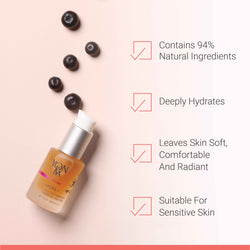
This is where you introduce your oil-based serum. For those with dry, lipid-depleted skin, we recommend Serum Omega. This "oil-in-serum" is a concentrated blend of sacha inchi oil, pomegranate seed oil, and sea buckthorn. It is designed to replenish the skin with the full spectrum of Omegas (3, 6, 7, and 9).
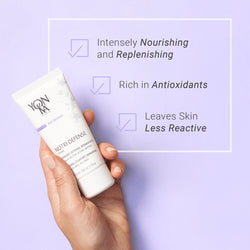
If your skin is especially demanding or feeling stressed by cold weather, you might also consider adding a few drops of Nutri + Booster to your usual moisturizer. This oil-based booster is rich in wheat germ oil and the Quintessence, providing an extra "shield" of nutrition.
Step 4: Moisturize and Seal
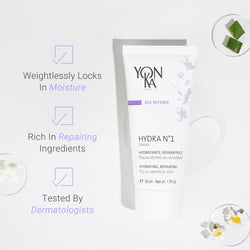
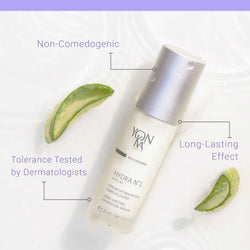
For some, a serum like Serum Omega is enough at night. However, during the day or in very dry climates, you should follow with a cream like Hydra n°1 Crème. This provides the humectants (like hyaluronic acid) that the oil will then seal into the skin.
Step 5: Protect
Never forget that dry skin is often more vulnerable to sun damage. Always finish your morning ritual with a broad-spectrum SPF.
Note: When introducing a new botanical oil or essential oil-based product, we recommend a patch test. Apply a small amount to your inner forearm and wait 24 hours. A slight, temporary tingling can be normal due to active botanicals, but persistent redness means you should reduce frequency or consult a professional.
Applying Oil Like a Professional
The way you apply the oil matters as much as the oil itself. Rather than rubbing the oil into your skin, which can cause unnecessary friction and tugging on dry, fragile tissue, use the "Press and Glow" method.
- Dispense 2–3 drops of oil into the palms of your hands.
- Rub your hands together to warm the oil; this helps it mimic the skin's natural temperature for better absorption.
- Inhale deeply to enjoy the aromachology benefits of the essential oils.
- Gently press your palms into your cheeks, forehead, chin, and neck.
- Use your fingertips to lightly "tap" the oil into areas with fine lines.
Myth vs. Fact: Face Oils for Dry Skin
Myth: Face oils will cause breakouts. Fact: Most high-quality botanical oils like jojoba, argan, and squalane are non-comedogenic. Breakouts are usually caused by heavy mineral oils or synthetic fillers, not pure plant oils that mimic the skin's natural chemistry.
Myth: Oils replace my moisturizer. Fact: Oils are primarily emollients and occlusives; they soften and seal. Moisturizers often contain humectants, which actually draw water into the skin. For dry skin, you usually need both—water to hydrate and oil to seal.
Myth: I should only use oil at night. Fact: While night is an excellent time for repair, 1–2 drops of a lightweight oil in the morning can provide a beautiful glow and protect the skin from environmental moisture loss during the day.
Choosing the Right Product for Your Needs
Selecting the "best" oil depends on the degree of your dryness and your secondary skin concerns.
| Skin Concern | Recommended Oil Type | Yon-Ka Product Suggestion |
|---|---|---|
| Extreme Dryness & Flaking | High Oleic (Avocado, Wheat Germ) | Nutri + Booster |
| Dullness & Lack of Radiance | Vitamin-Rich (Pomegranate, Sacha Inchi) | Serum Omega |
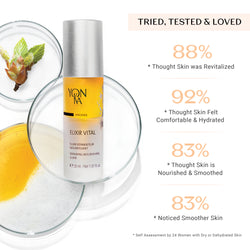
| First Signs of Aging | Antioxidant-Rich (Rosehip, Argan) | Elixir Vital |
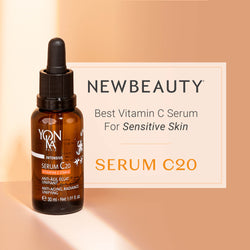
| Rough Texture | Smoothing (Jojoba, Camelina) | Serum C20 |
If you are still unsure which botanical blend is right for your unique complexion, we invite you to take our Skin Diagnosis quiz or use the Product Matcher tool. These resources leverage our 70 years of professional expertise to provide a customized recommendation for your home care ritual.
The Role of Professional Treatments
While home care is the foundation of skin health, professional intervention can provide deeper results. Our brand is trusted by over 7,000 skincare professionals worldwide who utilize professional-grade oils and massage techniques to revive parched complexions.
A professional "Le Grand Classique" treatment or a deep hydration facial at a partner spa can help reset a compromised skin barrier. The esthetician can use specialized techniques to ensure the botanical oils penetrate deeper than they might with a standard at-home application. You can find a local professional who uses our products by visiting our Spa Locator.
Safety and Quality: What to Look for on the Label
When shopping for face oils, quality is paramount. To ensure you are getting the most active and safe product, look for these markers:
- Cold-Pressed Extraction: This method preserves the integrity of the fatty acids and vitamins, which can be destroyed by high-heat processing.
- Opaque Packaging: Many botanical oils are sensitive to light and air. We package our elixirs in specialized containers to prevent oxidation, ensuring the oil remains active until the last drop.
- No "Filler" Oils: Be wary of products that list mineral oil or isopropyl palmitate as the first ingredient. These are often used to reduce costs but offer no nutritional value to the skin.
- Purity Standards: Our products are manufactured in France under strict ISO 22716 standards. We prioritize organic active ingredients and maintain a strict exclusion charter that keeps our formulas free from harmful endocrine disruptors and harsh synthetics. Learn more in Our Ingredients.
Beyond the Face: Caring for Dry Body Skin
While the focus is often on the face, the skin on our bodies is equally prone to dryness, especially on the legs and elbows. Many of the same oils—such as sunflower and sesame—are incredibly effective here.
For a complete sensory experience, our Aroma Fusion line offers body oils that combine deep nourishment with the therapeutic scents of Cedar, Cypress, or Mandarin. These are perfect for applying immediately after a shower while the skin is still damp to lock in maximum moisture.
Why 70 Years of Expertise Matters
Skincare trends come and go, but the efficacy of plant oils is timeless. Since 1954, the Mühlethaler family has championed the belief that nature holds the most potent answers to skin health. By combining the four plant sciences—aromatherapy, aromachology, phytotherapy, and marine biology—we have moved beyond simple oil application to creating high-performance botanical formulas. Discover more about the brand in Our Story.
Our 100% French production ensures that every bottle of oil or cream meets the highest standards of pharmaceutical rigor. We believe that caring for dry skin is not just about a "hack" or a single ingredient; it is about a consistent, respectful ritual that honors the skin's biology.
Conclusion
Choosing what oil is good for dry face skin doesn't have to be a guessing game. By focusing on botanical oils rich in Omega fatty acids—like those found in sacha inchi, pomegranate, and argan—you provide your skin with the tools it needs to repair its own barrier and retain vital moisture. Remember that the best results come from a consistent ritual: gentle cleansing, aromatic toning, and the careful layering of oil-based serums and protective creams.
At Yon-Ka Paris, we invite you to move beyond basic moisturizing and embrace the sophisticated world of phyto-aromatic care. Whether you are using Serum Omega to revive a dull complexion or Nutri + Booster to shield against the elements, you are participating in a 70-year legacy of French skincare excellence.
"Skincare is more than a routine; it is a moment of connection with yourself, powered by the life force of plants."
Explore our Dry & Dehydrated Skin collection for a more targeted routine, or find a local spa to experience the transformative power of our professional treatments. Your journey to a radiant, comfortable complexion starts with the simple, potent power of the right botanical oil.
FAQ
Can I use coconut oil on my face if it is dry?
While coconut oil is a strong occlusive, it has a high comedogenic rating, meaning it may clog pores and lead to breakouts for many people. We generally recommend more "refined" botanical oils like argan, jojoba, or the specialized blends found in Serum Omega, which offer the same moisture-sealing benefits without the risk of congestion.
Should I apply my face oil before or after my moisturizer?
Ideally, you should apply a few drops of oil after your water-based moisturizer to "lock" the hydration in. Alternatively, for a more streamlined ritual, you can mix 2–3 drops of an oil-based booster, like Nutri + Booster, directly into your cream before applying it to your face and neck.
How many drops of face oil should I use for dry skin?
For most complexions, 2 to 3 drops are sufficient to cover the face and neck. Using too much oil can lead to a greasy finish that doesn't absorb well. If your skin still feels tight, it may need more humectants (water) rather than more oil, so ensure you are using a mist like Lotion Yon-Ka beforehand.
Is it okay to use face oils every day?
Yes, for dry skin types, using a botanical oil daily is highly beneficial. It provides a constant supply of essential fatty acids to keep the skin barrier strong. During the summer, you might choose a lighter application in the morning, while winter months often require a more generous ritual at night to combat indoor heating and cold winds.