Table of Contents
- Introduction
- Understanding Dry Skin vs. Dehydrated Skin
- Lotion vs. Cream: Identifying the Best Texture
- Essential Ingredients for Dry Skin
- The Phyto-Aromatic Approach to Nutrition
- Building a Ritual for Dry Skin
- Body Care: Beyond the Face
- Common Myths About Moisturizing Dry Skin
- Important Safety Considerations
- Environmental and Lifestyle Adjustments
- Conclusion
- FAQ
Introduction
The feeling of dry skin is often more than just a cosmetic concern; it is a physical sensation of tightness, itching, and visible flaking that can disrupt your daily comfort. When your skin feels parched, the immediate instinct is to reach for the nearest bottle of moisturizer, but not all formulas are created equal. Finding what kind of lotion is good for dry skin requires an understanding of how different ingredients interact with your skin's natural barrier. In this article, we will explore the essential components of a high-quality moisturizer, the difference between hydrating and nourishing formulas, and how to build a routine that restores a supple, glowing appearance. At Yon-Ka Paris, we believe that addressing dry skin is a ritual of restoration, blending pharmaceutical-grade precision with the healing power of phyto-aromatic ingredients. By choosing the right botanical actives, you can transform a simple application into a professional-level treatment for lasting comfort.
Understanding Dry Skin vs. Dehydrated Skin
Before selecting a product, it is vital to distinguish between dry skin and dehydrated skin, as they require different solutions. While these terms are often used interchangeably, they represent two distinct skin concerns.
Dry skin is a skin type characterized by a lack of oil (lipids). If your skin is naturally dry, your sebaceous glands do not produce enough sebum to keep the skin lubricated and the barrier intact. This often results in a rough texture, fine lines, and a dull appearance.
Dehydrated skin, on the other hand, is a temporary condition where the skin lacks water. Even oily skin types can become dehydrated due to environmental factors, lifestyle, or harsh products. Dehydrated skin often feels tight but may still look shiny or experience breakouts.
To truly address what kind of lotion is good for dry skin, you must look for products that provide both hydration (water) and nutrition (oil). A balanced formula helps to replenish the missing lipids while simultaneously drawing moisture into the deeper layers of the epidermis, the outermost layer of the skin.
Lotion vs. Cream: Identifying the Best Texture
The texture of your moisturizer plays a significant role in its efficacy. When browsing for the best options, you will typically find three categories: lotions, creams, and ointments.
The Role of Lotions
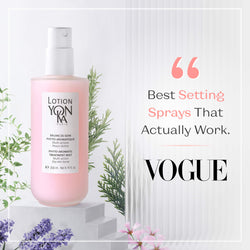
Lotions are generally lighter in consistency because they have a higher water content. This makes them excellent for daytime use or for individuals with mild dryness. Because they absorb quickly without leaving a heavy residue, a facial lotion like Lotion Yon-Ka can provide a refreshing layer of light hydration suitable for skin that feels occasionally tight. However, for those with chronically dry skin, a lotion alone may not provide enough occlusive protection to prevent moisture from evaporating.
The Power of Creams
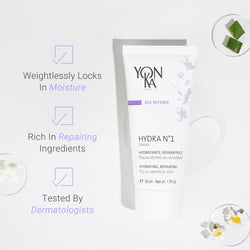
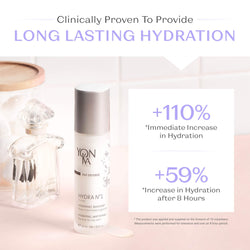
Creams are thicker and contain a higher concentration of oils than lotions. For moderate to severe dryness, a cream is usually the preferred choice. A rich option like Hydra N°1 Crème is designed to provide a protective seal on the skin, helping prevent moisture from escaping. This richness is essential for repairing the appearance of a compromised skin barrier.
Ointments and Balms
Ointments are the heaviest options and are often reserved for extremely localized dryness, such as cracked heels or elbows. While highly effective at sealing in moisture, they can feel greasy on the face or larger areas of the body. In a professional skincare ritual, we often prefer a rich cream or a specialized oil-in-serum to provide these benefits without the heavy, stifling feel of a traditional ointment.
Essential Ingredients for Dry Skin
When evaluating what kind of lotion is good for dry skin, the ingredient list is your most reliable guide. A sophisticated formula should contain a combination of three types of ingredients: humectants, emollients, and occlusives.
Humectants: The Moisture Magnets
Humectants are ingredients that attract water. They act like a sponge, pulling moisture from the air or from the deeper layers of your skin up to the surface.
- Hyaluronic Acid: A gold-standard humectant that can hold many times its weight in water, helping the skin look plump and smooth.
- Glycerin: A classic, reliable ingredient that supports the skin's moisture balance.
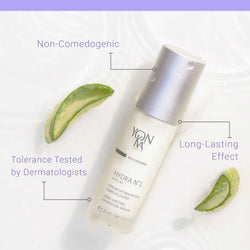
- Aloe Vera: Provides soothing hydration while calming the look of irritation.
Emollients: The Smoothing Agents
Emollients fill in the tiny gaps between skin cells where lipids are missing. They help to smooth the skin's surface and improve overall texture.
- Ceramides: These are waxy lipid molecules naturally found in the skin barrier. Using a ceramide-rich product helps to support smoother-looking skin.
- Plant Oils: Ingredients like jojoba, hazelnut, and grape seed oil provide essential fatty acids that nourish the skin.
- Shea Butter: A rich, natural fat that provides intense softening benefits.
Occlusives: The Protective Shield
Occlusives create a physical barrier on the skin to lock everything in. They are the "cap" on the bottle that helps prevent your hydration from vanishing.
- Beeswax: A natural occlusive often found in richer creams.
- Squalane: A stable version of the skin's natural oils that seals in moisture while remaining breathable.
- Plant-based waxes: These provide a protective layer without the use of synthetic petroleum products.
Key Takeaway: The most effective moisturizers for dry skin combine humectants to hydrate, emollients to smooth, and occlusives to protect. Look for a balance of these three to ensure both immediate comfort and long-term barrier support.
The Phyto-Aromatic Approach to Nutrition
At Yon-Ka, our heritage is rooted in the belief that nature provides the most potent solutions for skin health. We utilize the power of "phyto-aromatics"—the combination of plant extracts and essential oils.
Central to our formulations is the Quintessence, an exclusive complex of five essential oils: lavender, geranium, rosemary, cypress, and thyme. This 100% natural and active complex does more than just provide a beautiful scent; it helps to revitalize and stabilize the skin. For dry skin, the aromachology benefits—the way scents affect our well-being—turn a moisturizing routine into a moment of relaxation.
When plant oils are combined with these essential oils, the skin receives a more complete form of nutrition. This means the skin can better benefit from a formula designed with both sensory comfort and skincare performance in mind.
Building a Ritual for Dry Skin
If your skin is perpetually dry, simply applying a lotion once a day is rarely enough. A consistent, layered ritual is the key to lasting results.
Step 1: Gentle Cleansing
Dry skin is easily irritated by harsh surfactants that strip away natural oils. Avoid foaming cleansers that leave the skin feeling "squeaky clean," as this is often a sign of a stripped barrier. Instead, use a milk-based cleanser like Lait Nettoyant. This gentle cleansing milk removes impurities while maintaining the skin's lipid balance.
Step 2: Prepare with a Mist
Before applying your moisturizer, use a toning mist like Lotion Yon-Ka. This is not a traditional toner meant to strip the skin; it is a phyto-aromatic step that helps prep the skin for what follows.
Step 3: Targeted Treatment
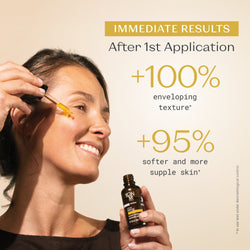
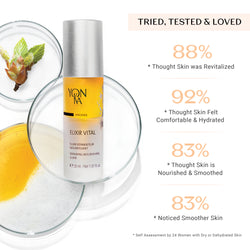
For intense dryness, a serum or booster can provide a concentrated dose of nutrients. Serum Omega is a lipid-restoring oil-in-serum designed specifically for very dry or compromised skin. Alternatively, you can add a few drops of Booster Nutri+ to your usual cream to give it a nutritional upgrade during colder months.
Step 4: Moisturize and Seal
Apply your chosen cream while the skin is still slightly damp from your mist. For profound hydration, Hydra N°1 Crème is an excellent choice, as it is designed for dry skin that needs richer comfort. If your concern is also related to aging, Excellence Code Crème offers premium anti-aging benefits alongside intense nutrition.
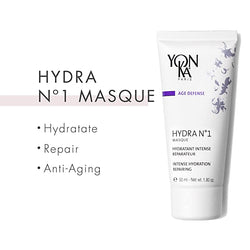
Yon-Ka Tip: For an overnight "moisture surge," apply a thick layer of Hydra N°1 Masque before bed. This leave-on mask acts as an intensive treatment that helps you wake up with refreshed, dewy-looking skin.
Body Care: Beyond the Face
The skin on your body has fewer oil glands than the face, making it particularly prone to dryness, especially on the legs, arms, and hands. When considering what kind of lotion is good for dry skin on the body, look for formulas that offer a sensorial yet nourishing experience.
Our body creams and oils are categorized by their botanical benefits. For example, a nourishing body oil can be applied to damp skin immediately after a shower to lock in moisture. For areas that are prone to extreme dryness, such as the elbows or knees, a rich cream provides the occlusive barrier needed to prevent cracking and flakiness.
Common Myths About Moisturizing Dry Skin
In the world of skincare, there is much misinformation regarding how to treat dry skin. Let's clarify some of the most common misconceptions.
Myth: Drinking more water will cure dry skin.
Fact: While staying hydrated is essential for overall health, it rarely fixes a dry skin type. Dry skin is a lack of oil, not just water. You must apply topical lipids to help support the skin's barrier and keep moisture from escaping.
Myth: Exfoliating more will get rid of dry flakes.
Fact: Over-exfoliating dry skin can actually damage the barrier further, leading to more flakiness and sensitivity. Instead, use a gentle exfoliator like Gommage Yon-Ka once or twice a week to polish the skin without irritation.
Myth: You should only moisturize when your skin feels dry.
Fact: Consistency is the foundation of skin health. By the time your skin feels dry or tight, the barrier is already compromised. Regular, twice-daily application is necessary to help prevent dryness before it starts.
Important Safety Considerations
When introducing new products into your routine, especially those containing active botanical extracts and essential oils, it is important to follow sensible practices.
- Patch Test: Always perform a patch test when trying a new product. Apply a small amount to your inner forearm and wait 24 hours to check for any reaction.
- Gradual Introduction: Introduce one new product at a time so you can accurately monitor how your skin responds.
- Sensory Cues: A slight, brief tingling can be normal with active essential oils, but persistent redness, burning, or itching is a sign to discontinue use.
- Consult a Professional: If your dry skin is accompanied by severe inflammation, persistent rashes, or cracking that bleeds, consult a dermatologist or physician to rule out medical conditions like eczema or psoriasis.
Environmental and Lifestyle Adjustments
What you do outside of your skincare ritual also impacts your skin's moisture levels. To support your products, consider these lifestyle tips:
- Use Lukewarm Water: Hot water strips the skin of its natural oils. Keep your showers and face-washing sessions at a comfortable, tepid temperature.
- Humidify Your Space: Central heating and air conditioning strip moisture from the air. Using a humidifier in your bedroom at night can significantly reduce morning skin tightness.
- Pat, Don't Rub: When drying your face or body, gently pat the skin with a soft towel. Rubbing can cause micro-friction that irritates dry skin.
- Apply Promptly: The "three-minute rule" is highly effective. Apply your moisturizer within three minutes of exiting the shower or washing your face to help trap the maximum amount of water in the skin.
Conclusion
Selecting what kind of lotion is good for dry skin is a journey of understanding your skin's unique needs for both oil and water. By focusing on high-quality humectants, emollients, and occlusives, and embracing a consistent ritual, you can restore the radiant and comfortable complexion you deserve. At Yon-Ka Paris, we remain dedicated to the art of phyto-aromatic skincare, a legacy that began in 1954 and continues today through our professional spa heritage. We believe that every application should be an opportunity to savor the power of plants.
To find the perfect match for your skin's specific needs, we invite you to take our Skin Diagnosis quiz or use the Product Matcher on our website. For a more personalized experience, you can also use our Spa Locator to find a Yon-Ka professional near you who can provide a customized treatment plan.
"Skincare is not just a routine; it is a moment of connection between the wisdom of nature and the health of your skin."
Bottom line: For dry skin, look for rich, lipid-replenishing creams containing hyaluronic acid, plant oils, and ceramides, and always apply them to damp skin for the best results.
FAQ
Is lotion or cream better for very dry skin?
Cream is generally better for very dry skin because it has a higher oil content and a thicker consistency. While lotions are lighter and contain more water, creams provide a stronger occlusive barrier that helps to seal in moisture and nourish the skin's lipid layer. For those with significant flakiness or tightness, a rich cream like Hydra N°1 Crème is often the most effective choice.
Can I use body lotion on my face if my skin is dry?
It is generally not recommended to use body lotion on your face. The skin on the face is much thinner and more sensitive than the skin on the body, and body lotions often contain heavier oils or fragrances that can clog pores or cause irritation. Facial moisturizers are specifically formulated to provide the right balance of nutrients without causing breakouts or weighing down delicate facial skin.
Why does my skin still feel dry even after I apply lotion?
If your skin still feels dry after moisturizing, you may be missing either "hydration" (water) or "nutrition" (oil). You might also be applying the product to skin that is too dry; try applying your moisturizer to damp skin to help trap more water. Additionally, if your skin barrier is compromised, the moisture may be evaporating too quickly, in which case you might need a richer cream or a targeted booster like Serum Omega.
How often should I moisturize my dry skin?
You should moisturize at least twice a day—once in the morning and once before bed. However, if you live in a very dry climate or work in an office with heavy air conditioning, you may benefit from a midday misting of Lotion Yon-Ka or a light re-application of moisturizer. Consistency is essential for maintaining the skin's barrier and helping prevent the return of dryness.