Table of Contents
- Introduction
- Understanding the Difference Between Dry and Dehydrated Skin
- Common Culprits Behind Facial Dryness
- The Best Ingredients to Look for in Your Skincare
- Building a Daily Ritual for Dry Skin
- Weekly Treatments: The Power of the Mask
- Lifestyle Habits That Support Skin Hydration
- Myth vs. Fact: Common Dry Skin Misconceptions
- Safety and Sensitivities
- Professional Treatments for Next-Level Results
- Conclusion
- FAQ
Introduction
That unmistakable feeling of tightness after washing your face, the appearance of fine, parched lines, or the frustration of flaky patches that refuse to stay smooth—dry skin is more than a cosmetic concern. It is a signal from your skin barrier that it needs support and protection. When searching for what is the best thing for dry skin on face, many hope for a single "miracle" ingredient, but the reality is more holistic. True relief comes from a consistent ritual that restores lipids, attracts moisture, and prevents water from escaping the skin's surface.
At Yon-Ka Paris, we have spent seven decades mastering the art of phyto-aromatic care to address these exact concerns. We believe the best approach is a layered method that mirrors the skin's natural architecture. This article will explore the biological causes of dryness, the essential ingredients to look for, and how to build a routine that transforms a dull, rough complexion into one that feels soft, supple, and resilient.
Quick Answer: The best thing for dry skin on the face is a combination of humectants to draw in water (like hyaluronic acid), emollients to smooth the surface (like plant oils), and occlusives to seal everything in. Consistency with gentle, barrier-respecting cleansers and lipid-restoring creams is the key to lasting comfort.
Understanding the Difference Between Dry and Dehydrated Skin
Before we can address how to treat the skin, we must define what is actually happening beneath the surface. It is a common misconception that "dry" and "dehydrated" are the same thing. In the world of professional skincare, they represent two distinct states that require different solutions.
Dry skin is a skin type. If you have a dry skin type, your sebaceous glands do not produce enough sebum, which is the skin's natural oil. Without this oil, the skin lacks the lipids necessary to retain moisture and build a strong protective shield. This often results in a texture that feels rough or looks flaky.
Dehydrated skin, on the other hand, is a temporary condition that can affect any skin type, including oily skin. It occurs when there is a lack of water in the stratum corneum (the outermost layer of the skin). You might have plenty of oil but still feel "tight" or notice that your skin looks dull and shows fine "dehydration lines" when you smile.
The best thing for dry skin on the face addresses both oil and water. By replenishing the lipids the skin is missing and providing deep hydration, we can restore the look of health and vitality to the complexion. For a deeper look at that distinction, see our guide on dry vs. dehydrated skin.
Common Culprits Behind Facial Dryness
Understanding what triggers dryness is the first step in preventing it. While genetics play a significant role in your skin type, several external and internal factors can exacerbate the feeling of parched skin.
Environmental Stressors
The environment is one of the most frequent causes of sudden skin changes. In the winter, cold air holds less moisture, and indoor heating systems further strip the air of humidity. This creates a "wicking" effect, where the air literally pulls moisture out of your face. Conversely, excessive sun exposure can damage the skin barrier over time, making it harder for your skin to stay hydrated even in humid weather.
Harsh Cleansing Habits
Many traditional soaps and foaming cleansers use aggressive surfactants like sulfates. These ingredients are designed to "cut" through oil, but they often do their job too well, stripping away the vital lipids that hold your skin cells together. If your skin feels squeaky clean or tight immediately after washing, your cleanser is likely too harsh. A gentler first step like Lait Nettoyant can help remove impurities without that stripped feeling.
The Impact of Aging
As we age, our skin naturally produces less sebum. For many, this decline becomes noticeable in their 40s. Additionally, the skin's natural supply of hyaluronic acid and ceramides—the "glue" that keeps the barrier intact—begins to diminish. This makes the skin more prone to dryness and more sensitive to environmental changes.
Hot Water Exposure
While a steaming hot shower feels relaxing, it is one of the worst things for dry skin. Hot water can melt the very oils that protect your face, leaving the barrier compromised. We always recommend using lukewarm water for all facial cleansing rituals to maintain the integrity of the skin.
The Best Ingredients to Look for in Your Skincare
When reading an ingredient label, it helps to know which botanical and scientific actives are designed to support dry skin. The best formulas combine three types of ingredients: humectants, emollients, and occlusives.
- Humectants: These act like magnets for moisture. Hyaluronic acid is the most famous example, capable of holding many times its weight in water. It helps to "plump" the appearance of the skin from within. Glycerin is another powerhouse humectant that draws water into the deeper layers of the epidermis.
- Emollients: These fill in the microscopic gaps between skin cells, creating a smooth surface. Squalane, jojoba oil, and shea butter are excellent plant-based emollients that mimic the skin’s natural oils without feeling heavy or greasy.
- Occlusives: These create a physical barrier on top of the skin to prevent "trans-epidermal water loss" (TEWL). While some people use heavy petroleum-based products, botanical waxes and oils like beeswax or pomegranate oil can provide this protection while allowing the skin to breathe.
At Yon-Ka, we enhance these ingredients with our signature Quintessence. This blend of lavender, geranium, rosemary, cypress, and thyme essential oils does more than provide a beautiful scent; it supports the skin’s natural reparative processes and provides a sensorial experience that turns a routine into a ritual. To learn more about the foundation behind these formulas, visit our ingredients page.
Building a Daily Ritual for Dry Skin
The "best thing" for your face is not just a product, but the order in which you apply your care. Following a layered, barrier-respecting ritual ensures that your skin receives the maximum benefit from every drop.
Step 1: Gentle, Lipid-Respecting Cleansing
For dry skin, the goal of cleansing is to remove impurities without disturbing the delicate mantle of the skin. A milk-based cleanser is often the superior choice. Lait Nettoyant is a gentle cleansing milk that removes makeup and debris while leaving a veil of moisture behind. It respects the skin's pH and prevents that post-wash tightness.
Step 2: Prepare and Hydrate with a Mist
Many people skip toner, thinking it is an unnecessary step. However, for dry skin, a phyto-aromatic mist like Lotion Yon-Ka PS is essential. It is alcohol-free and infused with the Quintessence. Spraying this onto the skin helps to "prime" the face, making it more receptive to the serums and creams that follow. Applying your next steps while the skin is still slightly damp from the mist is one of the most effective ways to lock in hydration. If you want to explore this category further, browse our face toners and mists collection.
Step 3: Targeted Treatment with Serums
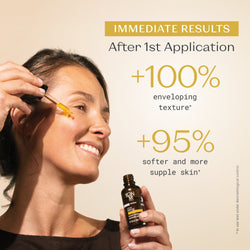
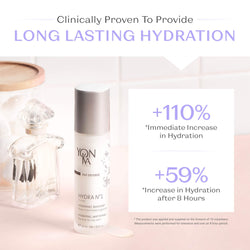
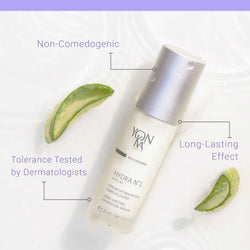
If your skin is severely dry or shows signs of aging, a serum provides a concentrated dose of actives. For intense hydration, Hydra n°1 Serum uses a double dose of hyaluronic acid to reach different levels of the skin. If your skin feels more "thirsty" for oil and lipids, Serum Omega is a lipid-restoring oil-in-serum that provides immediate comfort and helps the appearance of a repaired barrier. You can also explore our broader serums and elixirs collection to compare options.
Step 4: Protect and Moisturize
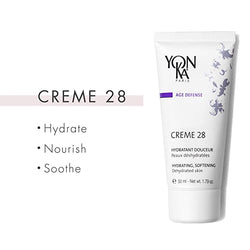
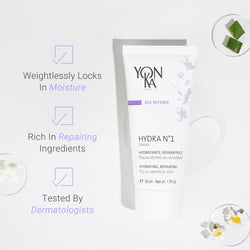
This is the step where you seal in your hard work. For daily use, a cream like Hydra n°1 Crème provides long-lasting hydration and protects the skin from environmental stressors. If you are noticing the first signs of fine lines alongside dryness, Élastine Nuit provides a more emollient texture that supports the skin during its nightly repair phase. If you want to see more options for this step, visit our face moisturizers collection.
Step 5: Sun Protection
Sun damage is a major contributor to a compromised skin barrier. Always finish your morning routine with broad-spectrum protection. This prevents UV rays from further drying out the skin and causing premature aging. For a structured morning sequence, our morning radiance and protection routine can help you map the order.
Key Takeaway: Skincare for dry skin should follow a "damp-to-dry" philosophy. Apply water-based mists and serums to slightly damp skin, then seal them in with an oil-rich cream to prevent evaporation.
Weekly Treatments: The Power of the Mask
Sometimes, daily moisturizing isn't enough to combat extreme weather or a flare-up of dryness. This is where a weekly mask becomes the "best thing" you can do for your face.
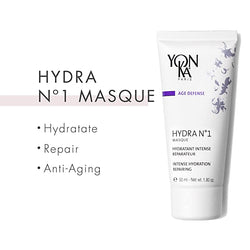
A high-quality hydrating mask provides an intensive "bath" of moisture. Hydra n°1 Masque is specifically designed for this purpose. It can be applied in a thick layer for 10–15 minutes, or for those with very dry skin, it can be applied in a thin layer and left on overnight. This allows the ingredients—like vitamins A, C, and E—to work alongside hydrating plant extracts to deeply revitalize the appearance of the skin while you sleep. For a deeper dive into this category, read which face mask is best for dry skin.
For those who feel their skin has become dull or rough, a non-grainy exfoliator like Gommage Yon-Ka can be used once a week. Unlike harsh scrubs that can scratch dry skin, this botanical peel uses carob and lime extracts to gently lift away dead skin cells, allowing your moisturizers to penetrate more effectively. You can also read our product spotlight on Gommage Yon-Ka for more context.
Lifestyle Habits That Support Skin Hydration
While topical products are vital, your internal habits also play a role in how your skin looks and feels.
- Hydrate from within: While drinking water doesn't automatically "fix" dry skin, chronic dehydration can make the skin appear more sallow and less resilient. Aim for consistent water intake throughout the day.
- Use a Humidifier: If you live in a dry climate or use central heating, a humidifier in your bedroom can be a game-changer. It adds moisture back into the air, preventing your skin from drying out overnight.
- Watch the Diet: Incorporating healthy fats—like those found in avocados, walnuts, and fatty fish—provides the building blocks your body needs to produce its own natural lipids.
- Check Your Laundry: Sometimes, it isn't your skincare that's the problem, but your detergent. Fragrances and dyes in laundry soap can transfer to your pillowcase and irritate dry, sensitive facial skin. Opt for hypoallergenic, fragrance-free options.
Myth vs. Fact: Common Dry Skin Misconceptions
Myth: Drinking more water will cure dry skin. Fact: Dry skin is often a lack of oil (lipids), not just water. While hydration is important, you must apply topical lipids to repair the barrier and keep the moisture from evaporating.
Myth: Exfoliating more will get rid of dry flakes. Fact: Over-exfoliating can actually damage the skin barrier further, leading to more dryness and irritation. It is better to focus on hydration first and use a very gentle, non-abrasive exfoliator only once the skin feels more comfortable.
Myth: Face oils are the only thing dry skin needs. Fact: Oils provide emollients, but they don't always provide the humectants (like hyaluronic acid) that draw water into the skin. A combination of a water-based hydrator and an oil-based sealer is the best approach.
Safety and Sensitivities
When introducing new products into your ritual, especially those containing botanical extracts and essential oils, it is always wise to take a measured approach.
- Patch Test: Apply a small amount of a new product to your inner forearm and wait 24 hours to ensure your skin welcomes the ingredients.
- Introduce One at a Time: Do not change your entire routine overnight. Introduce one new product every week so you can monitor how your skin responds.
- Listen to Your Skin: A slight, brief tingling can sometimes occur with active botanical ingredients, but if you experience persistent redness, itching, or a burning sensation, discontinue use and consult a professional.
If you have persistent skin concerns that do not improve with a consistent home ritual, or if you notice sudden changes such as severe peeling, crusting, or painful cracks, please consult a physician or a dermatologist. These can be signs of underlying medical conditions like eczema or psoriasis that may require specialized care.
Professional Treatments for Next-Level Results
While a home ritual is the foundation of healthy skin, a professional facial can provide results that are difficult to achieve on your own. Professional-grade products and techniques used by trained estheticians can deeply infuse the skin with moisture and provide a thorough analysis of your skin’s specific needs.
At Yon-Ka Paris, our heritage is rooted in the professional spa environment. Over 7,000 professionals worldwide trust our methods to deliver visible improvements in skin texture and comfort. A treatment like the "Le Grand Classique" or a deep hydration facial can reset your skin, making your home products work even harder for you. You can find a local partner through our Spa Locator to experience these phyto-aromatic rituals firsthand.
Conclusion
Finding the best thing for dry skin on your face is about moving away from the idea of a "quick fix" and embracing a ritual that respects your skin's biological needs. By combining gentle cleansing, aromatic hydration, and lipid-rich protection, you can transform the way your skin looks and feels.
Whether you are navigating the harsh winter months or managing a naturally dry skin type, the key lies in consistency and the quality of your botanical ingredients. Skincare is a daily opportunity to care for yourself, and for over 70 years, we have been dedicated to making that ritual both effective and deeply sensorial.
To find the perfect products for your unique complexion, we invite you to take our Skin Diagnosis quiz or use the Product Matcher on our website.
"Skincare is not just about correcting a concern; it is a ritual of wellness that connects the power of nature with the science of the skin."
FAQ
How often should I moisturize my face if it is very dry?
You should moisturize at least twice a day—once in the morning and once before bed. However, if you are in a very dry environment or have extremely parched skin, you can reapply a hydrating mist and a light layer of moisturizer throughout the day to maintain comfort. If you want a richer option, review what is the best face moisturizer for extremely dry skin.
Can I use hot water to wash my face if I moisturize immediately after?
It is best to avoid hot water entirely for facial cleansing. Hot water can damage the skin barrier and strip away natural oils faster than a moisturizer can replace them. Stick to lukewarm water to keep your skin's protective mantle intact.
Is hyaluronic acid better than face oil for dry skin?
Neither is "better" than the other; they serve different purposes. Hyaluronic acid is a humectant that draws water into the skin, while face oil is an emollient that smooths the surface and seals moisture in. For the best results, use both: apply a hyaluronic serum first, followed by a face oil or oil-rich cream. If you want a serum-focused option, see which face serum is best for dry skin.
When should I see a dermatologist about my dry skin?
If your skin remains extremely dry despite a consistent routine, or if you experience symptoms like intense itching, bleeding, weeping, or persistent red patches, you should consult a dermatologist. These could be signs of a medical condition like atopic dermatitis or psoriasis that requires professional diagnosis and treatment.