Table of Contents
- Introduction
- Understanding the Needs of Dry and Sensitive Skin
- The Three Pillars of Effective Hydration
- Key Ingredients to Look For (and Avoid)
- Comparing Texture: Cream vs. Lotion
- The Yon-Ka Ritual for Dry Sensitive Skin
- Essential Oil Safety for Sensitive Complexions
- Addressing Redness and Puffiness
- Environmental Factors and Lifestyle
- Why Professional Skincare Makes a Difference
- Conclusion
- FAQ
Introduction
Finding the perfect balance of comfort and hydration can feel like an endless search when your skin feels perpetually tight, parched, or easily irritated. That elusive "glow" often seems hidden behind a veil of flakiness or redness, leaving you longing for a complexion that feels as soft as it looks. At Yon-Ka Paris, we believe that addressing dry, sensitive skin requires more than just a heavy cream; it requires a holistic, phyto-aromatic approach that respects the skin’s delicate ecosystem. This guide will explore the essential ingredients your skin craves, how to identify a compromised skin barrier, and how to select a formula that provides lasting relief without irritation. By understanding the synergy between botanical science and professional-grade hydration, you can finally transform your daily routine into a restorative ritual.
Quick Answer: The best facial moisturizer for dry sensitive skin is a rich, emollient cream formulated with barrier-repairing ingredients like ceramides, hyaluronic acid, and soothing botanicals like aloe vera or shea butter. Look for professional-grade formulas that exclude harsh synthetic fragrances and prioritize "occlusives" to lock in moisture and prevent further irritation.
Understanding the Needs of Dry and Sensitive Skin
To find the right solution, we must first understand the problem. Dry skin and sensitive skin are two distinct concerns that often travel together. Dry skin is a skin type characterized by a lack of oil (lipids), while sensitivity is a skin condition where the barrier is easily reactive to external triggers.
When these two overlap, the skin’s natural protective shield—the moisture barrier—is often compromised. A healthy barrier acts like a well-sealed brick wall, keeping hydration inside and environmental aggressors out. When this wall develops cracks, water escapes through a process called transepidermal water loss (TEWL). This leads to that familiar feeling of "thirst," accompanied by stinging, itching, or visible redness.
Choosing a moisturizer for this specific combination requires a formula that does three things simultaneously: it must attract moisture, replenish missing lipids, and create a breathable seal to protect the skin while it repairs itself.
The Three Pillars of Effective Hydration
In the world of skincare formulation, not all moisturizers are created equal. To effectively support dry, sensitive complexions, a product should ideally contain a balance of three types of ingredients: humectants, emollients, and occlusives. If you want a deeper ingredient-led breakdown, start with our phyto-aromatic formula philosophy.
Humectants: The Water Magnets
Humectants are ingredients that draw moisture into the skin. They act like tiny sponges, pulling water from the deeper layers of the dermis or even from the humidity in the air into the outer layer of the skin (the epidermis).
- Hyaluronic Acid: A powerhouse molecule that can hold up to 1,000 times its weight in water. It helps the skin appear plump and dewy.
- Glycerin: A classic, reliable humectant that provides immediate smoothing benefits.
- Aloe Vera: Known for its cooling properties, aloe provides hydration while calming the appearance of redness.
Emollients: The Smoothers
Emollients are lipids (fats) that fill in the "gaps" between skin cells where moisture has escaped. They help the skin feel soft and flexible rather than rough or tight.
- Squalane: A stable version of squalene, which is naturally found in our skin’s sebum. It is highly compatible with the skin and provides deep nourishment without a greasy feel.
- Ceramides: These are essential fatty acids that act as the "glue" holding our skin cells together. They are critical for restoring a damaged barrier.
- Plant Oils: Ingredients like grape seed oil or hazelnut oil provide essential fatty acids that support skin elasticity.
Occlusives: The Protectors
Occlusives form a thin, protective layer on the surface of the skin to prevent water from evaporating. For those with extreme dryness, this step is non-negotiable.
- Shea Butter: A rich, botanical butter that offers intense nourishment and protection.
- Beeswax: A natural occlusive that creates a breathable barrier against harsh weather and wind.
- Phytosqualane: Derived from olives, it helps to lock in humectants and emollients for long-term comfort.
Key Ingredients to Look For (and Avoid)
When scanning a label, the goal is to find ingredients that support the skin’s natural functions without causing a "flare-up." At Yon-Ka, we prioritize ingredients of natural origin that offer high efficacy with a gentle touch. To see what goes into our formulas, explore our ingredients page.
What to Embrace
- Allantoin: Extracted from the comfrey plant, this ingredient is celebrated for its ability to soothe the skin and support natural renewal.
- Vitamin B5 (Panthenol): A deep-penetrating hydrator that helps improve the appearance of the skin’s barrier.
- The Quintessence: Our signature complex of five essential oils (lavender, geranium, rosemary, cypress, and thyme). While some fear essential oils for sensitivity, this specific, standardized blend is formulated at active yet safe levels to provide both aromatic benefits and skin-balancing properties.
What to Avoid
If your skin is currently in a reactive state, certain "active" ingredients may be too aggressive.
- High-strength Retinol: While great for aging, it can be too drying for those with an already weak barrier.
- Harsh AHAs: High concentrations of Glycolic Acid may cause stinging. Opt for gentler alternatives or lower concentrations like those found in our Glyconight 10% Masque once your skin is stabilized.
- Synthetic Fragrances: These are a leading cause of contact dermatitis and irritation. We use only natural aromatic essences for this reason.
Key Takeaway: The best moisturizer for dry, sensitive skin is not just about "thickness." It is about a balanced formula that combines humectants for thirst, emollients for texture, and occlusives for protection.
Comparing Texture: Cream vs. Lotion
For dry and sensitive skin, the texture of your moisturizer often dictates its performance. Use the table below to understand which might be better for your specific needs.
| Feature | Moisturizing Cream | Moisturizing Lotion/Gel |
|---|---|---|
| Water-to-Oil Ratio | Higher oil content | Higher water content |
| Best For | Intense dryness, nighttime, winter | Dehydration, daytime, summer |
| Feel | Rich, velvety, protective | Lightweight, cooling, fast-absorbing |
| Goal | Barrier repair and lipid replenishment | Quick hydration and plumping |
| Yon-Ka Example | Hydra n°1 Crème | Hydra n°1 Fluide |
The Yon-Ka Ritual for Dry Sensitive Skin
We believe that skincare is a ritual, not a chore. Applying a moisturizer in isolation is often not enough to heal the skin. A layered approach ensures that each product prepares the skin for the next.
Step 1: Gentle Cleansing
For dry, sensitive skin, your cleanser should never leave your face feeling "squeaky clean," which usually indicates that your natural oils have been stripped. Our Lait Nettoyant is a silk-textured cleansing milk that removes makeup and impurities while respecting the hydrolipidic film. It contains bornyl acetate and lavender for a soothing start to your routine.
Step 2: The Phyto-Aromatic Mist
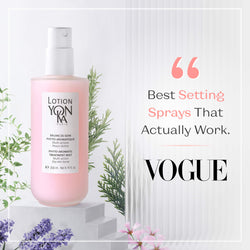
After cleansing, damp skin is more receptive to moisture. Instead of a traditional drying toner, we recommend Lotion Yon-Ka PS. This alcohol-free mist is specifically designed for dry (PS stands for Peaux Sèches) skin. It features our signature Quintessence and acts as a "primer" for your moisturizer, helping it penetrate more effectively.
Step 3: Targeted Treatment
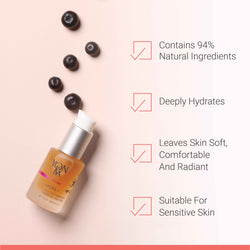
If your skin feels particularly vulnerable, adding a booster can customize your hydration. Nutri + Booster is an oil-based elixir that can be mixed directly into your cream. It is rich in vitamin E and wheat germ oil, providing an extra layer of antioxidant protection and nourishment.
Step 4: The Hero Moisturizer
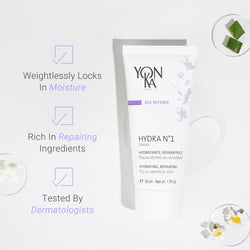
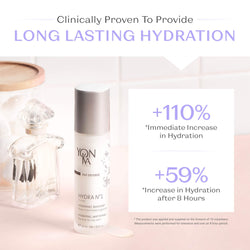
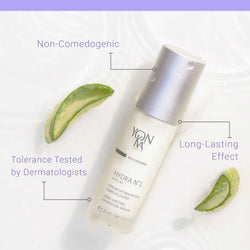
This is the core of your routine. For the appearance of intense hydration and long-lasting comfort, Hydra n°1 Crème is our premier recommendation. It is an "anti-dehydration" cocoon that uses two types of hyaluronic acid along with shea butter and hazelnut oil. It specifically targets the look of fine lines caused by dehydration while calming the sensation of tightness.
Step 5: Sun Protection
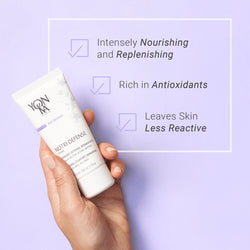
Sensitivity is often exacerbated by UV damage. During the day, always finish with a protective layer. Our Vital Defense cream provides antioxidant protection against pollution and environmental stressors, which can otherwise trigger sensitivity.
Essential Oil Safety for Sensitive Complexions
Because our formulas are rooted in aromatherapy, we prioritize the safety and stability of our essential oil blends. However, when introducing any professional-grade product to a sensitive routine, we recommend a simple safety protocol:
- The Patch Test: Apply a small amount of the product to your inner forearm. Wait 24 hours to ensure no redness or itching occurs.
- The One-at-a-Time Rule: Introduce only one new product into your routine every few days. This allows you to identify exactly how your skin reacts to each formula.
- Monitor Sensation: A slight, brief tingling can be normal as botanical actives begin to work, but persistent heat, redness, or discomfort means you should rinse the product off and consult your skincare professional.
Addressing Redness and Puffiness
Often, those with dry, sensitive skin also struggle with the appearance of "tired" eyes or localized redness. For the delicate eye area, which is thinner and prone to dryness, a targeted treatment is essential. Our Eye & Lip Contour products are designed for the most delicate areas, including puffiness, dark circles, and wrinkles.
For the rest of the face, if redness is your primary concern, look into our Sensitive Creme. It is formulated to provide a neutral, calming environment for highly reactive skin.
Myth: "Oily skin cannot be dry." Fact: Oily skin can be "dehydrated," meaning it lacks water even if it has plenty of oil. However, truly "dry" skin lacks oil production. If you have oily-yet-sensitive skin, you need a lightweight humectant like Hydra n°1 Fluide rather than a heavy, lipid-rich cream.
Environmental Factors and Lifestyle
The best moisturizer in the world cannot work in a vacuum. External factors can significantly impact how your skin feels:
- Humidity: Low humidity in the winter or from indoor heating "pulls" moisture out of your skin. Using a humidifier in your bedroom can help your moisturizer do its job overnight.
- Water Temperature: Hot water is the enemy of dry, sensitive skin. It melts away the very lipids your skin needs to stay hydrated. Always wash your face with lukewarm water.
- Consistency: Skincare results are cumulative. The appearance of a restored barrier typically takes 28 to 40 days—the time it takes for a full cycle of new skin cells to reach the surface.
Why Professional Skincare Makes a Difference
With over 70 years of expertise and a presence in over 7,000 professional spas worldwide, Yon-Ka products are born from the treatment room. This means our moisturizers are tested by estheticians who see every skin type and concern. If you’d rather start with a guided recommendation, you can take our Skin Diagnosis quiz or use the Product Matcher.
Unlike mass-market products that may use "filler" ingredients to achieve a certain texture, our formulas average 92% ingredients of natural origin. We manufacture everything in our own facility near Paris to ensure the highest standards of purity and potency. For a truly transformative experience, you can also find a Yon-Ka spa near you for personalized analysis and treatment.
Conclusion
Selecting the best facial moisturizer for dry sensitive skin is an act of self-care that requires listening to your skin’s needs. By choosing a formula rich in humectants, emollients, and occlusives—like our Hydra n°1 Crème—you provide your skin with the tools it needs to repair its barrier and regain its natural radiance. Remember that a consistent ritual, beginning with a gentle cleanse and ending with protective moisture, is the key to lasting comfort.
At Yon-Ka Paris, our mission is to provide you with a sensorial journey that marries the power of nature with pharmaceutical-grade rigor. We believe that when your skin feels nurtured, you feel empowered.
- Focus on the Barrier: Look for ceramides and fatty acids to "seal" the skin.
- Hydrate Layers: Use a mist like Lotion Yon-Ka PS before your cream to boost absorption.
- Be Patient: Consistency is the foundation of a healthy, glowing complexion.
"Skincare is not just about correcting the surface; it is about creating a moment of harmony between your body and the botanical world." — The Yon-Ka Philosophy
FAQ
Is it better to apply moisturizer to wet or dry skin?
It is significantly better to apply moisturizer to slightly damp skin. When your skin is damp, it is more permeable, allowing humectants like hyaluronic acid to "grab" that surface moisture and pull it into the epidermis for deeper hydration.
Can I use a facial oil instead of a moisturizer for dry skin?
While facial oils provide excellent nourishment and act as emollients, they do not usually contain humectants (which provide water). For the best results, use a water-based moisturizer first to hydrate the skin, and then layer an oil like Serum Omega on top to "lock" everything in.
Why does my face sting when I apply moisturizer?
Stinging often indicates a "compromised skin barrier," meaning there are microscopic cracks in your skin’s surface. When this happens, even gentle ingredients can cause a reaction; switch to a very simple, soothing formula like Sensitive Creme and avoid all exfoliants until the stinging subsides.
How often should I moisturize if my skin is extremely dry?
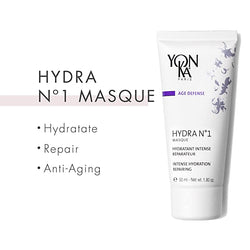
You should moisturize at least twice a day—once in the morning and once before bed. For extreme dryness, you can also apply a hydrating mask, such as Hydra N°1 Masque, two to three times a week or even leave it on overnight as an intensive treatment.