Table of Contents
- Introduction
- Understanding the Nature of Dry Skin
- Key Ingredients to Look For
- Building a Phyto-Aromatic Ritual for Dry Skin
- Weekly Treatments for Intense Hydration
- External Factors and Lifestyle Adjustments
- The Importance of Sun Protection
- Phyto-Aromatic Science and Safety
- The Professional Advantage
- Common Myths About Dry Skin
- Conclusion
- FAQ
Introduction
Waking up to a complexion that feels tight, looks flaky, or lacks its usual radiance can be a frustrating start to the day. When the skin on your face feels parched, it is more than just a surface-level inconvenience; it is a signal that your delicate moisture barrier needs focused, restorative care. Finding what is good for dry skin on your face involves moving beyond heavy creams and looking toward a ritual that replenishes lipids, locks in hydration, and restores the skin's natural suppleness.
At Yon-Ka Paris, we believe that addressing dryness requires a harmonious blend of botanical science and professional-grade rituals rooted in our ingredients. This article explores the essential ingredients, lifestyle adjustments, and targeted treatments designed to transform a rough, dehydrated texture into one that feels velvety and resilient. By understanding the unique needs of dry skin, you can build a consistent routine that provides lasting comfort and a healthy-looking glow.
Understanding the Nature of Dry Skin
To effectively address dryness, we must first understand what is happening beneath the surface. Dry skin, often referred to as xerosis in a cosmetic context, occurs when the skin’s outermost layer lacks the necessary lipids (fats) and moisture to function as a healthy barrier. This barrier is responsible for keeping hydration in and environmental irritants out.
When this lipid shield is compromised, a process called transepidermal water loss (TEWL) accelerates. This means the water within your skin evaporates into the air more quickly than your body can replace it. The result is the hallmark signs of dryness: visible flaking, a rough texture, fine lines that appear more pronounced, and a persistent feeling of tightness, especially after cleansing.
Unlike dehydrated skin, which is a temporary condition caused by a lack of water, true dry skin is a skin type that naturally produces less sebum (oil). This lack of oil means the skin lacks the "glue" needed to hold moisture in place. Therefore, the best solutions for dry skin focus on both adding water-binding ingredients and replenishing the essential oils that seal that hydration into the tissue.
Key Ingredients to Look For
Selecting the right ingredients is the cornerstone of managing a dry complexion. Not all moisturizers are created equal; some focus on adding water, while others focus on preventing its escape. A balanced approach uses a combination of humectants, emollients, and occlusives.
Humectants for Water Retention
Humectants are ingredients that act like magnets for moisture. They draw water from the atmosphere and the deeper layers of the skin into the epidermis.
- Hyaluronic Acid: A powerhouse molecule that can hold up to 1,000 times its weight in water. It helps the skin appear plump and smooth.
- Glycerin: A classic, highly effective humectant that supports the skin's moisture balance and helps improve the appearance of the skin barrier.
- Aloe Vera: Known for its soothing properties, it provides immediate hydration to parched cells.
Emollients for Texture and Repair
Emollients fill in the microscopic gaps between skin cells, smoothing out a rough or "sandpaper" texture.
- Squalane: Often derived from olives, squalane mimics the skin's natural sebum, providing deep nourishment without a heavy, greasy feel.
- Plant Oils: Oils such as sacha inchi, pomegranate, and apricot kernel are rich in omega fatty acids, which are essential for repairing the look of a damaged barrier.
- Shea Butter: A rich, botanical fat that provides intense comfort and softness to extremely dry areas.
Occlusives for Protection
Occlusives create a physical shield on the skin’s surface to prevent water from evaporating. While some synthetic occlusives can feel suffocating, botanical waxes and specific plant butters offer protection while allowing the skin to breathe.
Quick Answer: The most effective way to treat dry skin on the face is a combination of humectants like hyaluronic acid to attract water and lipid-rich plant oils to seal that moisture in. Consistent layering of a gentle cleanser, a hydrating mist, and a nourishing moisturizer is essential for long-term comfort.
Building a Phyto-Aromatic Ritual for Dry Skin
At the heart of our philosophy is the belief that skincare should be a sensorial journey that delivers professional results. For dry skin, this means a layered approach that respects the skin's delicate balance.
Step 1: Gentle, Barrier-Respecting Cleansing
The most common mistake for those with dry skin is using a foaming or harsh cleanser that strips away the few natural oils the skin possesses. Instead, reach for a creamy, milk-based cleanser like Lait Nettoyant. This formula cleanses away impurities and makeup while maintaining the skin’s hydro-lipidic film. By using a gentle touch and lukewarm water—never hot—you ensure the skin remains calm and hydrated from the very first step.
Step 2: The Essential Hydrating Mist
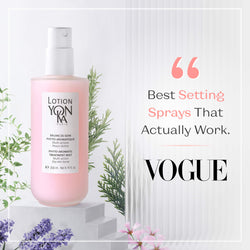
After cleansing, the skin needs to be prepared to receive treatment. Our signature Lotion Yon-Ka PS (formulated specifically for dry skin) is much more than a toner. This alcohol-free mist is infused with our proprietary Quintessence—an exclusive complex of lavender, geranium, rosemary, cypress, and thyme essential oils. It rebalances the skin, provides an immediate burst of hydration, and enhances the absorption of the serums and creams that follow.
Step 3: Targeted Treatment with Serums and Boosters
For skin that feels exceptionally parched, a moisturizer alone may not be enough. This is where high-performance concentrates come in, and you can explore them in our serums & elixirs collection.
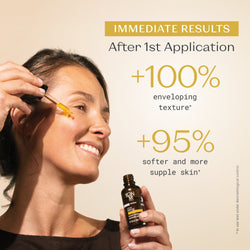
- Serum Omega: This "SOS" treatment is rich in omega 3, 6, and 9 fatty acids. It is specifically designed to repair the appearance of the skin barrier and provide immediate relief to tight, uncomfortable skin.
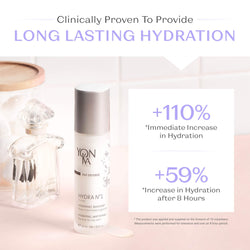
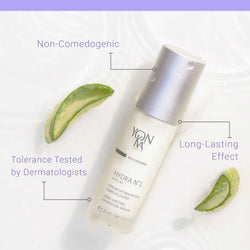
- Hydra n°1 Serum: A long-lasting, deep-hydrating serum featuring two types of hyaluronic acid. It is ideal for skin that looks dull and feels dehydrated.
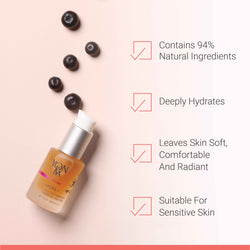
- Booster Nutri +: This oil-based booster can be mixed into your daily cream to provide an extra dose of nourishment and antioxidant protection.
Step 4: Moisture Locking and Nourishment
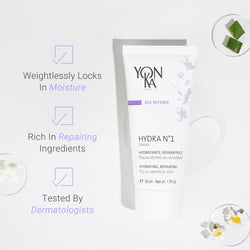
The final step in your daily ritual is applying a cream that provides both hydration and protection. Hydra n°1 Crème is an excellent choice for dry and sensitive skin types. It combines anti-aging ingredients with intense moisturizing agents like shea butter and grape seed oil. For those concerned with the first signs of aging alongside dryness, Élastine Nuit offers a restorative night-time treatment that helps smooth the appearance of fine lines while you sleep.
Weekly Treatments for Intense Hydration
Sometimes, dry skin requires a "reset" to recover from environmental stress or seasonal changes. Incorporating a weekly mask and a gentle exfoliator can make a significant difference in how your skin feels and looks.
Gentle Exfoliation
It may seem counterintuitive to exfoliate dry skin, but removing dead, flaky surface cells is necessary. If these cells remain, they prevent your hydrating products from penetrating effectively. However, you must avoid harsh scrubs. Gommage Yon-Ka is a botanical, grain-free peel that gently lifts away dull cells using carob and white nettle, leaving the skin polished and hydrated rather than irritated.
Deep Hydration Masks
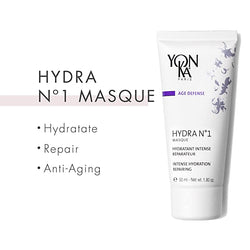
A dedicated moisture mask acts as an intensive treatment. Hydra n°1 Masque can be applied in a thick layer for 10 to 15 minutes or even left on overnight for a deep-conditioning effect. This is particularly helpful during the winter months or after long flights when the skin's moisture levels are at their lowest.
Key Takeaway: Dry skin lacks oil, while dehydrated skin lacks water. To truly heal a dry complexion, you must use a "layered" approach that includes both water-binding humectants and oil-replenishing emollients.
External Factors and Lifestyle Adjustments
While topical products are vital, environmental and lifestyle factors play a significant role in the health of your skin barrier. Understanding these triggers allows you to better protect your face from unnecessary moisture loss.
Environmental Humidity
Cold winter air and indoor heating are notorious for "sucking" moisture out of the skin. Using a humidifier in your bedroom at night can help maintain a more skin-friendly environment, keeping the air at about 60% humidity. This prevents the atmosphere from drawing water out of your face while you sleep.
Water Temperature
While a hot shower feels relaxing, it is one of the quickest ways to damage your skin barrier. Hot water dissolves the natural fats in your skin, leading to immediate dryness and potential irritation. Always use lukewarm water when washing your face and try to keep your showers under ten minutes.
Dietary Support
Healthy skin starts from within. Consuming foods rich in essential fatty acids—such as walnuts, flaxseeds, salmon, and avocados—provides the building blocks your body needs to produce natural skin lipids. Additionally, while drinking water is important for overall health, "eating" your water through moisture-rich fruits and vegetables like cucumbers and oranges can support cellular hydration.
The Importance of Sun Protection
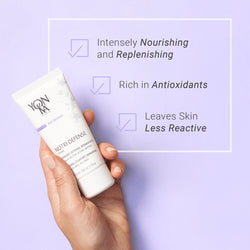
Sun damage is a major contributor to barrier dysfunction. UV rays break down the collagen and elastin fibers that help skin hold onto moisture. Even if your skin feels dry, never skip a broad-spectrum sunscreen. Look for formulas that include hydrating ingredients so your sun protection doubles as a lightweight moisturizer. Our Vital Defense cream provides antioxidant protection against environmental stressors and pollution, which can further exacerbate dryness and dullness.
Phyto-Aromatic Science and Safety
Our approach at Yon-Ka relies heavily on the power of essential oils and plant extracts. These ingredients are chosen not only for their efficacy but for their ability to provide a holistic, aromachological benefit—promoting a sense of well-being through scent.
Because our formulas contain active essential oils, we recommend a simple safety practice when introducing a new product into your ritual. Apply a small amount of the product to your inner forearm and wait 24 hours to ensure no sensitivities occur. It is also best to introduce one new product at a time. A slight, temporary tingling can be normal with active botanicals, but if you experience persistent redness or discomfort, reduce the frequency of use or consult your aesthetician.
The Professional Advantage
For those struggling with persistent or severe dryness, a professional treatment can provide results that are difficult to achieve at home. Estheticians have access to professional-strength formulations and techniques—such as specialized facial massages and advanced steaming—that drive hydration deeper into the skin.
Our professional treatments, available at over 7,000 spas worldwide, are designed to address the root causes of dryness while providing a deeply relaxing experience. You can use our Spa Locator to find a certified professional who can analyze your skin and recommend a tailored program. For those who prefer to shop from home, our Skin Diagnosis quiz and Product Matcher are available to help you identify the perfect botanical ritual for your specific concerns.
Common Myths About Dry Skin
There are several misconceptions regarding what is good for dry skin on your face. Clearing these up can help you avoid common pitfalls.
Myth: "Oils will cause my dry skin to break out." Fact: High-quality, non-comedogenic plant oils (like those found in Serum Omega) are actually essential for dry skin. They replenish the lipid barrier without clogging pores, whereas heavy, synthetic mineral oils are more likely to cause congestion.
Myth: "Drinking more water will fix dry skin." Fact: While hydration is essential, drinking water primarily affects your systemic health. If your skin barrier is compromised, that water will simply evaporate. You must use topical products to "seal the door" and keep that hydration inside.
Conclusion
Caring for dry skin is a journey of consistency and nourishment. By choosing products rich in humectants like hyaluronic acid and emollients like plant-based omegas, you provide your skin with the tools it needs to repair its own protective barrier. Remember that the goal is not just to mask dryness with heavy creams, but to restore the skin's natural ability to retain moisture and look its best.
At Yon-Ka Paris, we remain committed to the belief that skincare is a ritual worth savoring. Rooted in 70 years of phyto-aromatic expertise, our formulas are designed to bring the sophisticated efficacy of the French spa into your daily life. Whether you are using our iconic Lotion Yon-Ka or the intensive Hydra n°1 range, you are treating your skin to the highest standards of botanical excellence.
- Prioritize gentle, non-stripping cleansers like Lait Nettoyant.
- Layer hydration with mists and serums before applying your moisturizer.
- Protect your skin from environmental triggers like hot water and dry air.
- Incorporate a weekly hydrating mask for deep tissue replenishment.
To discover the exact ritual that will bring comfort back to your complexion, consider exploring our dry & dehydrated skin collection to find your perfect match.
FAQ
How can I tell if my skin is dry or just dehydrated?
Dry skin is a skin type that lacks oil and often feels rough or flaky all over. Dehydrated skin is a temporary condition that lacks water, often feeling tight even if it looks oily, and is usually caused by weather, diet, or incorrect product use.
Can I use a face oil as my only moisturizer?
While oils are excellent for providing lipids, they do not contain water. For the best results, you should apply a water-based serum or moisturizer first to hydrate the skin, then apply a face oil like Serum Omega or Nutri + on top to seal that moisture in.
Is it okay to exfoliate if my face is peeling from dryness?
Yes, but you must be very gentle. Using a grain-free exfoliator like Gommage Yon-Ka once a week helps remove the dead skin cells that block your moisturizer from working, but avoid harsh physical scrubs which can create micro-tears in an already weakened barrier.
Why does my skin still feel dry even after I apply heavy cream?
If your barrier is damaged, a heavy cream might just sit on top without being absorbed. You likely need a humectant-rich serum (like Hydra n°1 Serum) to pull moisture into the skin first, and you may need to exfoliate more regularly to ensure products can penetrate the surface.