Table of Contents
- Introduction
- Understanding the Roots of Very Dry Facial Skin
- Essential Ingredients for Intense Hydration
- The Yon-Ka Phyto-Aromatic Approach
- Designing Your Daily Hydration Ritual
- Advanced Solutions for Extreme Sensitivity
- Lifestyle Adjustments to Support Your Skincare
- The Professional Spa Connection
- Addressing Dryness Around the Eyes
- Seasonal Shifts: Adapting Your Routine
- Common Myths About Dry Skin
- When to See a Professional
- Conclusion
- FAQ
Introduction
Waking up to skin that feels two sizes too small is a frustrating reality for many. When your face feels tight, looks flaky, or reacts with redness at the slightest touch, you are likely searching for more than just a quick fix—you are looking for long-term comfort and a radiant, healthy glow. Understanding what is best for very dry skin on face requires looking beyond heavy creams and focusing on a holistic, barrier-respecting approach. At Yon-Ka Paris, we believe that the answer lies in the harmony of nature and science, utilizing phyto-aromatic ingredients to restore the skin’s natural equilibrium. This article will explore the underlying causes of extreme dryness, the most effective botanical ingredients to look for, and how to build a layered ritual that transforms a parched complexion into one that feels supple and revitalized.
Understanding the Roots of Very Dry Facial Skin
To address extreme dryness effectively, we must first understand what is happening beneath the surface. Very dry skin is often more than just a temporary inconvenience; it is frequently a sign of a compromised skin barrier. The outermost layer of your skin, the stratum corneum, acts as a protective shield. When this barrier is healthy, it keeps moisture in and irritants out. However, when it is weakened, moisture escapes through a process called trans-epidermal water loss (TEWL).
Dry vs. Dehydrated Skin
It is important to distinguish between "dry" and "dehydrated" skin, as they require different solutions. Dry skin is a skin type characterized by a lack of oil (sebum). Without enough natural oils, the skin cannot "glue" its protective cells together, leading to a rough, flaky texture. Dehydrated skin, on the other hand, is a temporary condition where the skin lacks water. It can happen to any skin type, including oily skin.
For those with very dry skin on the face, the problem is often twofold: a genetic predisposition toward low oil production and environmental factors that strip away what little moisture remains. Addressing this requires a combination of humectants to draw in water and emollients or occlusives to seal that moisture in place. If you want to explore Yon-Ka’s approach to this balance, start with the Dry & Dehydrated Skin collection.
The Role of Aging and Hormones
As we age, our skin naturally produces less sebum. This decline often becomes most noticeable in our 40s and 50s. Hormonal shifts, particularly the decrease in estrogen during menopause, can also lead to a sudden and significant increase in facial dryness. When the skin’s structural integrity changes, it loses its ability to bounce back, making fine lines and wrinkles more prominent. Recognizing these internal shifts helps us choose products that don't just sit on the surface but actively support the skin’s changing needs.
Essential Ingredients for Intense Hydration
When determining what is best for very dry skin on face, the ingredient deck is your roadmap. Not all moisturizers are created equal. For extreme dryness, you need a sophisticated blend of ingredients that mimic the skin’s natural composition. To learn more about the brand’s ingredient philosophy, visit Our Ingredients.
Hyaluronic Acid: The Moisture Magnet
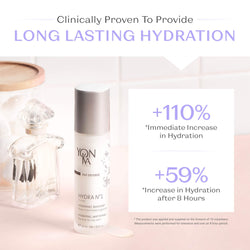
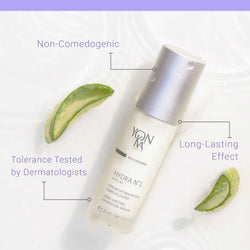
Hyaluronic acid is a humectant, a substance that attracts and holds onto water. It is naturally occurring in our bodies but diminishes as we age. In skincare, it can hold up to 1,000 times its weight in water, making it an essential tool for plumping the appearance of the skin and smoothing out dehydration lines. We often use different molecular weights of hyaluronic acid in our formulas, such as in the Hydra n°1 range, to ensure hydration reaches various levels of the skin's surface.
Squalane and Plant-Based Oils
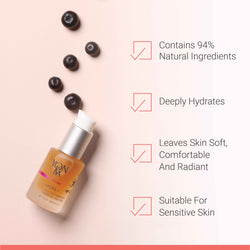
If hyaluronic acid provides the water, plant oils provide the "seal." Squalane is a highly stable version of squalene, a lipid naturally found in human sebum. Because the skin recognizes it, squalane absorbs beautifully without a greasy residue, helping to repair the moisture barrier. Other botanical oils, like sacha inchi or raspberry seed oil found in Serum Omega, provide essential fatty acids (Omegas 3, 6, and 9) that are critical for skin that feels soft and resilient. For a product built around this kind of nourishment, explore Serum Omega.
Aloe Vera and Vegetable Glycerin
These classic botanicals remain staples for a reason. Aloe vera offers immediate soothing relief to skin that feels "angry" or irritated from dryness. Vegetable glycerin acts as another powerful humectant, ensuring that the skin remains moist and supple throughout the day. These ingredients often form the base of high-quality phyto-aromatic treatments because they provide a gentle, non-irritating foundation.
The Yon-Ka Phyto-Aromatic Approach
Our heritage is rooted in the professional spa environment, where we learned that the most effective skincare addresses both the physical and sensorial needs of the individual. Our signature Quintessence—a proprietary blend of lavender, geranium, rosemary, cypress, and thyme essential oils—is the heartbeat of our formulations.
For very dry skin, this 100% natural complex does more than just provide a beautiful scent. It helps to revitalize the appearance of the skin and supports the efficacy of other active ingredients. When you use a product infused with these essential oils, the aromachological benefits help reduce the feeling of stress, which we know can negatively impact the skin's health and barrier function.
Designing Your Daily Hydration Ritual
A "hack" or a single miracle product is rarely enough to fix chronic dryness. Instead, a consistent, layered ritual is the most effective path forward. By applying products in a specific order, you maximize their absorption and efficacy.
Step 1: Gentle, Barrier-Respecting Cleansing
Many people with dry skin make the mistake of using harsh, foaming cleansers that strip away the skin's natural oils. For a very dry face, a creamy milk cleanser is essential. Our Lait Nettoyant is a fan favorite for this reason. It gently removes makeup and impurities while maintaining the skin's acid mantle (the protective film on the surface).
Tip: Always use lukewarm water. Hot water can dissolve the very lipids your skin is desperately trying to hold onto, leading to more dryness.
Step 2: The Phyto-Aromatic Mist
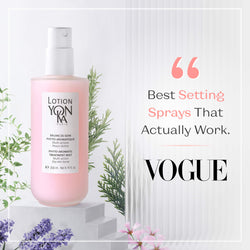
After cleansing, the skin needs to be rebalanced and prepared for treatment. Lotion Yon-Ka PS is much more than a toner. This alcohol-free mist is infused with our signature Quintessence. It hydrates, soothes, and acts as a "carrier," helping the serums and creams you apply next to penetrate more effectively.
Step 3: Targeted Treatment with Serums
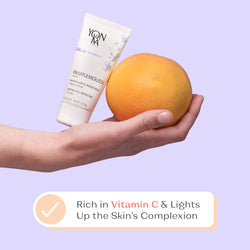
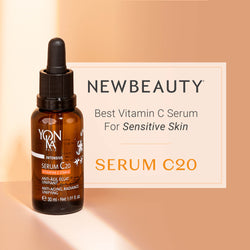
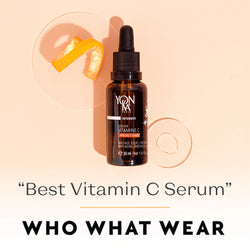
This is where you address the core issue. For very dry skin, a serum should provide a concentrated dose of nutrients. Serum Omega is an exceptional choice for those lacking lipids. It uses cold-pressed plant oils to replenish the skin barrier. If your dryness is accompanied by dullness, Serum Vitamine C 20% can help brighten the appearance of the skin while providing antioxidant support.
Step 4: Intensive Moisturizing
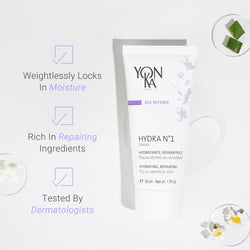
Your moisturizer is your daily armor. For intense dryness, you need a cream that feels substantial but absorbs well. Hydra N°1 Creme is designed specifically for this need, utilizing long-lasting hydration technology to keep the skin feeling comfortable for hours. If you are also concerned with the visible signs of aging, it offers a fitting next step for skin that needs both comfort and moisture.
Step 5: Evening Repair
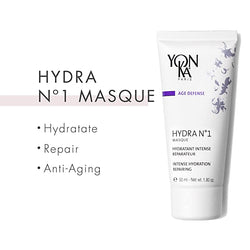
Nighttime is when your skin goes into "repair mode." This is the perfect opportunity to use a more intensive treatment. Hydrating No. 1 Masque can be used periodically to gently support very dry skin with an overnight-style hydration ritual. Alternatively, applying a thick layer of Hydra n°1 Masque and leaving it on overnight can provide a "hydration soak" that reveals a dewier complexion by morning.
Advanced Solutions for Extreme Sensitivity
Very dry skin often goes hand-in-hand with sensitivity. When the barrier is broken, the skin becomes more reactive to wind, cold, and even common skincare ingredients.
If your skin is so dry that it feels raw or shows persistent redness, it is important to avoid common irritants like synthetic fragrances, harsh sulfates (SLS), and high concentrations of denatured alcohol. We prioritize natural-origin ingredients and avoid these common triggers in our formulation charter, ensuring that even the most delicate skin can find relief.
Lifestyle Adjustments to Support Your Skincare
What you do outside of your bathroom also plays a significant role in managing dry skin. Skincare is a partnership between topical treatments and lifestyle habits.
- Humidity Control: During winter months, indoor heating systems strip moisture from the air. Using a humidifier in your bedroom can significantly reduce the amount of moisture your skin loses overnight.
- Shorter Showers: While a long, hot shower feels relaxing, it is detrimental to dry skin. Limit showers to 5-10 minutes and use lukewarm water.
- Dietary Fats: Incorporating healthy fats like avocados, walnuts, and fatty fish (rich in Omega-3s) can support your skin's oil production from the inside out.
- Sun Protection: Sun damage weakens the skin barrier over time. Even if your skin is dry, never skip a daily broad-spectrum SPF to prevent further moisture loss and damage.
The Professional Spa Connection
Sometimes, home care needs a professional boost. For those struggling with stubborn, very dry skin on the face, a professional phyto-aromatic facial can provide a level of deep hydration that is difficult to achieve at home. Our estheticians use specialized techniques and professional-strength formulas to "reset" the skin's moisture levels. You can use our Spa Locator to find a Yon-Ka partner near you to experience these high-performance treatments.
Addressing Dryness Around the Eyes
The skin around the eyes is the thinnest on the entire face and contains very few oil glands, making it the first place many people notice dryness and fine lines. A standard face cream may not be enough—or may be too heavy—for this delicate area. Phyto-Contour is specifically formulated to address the needs of the eye area, helping to reduce the look of puffiness while providing essential hydration. Applying this with a gentle patting motion ensures you don't tug on the fragile skin.
Seasonal Shifts: Adapting Your Routine
Your skin's needs will change as the seasons do. What is best for very dry skin on face in the humid days of July may not be sufficient during a freezing January.
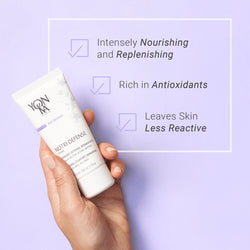
- In Winter: Lean into heavier occlusive layers. Consider adding a booster like Booster Nutri + to your existing moisturizer to give it an extra nourishing kick.
- In Summer: You may still be dry but want a lighter feel. Switch to a fluid texture like Nude Perfect Fluide, which offers hydration with a blurring, mattifying finish that sits well under sunscreen.
Common Myths About Dry Skin
There is a lot of misinformation regarding how to treat a dry complexion. Clearing up these misconceptions can help you make better choices for your skin's health.
Myth: "Oils are all you need for dry skin." Fact: While oils are excellent for nourishing the skin, they do not provide water. For truly healthy skin, you need humectants (like glycerin or hyaluronic acid) to bring water in, and then oils to keep it there.
Myth: "You should exfoliate flakes away every day." Fact: Over-exfoliating dry skin can further damage the barrier and lead to more flaking. Instead, use a gentle, grain-free exfoliator like Gommage Yon-Ka once or twice a week to polish the skin without irritation.
When to See a Professional
While most cases of dry skin can be managed with a proper ritual and lifestyle changes, some conditions require medical attention. If your skin is cracking, bleeding, or showing signs of an infection, or if you suspect you may have a condition like eczema or psoriasis, it is important to consult a dermatologist. Skincare products are designed to support and beautify the skin's appearance, but medical conditions need a physician's diagnosis.
Conclusion
Choosing what is best for very dry skin on face is an act of self-care that requires patience and the right botanical tools. By moving away from "harsh" habits and embracing a layered, ritualistic approach, you can restore the comfort and radiance your skin deserves. At Yon-Ka Paris, we remain dedicated to the belief that the most effective skincare is rooted in the healing power of plants and 70 years of phyto-aromatic expertise. Whether you are seeking a deep hydration "soak" or a daily protective cream, our formulas are designed to work in harmony with your skin's natural processes.
If you are unsure where to start, we invite you to take our Skin Diagnosis quiz or use our Product Matcher to find the perfect ritual for your unique needs. Your journey to soft, supple, and healthy-looking skin is a ritual worth savoring.
FAQ
What is the difference between dry and dehydrated skin?
Dry skin is a skin type that lacks oil (sebum), whereas dehydrated skin is a temporary condition where the skin lacks water. Dry skin often feels rough and flaky all over, while dehydrated skin may feel tight but still look oily or experience breakouts.
How often should I exfoliate if my face is very dry?
If your skin is very dry, you should limit exfoliation to once or twice a week using a gentle, non-abrasive product. Over-exfoliating can damage the skin's moisture barrier, leading to increased sensitivity and even more dryness or flaking.
Can I use essential oils on my very dry skin?
Yes, when properly formulated in a professional skincare line, essential oils can be highly beneficial for dry skin. They help to revitalize the skin's appearance and provide aromachological benefits, though we always recommend a patch test for those with extremely sensitive skin.
Should I apply my moisturizer to wet or dry skin?
It is best to apply your moisturizer to slightly damp skin. This helps "trap" the moisture on the surface of your skin, allowing for better absorption and a more effective seal, which is especially important for those with chronic dryness.