Table of Contents
- Introduction
- The Science of Shine: Why Skin Produces Excess Oil
- A Phyto-Aromatic Approach to Balance
- The Essential Ritual for Oily Skin
- Ingredients to Look For (And Avoid)
- Lifestyle Habits to Support Your Skincare
- The Value of Professional Expertise
- Conclusion
- FAQ
Introduction
Waking up to an unwanted shine or feeling the need to blot your face by midday is a common experience for those with oily skin. While excess sebum can feel like a daily hurdle, it is actually a sign of skin that is naturally well-protected and often more resilient against the appearance of fine lines. At Yon-Ka Paris, we believe that managing oil is not about aggressive "stripping" or harsh chemicals, but rather about restoring a sophisticated sense of balance through botanical science. By understanding the biological needs of your skin and implementing a consistent, phyto-aromatic ritual, you can enjoy a complexion that looks clear, refined, and healthy without the heavy shine. This article explores the root causes of excess oil, the most effective plant-based ingredients for purification, and the specific steps you can take to achieve a balanced, radiant glow.
The Science of Shine: Why Skin Produces Excess Oil
To effectively manage oily skin, we must first understand what is happening beneath the surface. Sebum is an oily substance produced by the sebaceous glands, which are located in the mid-layers of the skin. This substance is actually essential for skin health; it forms part of the acid mantle, a protective barrier that keeps moisture in and environmental stressors out.
However, when these glands become overactive, the result is an oily complexion, often characterized by enlarged pores and a tendency toward congestion. Several factors can trigger this overproduction. Genetics play a significant role, as the size and activity level of your sebaceous glands are often inherited. Hormonal fluctuations are another primary driver, which is why oiliness often peaks during puberty, pregnancy, or throughout different phases of the menstrual cycle.
Environmental factors also contribute to how much oil your skin produces. High humidity and heat can stimulate the glands, while pollution can settle into the oil on the surface, leading to a dull or congested appearance. Understanding that oiliness is a biological response helps shift the focus from "fixing" a problem to "supporting" the skin's natural functions.
The Role of the Rebound Effect
One of the most common mistakes in managing oily skin is the use of harsh, alcohol-laden products designed to "dry out" the surface. When you strip the skin of all its natural oils, the brain receives a signal that the skin’s protective barrier is compromised. In response, the sebaceous glands go into overdrive to replace the lost moisture, leading to even more oil production. This is known as the "rebound effect."
The goal of a high-quality ritual is to cleanse and treat the skin while maintaining its delicate moisture balance. By providing the skin with the hydration it needs, we can encourage the glands to remain calm, eventually leading to a more matte appearance.
A Phyto-Aromatic Approach to Balance
At the heart of our philosophy is the belief that plants hold the key to skin harmony. For over 70 years, we have utilized the power of aromatherapy and phytotherapy to address specific skin concerns. For oily skin, certain botanicals are particularly effective at purifying the appearance of the pores and soothing the skin’s surface.
Central to our formulas is the Quintessence, an exclusive complex of five essential oils: lavender, geranium, rosemary, cypress, and thyme. This 100% natural and active complex serves as the foundation for our oily-skin solutions. To learn more about the ingredient philosophy behind these formulas, explore our ingredients.
- Lavender (Lavandula angustifolia) provides a soothing and calming effect on the skin's appearance.
- Geranium (Pelargonium graveolens) helps to balance the look of surface oils.
- Rosemary (Rosmarinus officinalis) offers purifying and toning benefits.
- Cypress (Cupressus sempervirens) acts as a natural astringent to refine the look of pores.
- Thyme (Thymus vulgaris) provides deep cleansing and invigorating properties.
When these ingredients are used in concert, they provide a multi-dimensional approach to oil management that synthetic ingredients often fail to replicate.
Note: When introducing products containing essential oils, we always recommend a brief patch test. Apply a small amount of the product to your inner forearm and wait 24 hours to ensure your skin responds well. While a slight, fleeting tingling sensation can be normal due to the active nature of these oils, persistent redness or irritation is a sign to reduce frequency or discontinue use.
The Essential Ritual for Oily Skin
A successful routine for oily skin should feel like a dedicated ritual—a moment to reset both your skin and your senses. The order of application is just as important as the ingredients themselves.
Step 1: Barrier-Respecting Cleansing
Many people with oily skin gravitate toward foaming cleansers that leave the skin feeling "squeaky clean." However, as discussed with the rebound effect, this can be counterproductive. Instead, look for a cleanser that removes excess oil and impurities without disrupting the skin’s protective barrier.
Lait Nettoyant is our iconic cleansing milk that is surprisingly effective for oily skin types. It respects the skin’s pH and leaves the surface feeling soft and supple. For those who prefer a deeper, water-based cleanse, look for formulas that utilize botanical surfactants rather than harsh sulfates like SLS (sodium lauryl sulfate), which can be too aggressive for daily use.
Step 2: The Transformative Mist
In the Yon-Ka ritual, the toning step is not an afterthought; it is a foundational pillar. Lotion Yon-Ka PNG is a phyto-aromatic mist that does much more than just "tone." It prepares the skin to better absorb the serums and moisturizers that follow, and it delivers a concentrated dose of the Quintessence.
Applying this mist throughout the day can also help to refresh the skin and manage the appearance of shine without disturbing makeup. It is a sensorial experience that provides an immediate feeling of purity and energy.
Step 3: Gentle Exfoliation Without Grains
Oily skin often suffers from a buildup of dead skin cells, which can trap oil in the pores and lead to breakouts or a dull complexion. While physical scrubs with large grains can cause micro-tears and irritate oily skin, a grain-free approach is much more effective.
Gommage Yon-Ka is a unique, plant-based exfoliator that uses citrus extracts and seaweed to gently lift away impurities. It is a "4-in-1" product that clarifies, hydrates, and balances the skin's appearance. Because it is grain-free, it can be used even on sensitive or blemish-prone oily skin to help refine the skin's texture and brighten its overall look.
Step 4: Targeted Care and Mattifying Fluids
After cleansing and misting, it is time to treat the skin with targeted actives. If you are concerned with the appearance of enlarged pores or an uneven complexion, look for products that offer a "blurring" effect while still providing essential moisture.
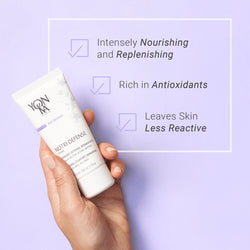
Nude Perfect Fluide is an ideal choice for a daytime moisturizer. It is designed to act as a complexion perfector, using a blend of ashwagandha and jojoba to protect against pollution while providing a natural matte finish. This helps to reduce the visible look of shine immediately while working to improve the skin's appearance over time.
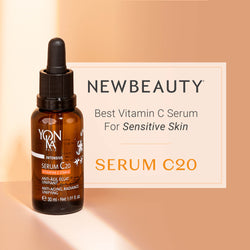
For those looking to brighten their skin tone, Serum C20 can be incorporated into the ritual. This serum contains a stable form of Vitamin C (20%) which helps to improve the appearance of skin clarity and radiance—something that can often be lost when excess oil makes the skin look dull.
Key Takeaway: Managing oily skin requires a shift from "attacking" the oil to "balancing" the skin's ecosystem. Using gentle cleansers, aromatic mists, and grain-free exfoliators ensures the skin remains hydrated enough that it doesn't feel the need to overproduce sebum.
Ingredients to Look For (And Avoid)
When reading labels, look for ingredients that support oil regulation and pore health without causing inflammation.
- Salicylic Acid (BHA): An oil-soluble acid that can penetrate deep into the pores to help clear away congestion.
- Clay (Kaolin or Bentonite): Excellent for naturally absorbing excess surface oil during a weekly mask treatment.
- Niacinamide: Known for its ability to improve the look of skin texture and support a healthy skin barrier.
- Hyaluronic Acid: Even oily skin needs water. This ingredient provides weightless hydration that doesn't feel greasy or heavy.
Conversely, try to avoid products with high concentrations of denatured alcohol, which can dry the skin too quickly and trigger the rebound effect. You should also be cautious of heavy mineral oils or occlusive waxes that might sit on the surface of the skin and contribute to clogged pores.
Lifestyle Habits to Support Your Skincare
What helps with oily skin on the face often goes beyond what is in your bathroom cabinet. Your daily habits and environment play a significant role in how your skin behaves.
- Mind Your Diet: While the link between diet and oil is still being studied, many find that a diet high in processed sugars and dairy can exacerbate oil production. Focus on antioxidant-rich fruits and vegetables and ensure you are drinking plenty of water to keep your skin hydrated from the inside out.
- Clean Your Tools: If you use makeup brushes or sponges, they can become a breeding ground for bacteria and old oil. Wash them at least once a week to prevent reintroducing impurities to your face.
- Change Your Pillowcase: Your pillowcase absorbs oils from your hair and face every night. Switching to a clean silk or cotton pillowcase every few days can help keep your skin environment clean.
- Hands Off: Touching your face throughout the day transfers dirt and bacteria from your hands to your skin, which can mix with sebum and lead to congestion.
The Value of Professional Expertise
While a home ritual is the foundation of skin health, the expertise of a professional can take your results to the next level. At Yon-Ka, our heritage is rooted in the treatment room. We recommend visiting a spa to receive a professional deep-cleansing facial or a personalized skin analysis.
A licensed esthetician can perform professional-grade extractions safely and apply high-concentration botanical masks that are often more potent than at-home versions. You can use our Spa Locator to find a professional near you who can tailor a program specifically for your oily skin concerns. If you are unsure which products are right for your specific needs, our Skin Diagnosis quiz or Product Matcher can provide a customized starting point.
Conclusion
Managing oily skin is a journey toward equilibrium. By moving away from harsh, stripping treatments and toward a ritual of botanical purification and hydration, you can support your skin's natural ability to stay balanced. Whether it is the refreshing mist of the Quintessence or the mattifying touch of a botanical fluid, each step in your routine should serve to enhance your skin's health and your own sense of wellbeing.
Yon-Ka Paris remains committed to this harmony, blending 70 years of French phyto-aromatic expertise with the purest botanical ingredients to help you feel confident in your skin. When you treat your skincare as a ritual rather than a chore, the results are not just visible on the surface, but felt in the way you approach each day.
Bottom line: Oily skin is a sign of vitality; with the right botanical ritual, you can manage shine while maintaining a healthy, radiant glow.
Explore our collection of purifying essentials or take the first step in your journey by discovering your personalized routine through our skin quiz today.
FAQ
How often should I wash my face if I have oily skin?
You should ideally wash your face twice a day—once in the morning and once before bed. Over-washing can lead to the "rebound effect," where your skin produces more oil to compensate for being stripped, so avoid cleansing more than twice daily unless you have been sweating heavily.
Can I use a face oil if my skin is already oily?
Yes, certain plant-based oils can actually help balance the skin's appearance. Oils high in linoleic acid can be beneficial, but it is often better to use an oil-in-serum like Serum Omega or a lightweight booster if your skin feels dehydrated as well as oily.
Does oily skin need moisturizer?
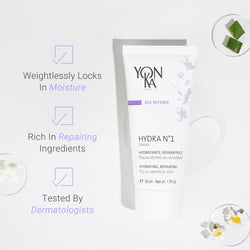
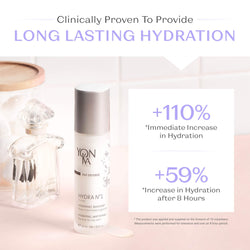
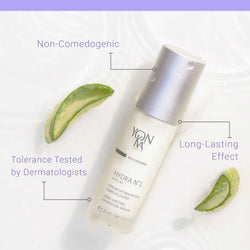
Absolutely. Oily skin can still be dehydrated (lacking water), and when skin is thirsty, it often produces more oil to protect itself. Using a lightweight, non-comedogenic moisturizer like Nude Perfect Fluide or Hydra n°1 Crème helps maintain the water-oil balance.
Why does my skin look more oily after I use certain products?
This may happen if a product is too heavy for your skin type or if it contains ingredients that clog your pores. It could also be a sign that your skin is reacting to a harsh ingredient by producing more oil for protection; always look for "non-comedogenic" and botanical-based formulas.
Want a more personalized routine?
If you would like help choosing the right products for oily, combination, or blemish-prone skin, start with our Oily & Combination Skin collection or browse our serums for targeted support.